

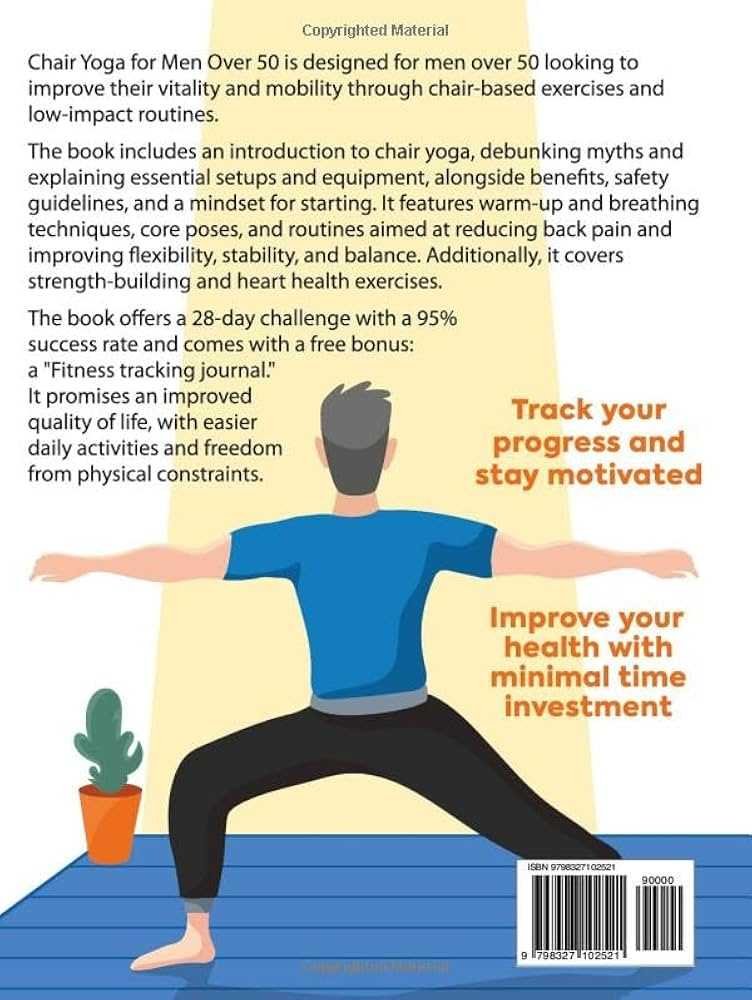
To effectively track progress in a workout plan for men in their 50s, set clear goals, use simple tools like a fitness journal or apps, and regularly measure key health indicators. Keeping track helps you stay motivated and make necessary adjustments to avoid plateaus and injuries.
Monitoring your fitness journey in your 50s doesn’t have to be complicated; it’s about consistency and paying attention to your body. First, define what you want to achieve—whether it’s strength, flexibility, or endurance. Then, track your workouts, note improvements, and listen to how your body responds. Regular check-ins on metrics like weight, body measurements, strength levels, and cardio performance provide tangible markers of progress. Incorporating these simple practices can help you stay motivated, prevent setbacks, and enjoy the lifelong benefits of staying active.
Getting older shouldn’t mean losing your edge. For men in their 50s, tracking progress is essential to optimize workouts, stay motivated, and ensure safety. By setting realistic goals, documenting your routines, and regularly assessing health markers, you can enjoy a sustainable and rewarding fitness journey tailored specifically to your evolving needs.

How to Track Progress in a Workout Plan for Men in Their 50s
Tracking progress is essential for men in their 50s who want to stay motivated and see real results from their workout routines. As we age, our bodies change, so it’s important to adapt your tracking methods accordingly. Proper monitoring helps identify what’s working, what needs adjustment, and keeps you focused on your health goals.
Understanding Why Tracking Progress Matters
Tracking your progress provides clear evidence of your improvements and helps prevent plateaus. It also boosts motivation because you see tangible results, which encourages consistency. For men in their 50s, monitoring health markers becomes just as important as tracking physical strength or endurance.
Benefits of Regular Monitoring
- Helps identify early signs of overtraining or injury
- Allows for timely adjustments to workout intensity or type
- Provides motivation through measurable achievements
- Supports long-term health goals such as weight management, blood pressure, or diabetes control
Setting Realistic and Measurable Goals
Before tracking progress, define clear, realistic goals. Whether it’s increasing muscle mass, improving endurance, or losing weight, goals should be specific and achievable. Use the SMART criteria—Specific, Measurable, Achievable, Relevant, Time-bound—to set benchmarks.
Examples of Effective Goals
- Lose 10 pounds in three months
- Increase plank hold time from 30 to 60 seconds within six weeks
- Run a 5K without stopping in two months
- Improve flexibility to touch toes comfortably
Choosing the Right Metrics to Track
Different goals require different tracking methods. Common metrics include physical measurements, strength levels, endurance, and health indicators.
Physical Measurements
- Weight and Body Composition: Track weight, body fat percentage, and muscle mass
- Body Measurements: Waist, hips, chest, arms, and thigh circumference
Performance-Based Metrics
- Number of repetitions or sets for strength exercises
- Time to complete cardio workouts or specific distances
- Flexibility and mobility ranges
Health Indicators
- Blood pressure readings
- Resting heart rate
- Blood sugar levels, if applicable
Effective Methods for Tracking Progress
Using a combination of tools can give a comprehensive view of your journey. Here are some of the most reliable methods:
Workout Journals and Logs
Write down each workout, including exercises, repetitions, sets, and weights used. Journals help identify patterns over time and highlight progress or areas needing improvement.
Mobile Apps and Fitness Trackers
Leverage technology by using apps designed for fitness tracking. Many apps allow you to log workouts conveniently and provide visual progress reports. Popular options include MyFitnessPal, Fitbit, and Apple Health.
Photos and Body Measurements
Take weekly or monthly photos from multiple angles. Regular photo comparisons can reveal physical changes that weigh-ins might miss. Combine this with body measurements for a detailed view of progress.
Health Monitoring Devices
Use devices like blood pressure monitors or heart rate monitors to track health metrics. These tools are valuable for men managing chronic conditions or focusing on heart health.
Establishing a Consistent Tracking Routine
Consistency is key. Schedule regular check-ins, whether weekly or biweekly, to review progress. Make tracking a routine part of your weekly schedule to stay on top of your goals.
Tips for Staying Consistent
- Set reminders on your phone or calendar
- Keep a dedicated fitness journal or digital log
- Create visual progress charts for motivation
- Share your goals and progress with a workout buddy or coach
Adjusting Your Workout Based on Tracking Data
Tracking is not just about recording data; it’s about making informed decisions. Use the information gathered to modify your routines, increase intensity, or change exercises to avoid stagnation.
Signs You Need to Make Changes
- No visible progress over several weeks
- Plateau in strength, endurance, or weight loss
- Boredom or loss of motivation
- Emerging discomfort or injury
Strategies for Adjustment
- Increase resistance or repetitions to build strength
- Vary your cardio routines to challenge your stamina
- Incorporate flexibility and balance exercises to improve mobility
- Alter workout frequency or duration for better results
Tracking for Long-Term Success
Long-term progress requires patience and persistence. Celebrate small victories along the way to stay motivated over months or even years.
Maintaining Motivation
Set new challenges periodically and reward yourself for milestones reached. Sharing your achievements with friends or family can also boost motivation.
Incorporating Lifestyle Changes
Tracking should extend beyond workouts to include diet, sleep, and stress management. These factors greatly influence your fitness progress and overall health.
Holistic Approach to Fitness
Combine physical activity tracking with nutrition logs, sleep quality diaries, and stress reduction techniques for comprehensive health management.
Monitoring and Adjusting Over Time
Regularly revisit your goals and progress metrics. As you get stronger and healthier, update your goals to keep challenging yourself and prevent stagnation.
Adapting to Changing Needs
Your body and priorities may shift over time. Be flexible in your approach, and modify your plan to align with your current health status and lifestyle.
Tracking your progress carefully can make all the difference in maintaining motivation and achieving lasting results. Men in their 50s can enjoy improved strength, endurance, and overall health with consistent monitoring and smart adjustments. Remember, progress is a journey, and staying committed to tracking each step helps keep you moving forward.
Can you Build Muscle Over 50 Years Old : Diet, Workout , Testosterone Strategies Revealed.
Frequently Asked Questions
What are some effective ways to monitor strength gains over time?
To track strength improvements, keep a detailed log of the weights you lift and repetitions completed during each workout. Regularly update this record and note any increases or improvements. Using a progressive overload approach, where you gradually increase weights or repetitions, helps you observe tangible progress. Additionally, pay attention to how you feel during exercises—improvements often translate to easier movement and less fatigue.
How can I measure improvements in cardiovascular fitness?
Assess your cardiovascular progress by monitoring your resting heart rate regularly; a lower rate often indicates better cardiovascular health. Incorporate periodic timed activities like walking, jogging, or cycling, and record your times or distances. Tracking your recovery time after exercise also provides insights—faster recovery signifies improved fitness. Using fitness devices or apps can help visualize these changes over weeks and months.
What indicators should I look for to track flexibility and mobility gains?
Keep track of your ability to perform specific stretches and mobility exercises, noting whether you can reach further or move more comfortably. Record the range of motion for key joints, such as hips, shoulders, and knees, at regular intervals. Consistent improvement in these flexibility measures indicates progress. Additionally, note how easily you perform daily activities that require flexibility, like bending or twisting, to gauge real-world benefits.
Final Thoughts
Tracking progress in a workout plan for men in their 50s helps stay motivated and identify improvements. Use a journal or digital app to record workouts, including exercises, reps, and weights. Regularly review these logs to see trends and adjust your routine accordingly.
Set specific, achievable goals to measure success accurately over time. Incorporate fitness tests, such as endurance or strength assessments, to gauge physical changes. Stay consistent and attentive to your body’s signals to maintain steady progress.
As an Amazon Associate, We earn from qualifying purchases. When you purchase a product through Amazon links on pulsefitguide.com, we may earn a small commission at no extra cost to you. This helps support the site and keep our content free.