
Quick Summary: To stop burning fat, you need to consume more calories than your body uses. This means eating a surplus of energy through food, which signals your body to store rather than burn fat for fuel. Focus on a balanced diet and understand your calorie needs.
Feeling confused about why your body isn’t losing weight, even when you think you’re doing everything right? It’s a common struggle, especially when you’re just starting your health journey. Many people focus so much on burning fat that they miss a crucial piece of the puzzle: sometimes, the goal is to stop burning fat and encourage your body to store energy instead.

This guide is designed to break down exactly why that happens and what you can do about it. We’ll look at the science in simple terms and give you practical, easy-to-follow steps. No confusing jargon, just clear advice to help you understand your body better and achieve your goals.
Ready to finally get a handle on your body’s energy balance? Let’s dive in and learn how to tell your body to hold onto that fat when it’s needed, and how to manage it effectively.
Understanding Your Body’s Energy Balance: Calories In vs. Calories Out
At its core, managing your body fat is all about something called energy balance. Think of your body like a simple savings account. Calories are the currency. When you consume more calories than your body needs for daily activities and exercise, that extra energy gets stored, often as fat. When you consume fewer calories than you burn, your body dips into its stored energy (fat) to make up the difference. This is called a calorie deficit, and it’s how you lose fat.
So, if your goal is to stop burning fat, it means you need to shift this balance. You need to ensure you’re eating enough calories so your body feels it has plenty of energy available and doesn’t need to tap into its fat reserves. This doesn’t mean eating an unhealthy amount, but rather understanding what your body truly needs to maintain its weight and functions.
The Role of Metabolism
Metabolism is the process your body uses to convert what you eat and drink into energy. It’s a complex system, but for our purposes, think of it as your body’s engine. A faster metabolism burns more calories at rest, while a slower metabolism burns fewer. Factors like age, genetics, muscle mass, and activity level all influence your metabolic rate.
When you’re trying to stop burning fat, you’re essentially telling your body it has enough fuel. This can be beneficial if you’ve been in a calorie deficit for too long and your metabolism has slowed down. It’s also important if you’re trying to build muscle, as muscle growth requires extra energy.
Why Would You Want to Stop Burning Fat?
It might sound counterintuitive, but there are several reasons why you might want to stop the fat-burning process. The most common scenario is when someone has been trying to lose weight for a long time and has reached their goal, or they’re experiencing unwanted side effects like extreme hunger, fatigue, or a slowed metabolism. It’s also crucial for individuals looking to gain weight or build muscle mass.
Another reason is to ensure your body has enough energy for essential functions. When your body is constantly in a fat-burning state, it might not have enough reserves for optimal performance, whether that’s in sports, work, or just daily life. It’s about finding a healthy balance that supports your overall well-being.
Step 1: Calculate Your Maintenance Calories
The first practical step to stop burning fat is to figure out how many calories your body needs to simply maintain its current weight. This is known as your “maintenance calories.” If you consistently eat this many calories, your weight should remain stable. This is the foundation for shifting your body away from a fat-burning state.
There are several ways to estimate this, but a common and effective method uses formulas that consider your Basal Metabolic Rate (BMR) and your activity level. Your BMR is the number of calories your body burns at rest to perform basic life-sustaining functions like breathing, circulation, and cell production.
Understanding Basal Metabolic Rate (BMR)
Your BMR is like the baseline energy your body needs to function even if you did nothing all day. It’s influenced by your age, sex, weight, and height. For example, someone with more muscle mass will have a higher BMR than someone of the same weight with less muscle mass, because muscle tissue burns more calories than fat tissue.
You can estimate your BMR using equations like the Harris-Benedict equation or the Mifflin-St Jeor equation. The Mifflin-St Jeor equation is generally considered more accurate for most people. It’s calculated as:
- For men: BMR = (10 × weight in kg) + (6.25 × height in cm) – (5 × age in years) + 5
- For women: BMR = (10 × weight in kg) + (6.25 × height in cm) – (5 × age in years) – 161
You can easily find online calculators that do this math for you if you have your weight in pounds, height in inches, and age in years.
Factoring in Your Activity Level
Your BMR is just the starting point. You also burn calories through all your daily activities, from walking to work to exercising. This is your Total Daily Energy Expenditure (TDEE). To get your TDEE, you multiply your BMR by an activity factor.
Here’s a general guide for activity factors:
| Activity Level | Description | Activity Factor |
|---|---|---|
| Sedentary | Little to no exercise, desk job | 1.2 |
| Lightly Active | Light exercise/sports 1-3 days/week | 1.375 |
| Moderately Active | Moderate exercise/sports 3-5 days/week | 1.55 |
| Very Active | Hard exercise/sports 6-7 days/week | 1.725 |
| Extra Active | Very hard exercise/sports, physical job, or training twice a day | 1.9 |
So, if your BMR is 1500 calories and you are moderately active, your estimated TDEE (maintenance calories) would be 1500 x 1.55 = 2325 calories per day.
Using Online Calculators
To make this easier, many websites offer free TDEE calculators. You input your age, sex, height, weight, and activity level, and they’ll provide an estimate of your daily calorie needs to maintain your weight. This is a great starting point for beginners.
For example, the National Institutes of Health (NIH) provides a TDEE calculator that uses the Mifflin-St Jeor equation. You can find it by searching for “NIH TDEE calculator.” Using these tools helps you get a personalized estimate without complex math.
Step 2: Adjust Your Calorie Intake
Once you have an estimate of your maintenance calories, the next step is to adjust your intake. If your goal is to stop burning fat and potentially gain weight or muscle, you’ll need to eat more calories than your maintenance level. This is often referred to as being in a calorie surplus.
Conversely, if you’ve reached your desired weight and simply want to maintain it, you should aim to eat right around your maintenance calorie number. If you’re trying to stop burning fat because you feel your metabolism has slowed too much and you want to “refeed” your body, you might temporarily increase calories to a slight surplus.
Creating a Calorie Surplus
To stop burning fat and encourage your body to store energy, you need to consume more calories than you expend. This is a calorie surplus. For general weight maintenance or muscle gain, a moderate surplus is usually recommended. A surplus of 250-500 calories above your maintenance level is a common starting point.
For instance, if your maintenance calories are 2300, eating 2600-2800 calories per day would put you in a surplus. This extra energy signals your body that it has enough fuel and can begin storing it, rather than breaking down fat for energy.
The Importance of Macronutrients
While total calories are key, the types of food you eat also matter significantly. Macronutrients are the nutrients your body needs in large amounts: carbohydrates, proteins, and fats. The balance of these macros plays a role in how your body uses energy and how full you feel.
- Protein: Essential for building and repairing tissues, including muscle. It’s also very satiating, meaning it helps you feel full.
- Carbohydrates: Your body’s primary source of quick energy. They fuel your workouts and daily activities.
- Fats: Important for hormone production, nutrient absorption, and energy storage. Healthy fats are crucial for overall health.
When trying to stop burning fat, ensuring adequate protein intake is vital, especially if you’re active or trying to build muscle. Carbohydrates will provide the energy your body needs, and healthy fats support hormonal balance.
Sample Macronutrient Split for Maintenance/Muscle Gain
A common starting point for a balanced macronutrient split that supports maintenance or muscle gain is:
| Macronutrient | Percentage of Daily Calories | Grams per Calorie |
|---|---|---|
| Protein | 25-35% | 4 calories per gram |
| Carbohydrates | 40-50% | 4 calories per gram |
| Fats | 20-30% | 9 calories per gram |
For example, if your maintenance calories are 2300 and you aim for a 30% protein, 45% carbohydrate, and 25% fat split:
- Protein: 2300 0.30 = 690 calories / 4 cal/g = ~173g
- Carbohydrates: 2300 0.45 = 1035 calories / 4 cal/g = ~259g
- Fats: 2300 0.25 = 575 calories / 9 cal/g = ~64g
This provides your body with the necessary building blocks and energy without creating a deficit that forces it to burn fat.
Step 3: Focus on Nutrient-Dense Foods
Simply increasing calories isn’t enough; the quality* of those calories matters immensely. Nutrient-dense foods provide essential vitamins, minerals, and fiber along with energy. They help support your overall health, energy levels, and satiety, making it easier to manage your calorie intake and feel good.
When you’re aiming to stop burning fat, you want to fuel your body with foods that offer maximum nutritional benefit. This means prioritizing whole, unprocessed foods over calorie-dense, nutrient-poor options like sugary drinks and highly processed snacks.
What are Nutrient-Dense Foods?
Nutrient-dense foods are foods that provide a lot of vitamins, minerals, and other beneficial compounds relative to their calorie content. They are packed with the nutrients your body needs to function optimally. Think of them as high-value fuel for your body.
Examples include:
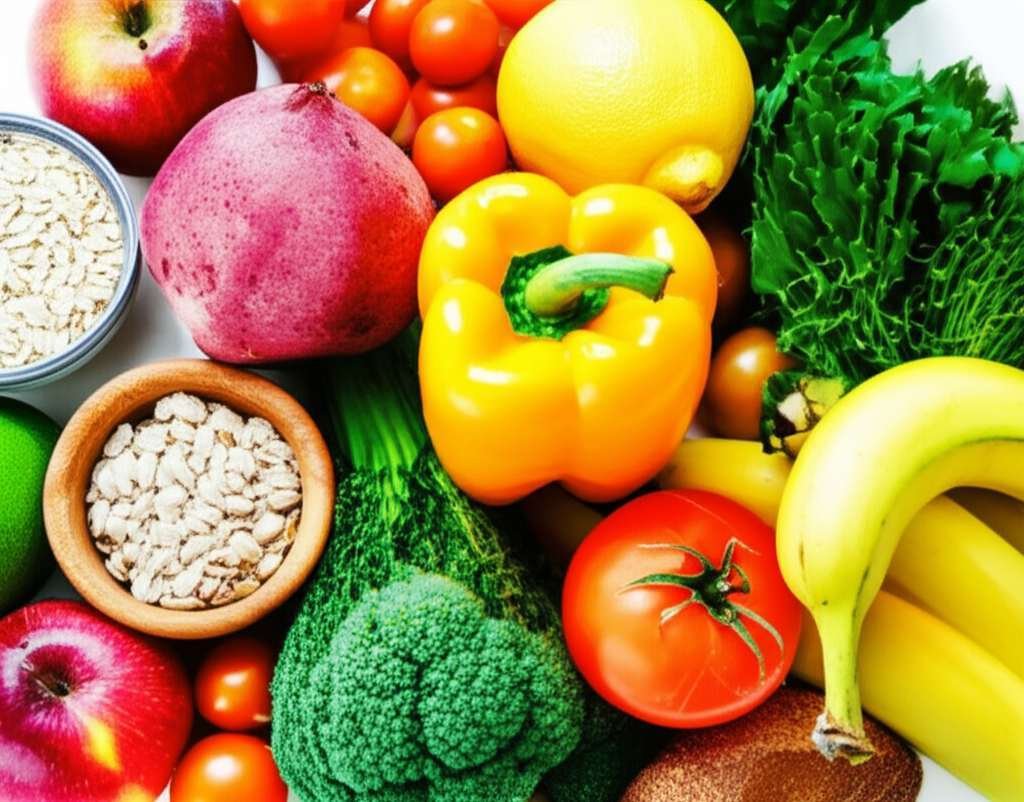
- Fruits: Berries, apples, bananas, oranges, and more. They provide vitamins, antioxidants, and fiber.
- Vegetables: Leafy greens (spinach, kale), broccoli, carrots, sweet potatoes, bell peppers. Packed with vitamins, minerals, and fiber.
- Lean Proteins: Chicken breast, turkey, fish (salmon, tuna), lean beef, eggs, tofu, beans, lentils. Crucial for muscle repair and satiety.
- Whole Grains: Oats, brown rice, quinoa, whole wheat bread. Provide sustained energy and fiber.
- Healthy Fats: Avocados, nuts, seeds, olive oil. Important for hormone function and nutrient absorption.
- Dairy/Dairy Alternatives: Yogurt, milk, fortified plant milks. Source of calcium and protein.
Incorporating a variety of these foods ensures you’re getting a broad spectrum of nutrients to support your body’s processes, including those that manage energy storage.
Foods to Prioritize
When you want to ensure your body has enough energy and isn’t forced to burn fat, focus on these types of foods:
- Lean proteins: Chicken, fish, lean beef, turkey, eggs, Greek yogurt, beans, lentils, tofu. These help build and maintain muscle, which burns more calories at rest.
- Complex carbohydrates: Oats, brown rice, quinoa, whole-wheat pasta, sweet potatoes, fruits. These provide sustained energy release.
- Healthy fats: Avocados, nuts (almonds, walnuts), seeds (chia, flax, sunflower), olive oil, fatty fish (salmon, mackerel). These are essential for hormone production and overall health.
- Plenty of vegetables: Broccoli, spinach, kale, carrots, bell peppers, Brussels sprouts. They offer vitamins, minerals, and fiber without a lot of calories.
These foods will help you feel full and satisfied while providing the necessary building blocks and energy your body needs. For instance, a meal of grilled salmon, quinoa, and roasted asparagus provides high-quality protein, complex carbs, healthy fats, and essential micronutrients, all supporting energy balance.
Foods to Limit or Moderate
To effectively stop burning fat and achieve your desired energy balance, it’s also important to be mindful of foods that are calorie-dense but nutrient-poor. These can easily add up in calories without providing the nutritional benefits your body needs.
These include:
- Sugary drinks: Soda, fruit juices with added sugar, sweetened teas and coffees. They provide “empty calories” with little nutritional value.
- Processed snacks: Chips, cookies, pastries, candy bars. Often high in unhealthy fats, sugar, and sodium.
- Fried foods: French fries, fried chicken, doughnuts. These are high in calories and unhealthy fats.
- Refined grains: White bread, white rice, sugary cereals. They lack the fiber and nutrients of whole grains.
- Excessive saturated and trans fats: Found in fatty cuts of meat, butter, processed baked goods, and some margarines.
While occasional enjoyment of these foods is fine, relying on them too heavily can hinder your progress and provide less nutritional support. For example, a large sugary coffee drink might provide 400 calories but very few vitamins or minerals, making it harder to meet your nutrient needs within your calorie goals.
Step 4: Stay Hydrated
Water is crucial for countless bodily functions, including metabolism, nutrient transport, and regulating body temperature. Staying adequately hydrated can also help manage appetite and support overall energy levels. When you’re well-hydrated, your body functions more efficiently, which can indirectly help with energy balance.
Sometimes, feelings of hunger can actually be a sign of dehydration. Drinking water before meals can help you feel fuller, potentially leading you to eat less. This is especially helpful if you are trying to reach a specific calorie intake without overeating.
How Much Water Do You Need?
The general recommendation is to drink about eight 8-ounce glasses of water per day, which is about 2 liters. However, individual needs can vary based on activity level, climate, and overall health. If you’re active or live in a hot climate, you’ll need more water.
A good way to gauge your hydration is by the color of your urine. If it’s pale yellow, you’re likely well-hydrated. If it’s dark yellow or amber, you should increase your fluid intake.
Tips for Increasing Water Intake
If you struggle to drink enough water, try these simple strategies:
- Carry a reusable water bottle: Keep it with you throughout the day and sip from it regularly.
- Set reminders: Use your phone or a smartwatch to remind you to drink water every hour or so.
- Flavor your water: Add slices of lemon, lime, cucumber, or mint for a refreshing taste without added sugar.
- Eat water-rich foods: Fruits like watermelon, strawberries, and oranges, and vegetables like cucumber and celery, contribute to your daily fluid intake.
- Drink water before meals: This can help with satiety and manage appetite.
Making hydration a habit is a simple yet powerful way to support your body’s energy balance and overall health. The Centers for Disease Control and Prevention (CDC) also emphasizes the importance of water for bodily functions. You can find more information on their website.
Step 5: Manage Your Activity and Exercise
Exercise plays a dual role when it comes to energy balance. While it burns calories, it also builds muscle mass. Muscle tissue is metabolically active, meaning it burns more calories at rest than fat tissue. Therefore, a strategic approach to exercise is important.
If your primary goal is to stop burning fat and maintain or gain weight, you might adjust your exercise routine. This doesn’t mean you should stop exercising altogether, but rather focus on activities that support your new goals.
Strength Training for Muscle Building
Strength training, also known as resistance training, is crucial for building muscle mass. When you lift weights or use resistance bands, you create micro-tears in your muscle fibers. Your body then repairs these tears, making the muscles stronger and larger. This increased muscle mass can boost your resting metabolic rate.
Aim for 2-3 full-body strength training sessions per week. Focus on compound exercises that work multiple muscle groups at once, such as squats, deadlifts, push-ups, rows, and overhead presses. This is more efficient for building overall muscle.
For beginners, starting with bodyweight exercises or light weights and focusing on proper form is key. Resources like the American Council on Exercise (ACE) offer guidance on effective exercises.
Balancing Cardio and Other Activities
While cardio (like running, cycling, swimming) is excellent for cardiovascular health and burning calories, excessive amounts might counteract your goal of stopping fat burning if you’re not eating enough to compensate. If your aim is to maintain or gain weight, you might reduce the duration or frequency of intense cardio sessions.
However, moderate cardio is still beneficial for overall health. Consider activities that you enjoy and that don’t leave you feeling completely depleted. Walking, light jogging, or cycling at a moderate pace can be good options. The key is to find a balance that supports your energy intake and overall goals.
The Role of Rest and Recovery
Your body needs time to recover and rebuild after exercise. Overtraining can lead to fatigue, increased stress hormones, and hinder muscle growth. Ensuring you get enough sleep and allow rest days between intense workouts is vital for progress and preventing your body from entering a state of constant energy deficit.
Aim for 7-9 hours of quality sleep per night. During sleep, your body releases growth hormone and repairs muscle tissue. Rest days allow your muscles to recover and grow stronger, contributing to a higher metabolic rate over time.
Step 6: Listen to Your Body’s Hunger and Fullness Cues
In our pursuit of health goals, we sometimes ignore our body’s natural signals. Learning to listen to your hunger and fullness cues is a powerful skill that can help you maintain a healthy energy balance. This is a core principle of mindful eating.
When you’re trying to stop burning fat, it means you need to eat when you’re hungry and stop when you’re comfortably full. This might seem obvious, but stress, emotional eating, or rigid diet rules can often override these natural signals.
Recognizing True Hunger
True hunger is a physical sensation. It might feel like a gnawing or empty feeling in your stomach, perhaps accompanied by lightheadedness or a drop in energy. It usually builds gradually.
Emotional hunger, on the other hand, often comes on suddenly and is triggered by specific cravings (like sweets or comfort foods). It’s often associated with emotions like boredom, stress, or sadness.
When you feel hungry, pause and ask yourself: “Am I truly physically hungry, or am I feeling something else?” If it’s physical hunger, prepare a balanced meal or snack. If it’s emotional, try to address the underlying emotion first.
Understanding Fullness
Fullness is the feeling of satisfaction after eating. It’s important to distinguish between being “stuffed” and being “comfortably full.” Aim to stop eating when you feel satisfied and no longer hungry, rather than continuing until you feel overly full or uncomfortable.
This takes practice. Try to slow down your eating pace. Put your fork down between bites, chew your food thoroughly, and pay attention to how your body feels as you eat. It takes about 20 minutes for your brain to register that you’re full, so eating slowly can prevent overconsumption.
Mindful Eating Practices
Mindful eating involves paying full attention to the experience of eating. This means engaging all your senses:
- Look: Notice the colors, shapes, and textures of your food.
- Smell: Inhale the aromas of your meal.
- Taste: Savor each bite, noticing the different flavors.
- Feel: Pay attention to the texture of the food in your mouth and how your body feels as you eat.
- Listen: Notice the sounds of chewing or the atmosphere around you.
By practicing mindful eating, you become more attuned to your body’s signals, making it easier to eat the right amount to maintain your energy balance and avoid the constant state of fat burning.
Frequently Asked Questions (FAQ)
Q1: If I eat more, won’t I just gain fat?
Not necessarily. If you increase your calorie intake strategically with nutrient-dense foods and adequate protein, and incorporate strength training, your body is more likely to use the extra energy to build muscle and support bodily functions rather than just storing it as fat. It’s about creating a moderate surplus and supporting your body’s processes.
Q2: How long does it take to stop burning fat?
The timeframe varies greatly depending on your current metabolic state, diet, and activity level. For some, a few days of consistent increased calorie intake and adjusted exercise might be enough to signal a shift. For others, especially those who have been in a prolonged calorie deficit, it might take a few weeks to notice a change in energy levels and body composition.
Q3: Is it okay to eat “junk food” when I’m trying to stop burning fat?
While you need a calorie surplus, focusing on nutrient-dense foods is still the healthiest approach. You can include occasional treats, but relying heavily on “junk food” can lead to poor nutrient intake, energy crashes, and unwanted fat gain without the benefits of muscle building or improved health. Moderation is key.
Q4: I’m underweight and want to gain weight. What should I do?
Focus on gradually increasing your calorie intake above your maintenance level (a calorie surplus). Prioritize protein to support muscle growth and complex carbohydrates for energy. Strength training is crucial to ensure the weight you gain is primarily muscle, not just fat. Consult a healthcare professional or registered dietitian for personalized guidance.
Q5: Can I stop burning fat by just eating more without exercising?
Eating more without exercise will likely lead to weight gain, which could be a mix of muscle and fat. If your goal is to build a healthy body composition, combining increased calorie intake with strength training is far more effective. Exercise helps direct the extra calories towards muscle development, which is metabolically beneficial.
Q6: What if I feel bloated or uncomfortable after increasing my food intake?
This can happen, especially if your digestive system isn’t used to processing larger meals or certain types of foods. Start by slowly increasing your intake and focus on easily digestible foods. Ensure you’re drinking enough water and consider incorporating probiotic-rich foods like yogurt or kefir. If discomfort persists, consult a doctor or dietitian.
Conclusion
Understanding how to manage your body’s energy balance is a key skill for achieving your health and fitness goals. Whether you’re aiming to maintain your current weight, build muscle, or simply ensure your body has enough fuel for optimal function, shifting from a fat-burning state is often necessary. By calculating your maintenance calories, adjusting your intake to a slight surplus, prioritizing nutrient-dense foods, staying hydrated, and strategically managing your exercise, you can effectively guide your body towards storing energy rather than constantly burning it.
Remember, this is a journey, and listening to your body’s hunger and fullness cues is paramount. Be patient with yourself, celebrate small victories, and don’t be afraid to adjust your approach as needed. This guide provides a solid foundation, but your unique body and lifestyle will always provide valuable feedback. Keep experimenting, stay consistent, and trust that you have the power to fuel your body for success.
As an Amazon Associate, We earn from qualifying purchases. When you purchase a product through Amazon links on pulsefitguide.com, we may earn a small commission at no extra cost to you. This helps support the site and keep our content free.