

Kickstarting your weight loss journey can feel overwhelming, but setting a realistic and achievable goal is the key to long-term success. Crafting practical targets keeps you motivated and prevents frustration. The first step is to assess your current habits and set specific, measurable, and time-bound objectives. Focus on gradual progress rather than quick fixes, which are often unsustainable. Remember, a healthy weight loss involves consistent behavior changes, not drastic measures. By understanding your body’s needs and creating a plan tailored to your lifestyle, you’ll be more inclined to stick with it and celebrate small victories along the way. Starting with a clear, manageable goal opens the door to sustainable weight management, making your journey both rewarding and realistic.
Laying out a realistic weight loss goal involves understanding your starting point, setting achievable milestones, and embracing a steady, consistent approach. This helps maintain motivation and fosters healthy habits that last.
Setting a realistic and achievable weight loss goal is essential for maintaining motivation and ensuring lasting success. To start, evaluate your current lifestyle and weight, then establish clear, attainable targets that fit your daily routine. Focus on gradual changes rather than drastic overhauls, which can be discouraging. Break your ultimate goal into smaller milestones, celebrating each achievement along the way. Remember, patience and consistency are key; sustainable weight loss is a marathon, not a sprint. By being honest with yourself and setting practical expectations, you’ll create a healthier mindset and a solid foundation for long-term success.

How to start with a realistic and achievable weight loss goal
Understanding the importance of setting a realistic goal
Setting a weight loss goal that is achievable is key to maintaining motivation and avoiding frustration. When goals are too aggressive or unrealistic, it can lead to disappointment and even giving up. A practical goal helps you stay focused and encourages steady progress. Always remember, slow and steady wins the race when it comes to losing weight healthily.
Assessing your current health status
Before setting any weight loss goal, it’s important to evaluate your current health. Consult a doctor or a health professional for a thorough check-up. They can provide insight into your body mass index, blood pressure, and other health markers. This step ensures your weight loss plan is safe and tailored specifically for your needs.
Setting a Specific and Measurable Goal
A good weight loss goal should be clear and measurable. Instead of saying “I want to lose weight,” state “I want to lose 10 pounds in three months.” This provides a concrete target that you can track. Break down your goal into smaller milestones, such as losing 2 pounds every two weeks, to stay motivated.
Why Specific Goals Matter
Specific goals give you direction and purpose. They help you focus on clear actions rather than vague intentions. This clarity makes it easier to plan your diet and exercise routines effectively.
Using SMART Criteria for Goals
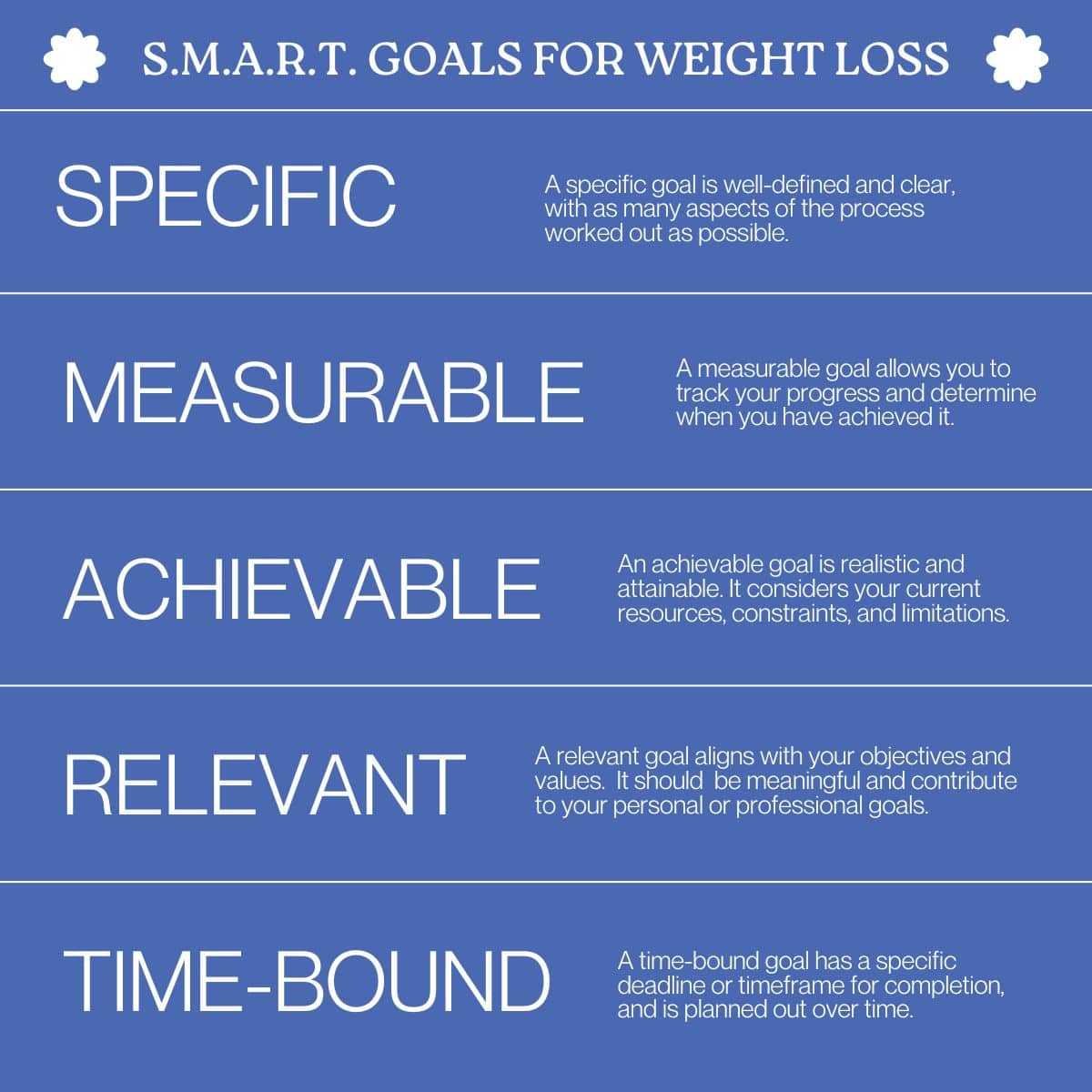
Ensure your goal meets the SMART criteria:
- Specific: Exactly how much weight do you want to lose?
- Measurable: Can you track your progress?
- Achievable: Is your goal realistic given your current situation?
- Relevant: Does it align with your personal health aims?
- Time-bound: When do you want to achieve this goal?
Understanding Caloric Needs and Deficits
Creating a calorie deficit is the foundation of weight loss. It means burning more calories than you consume. Typically, reducing your daily intake by 500 calories leads to about one pound of weight loss per week.
Calculating Your Daily Calorie Needs
Use online calculators or consult with a nutritionist to find your maintenance calories—how many calories you need daily to stay the same weight. Then, plan to eat slightly less than this number.
Balancing Food Intake and Physical Activity
Combine calorie reduction with increased activity. Physical activity raises your calorie burn, making it easier to create a deficit. Even simple actions like walking or stretching can contribute significantly.
Creating a Realistic Timeline
A gradual approach is best for lasting results. Aim for losing between 1 to 2 pounds per week, which is safe and sustainable. Setting a timeline helps you stay committed and prevents rushing into unhealthy habits.
Why Slow Weight Loss Works
Rapid weight loss often leads to muscle loss and nutritional deficiencies. Slow progress allows your body to adapt and helps you develop lifelong habits.
Adjusting Your Timeline as Needed
Be flexible with your schedule. If you hit a plateau or face setbacks, revise your timeline without losing motivation. Remember, consistency is more important than speed.
Involving Support Systems and Tracking Progress
Having support from friends, family, or support groups increases your chances of success. Use tools like food journals, apps, or scales to monitor your progress accurately.
Benefits of Tracking
Regular monitoring helps you identify patterns, stay accountable, and make informed adjustments. It also provides a sense of achievement as you see your progress over time.
Building a Support Network
Share your goals with trusted friends or join a community with similar objectives. Encouragement from others can boost your motivation and help you overcome challenges.
Addressing Common Challenges and Staying Motivated
Expect obstacles along the way, like plateaus or emotional eating. Develop strategies to cope, such as reward systems or mindfulness practices. Recognize your achievements, no matter how small, to stay inspired.
Handling Plateaus
When progress stalls, change up your routine or re-evaluate your calorie intake. Sometimes, a slight adjustment can jumpstart your weight loss again.
Maintaining Motivation
Set mini-goals, celebrate milestones, and remind yourself of your reasons for losing weight. Remember that setbacks are normal; persistence is key.
Incorporating Healthy Habits for Long-Term Success
Focus on sustainable lifestyle changes rather than quick fixes. Develop balanced meal plans, engage in regular exercise, and prioritize sleep. These habits support ongoing health and weight management.
Developing a Balanced Meal Plan
Include a variety of fruits, vegetables, lean proteins, and whole grains. Limit processed foods, sugary drinks, and high-fat snacks. Moderation and variety are crucial.
Choosing Enjoyable Physical Activities
Find activities you enjoy, like dancing, cycling, or swimming. Regular movement should be fun, not a chore, to ensure consistency.
Prioritizing Rest and Stress Management
Adequate sleep and managing stress help regulate hormones that influence hunger and fullness. Practice relaxation techniques or hobbies to keep stress levels in check.
Starting your weight loss journey with a realistic and achievable goal sets the stage for success. Break down your objectives into manageable steps, track your progress, and stay committed to healthy habits. Remember, patience and persistence make all the difference in reaching your goals and maintaining a healthier lifestyle.
The psychological weight loss strategy | Laurie Coots
Frequently Asked Questions
What initial steps can help me set realistic weight loss targets?
Start by assessing your current health status and understanding your body’s needs. Consult with a healthcare professional to establish a safe weight loss range. Use your current weight, lifestyle habits, and daily activity levels to determine a reasonable weekly weight loss goal, typically 1-2 pounds per week. Setting such achievable targets helps keep motivation high and prevents discouragement.
How can I ensure my weight loss goals are specific and measurable?
Define clear criteria for your goals, such as targeting a specific weight or waist measurement within a set timeframe. Break down your main goal into smaller milestones, like losing 5 pounds or fitting into a particular clothing size. Tracking your progress with a journal or app makes it easier to stay focused and see tangible results along the way.
Why is it important to consider my current lifestyle when setting weight loss goals?
Your daily routine, work commitments, and available time influence your ability to stick to a plan. Choose goals that fit realistically into your lifestyle, such as adjusting meal portions or incorporating short workout sessions. Aligning your goals with what you can consistently manage increases the likelihood of long-term success.
How can I prevent setting goals that are too ambitious?
Avoid aiming for rapid weight loss that isn’t sustainable or healthy. Focus on gradual progress by setting incremental targets. For example, rather than losing 30 pounds quickly, aim for a steady 1-2 pounds weekly. This approach reduces frustration and supports the development of healthy habits.
What role does patience play in establishing achievable weight loss goals?
Patience allows you to recognize that meaningful change takes time. Accepting this helps maintain motivation and reduces the temptation to abandon your efforts when results aren’t immediate. Emphasize consistency over perfection, and celebrate small victories along the way.
Final Thoughts
How to start with a realistic and achievable weight loss goal is essential for lasting success. Set specific, manageable targets that fit your lifestyle and preferences. Focus on small, consistent changes rather than drastic shifts. Celebrate progress along the way to stay motivated and keep moving forward effectively.
As an Amazon Associate, We earn from qualifying purchases. When you purchase a product through Amazon links on pulsefitguide.com, we may earn a small commission at no extra cost to you. This helps support the site and keep our content free.