

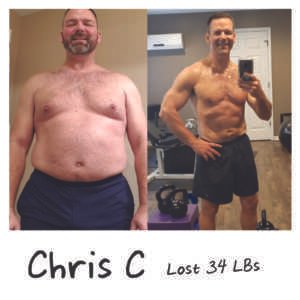
Struggling to shed pounds after hitting 50? Don’t worry — it’s entirely possible with the right approach. The key is to focus on sustainable habits, including balanced eating, regular exercise, and managing stress. Small changes can have a big impact, making weight loss both achievable and enjoyable at this stage of life.
To start losing weight at age 50, men should prioritize a nutritious diet rich in whole foods, incorporate strength training to boost metabolism, and stay consistent with physical activity. Monitoring portions and staying hydrated are also crucial, along with consulting a healthcare professional for personalized guidance.
Turning 50 marks a new chapter where health becomes even more important, but it doesn’t mean giving up on your goals. Embracing a balanced lifestyle can help you lose weight, improve energy, and feel better than ever. Starting with simple, realistic steps makes the journey smoother and more sustainable, setting you up for long-term success.

How to Start Weight Loss at Age 50 for Men
Starting a weight loss journey at age 50 can seem challenging, but it is entirely doable with the right approach. As men age, their bodies change, and so do their needs when it comes to shedding pounds. Understanding these changes and adjusting your habits accordingly can help you reach your weight loss goals effectively.
Understanding the Body Changes After 50
As men age, metabolism naturally slows down, making it easier to gain weight. Muscle mass decreases, and fat tends to accumulate around the abdomen. These changes can affect energy levels and make weight loss more difficult if not addressed properly.
Hormonal shifts, particularly a decrease in testosterone, can also influence fat distribution and muscle maintenance. Recognizing these biological changes helps set realistic expectations and guides you toward suitable strategies.
Setting Realistic Goals
Before starting your weight loss plan, it’s essential to set achievable goals. Focus on gradual weight loss, aiming for about 1 to 2 pounds per week, which is both safe and sustainable.
Keep in mind that improving overall health, increasing energy, and enhancing mobility are equally important than just losing weight. Celebrate small victories along the way to stay motivated.
Assessing Your Current Health Status
Consult your healthcare provider before making significant changes, especially if you have chronic conditions like diabetes, hypertension, or heart disease. A thorough health check helps determine any limitations or precautions to consider.
Getting baseline measurements such as weight, body mass index (BMI), blood pressure, and blood tests can help track progress and adjust your plan as needed.
Creating a Balanced Diet Plan
Focus on Nutrient-Dense Foods
Eating foods rich in nutrients yet lower in calories supports weight loss and overall health. Incorporate plenty of vegetables, fruits, lean proteins, whole grains, and healthy fats into your meals.
Limit processed foods, sugary snacks, and beverages high in added sugars as they contribute to weight gain and energy crashes.
Control Portion Sizes
Portion control plays a crucial role in calorie management. Use smaller plates and bowls, and be mindful of serving sizes to avoid overeating.
Pay attention to hunger and fullness cues to prevent eating out of habit rather than need.
Meal Planning Strategies
- Plan meals ahead to avoid impulsive eating.
- Include a source of protein in every meal to promote satiety.
- Balance carbohydrates with fiber-rich options to stabilize blood sugar levels.
Incorporating Exercise Safely
Starting with Low-Impact Activities
Walking, swimming, and cycling are excellent low-impact exercises suitable for beginners. These activities minimize joint stress and are easy to incorporate into daily routines.
Gradually increase duration and intensity as fitness improves, aiming for at least 150 minutes of moderate activity per week.
Adding Strength Training
Building muscle helps boost metabolism and preserves lean tissue as you lose weight. Include strength training exercises two to three times a week using bodyweight, resistance bands, or light weights.
Focus on major muscle groups, including legs, back, chest, and arms to develop overall strength.
Flexibility and Balance Exercises
Yoga and stretching routines enhance flexibility and prevent injuries. Improved balance can also reduce fall risks, which become more common with age.
Allocate time for these activities a few times weekly to support overall physical health.
Understanding and Managing Metabolism
Metabolism slows with age, but you can boost it through dietary choices and physical activity. Prioritize high-protein foods to support muscle maintenance and increase energy expenditure.
Stay hydrated, as water plays a vital role in metabolic processes and appetite control.
Importance of Sleep and Stress Management
Quality sleep is essential for weight loss, as poor sleep can lead to increased hunger and cravings. Aim for seven to nine hours of restful sleep per night.
Stress can trigger emotional eating, so include relaxation techniques like meditation or deep breathing in your routine to stay on track.
Tracking Progress and Adjusting Your Plan
Use a journal or mobile app to record your food intake, activity, and weight changes. Regular monitoring helps identify what works and what needs adjustment.
Be flexible and patient; weight loss may plateau, but perseverance and small modifications will lead to progress over time.
Seeking Support and Staying Motivated
Join support groups, fitness classes, or find a workout buddy to stay accountable. Sharing your journey can boost motivation and provide encouragement.
Remember that setbacks are normal; focus on consistency rather than perfection, and celebrate every milestone reached.
Additional Tips for Success
- Stay hydrated: Aim for at least eight glasses of water daily.
- Avoid sugary drinks: Replace sodas with water or herbal tea.
- Eat mindfully: Slow down and savor each bite to recognize fullness.
- Plan your meals: Prepare healthy snacks and meals ahead of time.
- Limit alcohol: Alcoholic beverages add extra calories and can impair judgment.
Starting weight loss at age 50 requires understanding your body’s new needs and making consistent, healthy choices. By combining a balanced diet, regular physical activity, and good lifestyle habits, men can achieve their weight loss goals and enjoy improved health and vitality.
7 BEST Weight Loss Tips (For Men Over 50)
Frequently Asked Questions
What are the initial steps men over 50 should take to begin losing weight?
Starting weight loss at age 50 involves assessing your current health and setting realistic goals. Begin by consulting with your healthcare provider to identify any medical conditions or medications that might affect your weight loss plan. Keep a food diary to track your eating habits and increase your physical activity gradually. Focus on incorporating more whole foods, vegetables, and lean proteins into your diet while reducing processed foods and sugary drinks. Establishing a routine and staying consistent are key to making sustainable progress.
How can strength training help men in their 50s lose weight effectively?
Strength training plays a vital role in weight loss for men over 50 because it helps preserve and build muscle mass, which naturally declines with age. Increased muscle mass boosts your resting metabolic rate, meaning your body burns more calories even when at rest. Incorporate resistance exercises like weightlifting, resistance bands, or bodyweight movements two to three times a week. Focus on proper form and gradually increase weights or repetitions to avoid injury. Combining strength training with cardiovascular exercises accelerates fat loss and improves overall body composition.
What dietary changes are most beneficial for men over 50 trying to lose weight?
Men over 50 should prioritize nutrient-dense foods that support health and weight management. Reduce intake of saturated fats, refined sugars, and processed foods. Opt for a diet rich in vegetables, fruits, whole grains, lean meats, and healthy fats like nuts and olive oil. Ensure adequate protein intake to maintain muscle mass and promote satiety, which helps control appetite. Paying attention to portion sizes and avoiding late-night snacking also contribute significantly to weight loss success.
How can managing stress and sleep improve weight loss efforts at age 50?
Managing stress and getting quality sleep directly impact your weight loss journey. High stress levels can lead to increased cortisol production, which may promote fat storage, especially around the abdomen. Practice relaxation techniques like meditation, deep breathing, or gentle yoga to lower stress. Aim for seven to nine hours of restful sleep each night, as poor sleep can disrupt hormones that regulate hunger and fullness, leading to overeating. Establishing a calming bedtime routine and avoiding screens before sleep can enhance sleep quality and support your weight loss goals.
Final Thoughts
Starting weight loss at age 50 for men involves simple, consistent actions. Focus on balanced meals rich in vegetables, lean proteins, and whole grains. Incorporate regular exercise, such as walking or strength training, to boost metabolism. Stay motivated by setting realistic goals and tracking progress.
By making these small adjustments, you can see lasting results. Keep a positive mindset and remain patient through the journey. Remember, beginning with manageable steps is key to success at any age.
As an Amazon Associate, We earn from qualifying purchases. When you purchase a product through Amazon links on pulsefitguide.com, we may earn a small commission at no extra cost to you. This helps support the site and keep our content free.