

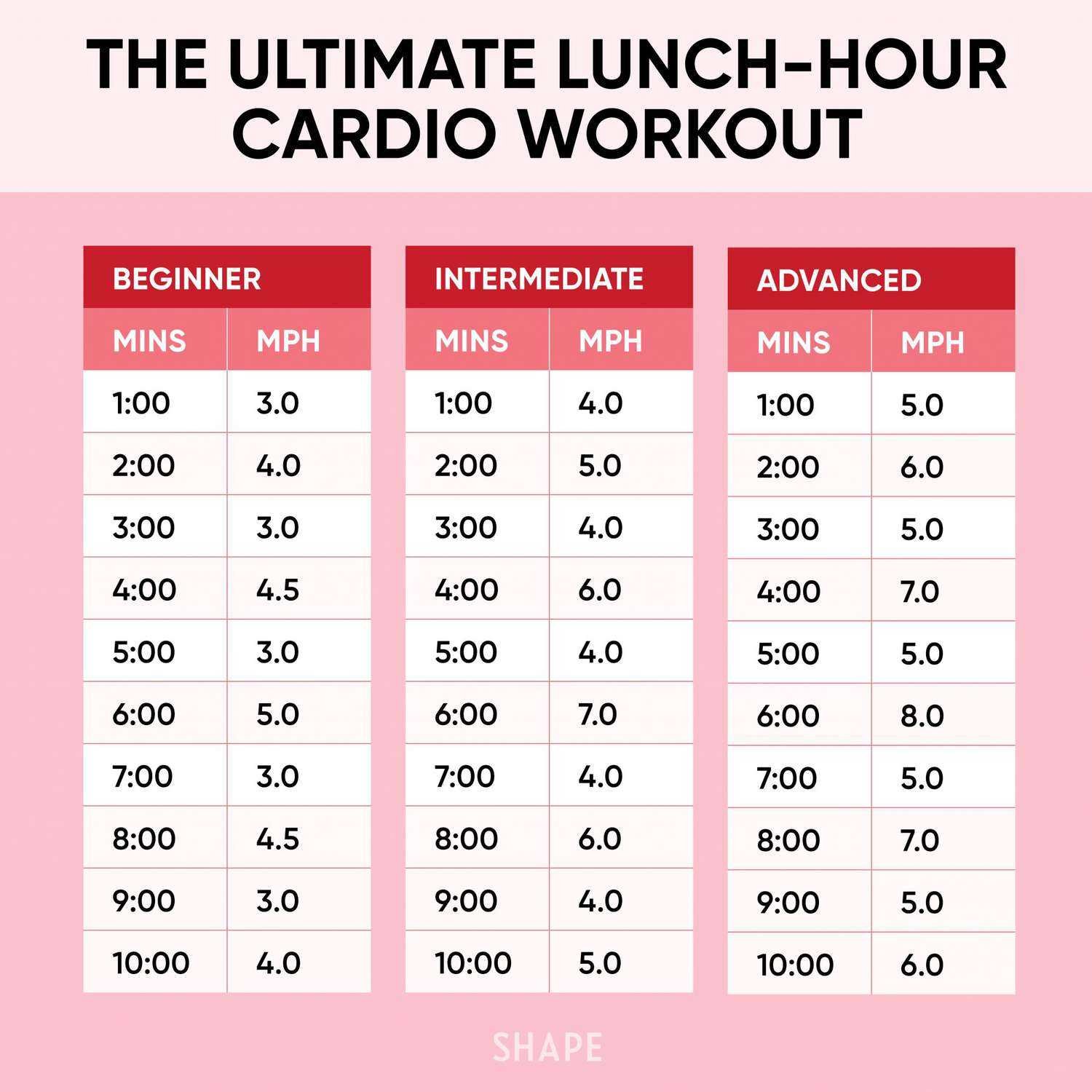
Ready to kickstart your cardio journey but feeling out of shape? The key is to start slow, focus on consistency, and choose activities you enjoy. Gradually increasing your activity levels helps build stamina without overwhelming your body, making the process enjoyable rather than daunting.
If you’re out of shape and looking to begin cardio, begin with low-impact exercises like walking or gentle cycling, and aim for short sessions to prevent burnout. Consistency is more important than intensity at the start — just moving regularly will set you on the right path. Focus on enjoying the process, listen to your body, and celebrate small victories along the way to stay motivated.
Getting started with cardio when you’re out of shape can seem intimidating, but with the right approach, it’s completely doable. Jump in with simple activities, set realistic goals, and slowly increase your activity levels over time. Remember, the key is to keep moving at your own pace, making exercise an enjoyable part of your daily routine. This not only improves your fitness but also boosts your confidence and overall well-being.

How to Start Cardio When Out of Shape: A Complete Guide
Understanding Why Cardio Matters
Cardio exercises help improve your heart health, boost energy, and aid in weight management. Even if you’re out of shape, starting small can lead to big health benefits. Regular cardio can make daily activities easier and increase your overall well-being.
Assessing Your Current Fitness Level
Before beginning, it is essential to know where you stand. Start by noting how much physical activity you do daily and how your body feels during movement. This self-assessment helps set realistic goals and creates a safe workout plan.
Simple Fitness Tests to Try
- Walking Pace: Walk at a comfortable speed for 5 minutes and note if you can talk easily.
- Step Test: Step onto a low stool or step for 2 minutes and see how you feel afterward.
- Resting Heart Rate: Count your pulse for 15 seconds after resting for a few minutes.
These tests give a snapshot of your current health and highlight areas to focus on.
Setting Achievable Goals for Starting Cardio
Begin with small, realistic targets to avoid feeling overwhelmed. For instance, aim to walk for 10 minutes three times a week. Over time, gradually increase duration and intensity as your stamina improves.
Using SMART Goals
Set goals that are Specific, Measurable, Achievable, Relevant, and Time-bound. For example, “Walk for 15 minutes every morning for the next two weeks.” This clarity keeps you motivated and on track.
Choosing the Right Cardio Activities
Picking activities that suit your fitness level is key to staying consistent. Walking, swimming, cycling, and gentle aerobics are excellent options for beginners.
Walking — Your Easy Starting Point
Walking requires no equipment, is gentle on joints, and can be done anywhere. Start with short distances and increase gradually.
Low-Impact Alternatives
Swimming and cycling are gentle on your joints and great for building endurance. These activities help you avoid injury and stay motivated.
Creating a-Friendly Workout Routine
Design a routine that fits your schedule and fitness level. Keep sessions brief initially, around 10 to 15 minutes, and increase as you build stamina.
Sample Weekly Plan for Beginners
- Monday — 10-minute walk outdoors or on a treadmill
- Wednesday — 10-minute bike ride or stationary cycling
- Friday — 10-minute swimming laps or water aerobics
Adjust the plan based on how your body responds.
Progressing Safely and Effectively
As your fitness improves, gradually increase exercise duration and intensity. Follow the 10% rule: don’t raise your workout load more than 10% each week to prevent injury.
Listening to Your Body
Stop exercising if you experience sharp pain, dizziness, or excessive fatigue. Rest and recover before trying again.
Incorporating Rest Days
Rest days are vital for recovery, especially when starting out. Include at least one or two rest days per week to allow your muscles to repair and grow stronger.
Staying Motivated and Overcoming Challenges
Consistency is the key to progress. Find ways to keep motivated, like listening to music, exercising with friends, or tracking your achievements.
Tracking Your Progress
Use a journal or fitness app to log your workouts. Seeing progress keeps you encouraged and helps identify what works best.
Dealing with Plateaus and Setbacks
If progress stalls, revisit your goals, vary your activities, or adjust the intensity. Be kind to yourself and focus on the effort, not just results.
Additional Tips for Success
- Wear proper shoes to avoid injury.
- Stay hydrated before, during, and after workouts.
- Eat nourishing foods to support energy levels.
- Find fun activities that motivate you to stay active.
Remember, patience and consistency lead to lasting change.
Related Topics to Explore
- How to Stay Motivated When Starting Exercise
- Best Low-Impact Cardio Workouts for Beginners
- Easy Meal Ideas to Support Your Cardio Routine
- Tips for Improving Endurance Safely
Adding variety and keeping your routine enjoyable will make it more sustainable.
Starting cardio when you’re out of shape may seem daunting at first. However, with patience, realistic goals, and a plan tailored to your needs, you can gradually build endurance and enjoy the health benefits. Remember that every small step counts and leads to a healthier, more active lifestyle.
How To Do Cardio (Without Losing Muscle)
Frequently Asked Questions
What are some simple ways to incorporate cardio into my daily routine if I’m out of shape?
Start with short walks around your neighborhood or in a park. Aim for a pace that slightly raises your heart rate but still allows you to hold a conversation. Gradually increase the duration and intensity as your endurance improves. Mixing in light activities like cycling or swimming can also make your routine more engaging and less taxing on your body.
How can I prevent injury when beginning cardio exercise with little fitness experience?
Focus on proper warm-up and cool-down routines to prepare your muscles and prevent strain. Choose low-impact activities, such as walking or stationary cycling, to reduce stress on your joints. Pay attention to your body signals; if you feel pain or excessive fatigue, slow down or take breaks. Building strength and flexibility through stretching and light strength training can also support your cardio efforts.
How often should I perform cardio workouts when starting out to see progress without overdoing it?
Begin with 3 to 4 sessions per week, each lasting about 15 to 20 minutes. Consistency matters more than intensity at this stage. As your stamina grows, gradually increase the duration to 30 minutes or more and add intensity or variety to keep challenging your body. Rest days are important to allow recovery and prevent burnout.
What types of equipment or activities are best for someone new to cardio and feeling out of shape?
Walking, brisk walking, or gentle cycling on a stationary bike are excellent options for beginners. Swimming or water aerobics provide low-impact alternatives that reduce joint stress. Using a treadmill or elliptical trainer at a comfortable pace can also help you build endurance gradually. Choose activities you enjoy, which can help you stay motivated over time.
How can I stay motivated to continue exercising when starting from a low fitness level?
Set small, achievable goals to track your progress and celebrate your successes. Find a workout buddy or join group classes to add social motivation. Keep a journal of your activities to see how far you’ve come. Remember to choose activities you enjoy, and vary your routine to avoid boredom. Focus on how exercise makes you feel, such as increased energy and better mood, to stay committed.
Final Thoughts
To start cardio when out of shape, begin with gentle activities like walking or slow cycling. Focus on consistency rather than intensity, gradually increasing duration over time. Setting small, achievable goals keeps motivation high and prevents injury. Remember, patience and persistence are key to building endurance.
As an Amazon Associate, We earn from qualifying purchases. When you purchase a product through Amazon links on pulsefitguide.com, we may earn a small commission at no extra cost to you. This helps support the site and keep our content free.