

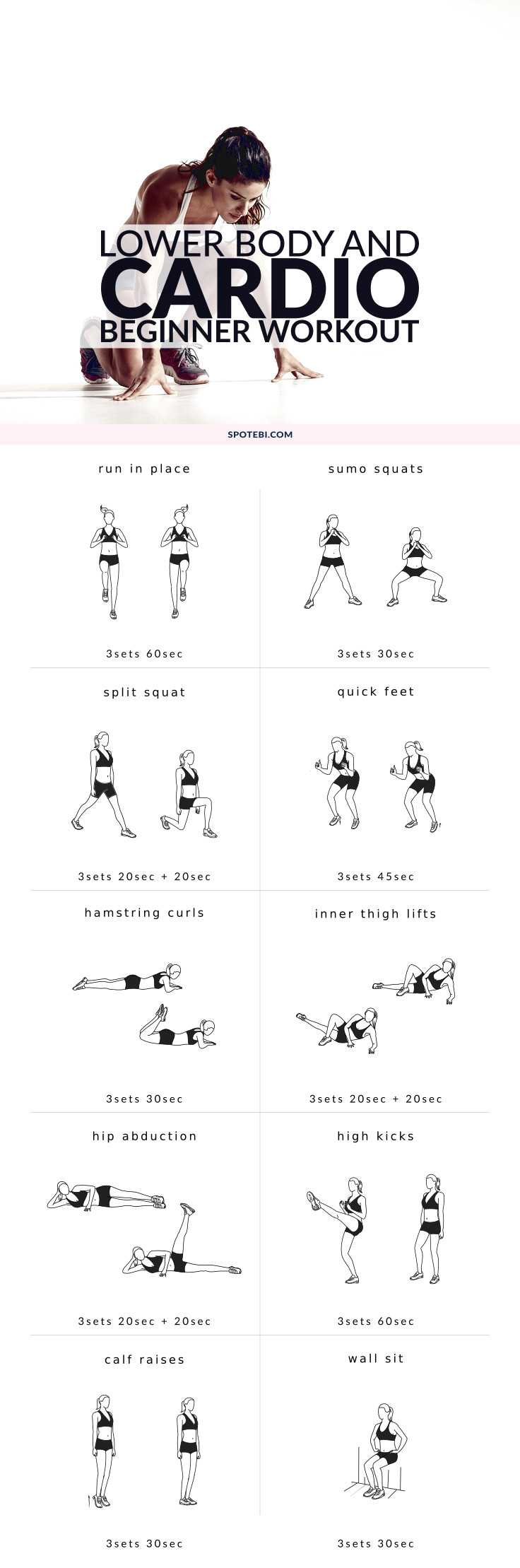
Jumpstart your fitness journey with simple steps to incorporate cardio into your routine today! The key is to choose activities you enjoy and gradually build up intensity. Starting slow and staying consistent will help you stay motivated and see results faster. Remember, even a few minutes of brisk walking or cycling can make a big difference in your health.
To begin cardio effectively, pick an activity you like, start with short sessions, and slowly increase the duration and intensity over time. Consistency is more important than intensity at the start, so make it a habit and enjoy the process.
Getting started with cardio doesn’t have to be overwhelming. The best way is to find a fun activity, set small achievable goals, and gradually integrate it into your daily routine. Whether it’s dancing, swimming, or jogging, the key is to keep moving and stay committed. You’ll soon notice improved stamina, mood, and overall health as you make cardio a regular part of your life.

How to Start Cardio: A Complete Guide for Beginners
Understanding the Basics of Cardio
Starting cardio might seem overwhelming at first, but understanding what it is makes the process easier. Cardio, short for cardiovascular exercise, helps your heart, lungs, and blood vessels stay healthy. It also boosts your energy and can help you manage your weight.
Effective cardio activities include walking, jogging, cycling, swimming, and dancing. These exercises increase your heart rate, which is key to gaining health benefits. When you begin, it’s important to know your current fitness level and set simple goals to stay motivated.
Benefits of Starting Cardio
Engaging in regular cardio exercise offers many advantages. It helps **improve your heart health** by strengthening your heart muscle. Cardio also increases your lung capacity, making breathing easier over time.
Other benefits include **weight management**, **better mood**, and **more energy** throughout your day. Consistent cardio sessions can even boost your immune system and improve sleep quality. These benefits make starting cardio a smart choice for long-term health.
Setting Realistic Goals for Your Cardio Journey
It’s important to set goals that match your current fitness level. Begin with small, achievable targets like walking for 10 minutes daily. As you progress, aim to increase the duration and intensity gradually.
Use the SMART goal method—Specific, Measurable, Achievable, Relevant, and Time-bound—to stay focused. For example, “Walk for 15 minutes, three times a week, in the next two weeks” is a clear goal. This approach helps prevent frustration and keeps you motivated.
Choosing the Right Cardio Activities
Picking activities that you enjoy makes sticking to your routine easier. If you like the outdoors, try walking, jogging, or cycling outside. For indoor options, dancing, jumping rope, or treadmill workouts work well.
Consider your fitness level and any health concerns when selecting activities. Low-impact options like swimming or elliptical training are gentle on your joints. Find activities that fit your interests and schedule for better consistency.
Starting Slowly: The Key to Success
When beginning, it’s best to start slow to avoid injury and burnout. If you’re new to exercise, try doing light activities two to three times a week. Keep sessions short—around 10 to 15 minutes—and gradually increase over time.
Listen to your body and rest if you feel pain or fatigue. Starting slowly helps your body adapt and builds a sustainable habit. Remember, consistency matters more than intensity at the start.
Creating a Cardio Routine
Consistency is crucial when learning how to start cardio. Establish a routine by selecting specific days and times for your workout. Keep it simple with a walk around your neighborhood or a beginner’s dance class.
Track your progress using a journal or fitness app. Recording your activities helps you stay accountable and see improvements over time. As your fitness improves, you can add longer or more intense sessions.
How to Warm Up and Cool Down
Warming up prepares your body for exercise and reduces injury risk. Spend 5 to 10 minutes doing light activity like walking or gentle stretching before starting your cardio.
Cooling down is equally important to bring your heart rate back to normal gradually. Avoid stopping abruptly; instead, walk slowly for a few minutes and do stretching exercises. Proper warm-up and cool-down routines enhance your comfort and safety.
Monitoring Your Heart Rate
Keeping track of your heart rate helps you exercise at the right intensity. Use a fitness tracker or manually measure your pulse. Aim for your target heart rate zone, which is typically 50 to 85 percent of your maximum heart rate.
To estimate your maximum heart rate, subtract your age from 220. For example, a 30-year-old’s max heart rate is approximately 190 beats per minute. Exercising within this range ensures you get the benefits without overexerting yourself.
Understanding Intensity Levels
There are three main intensity levels in cardio workout: low, moderate, and high. Beginners should start with low to moderate intensity, where talking is still easy.
As fitness improves, you can incorporate higher intensity segments, like speed walking or running. The key is to challenge yourself enough to raise your heart rate but not so much that you feel exhausted. Use the talk test and heart rate data to gauge your effort accurately.
Progressing Safely in Your Cardio Routine
Gradually increase the duration, frequency, and intensity of your workouts over weeks. For example, add five minutes to your sessions every week or switch to a more vigorous activity.
Avoid sudden jumps in effort to prevent injury. Remember to listen to your body and adjust your routine accordingly. Patience and consistency are essential to making lasting progress.
Incorporating Cross-Training
Mixing different cardio activities can prevent boredom and reduce injury risk. For instance, alternate between walking, cycling, and swimming each week. Cross-training also targets different muscles and keeps your routine fresh.
Schedule your workouts on different days to allow recovery. This variety helps you stay motivated and enhances overall fitness levels faster.
Importance of Rest and Recovery
Your body needs time to recover after cardio sessions. Rest days help your muscles repair and prevent overtraining. Incorporate at least one or two rest days each week, especially if you increase activity intensity.
Pay attention to signs of overexertion, like persistent soreness or fatigue. Proper recovery ensures you maintain a consistent routine and avoid burnout.
Nutrition and Hydration Tips for Cardio Starters
Fuel your body with balanced meals rich in carbohydrates, proteins, and healthy fats. Eat a light snack like a banana or yogurt about 30 minutes before exercising.
Stay hydrated by drinking water before, during, and after workouts. Proper nutrition and hydration support your energy levels and recovery, making your cardio efforts more effective.
Building Motivation and Staying Consistent
Find ways to stay motivated, such as listening to your favorite music or exercising with a friend. Set small goals and celebrate progress to keep your spirits high.
Remember, enjoying your workouts increases the likelihood of sticking with them long-term. Tracking milestones and rewarding yourself for achievements can boost your motivation even more.
Overcoming Common Challenges
Many beginners face obstacles like lack of time, low energy, or boredom. To overcome these, schedule workouts at convenient times and keep routines short yet effective.
Mix activities to stay interested and find ways to incorporate movement into your daily life. Small steps can lead to big changes over time.
Final Tips for Starting Cardio Successfully
Stay positive and patient with your progress. Focus on how you feel after each workout, not just performance. Remember, every step forward is a move toward better health.
Be flexible with your plan and adjust as needed. Consistency, enjoyment, and gradual improvements are the best ways to start and maintain a cardio routine for life.
10 Cardio Exercises At Home
Frequently Asked Questions
What are initial steps to incorporate cardio into my routine?
Start by setting clear, achievable goals to stay motivated. Choose activities you enjoy, such as walking, cycling, or swimming, and begin with short sessions lasting 10-15 minutes. Gradually increase the duration and intensity over time to build endurance without risking injury. Consistency is key, so aim to perform cardio exercises at least three times a week.
How can I determine the right intensity level for starting cardio?
Use your perceived exertion as a guide—aim for a pace where you can talk comfortably but are breathing harder than normal. If you are using a heart rate monitor, keep your heart rate within 50-60% of your maximum heart rate for safe, effective exercise. Adjust the intensity based on your fitness level, and avoid pushing too hard in the beginning.
What equipment or gear do I need to begin cardio workouts?
Start with comfortable clothing suitable for the activity you choose. For walking or running, invest in supportive shoes that fit well. If you prefer cycling, ensure your bike is properly adjusted. For indoor workouts, a good mat, fans, or a treadmill can help, but you can also begin with bodyweight exercises like jumping jacks or high knees without any equipment.
How can I stay motivated when starting a new cardio routine?
Set small, specific targets to monitor your progress and celebrate your achievements. Find a workout buddy or join a group class to keep accountable. Mix different activities to prevent boredom, and listen to energizing music while exercising. Tracking your improvements can also boost your confidence and keep you motivated to continue.
What common mistakes should I avoid when beginning cardio exercises?
Avoid starting too intensely or for too long, which can lead to fatigue or injury. Don’t ignore proper warm-up and cool-down periods, as they help prevent muscle strains. Ensure you stay hydrated and wear suitable footwear. Lastly, listen to your body and rest if you feel pain or excessive discomfort to prevent overtraining.
Final Thoughts
To start cardio, set clear goals that motivate you. Begin with simple activities like walking or cycling to ease into the routine. Gradually increase your workout duration and intensity to build stamina. Tracking your progress helps you stay committed and see improvement.
Finding enjoyable exercises makes it easier to stay consistent and avoid burnout. Remember, the key is to start small and be patient with your progress.
In summary, how to start cardio involves planning, consistency, and enjoyment. Keep it simple, focus on your goals, and stay motivated for long-term success.
As an Amazon Associate, We earn from qualifying purchases. When you purchase a product through Amazon links on pulsefitguide.com, we may earn a small commission at no extra cost to you. This helps support the site and keep our content free.