

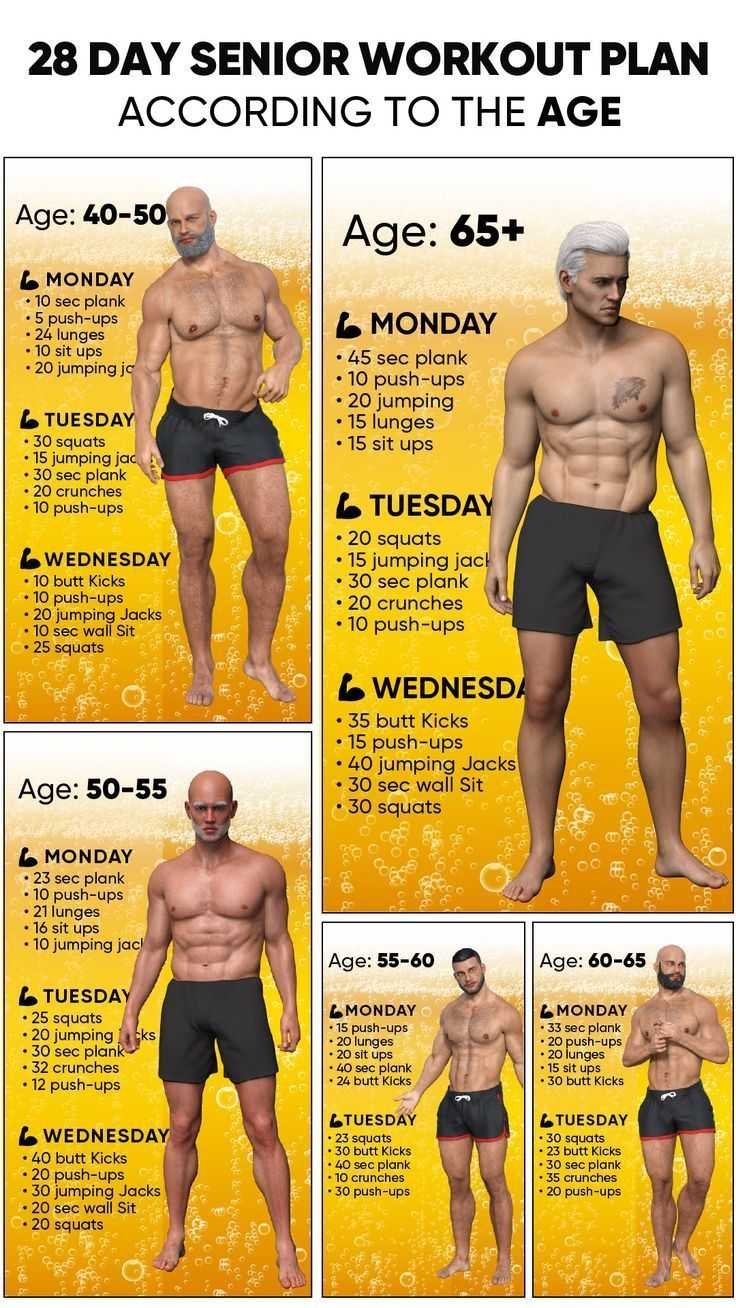
Starting a workout plan in your 50s might feel daunting, but it’s a fantastic way to boost energy, improve mobility, and stay healthy. The key is to begin with gentle, manageable exercises that focus on strength, flexibility, and cardiovascular health, gradually increasing intensity. Making consistent, mindful choices and listening to your body will help you build confidence and set a sustainable routine.
A simple, effective approach for men in their 50s is to incorporate low-impact cardio like walking or swimming, combined with strength training using body weight or light weights, and stretching exercises. Prioritizing gradual progress and proper technique ensures safety and long-term success.
If you’re in your 50s and ready to embrace a fitness journey, start slow with manageable workouts that target overall health without overwhelming your body. Focus on consistency, listen to your body’s signals, and gradually increase your activity levels to enjoy the many benefits of staying active at this stage of life.

How to Start a Beginner Workout Plan for Men in Their 50s
Starting a workout routine in your 50s can seem challenging, but with the right approach, it becomes a rewarding experience. It’s important to focus on gentle progress and prioritizing safety while building strength and stamina. This section will guide you through creating an effective beginner workout plan tailored for men in their 50s.
Understanding Your Body’s Needs in Your 50s
As men age, their bodies undergo changes that influence exercise choices. Muscle mass may decrease, bones may become more fragile, and joint flexibility might reduce. Recognizing these changes helps you choose appropriate activities that promote health without risking injury.
It is vital to focus on improving **muscle strength**, **cardiovascular health**, **flexibility**, and **balance**. Addressing these aspects supports overall well-being and can prevent age-related health issues. Consulting with a healthcare professional before starting any new exercise program is strongly recommended.
Setting Realistic Fitness Goals for Men in Their 50s
Begin by establishing clear, achievable objectives. Do you want to improve energy levels, lose weight, or increase mobility? Setting specific goals provides motivation and helps track progress.
Create small milestones, such as walking for 10 minutes daily or doing light stretches three times a week. Remember, consistency matters more than intensity in the early stages. Celebrate your achievements to stay motivated.
Designing a Balanced Workout Routine
A well-rounded plan should include:
- Cardiovascular exercises for heart health
- Strength training to maintain muscle mass
- Flexibility exercises to enhance mobility
- Balance exercises to prevent falls
Incorporate these elements into your weekly schedule, ensuring adequate rest days. This diversity promotes overall health and keeps workouts engaging.
Picking Suitable Cardio Activities
Low-impact options are ideal for beginners over 50. Examples include walking, cycling, swimming, or using an elliptical machine. Aim for at least 150 minutes of moderate-intensity cardio weekly, divided into manageable sessions.
Start with 10 to 15-minute walks, gradually increasing duration as endurance improves. Always wear supportive footwear and stay hydrated during your workouts.
Tips for Safe Cardio Exercise
- Warm up for 5 minutes with gentle movements
- Maintain an easy-to-converse pace during activity
- Listen to your body and avoid overexertion
- Cool down with stretching to reduce soreness
Monitor your heart rate to ensure you stay within a safe zone, typically 50-70% of your maximum heart rate.
Introduction to Strength Training
Building strength through resistance exercises is crucial for maintaining functional independence. Use bodyweight exercises, resistance bands, or light weights to start.
Begin with 2 sessions per week, focusing on major muscle groups like legs, back, chest, shoulders, and arms. Keep repetitions to 8-12 per set, emphasizing proper form over heavier weights.
Sample Beginner Strength Routine
| Exercise | Repetitions | Sets |
|---|---|---|
| Sit-to-stand (from a chair) | 8-12 | 2 |
| Wall push-ups | 8-12 | 2 |
| Resistance band rows | 8-12 | 2 |
| Standing calf raises | 8-12 | 2 |
| Leg lifts (lying down) | 8-12 | 2 |
Prioritize proper technique to prevent injury and maximize benefits.
Enhancing Flexibility and Balance
Flexibility exercises help maintain joint health, while balance exercises reduce fall risk. Incorporate daily stretching routines and specific balance activities like standing on one leg or heel-to-toe walking.
Yoga and tai chi are excellent options, combining flexibility, strength, and balance in gentle, controlled movements. Even a few minutes daily can make a significant difference.
Sample Flexibility Routine
- Neck stretches
- Shoulder rolls
- Hamstring stretches
- Quadriceps stretches
- Calf stretches
- Lower back twists
Hold each stretch for 15-30 seconds and repeat as needed.
Progression and Adjustments Over Time
As your fitness level improves, gradually increase workout duration and intensity. Add more repetitions, sets, or resistance to challenge your muscles safely.
Listen to your body and modify exercises if you experience discomfort or pain. Periodic assessments can help modify your plan effectively, ensuring continuous progress without injury.
Prioritizing Recovery and Rest
Adequate rest allows muscles to recover and prevents burnout. Schedule rest days between strength training sessions and avoid overtraining.
Sleep quality supports recovery, so aim for 7-8 hours nightly. Incorporate gentle activities like walking or stretching on rest days to stay active without overexerting.
Staying Motivated and Consistent
Find activities you enjoy to make exercise more engaging. Partner with a friend or join a local fitness class tailored for older adults. Track your progress with journals or apps to stay motivated.
Set small, attainable goals regularly, and reward yourself for achievements. Remember, consistency beats intensity in creating lasting habits.
Additional Tips for Success
- Wear comfortable, supportive footwear during all activities
- Stay hydrated before, during, and after workouts
- Maintain a balanced diet rich in fruits, vegetables, lean proteins, and whole grains
- Check with your healthcare provider before starting new exercises or if you have existing health conditions
- Start slow and build gradually to respect your body’s limits
Implementing these strategies helps ensure your fitness journey is safe, enjoyable, and effective. Each small step builds toward a healthier, more active lifestyle well into your 50s and beyond.
How To Start Working Out As A Complete Beginner AFTER 50!
Frequently Asked Questions
What are the initial steps to take before starting a workout routine in your 50s?
Before beginning a workout plan, schedule a check-up with your healthcare provider to ensure you’re ready for physical activity. Set clear, realistic goals that match your current fitness level and choose activities that you enjoy. Start with low-impact exercises and gradually increase the intensity to prevent injuries. Keep a journal to track your progress and note any discomfort or health concerns along the way.
How can I ensure my workout plan aligns with my health conditions?
Consult your doctor to discuss your existing health issues, such as arthritis or heart concerns. Based on their advice, adapt your workout routine to accommodate these conditions. Incorporate exercises that promote flexibility and gentle strength training. Listening to your body is crucial; if you experience pain or fatigue, scale back and seek professional guidance when needed.
What types of exercises should I focus on as a beginner in my 50s?
Focus on a balanced mix of cardiovascular activities, strength training, and flexibility exercises. Walking, swimming, or cycling serve as excellent cardiovascular options. Incorporate resistance exercises with light weights or resistance bands to build muscle. Include stretching or yoga to improve flexibility and reduce stiffness. Starting with simple routines helps build confidence and consistency.
How often should I schedule workouts to see steady progress?
Aim for at least 3 to 4 sessions per week, allowing enough time for your muscles to recover. Each session can last between 30 to 45 minutes, depending on your comfort level. Consistency matters more than intensity, so focus on establishing a routine that fits your schedule and motivates you to stay active regularly.
What safety precautions should I keep in mind during my workouts?
Always warm up before exercising and cool down afterward to prevent strains. Use proper form and start with lighter weights or lower intensities. Stay hydrated and avoid overexertion, especially in hot or humid conditions. Pay attention to your body’s signals; if you experience pain or dizziness, stop immediately and consult a healthcare professional. Wearing appropriate gear also helps prevent injuries.
Final Thoughts
Starting a beginner workout plan for men in their 50s requires setting clear goals and consulting with a healthcare professional. Focus on low-impact activities like walking or swimming to build endurance safely. Incorporate strength training twice a week to maintain muscle mass and support joint health. Consistency is key; keep workouts enjoyable and gradually increase intensity to reduce injury risk. Approaching fitness with patience, men in their 50s can enjoy better health and mobility by following these simple steps.
As an Amazon Associate, We earn from qualifying purchases. When you purchase a product through Amazon links on pulsefitguide.com, we may earn a small commission at no extra cost to you. This helps support the site and keep our content free.