

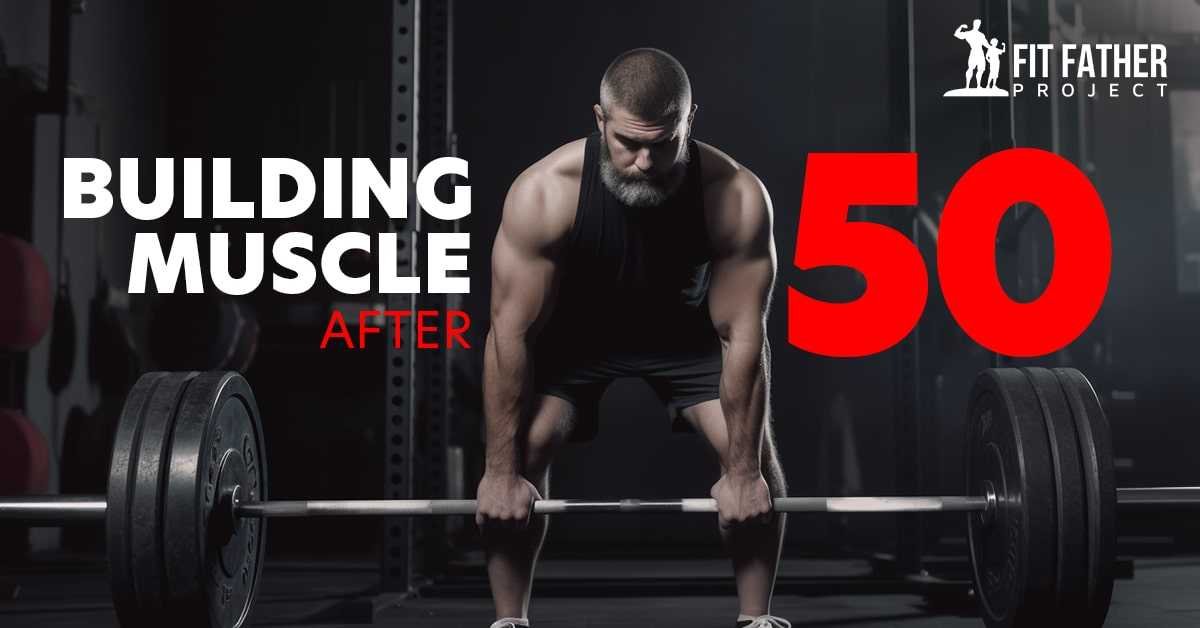
Setting achievable fitness goals after 50 is key to maintaining health and vitality without risking burnout or injury. Focus on gradual progress, realistic expectations, and consistency to create a sustainable fitness routine. Tailoring your goals to your current health status and personal interests ensures motivation and long-term success.
To set realistic fitness goals for men over 50, assess your current health, start with small, attainable targets, and prioritize consistency over intensity. Incorporate activities you enjoy and allow flexibility as your body adapts, making exercise a rewarding part of your lifestyle.
Staying active after 50 is essential for overall well-being, but setting the right goals is crucial to avoid frustration and injury. The key is to craft objectives that are both challenging and achievable, emphasizing health improvements rather than perfection. By understanding your body’s limits and focusing on sustainable progress, you can enjoy the benefits of fitness well into your later years. Remember, it’s about quality over quantity, and patience will lead to lasting results.

How to Set Realistic Fitness Goals for Men Over 50
Understanding the Importance of Realistic Goals
Setting fitness goals that are practical and achievable is vital for men over 50. Realistic goals help maintain motivation and prevent frustration. They also reduce the risk of injury and promote long-term consistency.
Assessing Your Current Fitness Level
Before starting, evaluate your physical condition honestly. Consider consulting a healthcare professional for a complete check-up. Take note of your strengths and areas needing improvement.
Factors to Consider in Your Assessment
- Cardiovascular health
- Flexibility and mobility
- Muscle strength
- Balance and coordination
- Weight and body composition
Setting Clear and Specific Goals
Define what you want to achieve with your fitness plan. Use the SMART principle—goals should be Specific, Measurable, Achievable, Relevant, and Time-bound. For example, losing 10 pounds in three months or walking 30 minutes daily.
Examples of Realistic Goals for Men Over 50
- Increase walking duration from 15 to 30 minutes daily within one month
- Improve flexibility by stretching for 10 minutes each morning
- Build strength by doing resistance exercises twice a week
- Lower blood pressure through regular cardiovascular activity and diet adjustments
Incorporating Age-Appropriate Exercise Types
Choose exercises that match your current fitness level and consider age-specific needs. Focus on low-impact activities that minimize joint stress while promoting health.
Best Exercise Options for Men Over 50
- Walking or brisk walking
- Swimming and water aerobics
- Strength training with light weights or resistance bands
- Yoga and stretching for flexibility
- Stationary cycling
Progression and Adjustment of Goals
Start slow and gradually increase the intensity and duration of your workouts. Regularly review your progress and adjust your goals to stay motivated while preventing injury.
Signs That You Should Adjust Your Goals
- Consistently missing workouts
- Persistent fatigue or soreness
- Plateau in progress despite effort
- Changes in health status or medical advice
Creating a Realistic Workout Schedule
Balance is key—plan for exercise sessions that fit your lifestyle and recovery needs. Aim for consistency rather than intensity to build sustainable habits.
Sample Weekly Exercise Plan
| Day | Activity | Duration |
|---|---|---|
| Monday | Walking | 30 minutes |
| Tuesday | Strength training | 20 minutes |
| Wednesday | Stretching or yoga | 15 minutes |
| Thursday | Swimming or water aerobics | 30 minutes |
| Friday | Light resistance exercises | 20 minutes |
| Saturday | Leisure activity like cycling or hiking | 45 minutes |
| Sunday | Rest or gentle stretching | 10 minutes |
Nutrition and Lifestyle Considerations
Optimal fitness also depends on your diet and daily habits. Focus on nutritious foods, proper hydration, and sufficient sleep to support your goals.
Healthy Eating Tips for Men Over 50
- Increase intake of fruits, vegetables, and whole grains
- Limit saturated fats, sugar, and processed foods
- Include lean proteins like fish, poultry, and legumes
- Monitor portion sizes and avoid overeating
Lifestyle Habits to Support Fitness
- Keeps stress levels in check through relaxation techniques
- Ensures 7 to 8 hours of quality sleep each night
- Avoids smoking and excessive alcohol consumption
- Stays hydrated by drinking plenty of water
Monitoring Your Progress and Celebrating Success
Keep track of your workouts and milestones to stay motivated. Use a journal or mobile app to record your activities, progress, and how you feel.
Tips for Staying on Track
- Set mini-goals to reach each month
- Reward yourself with non-food treats for achievements
- Share your goals with friends or family for accountability
- Adjust goals as needed based on progress and health status
Overcoming Common Challenges
Be prepared for obstacles like time constraints, injuries, or lack of motivation. Develop strategies such as quick workouts, proper rest, and seeking support from fitness groups or professionals.
Dealing with Time Constraints
Break workouts into shorter sessions if needed. Even 10-minute bursts can be effective for maintaining activity levels.
Preventing and Managing Injuries
Focus on proper technique, warm-up, and cool-down routines. Consult a trainer or physical therapist for personalized advice.
Maintaining Motivation
Set realistic expectations, stay consistent, and remind yourself of your reasons for starting. Celebrate small wins to keep spirits high.
By establishing realistic fitness goals that align with your age, health, and lifestyle, you can enjoy a safer, more sustainable journey toward better health. Remember, progress is personal, and small steps lead to meaningful results over time.
Reaching Goals: 5 Tips To Make Realistic Fitness Goals
Frequently Asked Questions
How can men over 50 determine their current fitness level before setting new goals?
Men over 50 should start by assessing their overall health and fitness. Consulting with a healthcare professional can help identify any limitations or concerns. Engaging in baseline activities like walking, basic strength tests, or flexibility exercises provides a clear picture of their current state. Keeping track of these results helps in setting realistic and personalized goals that align with their capabilities.
What are effective ways for men over 50 to ensure their fitness goals are achievable?
Setting small, specific, and measurable targets makes goals more attainable. Focus on activities that are enjoyable and suitable for your age and health status. Setting milestones along the way helps track progress and maintain motivation. Additionally, listening to your body and avoiding overexertion ensures you stay within safe limits while working toward your objectives.
How should men over 50 modify their fitness routines to prevent injury?
Men over 50 should include proper warm-up and cool-down periods in every workout. Incorporating low-impact exercises reduces stress on joints, while gradually increasing intensity helps prevent overuse injuries. Strengthening supporting muscles and maintaining flexibility through stretching also protects against strains. Consulting fitness professionals for tailored routines ensures that exercises suit individual needs and capabilities.
What role does consistency play in achieving fitness goals after 50?
Consistency proves essential for making steady progress and building good habits. Regular activity helps improve cardiovascular health, strength, and flexibility over time. Setting a manageable workout schedule and sticking to it fosters discipline and ensures continuous improvement. Even moderate, consistent efforts yield significant benefits in maintaining health as you age.
How can men over 50 stay motivated to stick with their fitness plans?
Setting realistic and meaningful goals boosts motivation. Tracking small successes and celebrating progress encourages ongoing effort. Finding enjoyable activities and exercising with friends or family can make routines more engaging. Reminding yourself of the health benefits and long-term wellness encourages persistence, even when motivation dips.
Final Thoughts
Setting realistic fitness goals for men over 50 involves understanding personal limits and focusing on gradual progress. Prioritize specific, measurable objectives that motivate you. Break goals into small steps to maintain motivation and ensure consistency. Recognize that patience and persistence are essential for long-term success in your fitness journey.
As an Amazon Associate, We earn from qualifying purchases. When you purchase a product through Amazon links on pulsefitguide.com, we may earn a small commission at no extra cost to you. This helps support the site and keep our content free.