

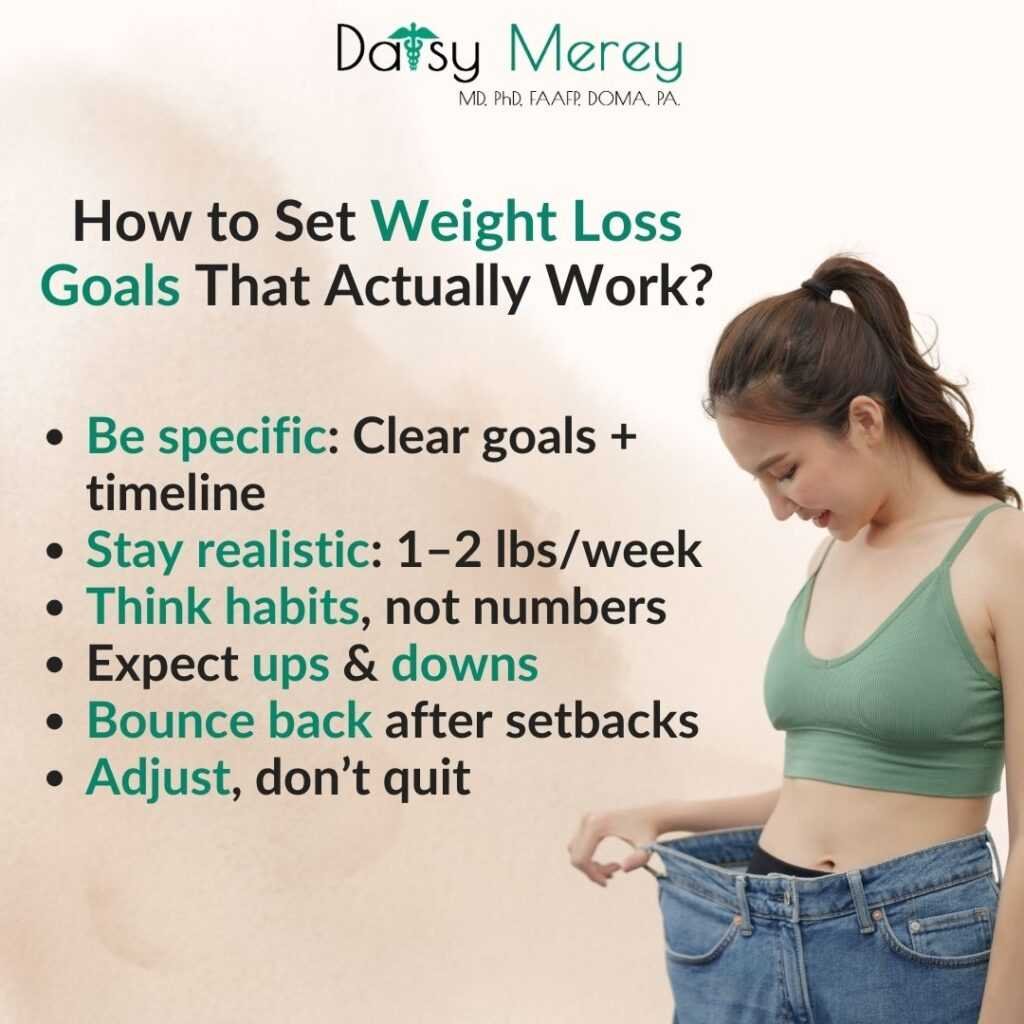
To set a clear and realistic weight loss goal, start by understanding your current habits and setting achievable milestones. Break your overall goal into smaller, manageable steps to stay motivated and track progress effectively. Be patient, stay consistent, and adjust your goals as needed to stay on the right path.
If you want to reach a healthier weight, it’s crucial to set goals that are specific, measurable, and realistic. This involves evaluating your starting point, understanding your motivation, and creating a plan that fits your lifestyle. Avoid aiming for rapid results or unattainable targets, as they often lead to frustration. Instead, focus on gradual changes that promote sustainable progress. When your goals are clear and realistic, you’re more likely to stay committed and see lasting success. Crafting such goals is the first step toward transforming your health and achieving the body you desire.

How to Set a Clear and Realistic Weight Loss Goal
Setting a weight loss goal can feel overwhelming, but breaking it down into manageable steps makes it easier. A clear and realistic goal helps keep you motivated and on track. It also makes your journey healthier and more sustainable.
Understanding Why Setting a Clear Goal Matters
When you know exactly what you want to achieve, it becomes easier to stay focused. Clear goals give your weight loss journey purpose and direction. They also help you measure progress and celebrate small wins along the way.
Identifying Your Personal Motivation
Think about why you want to lose weight. Is it for better health, more energy, or fitting into favorite clothes? Knowing your motivation keeps you committed, especially during challenging days. Write down your reasons to remind yourself of the “why” behind your goal.
Assessing Your Current Situation
Start by understanding your starting point. Measure your current weight, body measurements, and fitness level. This information helps you set realistic targets based on where you are now and where you want to go.
- Record your current weight and height
- Note your body measurements, like waist and hips
- Evaluate your overall activity level and eating habits
Setting Specific and Measurable Goals
Your goal should be clear and quantifiable. For example, aiming to lose 10 pounds in three months is specific and measurable. Avoid vague goals like “lose weight” without details.
Good goals include:
- Reducing weight by a certain number of pounds or kilograms
- Lowering body fat percentage
- Improving fitness levels, such as running a mile without stopping
Using the SMART Framework for Goal Setting
Make your goals SMART: Specific, Measurable, Achievable, Relevant, and Time-bound. This approach creates realistic plans you can follow easily.
Example: “I want to lose 8 pounds in two months by exercising three times a week and eating more vegetables.”
Setting Realistic and Attainable Targets
Aiming to lose more weight than your body can manage may lead to frustration. Experts recommend losing about 1 to 2 pounds per week, which is safe and sustainable. Rapid weight loss often results in regaining lost weight.
Adjust your expectations based on your body type, lifestyle, and health status. Remember, slow and steady wins the race.
Considering Your Lifestyle and Schedule
Set goals that fit your daily routine. If you’re busy, plan shorter workouts or simple dietary changes. Small, consistent steps are easier to stick with over time.
Make sure your goals are practical, such as walking 20 minutes daily or replacing sugary drinks with water.
Breaking Down Your Main Goal into Smaller Milestones
Divide your big goal into smaller, achievable steps. These act as checkpoints and help you stay motivated. For instance, if your goal is to lose 20 pounds, set monthly targets of about 4 to 5 pounds.
Track your progress regularly and celebrate each milestone reached.
Creating a Realistic Timeline
Set a timeline that suits your goal and lifestyle. Avoid rushing — aim for gradual weight loss that lasts. Patience is key to making changes last.
For example, plan to lose 1 to 2 pounds weekly over three to six months, depending on your starting point.
Monitoring and Adjusting Your Goals
Keep track of your progress with journals, apps, or charts. If you find your goals too easy or hard, adjust them accordingly. Flexibility helps you stay committed and avoid frustration.
Regular check-ins allow you to refine your approach and choose new goals if needed.
Involving Support and Accountability
Share your goals with family, friends, or a health coach. External support provides encouragement and accountability. Consider joining a group or online community for motivation.
Having someone to share your journey makes sticking with your goals easier.
Focusing on Healthy Habits Over Weight Numbers
While losing weight is important, developing healthy habits matters more. Focus on balanced eating, regular activity, and good sleep. These habits support sustainable weight loss and overall well-being.
Remember, a healthy weight is a result of consistent, positive choices, not just a number on the scale.
Final Tips for Success in Setting Your Weight Loss Goals
Be patient and kind to yourself during this process. Celebrate progress, no matter how small. Keep your focus on building habits that last a lifetime.
And most importantly, stay flexible — adjust your goals when needed and never give up.
Calorie Deficit Hacks
Frequently Asked Questions
How can I ensure my weight loss goal is achievable within a specific timeframe?
To set a realistic timeframe, consider your current weight, lifestyle, and daily habits. Aim for steady progress by aiming to lose about 1 to 2 pounds per week, which is generally safe and sustainable. Break down your total goal into smaller milestones and set deadlines for each, allowing you to monitor your progress and make adjustments as needed. Staying consistent and patient helps you avoid frustration and increases your chances of long-term success.
What factors should I consider when determining my ideal weight loss target?
Think about your overall health, body composition, and personal preferences. Consult with a healthcare professional to identify a healthy weight range based on your age, height, and activity level. Focus on creating a goal that improves your well-being rather than just a specific number. Including considerations like energy levels, physical fitness, and mental health can help you set a meaningful and attainable goal.
How do I avoid setting an overly ambitious or too modest weight loss goal?
Set a goal that pushes you enough to stay motivated but remains within realistic limits. Avoid aiming for rapid weight loss, which often leads to disappointment or health issues. Start with small, manageable steps that gradually lead to your desired outcome. Regularly reassess your goals and progress to keep them aligned with what you can realistically achieve without risking burnout or frustration.
What role does tracking my progress play in setting a practical weight loss goal?
Tracking helps you stay aware of your habits and progress, enabling you to make informed adjustments. Use tools like journals, apps, or charts to record your weight, food intake, activity levels, and feelings. Regular tracking provides motivation as you see tangible results and helps ensure your goals remain realistic by highlighting when you need to modify your approach.
Final Thoughts
Setting a clear and realistic weight loss goal guides your journey effectively. Break down your target into small, achievable milestones to stay motivated. Focus on habits like balanced eating and regular activity rather than just numbers.
By defining specific, attainable objectives, you build confidence and maintain steady progress. Remember, sustainable change takes time, so be patient and celebrate each success along the way.
How to set a clear and realistic weight loss goal ensures your efforts stay focused and your expectations practical, leading to lasting results.
As an Amazon Associate, We earn from qualifying purchases. When you purchase a product through Amazon links on pulsefitguide.com, we may earn a small commission at no extra cost to you. This helps support the site and keep our content free.