

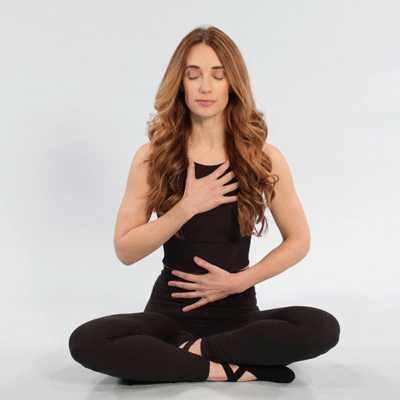
Taking a few deep breaths or engaging in quick mindfulness exercises can be your secret weapons against stress. These simple practices help calm your mind and relax your body, making stressful moments more manageable. By focusing on your breath or paying attention to the present, you can quickly reset your mood and regain clarity.
To reduce stress through deep breathing or short mindfulness sessions, simply breathe slowly and deeply, focusing on each inhale and exhale, or dedicate a few minutes to observing your surroundings or your thoughts without judgment. Incorporating these techniques into your daily routine can significantly enhance your mental well-being and help you stay centered amidst life’s chaos.
Stress can hit unexpectedly, leaving you overwhelmed and anxious. Luckily, quick and effective methods like deep breathing and mindfulness can provide immediate relief and foster long-term resilience. These practices are accessible, easy to learn, and require just a few minutes, making them perfect for busy schedules. Whether you’re at work, home, or on the go, taking a moment to breathe deeply or tune into the present moment can make a world of difference, helping you feel calmer, more focused, and in control.

How to reduce stress with deep breathing or short mindfulness sessions
Understanding Stress and Its Impact on Your Body
Stress is a common feeling that affects everyone at times. It triggers your body’s fight-or-flight response, releasing stress hormones like adrenaline and cortisol. While these hormones help you respond to immediate threats, prolonged stress can harm your health. It can lead to problems like headaches, fatigue, anxiety, and difficulty concentrating. Managing stress effectively is essential for maintaining physical and mental well-being.
Deep breathing and mindfulness sessions are simple tools that can quickly calm your nervous system. They help shift your body from a stressed state to a relaxed one. These techniques are accessible, require no special equipment, and can be practiced anywhere.
The Benefits of Deep Breathing for Stress Reduction
Deep breathing is a straightforward yet powerful method to reduce stress. When you breathe deeply, you activate your parasympathetic nervous system, which promotes relaxation. This process slows down your heart rate and lowers blood pressure.
Regular practice of deep breathing can also improve your mood and help manage symptoms of anxiety and depression. It enhances oxygen flow to your brain, increasing mental clarity. Moreover, deep breathing can be used anytime you feel overwhelmed, offering immediate relief from stress.
Basic Deep Breathing Techniques
There are several effective deep breathing exercises you can try to stay calm. Here are some simple methods:
- Diaphragmatic Breathing: Sit or lie down comfortably. Place one hand on your chest and the other on your belly. Inhale slowly through your nose, making sure your belly rises more than your chest. Exhale gently through your mouth. Repeat for 5 to 10 minutes.
- 4-7-8 Breathing: Breathe in quietly through your nose for 4 seconds. Hold your breath for 7 seconds. Exhale completely through your mouth for 8 seconds. Continue for several rounds.
- Box Breathing: Inhale slowly through your nose for 4 seconds. Hold the breath for 4 seconds. Exhale through your mouth for 4 seconds. Hold the breath out for 4 seconds. Repeat the cycle multiple times.
Practicing these techniques daily can help you develop better stress resilience and promote overall relaxation.
Incorporating Short Mindfulness Sessions into Your Day
Mindfulness involves paying full attention to the present moment without judgment. Short mindfulness sessions can be especially effective in quickly reducing stress. They help anchor your attention and clear your mind of worries.
These sessions can be as brief as three to five minutes, making them easy to fit into even the busiest schedule. The key is consistency; regular practice enhances your ability to stay calm during stressful situations.
Popular Short Mindfulness Exercises
Here are some practical mindfulness exercises you can try:
- Breath Focus Meditation: Sit comfortably and focus on your breathing. Notice the sensation of air entering and leaving your nose or mouth. Whenever your mind wanders, gently bring it back to your breath.
- Body Scan: Close your eyes and slowly pay attention to each part of your body, starting from your toes up to your head. Notice any tension or discomfort, and imagine releasing it with each exhale.
- 5-4-3-2-1 Grounding Exercise: Identify five things you see, four things you hear, three things you feel, two things you smell, and one thing you taste. This helps bring your attention to the current moment.
Practicing these exercises regularly can improve your ability to handle stress and foster a sense of inner peace.
Combining Deep Breathing with Mindfulness for Maximum Effect
Integrating deep breathing into mindfulness sessions enhances their calming effect. For instance, focusing on your breath during a body scan or grounding exercise deepens your awareness and relaxation.
This combination helps quiet your mind and reduces the physical symptoms of stress more effectively than either technique alone. It also encourages a habit of mindful breathing, which you can use during stressful moments throughout your day.
Tips for Making Stress-Relief Techniques a Habit
Creating a routine ensures you gain the benefits of deep breathing and mindfulness consistently. Here are some tips:
- Set Reminders: Use alarms or app notifications to prompt practice sessions during the day.
- Create a Dedicated Space: Find a quiet corner where you can practice without interruptions.
- Start Small: Begin with short sessions, gradually increasing duration as you feel more comfortable.
- Be Patient: Building a mindfulness or breathing habit takes time. Practice regularly without judgment.
Remember, even a few minutes of focused breathing or mindfulness can significantly lower your stress levels.
Additional Strategies to Support Stress Management
While deep breathing and mindfulness are powerful tools, combining them with other healthy habits can boost your resilience:
- Stay Active: Regular exercise stimulates the release of endorphins, natural stress relievers.
- Maintain a Balanced Diet: Proper nutrition supports physical and mental health.
- Ensure Adequate Sleep: Quality sleep helps your body recover and reduces emotional reactivity.
- Limit Caffeine and Alcohol: Excessive intake can increase anxiety and disrupt sleep patterns.
Incorporating these habits can complement your stress management routine and foster overall well-being.
Tracking Your Progress and Staying Motivated
Keeping a journal of your practice sessions can help you observe progress over time. Note any changes in your mood or stress levels after each session.
Celebrating small milestones, like a week of consistent practice, can boost motivation. Remember that patience and persistence are key to making these techniques part of your lifestyle.
Practicing deep breathing and short mindfulness sessions provides a practical way to manage stress daily. These techniques are easy to learn and can be done anywhere, offering quick relief from tension. Regular use of these methods helps build resilience, promotes calmness, and improves overall mental health. By integrating these simple practices into your routine, you take active steps toward a less stressed, more centered life.
Box breathing relaxation technique: how to calm feelings of stress or anxiety
Frequently Asked Questions
What are some simple deep breathing techniques to help reduce stress quickly?
One effective method is diaphragmatic breathing, where you breathe deeply through your nose, allowing your abdomen to rise, then exhale slowly through your mouth. Focus on taking slow, steady breaths, counting to four as you inhale and exhale. This helps calm your nervous system and alleviates immediate stress. Practicing this for a few minutes can lead to noticeable relaxation.
How can short mindfulness sessions fit into a busy schedule to ease tension?
Allocate just five to ten minutes during your day for mindfulness. Find a quiet space, sit comfortably, and focus your attention on your breath or the sensations in your body. When your mind wanders, gently bring it back to your chosen point of focus. Regular short sessions help reduce anxiety levels and improve your overall mood without requiring a large time commitment.
What tips can improve the effectiveness of deep breathing during stressful moments?
Ensure you are in a comfortable position and breathe deeply through your diaphragm rather than shallow chest breaths. Practice slow, controlled inhalations and exhalations, and try to maintain a consistent rhythm. Additionally, combining deep breathing with visualizations, such as imagining a peaceful place, can deepen your relaxation and help you manage stress more effectively.
Can mindful breathing exercises be used during work or in public settings?
Yes, these exercises are discreet and can be performed quietly at your desk or while standing in a line. Simply focus on your breath, inhaling slowly through your nose and exhaling gently through your mouth. Even a brief pause to practice mindful breathing can reduce tension, improve focus, and help you stay calm in busy or demanding environments.
What are some common obstacles to practicing deep breathing or mindfulness, and how can I overcome them?
Many people find it hard to quiet their mind or stay focused initially. To overcome this, start with short sessions and be patient with yourself. Using guided exercises or apps can provide structure and support. Creating a relaxing environment and setting regular times for practice also helps establish a habit, making it easier to integrate these techniques into daily life.
Final Thoughts
In summary, how to reduce stress with deep breathing or short mindfulness sessions offers simple ways to find calm quickly. Taking a few deep breaths helps slow your heart rate and clear your mind. Short mindfulness exercises, such as focusing on your breath or surroundings, can make a noticeable difference. Regular practice fosters resilience and reduces anxiety, making daily stress easier to manage. Incorporate these techniques into your routine to stay centered and relaxed amid life’s demands.
As an Amazon Associate, We earn from qualifying purchases. When you purchase a product through Amazon links on pulsefitguide.com, we may earn a small commission at no extra cost to you. This helps support the site and keep our content free.