

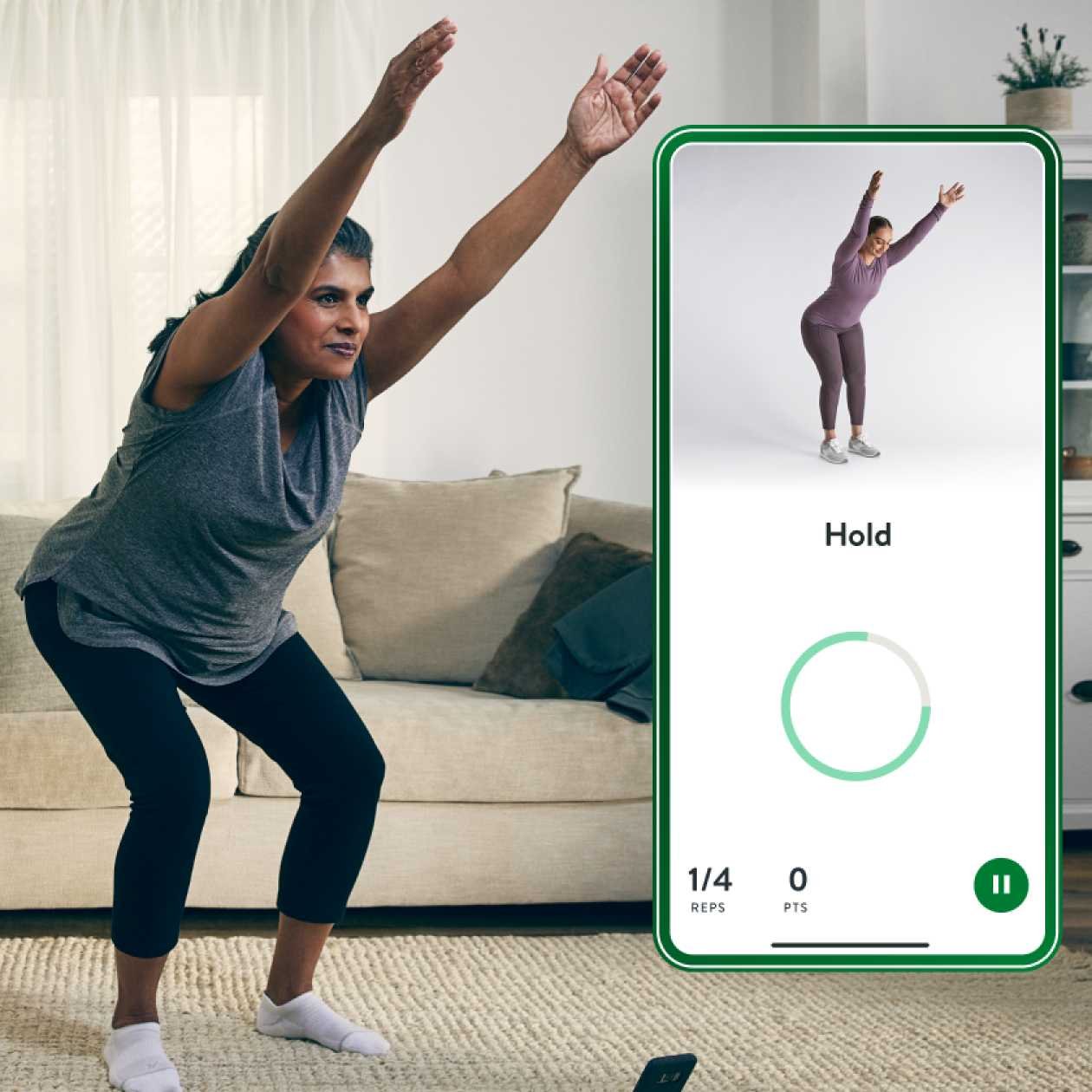
To minimize joint stress while exercising at 50, focus on low-impact workouts, maintain proper form, and incorporate flexibility and strength exercises. These strategies protect your joints from excessive wear and tear, making exercise safer and more enjoyable as you age.
Staying active is crucial for health at 50, but protecting your joints is equally important. The key is choosing gentle, low-impact activities like swimming or walking, and ensuring you use correct techniques to prevent unnecessary strain. Incorporating stretching and strength training can also help support your joints, allowing you to stay fit without risking injury.
Keeping your joints healthy while exercising at 50 is all about mindful movement and choosing the right activities. When you prioritize low-impact options, focus on proper form, and include regular stretching and strengthening routines, you can enjoy the benefits of exercise without putting undue stress on your joints. This approach not only helps prevent pain and injury but also keeps you motivated and active for years to come.

How to Reduce Joint Stress While Exercising at 50
Exercising after age 50 can be very beneficial, but joint health is a common concern. Learning how to protect your joints during workouts helps you stay active longer and avoid pain or injuries. In this section, we will explore key strategies to reduce joint stress effectively while exercising at 50.
Choose Low-Impact Exercises
Low-impact activities put less pressure on your joints while still providing excellent cardiovascular and strength benefits. Examples include walking, swimming, cycling, and using an elliptical machine. These exercises minimize joint wear and tear, making them ideal for aging joints.
Instead of high-impact sports like running or jumping, opt for these gentler options. They help maintain your fitness level without causing excessive joint stress or injury. Remember, consistency matters more than intensity to protect your joints over time.
Warm Up Properly
Starting your workout with a proper warm-up prepares your joints and muscles. Gentle stretching and light cardio activities get blood flowing and increase joint lubrication. This reduces stiffness and decreases the risk of injury.
Spend at least five to ten minutes warming up before higher-intensity activities. Focus on movements that mimic your workout but at a lower intensity. This preps your joints gradually, making the entire workout safer and more comfortable.
Incorporate Strength Training Carefully
Building muscle around your joints provides better support and reduces joint stress during movement. Use light weights and focus on proper form. Overloading your joints with heavy weights can increase strain and cause injury.
Include exercises that target major muscle groups, especially those supporting your knees, hips, and shoulders. Examples include seated leg presses, light dumbbell curls, and resistance band exercises. Doing so enhances joint stability significantly.
Tips for Safe Strength Training
- Start with low weights or resistance bands
- Perform controlled, slow movements
- Avoid holding your breath during lifts
- Allow adequate rest between sets
Use Proper Technique and Posture
Incorrect form can put undue stress on joints and lead to injury. Focus on maintaining good posture during all exercises. Engage your core muscles to support your spine and joints.
If unsure about proper technique, consider working with a fitness professional. They can teach you correct form and tailor exercises to your joint health needs. Proper technique ensures you maximize benefits while minimizing stress on your joints.
Manage Workout Intensity and Duration
Gradually increasing workout intensity helps your joints adapt without excess strain. Avoid sudden increases in exercise duration or difficulty. Stick to moderate sessions and listen to your body’s signals.
For example, if starting a new activity, keep sessions around 30 minutes and slowly extend as your body adjusts. Rest days are also essential for joint recovery and overall health.
Incorporate Flexibility and Balance Exercises
Flexibility routines like stretching improve joint range of motion and reduce stiffness. Balance exercises help prevent falls and joint injuries by enhancing stability. Yoga and tai chi are excellent choices.
Perform stretching after workouts or during rest days to maintain muscle elasticity. Focus on gentle stretches that target the hips, knees, shoulders, and back for optimal joint health.
Wear Supportive Footwear and Proper Equipment
Supportive shoes cushion your joints during weight-bearing activities. Replace worn-out footwear regularly to maintain proper arch support and shock absorption. This reduces joint impact during walking or running.
Use appropriate gear for other exercises, such as padded gloves for weightlifting or knee braces if necessary. Proper equipment helps distribute forces evenly across joints.
Maintain a Healthy Weight
Excess weight increases stress on weight-bearing joints like hips and knees. Losing even a few pounds can significantly decrease joint pressure and pain.
Combine balanced nutrition with regular exercise to ensure weight management. Focus on anti-inflammatory foods like fruits, vegetables, and omega-3 fatty acids to support joint health.
Include Adequate Rest and Recovery
Rest allows your joints to recover from stress and inflammation. Overtraining can lead to joint pain and injuries. Make sure to schedule rest days into your weekly routine.
Listening to your body’s signals helps prevent overuse injuries. Gentle activities like walking or swimming are ideal during recovery periods.
Stay Hydrated and Maintain Good Nutrition
Proper hydration ensures your joints have enough synovial fluid for smooth movement. Dehydration can lead to joint stiffness and discomfort.
Nutrition rich in vitamins D and C, calcium, and omega-3s supports joint cartilage and reduces inflammation. Consult a healthcare professional for personalized dietary advice.
Regularly Consult Healthcare Providers
Seeing a physical therapist or doctor can help identify early joint issues. They can suggest tailored exercises and treatments to protect your joints. Regular check-ups help maintain joint health over time.
Address any joint pain or discomfort promptly to prevent long-term damage. Proper medical guidance ensures your exercise routine remains safe and effective.
Additional Tips for Joint-Friendly Exercise
- Use foam rollers for myofascial release to decrease joint tension
- Incorporate aquatic exercises to reduce joint impact further
- Practice mindful movement to avoid sudden or jerky actions
- Ensure your workout environment is safe and free of obstacles
Adapting your exercise routine to your joint needs helps you stay active, healthy, and pain-free after 50. Prioritizing joint health makes it easier to enjoy physical activity for many years.
How to squat with BAD KNEES | No more knee pain!
Frequently Asked Questions
What types of low-impact exercises are best for protecting joints at 50?
Low-impact exercises such as swimming, cycling, and using elliptical machines reduce stress on your joints while providing effective cardiovascular benefits. Incorporate activities like walking on softer surfaces and water aerobics to stay active without putting excessive pressure on your joints. Choose exercises that involve smooth, controlled movements to minimize strain and avoid sudden or jerky motions.
How can I properly warm up before exercising to prevent joint stress?
Begin each session with gentle warm-up activities like slow walking or light stretching to increase blood flow to your muscles and joints. Focus on dynamic stretches that mimic your workout movements, which help prepare your joints for activity. Adequate warm-up reduces stiffness and increases joint flexibility, lowering the risk of injury or overstress during exercise.
What precautions can I take to minimize joint discomfort during workouts?
Use supportive footwear that absorbs shock and provides stability, and always listen to your body. Avoid overstretching or pushing through pain, and gradually increase the intensity and duration of your workouts. Incorporate rest days into your routine to allow your joints to recover, and consider adding strength training to support the muscles around your joints, providing more stability.
Are there specific strengthening exercises that help safeguard joints at 50?
Targeted strength exercises such as gentle resistance training and bodyweight movements can improve muscle support around your joints. Focus on exercises that strengthen the muscles supporting your knees, hips, and shoulders without causing discomfort. Always perform these exercises with proper technique and avoid overload to prevent joint strain.
How can flexibility exercises contribute to reducing joint stress at this age?
Flexibility routines like stretching and yoga improve joint range of motion and reduce stiffness. Incorporate gentle stretches into your daily routine to maintain joint elasticity and prevent stiffness, which can lead to stress and discomfort during exercise. Consistent flexibility work supports smooth joint movement and can enhance overall exercise comfort and effectiveness.
Final Thoughts
To reduce joint stress while exercising at 50, start with low-impact activities like swimming or walking. Incorporate warm-up and cool-down routines to prepare joints and prevent injuries. Use proper form and avoid overexertion to protect your joints from unnecessary strain. Prioritizing these practices helps maintain joint health and ensures safer workouts at any age.
As an Amazon Associate, We earn from qualifying purchases. When you purchase a product through Amazon links on pulsefitguide.com, we may earn a small commission at no extra cost to you. This helps support the site and keep our content free.