

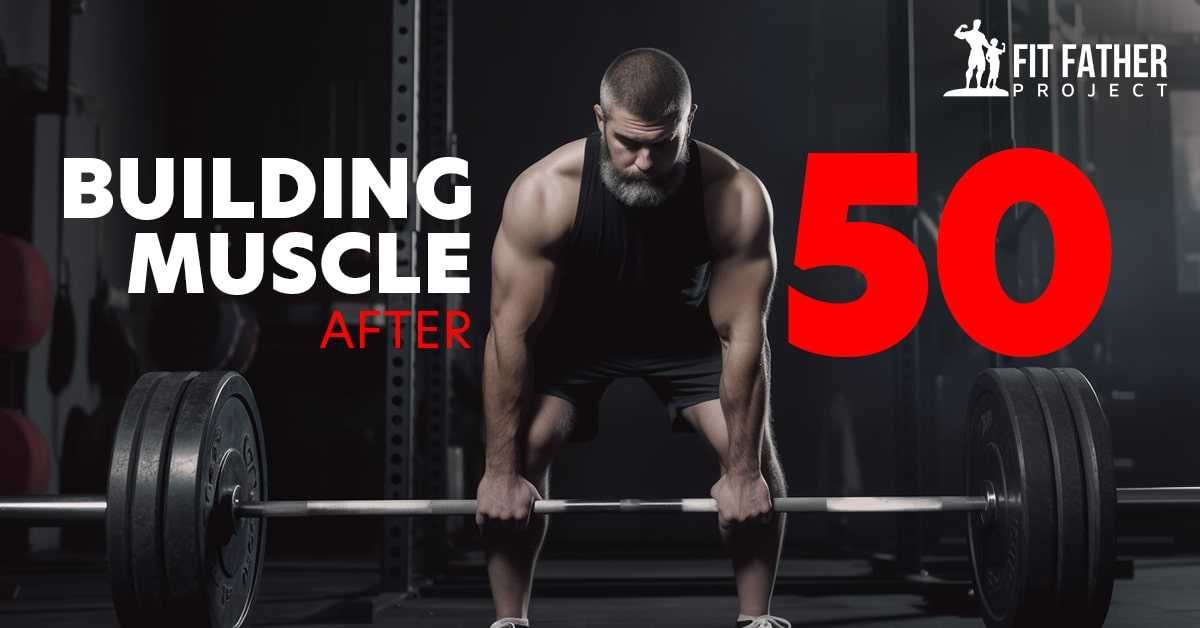
To recover faster after workouts in your 50s, stay well-hydrated, prioritize proper nutrition, and incorporate gentle stretching and rest into your routine. Listening to your body and adjusting intensity can also make a significant difference. Consistent habits like quality sleep and active recovery help reduce soreness and boost overall healing.
Recovering quickly after exercise in your 50s is all about smart self-care and listening to your body’s signals. As we age, our muscles take longer to heal, and recovery becomes a key part of staying active and healthy. Simple adjustments—like staying hydrated, eating nutrient-rich foods, and ensuring enough rest—can dramatically improve how your body bounces back. Incorporating gentle stretching, foam rolling, and light activity on rest days helps reduce soreness and stiffness. Paying attention to your sleep quality and managing workout intensity can also prevent injury and fatigue. Making these small yet consistent changes allows you to enjoy the benefits of exercise without the long recovery times that often come with age.

How to recover faster after workouts in your 50s
Understanding the unique recovery needs in your 50s
As you age, your body undergoes changes that affect how it recovers from physical activity. Muscle mass decreases, joints become less flexible, and the rate of cell repair slows down. Recognizing these shifts helps you tailor your recovery strategies effectively.
Older muscles require more time to repair and rebuild after exercise. Additionally, your immune system may not respond as quickly, making it essential to prioritize recovery. Hormonal changes, such as lower testosterone and growth hormone levels, also influence recovery speed.
Prioritize proper nutrition for optimal recovery
Good nutrition is the foundation of faster recovery. Consuming a balanced diet rich in protein helps muscles repair and grow after workouts. Include lean meats, fish, eggs, dairy, beans, and nuts in your meals.
Fruits and vegetables supply antioxidants that reduce inflammation and oxidative stress. Hydration is equally important; drinking plenty of water prevents dehydration and supports nutrient transport. Consider incorporating recovery-specific foods like tart cherry juice and omega-3 fatty acids, which have anti-inflammatory properties.
Meal timing and supplementation tips
Eating a protein-rich snack or meal within 30 minutes after exercise can boost muscle recovery. Combining carbohydrates with protein helps replenish glycogen stores and repair tissues efficiently.
Supplements such as omega-3s, vitamin D, magnesium, and branched-chain amino acids can support recovery. Always consult a healthcare provider before adding new supplements to your routine.
Incorporate gentle stretching and mobility exercises
Stretching helps improve flexibility and reduces muscle tension. Light stretching after workouts can prevent stiffness and enhance blood flow, which accelerates healing.
Mobility exercises improve joint function and decrease soreness. Activities like yoga or tai chi are excellent options to maintain flexibility, especially for older adults. Focus on gentle movements that do not cause pain but promote circulation.
Best stretching routines for those in their 50s
Hold each stretch for at least 20 seconds and avoid bouncing. Target major muscle groups like hamstrings, calves, back, and shoulders.
Daily stretching routines can be simple, such as seated hamstring stretches or shoulder rolls. Consistency is key for lasting benefits.
Ensure adequate rest and sleep quality
Sleep plays a crucial role in recovery, as most tissue repair occurs during rest. Aim for 7 to 9 hours of quality sleep each night to support healing processes.
Create a relaxing bedtime routine, limit screen time before sleep, and keep your bedroom cool and dark. Avoid caffeine and heavy meals close to bedtime to improve sleep quality.
Tips to enhance sleep for faster recovery
Establish a consistent sleep schedule, even on weekends. Gentle evening activities like reading or meditation can help calm your mind. Using comfortable bedding and minimizing noise contribute to restful sleep.
If sleep issues persist, consult a healthcare professional for tailored solutions.
Utilize active recovery techniques
Active recovery involves engaging in low-intensity activities that promote blood flow without straining your body. Examples include walking, swimming, or light cycling.
These activities help remove metabolic waste products from muscles and deliver nutrients necessary for repair. Incorporating active recovery on rest days can prevent stiffness and enhance overall recovery.
Examples of effective active recovery sessions
Keep activities around 20 to 30 minutes at a comfortable pace. Focus on smooth, continuous movements that do not cause discomfort.
Pay attention to your body’s signals and avoid overexertion during these sessions.
Manage inflammation and soreness effectively
Inflammation is a natural response to exercise but can become problematic if excessive. Applying ice packs to sore areas can reduce swelling and numb pain.
Gentle massage or foam rolling helps release muscle knots and improves circulation. Incorporating anti-inflammatory foods and supplements, as mentioned earlier, reduces overall soreness.
Role of natural remedies and therapies
Consider alternative therapies like acupuncture or chiropractic care to alleviate lingering discomfort. These approaches can improve blood flow and promote faster healing.
Always seek professional advice before starting new therapeutic methods.
Stay consistent with your exercise routine
Regular activity helps your body adapt and recover more efficiently over time. Staying consistent prevents injuries and promotes a steady improvement in physical fitness.
Adjust workout intensity based on how your body responds. Incorporate variety to prevent overuse injuries and keep your routine engaging.
Balancing activity and recovery weeks
Schedule lighter weeks or days to give your body time to recuperate. Listen to your body’s signals and modify exercises as needed.
Proper planning ensures you maintain progress without overtaxing your muscles.
Monitor your body’s response and adapt accordingly
Pay attention to signs of overtraining, such as persistent fatigue, soreness, or decreased performance. Adjust your exercise intensity or frequency if you notice these symptoms.
Using tools like activity trackers can help you understand your recovery patterns better. Regularly assess your progress and modify your routines to suit your recovery needs.
Maintain a healthy lifestyle overall
A balanced lifestyle supports faster recovery. Avoid smoking and limit alcohol, as they impair tissue repair and immune function.
Managing stress through meditation, hobbies, or social activities enhances your mental and physical resilience. Staying active, eating well, and resting adequately create a strong foundation for quick recovery.
Stay motivated and patient with your progress
Recovery may take longer as you age, but consistency pays off. Celebrate small milestones to stay motivated and focused on your goals.
Trust that your efforts in recovery strategies will lead to better strength, mobility, and overall health in your 50s and beyond.
By applying these tailored recovery techniques, combining proper nutrition, gentle movement, sufficient rest, and mindful lifestyle choices, you set yourself up for faster and more effective recovery after workouts. Remember, listening to your body and making moderation a habit will help you enjoy your fitness journey well into your 50s and older.
How to Get Back Into Shape After No Exercise for a Long Time : Full Fitness Training
Frequently Asked Questions
What dietary choices can help speed up recovery after workouts for those in their 50s?
Eating a balanced diet rich in lean proteins, healthy fats, and plenty of fruits and vegetables provides essential nutrients that support muscle repair and reduce inflammation. Incorporate foods high in omega-3 fatty acids, such as salmon and walnuts, and ensure adequate hydration to aid recovery processes. Avoid processed foods and excessive sugar, which can impede healing and increase inflammation.
How can proper sleep habits influence recovery times for individuals in their 50s?
Getting quality sleep each night supports tissue repair and hormonal balance, both of which are crucial for faster recovery. Establish a consistent sleep schedule, create a calming bedtime routine, and keep your sleeping environment cool and dark. Ensuring enough restorative sleep helps your body heal and reduces fatigue after workouts.
What role does stretching and flexibility exercises play in faster recovery?
Incorporating gentle stretching and flexibility routines after workouts helps release muscle tension and improves blood flow to affected areas. This promotes nutrient delivery and waste removal, speeding up recovery. Regular stretching also enhances joint mobility, reducing stiffness and minimizing injury risk.
How can incorporating low-impact activities support quicker recovery in your 50s?
Adding low-impact exercises like swimming, walking, or cycling into your routine reduces stress on your joints and muscles while maintaining cardiovascular health. These activities facilitate gentle movement, helping decrease soreness and stiffness and allowing your body to recover more efficiently after intense workouts.
Why is listening to your body’s signals important for recovery at this age?
Paying close attention to signs of fatigue, soreness, or pain helps prevent overtraining and injury. Adjust your workout intensity and rest periods accordingly, giving your body adequate time to recover. Recognizing these signals ensures you avoid setbacks and continue progressing safely in your fitness journey.
Final Thoughts
To recover faster after workouts in your 50s, prioritize proper hydration and balanced nutrition to support muscle repair. Incorporate gentle stretching and adequate rest into your routine to reduce soreness. Consistent sleep quality also plays a crucial role in speeding up recovery. By focusing on these simple habits, you can enhance your post-exercise recovery and stay active longer.
As an Amazon Associate, We earn from qualifying purchases. When you purchase a product through Amazon links on pulsefitguide.com, we may earn a small commission at no extra cost to you. This helps support the site and keep our content free.