

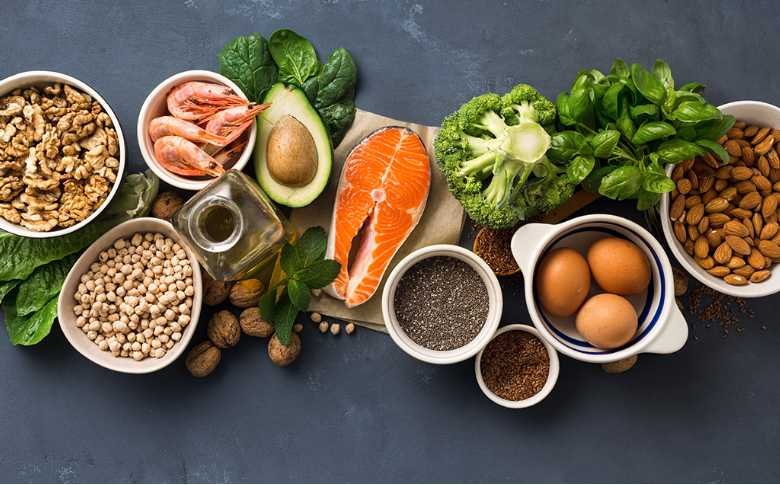
To ensure you’re getting enough protein in every meal, focus on adding a good source of lean protein—like eggs, chicken, or beans—to each plate. Planning ahead and balancing your meals with protein-rich ingredients can make a huge difference. Keep portion sizes in check and incorporate variety to meet your daily needs effortlessly.
Prioritizing protein in every meal is simple when you include a quality source of lean protein in each dish. By planning your meals around protein, you support muscle growth, satiety, and overall health. Consistent effort and smart choices help you meet your daily protein goals without feeling overwhelmed.
Getting enough protein throughout the day is key to supporting your fitness goals and maintaining energy levels. It’s easy to overlook, especially when meals are rushed or unbalanced. But with a few simple strategies—like adding eggs for breakfast, lean meats for lunch, and beans or tofu for dinner—you can naturally shift your focus to include more protein. Whether you’re aiming for muscle gain or just want to stay full longer, prioritizing protein ensures your body gets the nutrients it needs to thrive.

How to Prioritize Protein in Every Meal
Understanding the Importance of Protein in Your Diet
Protein is a vital nutrient that helps build and repair tissues, supports immune function, and keeps you feeling full longer. Including enough protein in each meal can improve your overall health and help maintain your energy levels throughout the day. Many people struggle to get enough protein, especially with busy schedules or dietary restrictions, making it essential to learn how to prioritize it in every meal.
How Much Protein Do You Need Daily?
The recommended daily intake of protein varies based on age, activity level, and health goals. On average, adults should aim for about 0.8 grams of protein per kilogram of body weight. Athletes or those with specific health objectives may require more, often between 1.2 and 2.0 grams per kilogram. Understanding your personal needs can help you better target your protein intake for each meal.
Incorporate Protein-Rich Foods at Every Meal
Adding protein sources to each meal ensures that your body receives a steady supply to support muscle maintenance and overall health. Try to include different types of protein such as lean meats, dairy, beans, nuts, and seeds. These options provide diversity and help prevent dietary boredom while supplying essential amino acids.
Breakfast: Start Your Day with Protein
Breakfast is an excellent opportunity to kickstart your day with a hearty protein boost. Options include eggs, Greek yogurt, cottage cheese, or protein smoothies. For a quick fix, combine yogurt with nuts and seeds or add eggs to whole-grain toast to make a balanced meal.
Lunch: Make It Protein-Packed
For lunch, incorporate lean meats like chicken or turkey, or plant-based proteins like lentils and chickpeas. Salads topped with boiled eggs or grilled tofu also provide substantial protein. Pair these with vegetables and whole grains to enhance satiety and nutritional value.
Dinner: Finish Strong with Protein
Dinner should include a good source of protein such as fish, lean beef, or plant-based options like tempeh. Incorporate a variety of vegetables and complex carbs for a filling and nutritious meal. Using herbs, spices, and healthy cooking methods can boost flavor without added calories.
Smart Protein Snacking Strategies
Snacks are an easy way to increase your protein intake without overloading calorie counts. Opt for nuts, seeds, cheese, or boiled eggs. Protein bars and shakes can also be convenient, especially when you are on the go but remember to choose options with minimal added sugars.
Meal Planning Tips for Prioritizing Protein
Effective meal planning makes it easier to include enough protein in your diet. Prepare and portion out protein sources ahead of time, and keep a list of quick, high-protein meals. Use a simple table like the one below to help you plan your protein intake:
| Meal | Sample Protein Sources |
|---|---|
| Breakfast | Eggs, Greek yogurt, cottage cheese, protein smoothie |
| Lunch | Chicken breast, lentils, chickpeas, tofu |
| Dinner | Salmon, lean beef, tempeh, beans |
| Snacks | Nuts, cheese, boiled eggs, protein bars |
Balancing Protein with Other Nutrients
While focusing on protein, it’s important to also consume enough carbohydrates and healthy fats. Including a variety of foods ensures you get all essential nutrients for optimal health. For example, pairing a lean chicken breast with quinoa and avocado provides a balanced meal.
Choosing Quality Protein Sources
Priority should go to high-quality, nutrient-dense protein sources. Animal-based proteins like fish, poultry, and eggs contain all essential amino acids. Plant-based options such as beans, lentils, and soy also provide necessary nutrients and are good for vegetarian or vegan diets.
Creative Tips to Add Protein Without Extra Effort
Adding protein doesn’t have to be complicated. Sprinkle seeds or nuts onto salads and oatmeal. Mix cottage cheese into smoothies or have a small handful of almonds with your fruit. These small adjustments can significantly boost your daily protein intake.
Addressing Dietary Restrictions and Preferences
Vegetarians and vegans can meet their protein needs with plant-based sources like beans, lentils, tofu, and quinoa. For those with allergies or sensitivities, exploring alternative sources and supplements can help ensure your dietary goals are met without compromising health.
Track Your Progress and Adjust Accordingly
Keeping a food journal or using tracking apps can help you monitor your protein intake. If you notice gaps, adjust your meals by adding more protein-rich foods. Regularly reviewing your diet ensures you stay aligned with your health goals.
Summary of Key Points to Prioritize Protein in Every Meal
- Include a source of protein in each meal and snack
- Choose high-quality, nutrient-dense options
- Plan meals ahead to ensure consistent intake
- Balance protein with carbs and healthy fats
- Utilize quick and easy protein sources for busy days
- Address dietary restrictions with suitable substitutes
Prioritizing protein at every meal supports muscle health, boosts satiety, and helps you meet your overall health goals. By incorporating a variety of protein sources and planning your meals, you can make this a seamless part of your daily routine. Remember, small consistent changes lead to lasting health benefits.
Easy Ways to Increase Your Protein Intake | Nutritionist Explains… | Myprotein
Frequently Asked Questions
What are some easy ways to include more protein in my meals without overhauling my diet?
Start by adding a source of lean protein, such as eggs, chicken, or beans, to your regular meals. Incorporate Greek yogurt or cottage cheese as snacks, and choose whole grain bread or pasta with added protein. These small adjustments can increase your protein intake without making significant changes to your daily routine.
How can I balance my plate to ensure I get enough protein at every meal?
Fill half of your plate with vegetables and whole grains, and allocate a quarter for lean protein sources. Include a variety of proteins like fish, poultry, legumes, and nuts throughout the week. This approach ensures balanced nutrition and consistent protein intake across your meals.
Are there specific foods I should prioritize to meet my protein goals more efficiently?
Yes, focus on nutrient-dense foods like eggs, lean meats, dairy, soy products, and legumes. Incorporating these foods regularly can help you meet your protein targets while providing essential nutrients. Planning meals around these options makes it easier to prioritize protein intake daily.
What strategies can I use to ensure I include protein in my breakfast?
Add eggs, Greek yogurt, or nut butters to your morning meal. Opt for high-protein cereals or smoothies with protein powders. Preparing these options ahead of time can help you start your day with a nutrient-rich, protein-focused meal.
Final Thoughts
Prioritize protein in every meal by including a variety of sources such as lean meats, eggs, dairy, beans, and nuts. Incorporate these options into breakfast, lunch, and dinner to ensure consistent intake. Planning meals ahead helps balance protein with other nutrients, making it easier to meet your daily goals. Staying mindful of portion sizes ensures you get enough protein without excess. Ultimately, making protein a focus in each meal boosts your health and energy levels efficiently.
As an Amazon Associate, We earn from qualifying purchases. When you purchase a product through Amazon links on pulsefitguide.com, we may earn a small commission at no extra cost to you. This helps support the site and keep our content free.