

Start your week stress-free with well-planned meals and snacks that save time and keep you on track. Preparing ahead means fewer trips to the store, healthier choices, and more energy to enjoy your days. The key is to organize your menu, batch cook versatile ingredients, and store everything properly. In just a few hours, you can have a fridge full of ready-to-eat options that make daily meal decisions a breeze. This approach not only helps you stick to your nutrition goals but also frees up precious time and mental energy. With simple planning and some clever prepping, you can conquer your week with confidence and ease.
To prep meals and snacks ahead for the week, create a meal plan, batch cook components like grains and proteins, and store them in portioned containers. Incorporate versatile ingredients to mix and match, and ensure proper storage to keep everything fresh. This strategy streamlines your routine and ensures healthy choices are always within reach.
Getting organized with meal prep might seem overwhelming at first, but it’s actually quite simple and highly rewarding. Just block out a few hours on the weekend to plan your menu, cook in bulk, and portion everything out. Pick recipes that share ingredients to minimize waste and effort. Always keep your meals stored in airtight containers, label them for easy identification, and use the fridge or freezer to extend shelf life. Once you establish a routine, you’ll enjoy the benefits of less daily stress, better nutrition, and more free time to do what you love. Whether you’re a busy professional, a student, or a busy parent, meal prepping can transform the way you eat and live, making healthy choices effortless and enjoyable.

How to prep meals and snacks ahead for the week
Why meal prepping is a smart choice
Meal prepping saves time and reduces stress during busy weekdays. It helps you stick to healthy eating habits and prevents last-minute fast food choices. By planning ahead, you can control ingredients, portions, and avoid food waste.
Getting started with meal prep
Begin by choosing simple recipes that are easy to make in bulk. Make a shopping list with all necessary ingredients to avoid multiple trips to the store. Set aside a dedicated day each week for prepping, often on weekends or free evenings.
Essential tools for meal prep
To prepare meals efficiently, gather the right tools:
- Sharp knives for cutting and chopping
- Cutting boards
- Large mixing bowls
- Food storage containers with lids
- Slow cooker or instant pot for one-pot meals
- Meal prep trays for portioning
Quality containers are durable and microwave-safe for easy reheating.
Planning your weekly menu
Create a balanced menu that includes breakfast, lunch, dinner, and snacks. Focus on incorporating proteins, vegetables, healthy fats, and whole grains. Use versatile ingredients that can be used in multiple recipes to save money and time.
Sample meal plan structure
| Meal Type | Sample Ideas |
|---|---|
| Breakfast | Overnight oats, boiled eggs, smoothie packs |
| Lunch | Grilled chicken salads, quinoa bowls, wraps |
| Dinner | Stir-fry vegetables with tofu, baked salmon and veggies, pasta with tomato sauce |
| Snacks | Fresh fruit, nuts, yogurt cups, veggie sticks with hummus |
Batch cooking techniques
Batch cooking involves preparing large quantities of ingredients or entire meals at once. Use these techniques to save time:
- Roasting: Cook multiple vegetables and proteins together in the oven.
- Boiling: Hard-boil eggs or cook grains like rice and quinoa in bulk.
- Sautéing and stir-frying: Quickly prepare large amounts of vegetables and proteins on the stovetop.
- Slow cooking: Use a slow cooker for stews or pulled meats that cook overnight or during the day.
Storing and organizing prepped food
Proper storage keeps food fresh and makes it easy to grab meals quickly. Use clear containers to see contents at a glance. Label each container with the date to track freshness.
Best practices for food storage
- Divide large portions into single-serving sizes for convenience.
- Keep raw ingredients separate from cooked foods to prevent cross-contamination.
- Store vegetables in crisper drawers to maintain crispness.
- Use airtight containers to prevent freezer burn for frozen items.
Ideas for quick and easy snacks
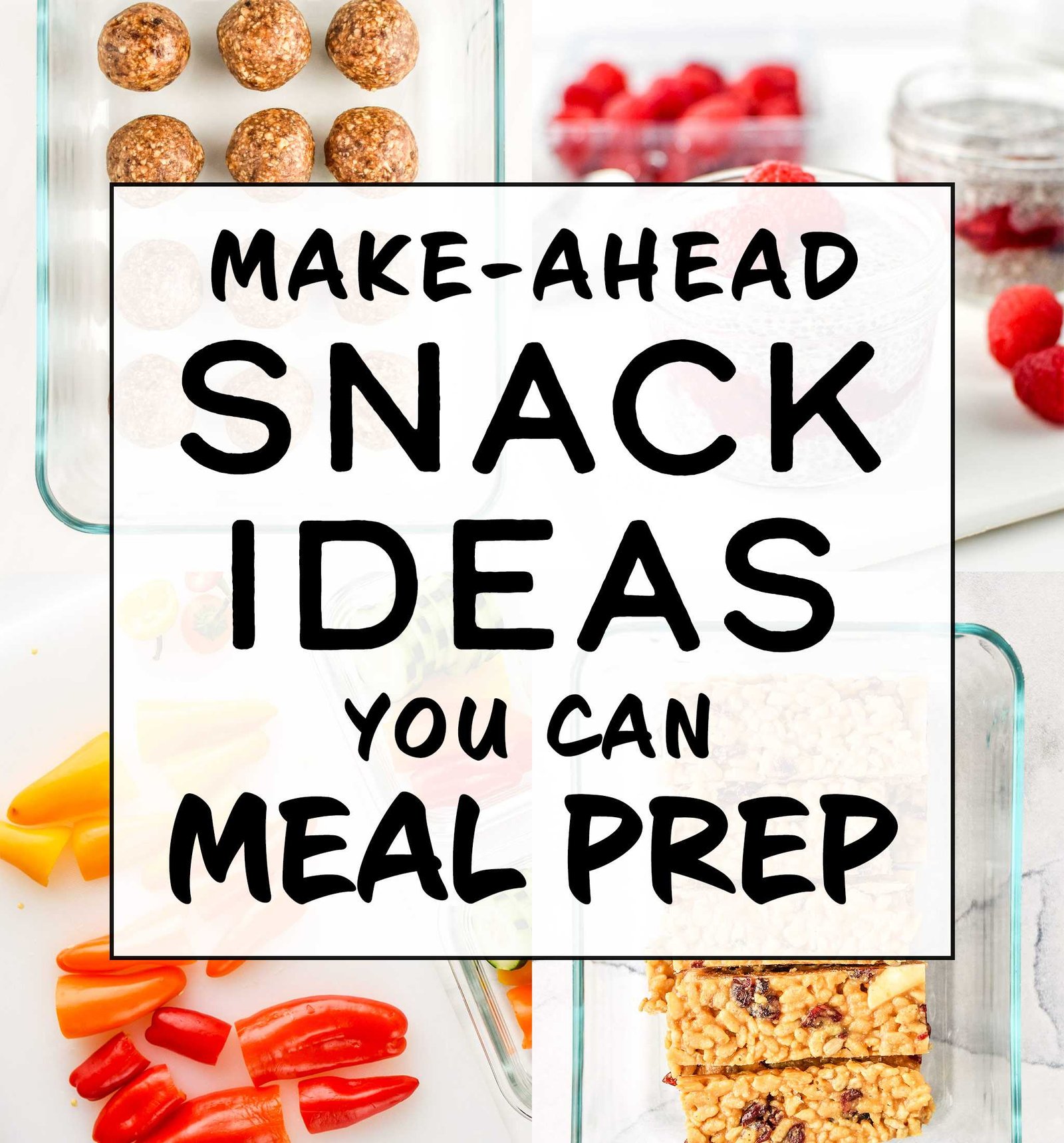
Snacks are a vital part of meal prep, helping you stay full between meals. Prep snack packs such as:
- Mixed nuts and dried fruits
- Cut vegetables with hummus or yogurt dips
- Homemade granola bars
- Cheese and whole grain crackers
- Fresh fruit slices or berries
Having pre-portioned snacks reduces the temptation for unhealthy choices.
Time-saving tips for meal prep
Implement these tips to maximize your prep time:
- Batch prep ingredients, not just finished meals.
- Use frozen vegetables to save prep time and extend shelf life.
- Cook versatile ingredients like rice, beans, and chicken in large quantities.
- Invest in good storage containers to keep food fresh longer.
- Plan meals based on what’s already in your pantry and fridge.
Involving the family in meal prep
Getting everyone involved makes prep time fun and builds healthy habits. Assign simple tasks such as washing vegetables, pouring ingredients, or packing snacks. This also teaches kids about nutrition and responsibility.
Meal prep on a budget
Buying in bulk and choosing seasonal produce reduces costs. Focus on affordable proteins like eggs, beans, and canned fish. Use versatile ingredients across multiple meals to maximize your budget.
Maintaining variety and avoiding boredom
Rotate recipes weekly to keep meals exciting. Experiment with different spices and herbs for new flavors. Incorporate international cuisines to add diversity to your weekly menu.
Adapting meal prep for dietary needs
Adjust recipes for specific diets like vegetarian, gluten-free, or low-carb. Use suitable substitutes such as plant-based proteins or gluten-free grains. Consult nutrition labels to ensure meals meet dietary requirements.
Incorporating seasonal produce
Using seasonal fruits and vegetables keeps meals fresh and cost-effective. Check local markets for the best picks. Incorporate seasonal produce into your menus for variety and flavor.
Meal prep safety tips
Follow food safety guidelines to prevent illness. Keep hot foods hot (above 140°F) and cold foods cold (below 40°F). Wash hands and surfaces regularly, and store foods promptly in the refrigerator or freezer.
Final thoughts on meal prepping
Making a weekly plan and prepping meals in advance can make your life easier and healthier. It helps you stay organized, reduces food waste, and saves money. Start small and build your routine as you go.
Meal prepping is all about creating a system that works for you. With some organization and practice, you’ll find it becomes a natural part of your weekly routine. Soon, you’ll enjoy more time, less stress, and meals you can feel good about every day.
Breakfast Meal Prep: Pancake Bowls😍about 30g protein💪🏻 #mealprep #highprotein #easyrecipes
Frequently Asked Questions
What are effective methods to organize ingredients for weekly meal prep?
Start by grouping ingredients based on the meals you’ll prepare. Use clear containers or resealable bags to store components like chopped vegetables, cooked grains, and proteins. Label each container with the date and meal name. Arrange all ingredients in your pantry or fridge logically to make access quick and efficient throughout the week. This organization helps prevent spoilage and saves time during daily cooking.
How can I ensure the freshness of prepped snacks and meals?
To keep your meals fresh, store them in airtight containers that prevent moisture and air from entering. Refrigerate perishable items promptly after preparation. For longer storage, freeze portions in freezer-safe containers, and label them with the date to track freshness. Incorporate airtight seals and consider using vacuum-sealing tools for added preservation. Proper storage significantly extends the quality and safety of your prepped food.
What tools or appliances can assist in efficient weekly meal prepping?
Invest in versatile kitchen gadgets like food processors, slow cookers, and pressure cookers to speed up preparation. Use portioning tools such as measuring cups and scales for accurate servings. Airtight containers, stacking bins, and vacuum sealers help organize and preserve food. A sharp knife and cutting board make prep work safer and quicker, while a labeling system ensures you keep track of all stored items efficiently.
Final Thoughts
Preparing meals and snacks ahead for the week simplifies busy days and ensures healthy eating. Start by planning your menu to avoid last-minute decisions. Choose simple recipes that store well and reheat easily.
Cook in bulk and portion meals into containers for quick access. Label each container to stay organized and save time. Prioritize fresh ingredients that maintain quality throughout the week.
By following these tips, you can efficiently manage your weekly meals and snacks. How to prep meals and snacks ahead for the week becomes an easy routine that saves time and reduces stress.
As an Amazon Associate, We earn from qualifying purchases. When you purchase a product through Amazon links on pulsefitguide.com, we may earn a small commission at no extra cost to you. This helps support the site and keep our content free.