

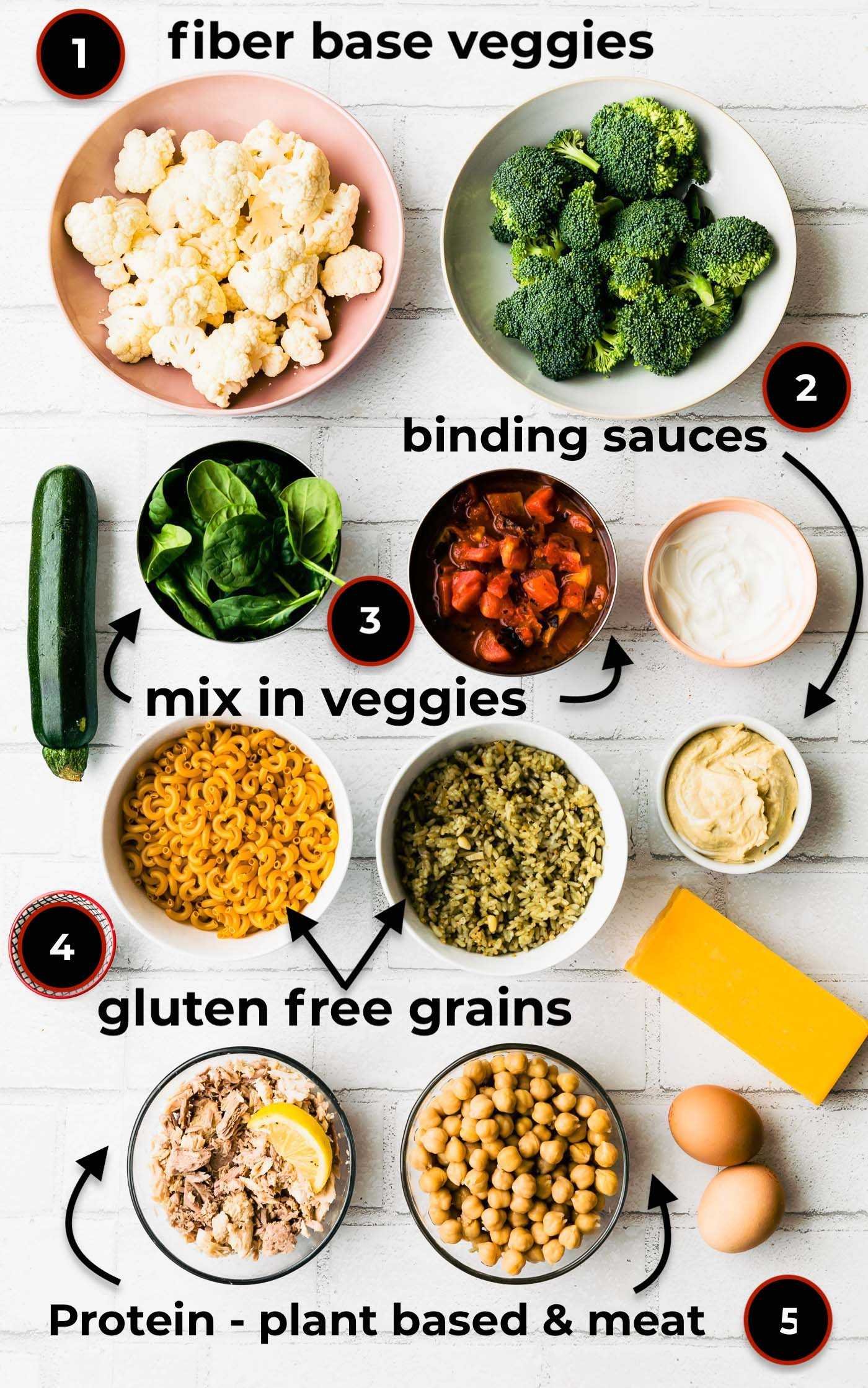
Start with simple staples like fresh vegetables, lean proteins, and whole grains, and get creative with flavorings to craft nutritious meals in minutes. Keep your ingredients minimal, but focus on quality to make every bite count. Batch prepping and versatile ingredients are your best friends for quick, healthy meals on the go.
**Quick answer:** Focus on a few key ingredients like vegetables, proteins, and grains, and use easy flavorings. Prepare in bulk and combine ingredients creatively to save time and stay healthy.
Diving into meal prep with limited ingredients might seem challenging, but it’s actually a smart way to stay healthy without spending hours in the kitchen. The trick is to select simple, versatile ingredients that can be mixed and matched to create a variety of satisfying dishes. Think a handful of fresh veggies, some lean protein such as chicken or beans, and a good grain like rice or quinoa. With a little planning and minimal seasoning, you can whip up nutritious meals that keep your diet on track while saving time and money. Whether you’re a busy professional or a student, mastering this approach makes healthy eating both easy and enjoyable.

How to prep healthy meals with minimal ingredients
Prepping healthy meals doesn’t mean you need a long list of ingredients or complicated recipes. With just a few simple ingredients, you can make nutritious, tasty meals that keep your body energized. This section will guide you through practical tips to create healthy dishes using minimal items.
Understanding the basics of minimal ingredient meal prep
When you start with few ingredients, focus on quality over quantity. Pick versatile ingredients that can be used in multiple dishes. Keep your pantry stocked with essentials like grains, proteins, and vegetables for quick meal assembly.
Choose nutrient-dense ingredients
Opt for foods that pack a lot of nutrients into a small package. For example, leafy greens, eggs, nuts, and beans offer high nutritional value. These ingredients help you create balanced meals without many extras.
Plan for simple flavor combinations
Using herbs and spices can add flavor without extra calories. Stick to a few versatile seasonings like salt, pepper, garlic, and paprika. This keeps your meals flavorful while keeping ingredients minimal.
Smart shopping for minimal ingredients
Buying in bulk saves money and reduces trips to the store. Focus on fresh produce, whole grains, and lean proteins. Avoid overly processed foods that often contain many ingredients.
Make a minimalist shopping list
- Whole grains (rice, oats, quinoa)
- Fresh vegetables (spinach, bell peppers, carrots)
- Proteins (eggs, chicken breast, canned beans)
- Healthy fats (olive oil, nuts)
- Herbs and spices (cumin, basil, garlic powder)
Buy versatile ingredients
Choose ingredients that can be used in multiple recipes. For example, rice can be part of a stir-fry, a salad, or a bowl. Similarly, eggs can be boiled, scrambled, or used in baked dishes.
Prepping ingredients efficiently
Prep ingredients in advance to save time during the week. Washing and chopping vegetables early makes cooking quicker. Store prepped items in clear containers for easy access.
Batch cooking basics
Cook large portions of grains and proteins at once. Use leftovers for future meals. For example, roasted chicken can be used for salads or wraps later in the week.
Simple meal components for multiple dishes
Prepare basic components such as cooked rice, grilled chicken, and steamed vegetables. Mix and match these for different meals, creating variety with minimal effort.
Easy healthy meal ideas with few ingredients
Here are some simple, nourishing meals you can make with just a handful of ingredients.
Vegetable stir-fry with rice
Sauté chopped vegetables like bell peppers, carrots, and spinach in olive oil. Add cooked rice and season with garlic and soy sauce. Serve hot for a quick, filling meal.
Egg and vegetable scramble
Whisk eggs with chopped vegetables such as tomatoes and spinach. Cook in a non-stick pan until fluffy. Add a pinch of salt and pepper for a tasty breakfast or dinner.
Grilled chicken with roasted vegetables
Marinate chicken breasts with olive oil and herbs, then grill or bake. Roast vegetables like zucchini and sweet potatoes in the oven. Combine for a nutritious plate.
Bean and vegetable salad
Mix canned beans with chopped peppers, cucumbers, and onions. Drizzle with olive oil and lemon juice. A simple, protein-rich dish perfect for lunch or a light dinner.
Techniques for flavoring minimal ingredients
Enhance the taste of simple dishes with smart seasoning. Use fresh herbs, citrus zest, and a splash of vinegar to add layers of flavor.
Using herbs and spices
Fresh herbs like cilantro, basil, and parsley brighten dishes. Spices such as cumin and paprika give depth without extra ingredients.
Adding acidity
A squeeze of lemon or lime can elevate bland ingredients. Vinegar balances flavors and adds brightness to salads and cooked dishes.
Incorporating healthy fats
Olive oil, avocado, or nuts can improve texture and flavor. Use them to finish dishes or as part of dressings.
Tips for maintaining minimal ingredient meals
Staying organized helps keep ingredient lists short and meals healthy. Keep your pantry stocked with staples and plan your weekly menus.
Meal planning strategies
Create a weekly plan with easy, repeatable recipes. This reduces impulse shopping and keeps meals simple yet nutritious.
Batch prep for the week
Cook grains and proteins in bulk and divide into portions. Store in the fridge or freezer, so you always have healthy ingredients ready.
Adjust recipes to include seasonal produce
Using seasonal vegetables and fruits ensures freshness and keeps ingredients affordable. This variation keeps your meals exciting.
Balancing minimal ingredients with proper nutrition
Ensure your meals include enough protein, healthy fats, and carbs. Incorporate a variety of foods to cover all essential nutrients.
Incorporate protein-rich foods
Eggs, beans, and chicken provide necessary protein. Adding these ensures your meals are filling and support muscle health.
Include healthy fats
Nuts, seeds, and olive oil support brain health and help you stay satisfied longer.
Opt for fiber-rich carbs
Whole grains and vegetables supply fiber, aiding digestion and keeping you full.
Prepping healthy meals with minimal ingredients is achievable with a bit of planning and smart shopping. Focus on versatile, nutrient-dense foods and simple cooking techniques to create nourishing dishes. Keeping your pantry stocked with essentials and prepping ingredients in advance makes healthy eating easy and accessible, even on busy days. With these strategies, you can enjoy flavorful, wholesome meals without needing a long list of ingredients or complex recipes.
How to make 10 Tasty Meals on a budget 🤝💵
Frequently Asked Questions
What are some simple ingredient combinations for quick healthy meals?
Focus on pairing versatile ingredients like eggs, vegetables, grains, and lean proteins such as chicken or fish. For example, combine spinach and tomatoes with scrambled eggs or prepare a quick grain bowl with quinoa, roasted vegetables, and grilled chicken. These combinations require minimal ingredients and come together quickly, providing balanced nutrition.
How can I plan meals that require few ingredients but stay nutritious?
Start by identifying staple ingredients you enjoy and can use in multiple recipes. Create a weekly plan that features simple dishes like salads, stir-fries, or wraps that use these staples. Incorporate fresh produce, protein sources, and whole grains to ensure your meals remain nutritious without needing many different ingredients.
What cooking techniques help maximize flavor with minimal ingredients?
Use techniques like marinating, roasting, and sautéing to enhance the natural flavors of ingredients. Spices, herbs, and citrus zest can also add depth without extra components. For instance, marinate chicken with lemon and herbs before grilling or roast vegetables with garlic to boost their taste naturally.
How can I keep healthy meal prep simple without sacrificing variety?
Prepare base ingredients such as cooked grains or roasted vegetables in advance. Then, combine them with different proteins or toppings throughout the week. This method allows you to create various meals with minimal effort while maintaining a diverse menu that still meets your nutritional needs.
Are there specific pantry staples that make healthy meal prep easier?
Yes, stock your pantry with essentials like canned beans, nuts, olive oil, spices, and dried herbs. These ingredients can quickly add flavor and nutrition to your meals. Having these staples on hand allows you to whip up healthy dishes without shopping frequently or relying on many fresh ingredients.
Final Thoughts
How to prep healthy meals with minimal ingredients offers a simple yet effective way to eat well. Focus on versatile staples like rice, beans, and fresh vegetables that can be combined easily. Use herbs and spices to add flavor without extra complexity. Preparing in advance saves time and reduces stress, making healthy eating sustainable. By sticking to a few quality ingredients, you create nutritious meals effortlessly.
As an Amazon Associate, We earn from qualifying purchases. When you purchase a product through Amazon links on pulsefitguide.com, we may earn a small commission at no extra cost to you. This helps support the site and keep our content free.