

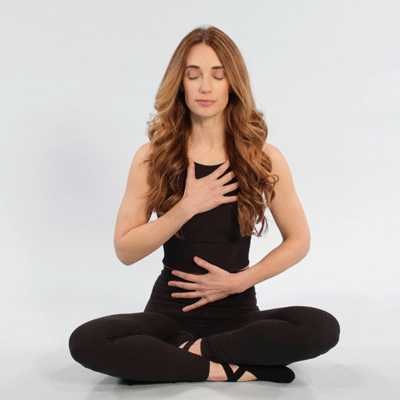
Take a deep breath and feel the tension melt away—practicing deep breathing or meditation can instantly calm your mind and body. Just a few minutes a day of mindful breathing can significantly reduce stress and improve your overall well-being. To practice effectively, find a quiet space, sit or lie comfortably, and focus on slow, deep breaths, inhaling through your nose and exhaling gently through your mouth. Incorporate meditation techniques like guided imagery or body scans to deepen relaxation. Regular practice helps train your mind to stay present and manage stress more effectively. Whether you’re new to meditation or seasoned, establishing a simple routine can make a profound difference in your daily life. Keep reading to discover practical tips on incorporating deep breathing and meditation into your routine to stay calm and centered.

How to practice deep breathing or meditation to reduce stress
Understanding the importance of deep breathing and meditation
Deep breathing and meditation are simple yet powerful tools to lower stress levels. They help calm your mind and relax your body, reducing anxiety and tension. Regular practice can improve overall mental health and make stressful situations easier to handle.
How deep breathing works to reduce stress
Deep breathing activates the body’s relaxation response, slowing the heart rate and lowering blood pressure. It increases oxygen flow to the brain and muscles, helping you feel calmer and more centered. This technique is especially effective during moments of acute stress or anxiety.
Steps to practice deep breathing effectively
- Find a quiet and comfortable place to sit or lie down.
- Place one hand on your chest and the other on your belly.
- Take a slow, deep breath through your nose, aiming to fill your belly with air.
- Feel your belly rise as you breathe in. Keep your chest still.
- Exhale slowly through your mouth or nose, letting all the air out.
- Repeat this process for 5 to 10 minutes, focusing on your breath.
Use a timer or a calming playlist to help maintain your focus during practice. Consistency is key to experiencing the benefits.
Different deep breathing techniques to try
Diaphragmatic Breathing
This method emphasizes expanding your diaphragm. Breathe deeply into your belly, not your chest, for maximum relaxation.
Box Breathing
Inhale for four counts, hold for four counts, exhale for four counts, and hold again for four counts. Repeat to create a calming rhythm.
4-7-8 Breathing
Inhale quietly through your nose for four seconds, hold your breath for seven seconds, then exhale slowly for eight seconds. This pattern helps slow the heart rate and relax nerves.
Incorporating meditation into daily routines
Start with just five minutes a day and gradually increase the time. Consistency makes meditation a natural part of your day, reducing stress over time. Find a quiet spot and set a regular schedule to build the habit.
Basic meditation practices for stress reduction
- Choose a comfortable seated position, keeping your back straight but relaxed.
- Close your eyes or soften your gaze.
- Focus on your breath, noticing the sensation of air entering and leaving your body.
- If your mind wanders, gently bring it back to your breath without judgment.
- Allow thoughts to pass like clouds, maintaining a non-judgmental attitude.
Consistency, patience, and a gentle attitude are essential for meditation to be effective in stress management.
Mindfulness meditation and its benefits
Mindfulness involves paying close attention to the present moment without judgment. It helps you become aware of stress triggers and respond calmly. Practicing mindfulness can enhance emotional resilience and promote a sense of peace.
Deep breathing combined with visualization techniques
Imagine a peaceful place, like a quiet beach or a gentle forest, while practicing deep breathing. Visualize yourself relaxing there, feeling the calm and serenity. This combination deepens relaxation and helps detach from stressful thoughts.
Using guided meditation apps and recordings
Apps and recordings can provide structure and variety to your practice. They offer guided sessions, background sounds, and visualizations that make it easier to stay focused. Some popular options include Headspace, Calm, and Insight Timer.
Creating a calming environment for practice
Choose a quiet space free of distractions. Dim the lights, play soft music if desired, and sit comfortably. Making your environment inviting encourages regular practice and enhances relaxation.
Additional tips for successful stress reduction
- Practice at the same time each day to build a habit.
- Be patient with yourself; progress takes time.
- Combine deep breathing and meditation with other healthy habits like stretching and physical activity.
- Maintain a positive attitude and avoid judgment if your mind wanders.
Over time, these practices can significantly lower your stress levels and improve your overall well-being.
Tracking your progress and making adjustments
Keep a journal to note how you feel after each session. If certain techniques seem more effective, focus on them. Adjust the duration and timing to fit your schedule and preferences for sustained benefits.
Related topics for further exploration
- Yoga and its role in stress reduction
- Nutrition and mental health
- The importance of regular physical activity
- Sleep hygiene and stress management
Integrating these complementary practices can create a holistic approach to managing stress effectively.
Practicing deep breathing and meditation provides practical, accessible tools to handle daily stress. Regular use can lead to a calmer mind, healthier body, and improved emotional resilience. Remember, starting small and staying consistent will help these techniques become a natural part of your life, bringing lasting benefits.
Breathing Trick Takes Away Stress and Anxiety! Dr. Mandell
Frequently Asked Questions
How can I create a calming environment for meditation practice?
To foster a peaceful setting, choose a quiet space away from distractions. Dim the lights or use soft lighting, and eliminate noise by turning off electronics or using calming sounds. Sitting comfortably on a cushion or chair helps you relax. Incorporate elements like fresh air or calming scents such as lavender to enhance the atmosphere, encouraging your mind to settle and focus during your practice.
What are effective techniques for maintaining focus during meditation?
Start by anchoring your attention on your breath, noticing each inhale and exhale without trying to control it. When your mind drifts to other thoughts, gently bring it back to your breath or chosen point of focus. Using guided meditations or visualizations can also help keep your mind engaged. Consistent practice trains your attention, making it easier to stay present and reduce stress over time.
How can I incorporate deep breathing into my daily routine to manage stress?
Set aside a few minutes each day, preferably at the same time, to practice deep breathing. Find a comfortable position, close your eyes if you prefer, and take slow, deep breaths through your nose. Focus on fully filling your lungs and then slowly exhaling. Repeat this process, gradually increasing the duration of each breath. Using reminders or integrating breathing exercises into activities like walking or waiting can help make it a regular habit.
What are some common obstacles faced when practicing meditation and how can I overcome them?
Many people struggle with restlessness or a wandering mind. To overcome this, accept that distractions are normal and gently redirect your focus back to your breath or chosen anchor without judgment. Finding a comfortable setting and starting with short sessions can also help build consistency. Patience and persistence play key roles, so be kind to yourself as you develop your practice.
Are there specific types of meditation that effectively reduce stress?
Yes, practices like mindfulness meditation, loving-kindness meditation, and body scan techniques are known for their stress-reducing benefits. These methods encourage present-moment awareness, compassion, and relaxation. Experimenting with different approaches can help you find the one that resonates most with you, making it easier to integrate into your daily routine for ongoing stress relief.
Final Thoughts
Practicing deep breathing or meditation to reduce stress involves setting aside a few minutes daily to focus on your breath. Find a quiet space, sit comfortably, and breathe slowly, noticing each inhale and exhale. Concentrate on your breathing to clear your mind and relax your body.
Consistency is key. Incorporate these techniques into your routine to build resilience against stress. Over time, you’ll feel calmer and more centered.
How to practice deep breathing or meditation to reduce stress is simple and effective. Make these practices a daily habit, and enjoy the peace they bring.
As an Amazon Associate, We earn from qualifying purchases. When you purchase a product through Amazon links on pulsefitguide.com, we may earn a small commission at no extra cost to you. This helps support the site and keep our content free.