

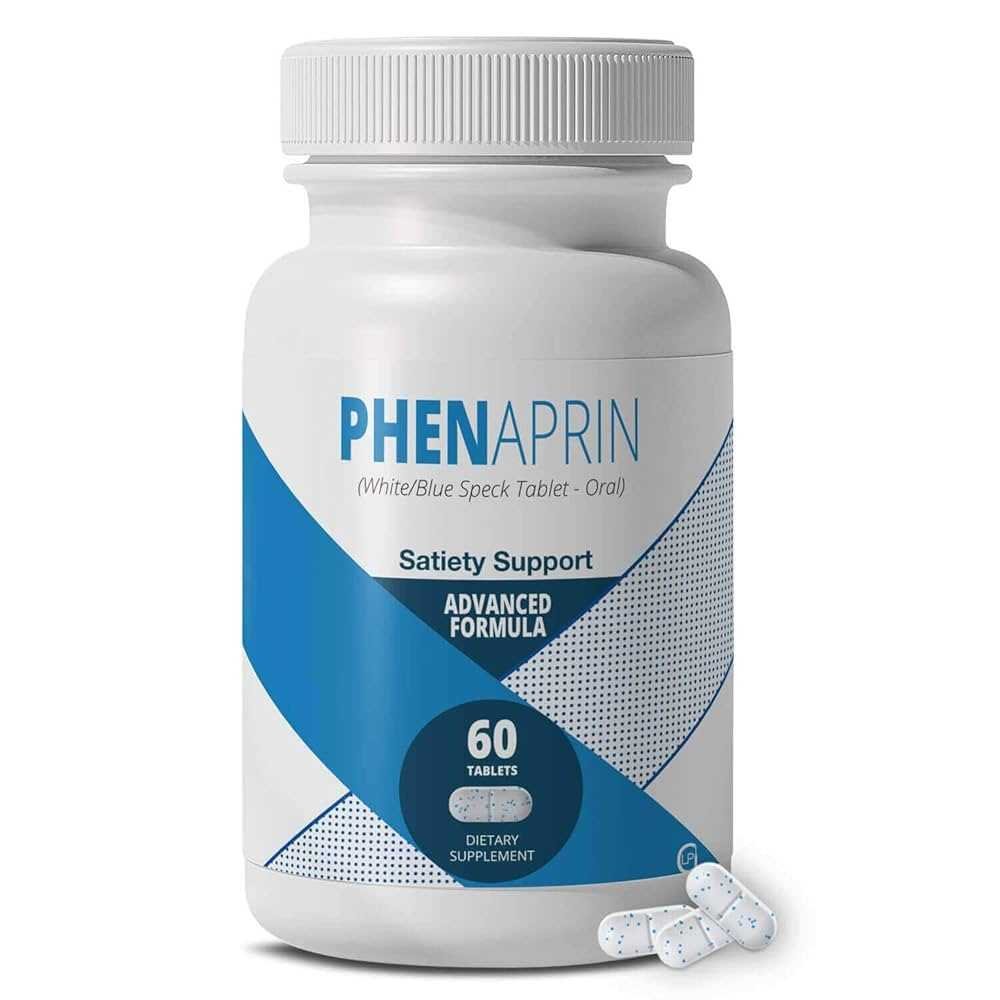
To effectively control hunger, pairing healthy fats with your meals is a game-changer. Incorporate sources like avocados, nuts, seeds, or olive oil into your dishes to stay fuller longer and curb cravings. Simply adding these fats to your meals can stabilize blood sugar levels and give you sustained energy throughout the day.
In short, to manage hunger with healthy fats, include nutrient-rich options such as avocados, nuts, and olive oil in your meals. These fats help keep you full and satisfied, reducing unnecessary snacking. Combining them thoughtfully with balanced proteins and carbs maximizes their hunger-controlling benefits.
Starting your day with a breakfast that includes healthy fats can set the tone for better appetite regulation. It’s all about choosing the right fats and pairing them with the right foods to create satisfying, nourishing meals that prevent overeating. Whether it’s drizzling olive oil over veggies or adding a handful of nuts to your yogurt, these simple swaps make a significant difference in how hungry you feel later. Embracing this approach is an easy, tasty way to support your weight management goals while enjoying delicious meals.

How to pair healthy fats with meals to control hunger
Understanding the Role of Healthy Fats in Hunger Control
Healthy fats play a vital role in keeping you feeling full longer. They slow down digestion, allowing your body to absorb nutrients gradually. Including the right fats in your meals can reduce cravings and help manage your appetite throughout the day.
Types of Healthy Fats to Incorporate
Knowing which fats are beneficial is essential. Focus on monounsaturated and polyunsaturated fats found in foods like avocados, nuts, seeds, and oily fish. Avoid trans fats and limit saturated fats from processed foods to maintain optimal health.
Monounsaturated Fats
These fats are known for their heart health benefits and ability to promote satiety. Examples include olive oil, avocado, and cashews. Incorporate these fats into salads, spreads, or as cooking oils for tasty, hunger-satisfying meals.
Polyunsaturated Fats
Omega-3 and omega-6 fatty acids fall under this category. Fatty fish like salmon,mackerel, and sardines are excellent sources. They help reduce inflammation and keep you full longer when included regularly in your diet.
How to Incorporate Healthy Fats into Your Meals
Adding healthy fats to meals doesn’t require much effort. Simple tips include drizzling olive oil over vegetables, adding nuts to yogurt, or including avocado slices in sandwiches. These small changes can significantly impact hunger levels.
Breakfast Ideas Rich in Healthy Fats
Start your day with options like scrambled eggs with avocado, Greek yogurt topped with nuts and seeds, or whole-grain toast with almond butter. These choices provide lasting energy and curb morning hunger.
Lunch and Dinner Suggestions
Add sliced avocado to salads, include fatty fish in your main dish, or toss mixed nuts into grain bowls. Cooking with olive oil or using nut-based dressings adds flavor and keeps you satisfied for hours.
Meal Composition for Optimal Satiety
Balance is key to well-rounded meals. Combine healthy fats with lean proteins and fiber-rich carbohydrates. This combination stabilizes blood sugar levels and prolongs feelings of fullness.
Example of a Balanced Meal
A grilled chicken salad with mixed greens, cherry tomatoes, olive oil, and nuts provides proteins, fats, and fiber. This kind of meal keeps hunger at bay and supplies essential nutrients.
Timing and Portion Control of Healthy Fats
Consuming the right amount of fats at appropriate times supports hunger management without excess calories. Focus on moderate portions, such as a handful of nuts or a small avocado, to avoid overeating.
Healthy Fats in Snacks
Opt for snack options like a small handful of almonds, a spoonful of peanut butter, or slices of cheese with whole-grain crackers. These choices provide satisfying fats without excessive calories.
Smart Substitutions and Meal Tweaks
Replace less healthy ingredients with nutrient-dense fats to improve satiety. For example, swap butter for avocado spread or mayonnaise for Greek yogurt mixed with olive oil.
Sample Substitutions
- Use mashed avocado instead of butter on toast
- Choose nuts or seeds over croutons in salads
- Cook vegetables with olive oil rather than butter or margarine
- Add flaxseed to smoothies or oatmeal for extra omega-3s
Additional Tips for Effective Hunger Management
Timing your meals and snacks is crucial for sustained fullness. Eating smaller, frequent meals with healthy fats can prevent energy dips and excessive hunger.
Consistent Meal Times
Establish regular eating patterns to train your body and stabilize blood sugar levels. Pair each meal with some healthy fats to maximize satiety.
Stay Hydrated
Sometimes thirst disguises hunger. Drinking plenty of water throughout the day complements your efforts to control appetite and supports digestion.
Combining Fats with Physical Activity
Pairing your balanced meals with regular exercise can also influence hunger regulation. Physical activity enhances metabolism and helps your body utilize fats more efficiently.
Monitoring and Adjusting Your Fat Intake
Keep track of your fat consumption to ensure you’re meeting your health goals. Use food journals or tracking apps to identify patterns and make adjustments as needed.
Listening to Your Body
Pay attention to signals of fullness and hunger. Incorporate healthy fats gradually, allowing your body to adapt and respond appropriately.
Summary
Adding healthy fats to your meals is a simple yet effective way to control hunger naturally. Focus on nutrient-rich sources like avocados, nuts, seeds, and oily fish. Incorporate them thoughtfully into balanced meals that include proteins and fiber, and be mindful of portions. Regularly including these fats not only reduces cravings but also promotes overall health and well-being.
By understanding how to pair and include healthy fats correctly, you can enjoy satisfying meals that support your weight management and health goals. Small daily changes can lead to significant improvements in appetite control and energy levels.
Eat Less Move More
Frequently Asked Questions
What are some meal components to pair with healthy fats for better hunger control?
Incorporate sources of lean protein, fiber-rich vegetables, and whole grains alongside healthy fats. These combinations help slow digestion and keep you full longer. For example, add avocado to a salad with grilled chicken and whole grain bread for a balanced meal that sustains energy and reduces hunger between meals.
How can portion size impact the effectiveness of healthy fats in managing hunger?
Controlling the portion size of healthy fats ensures you receive enough to satisfy your appetite without overeating. Moderate servings, such as a small handful of nuts or a teaspoon of olive oil, provide essential nutrients and promote satiety without excess calorie intake. Balancing portion size helps maintain a healthy weight and keeps hunger in check.
When is the best time to include healthy fats to curb hunger throughout the day?
Adding healthy fats during meals, especially at breakfast and lunch, helps stabilize blood sugar levels and prevents mid-meal cravings. Consuming fats in the morning sets a foundation for sustained energy and reduces the likelihood of overeating later in the day. Spreading healthy fats across your meals supports consistent satiety and helps manage overall calorie intake.
Final Thoughts
How to pair healthy fats with meals to control hunger is straightforward. Incorporate nuts, seeds, or avocado into your dishes for satiety and balanced nutrition. Use olive oil for dressing or cooking to add healthy fats naturally. Combining these fats with fiber-rich foods enhances fullness and keeps hunger at bay. Consistently pairing healthy fats with meals helps maintain energy levels and curb overeating throughout the day.
As an Amazon Associate, We earn from qualifying purchases. When you purchase a product through Amazon links on pulsefitguide.com, we may earn a small commission at no extra cost to you. This helps support the site and keep our content free.