

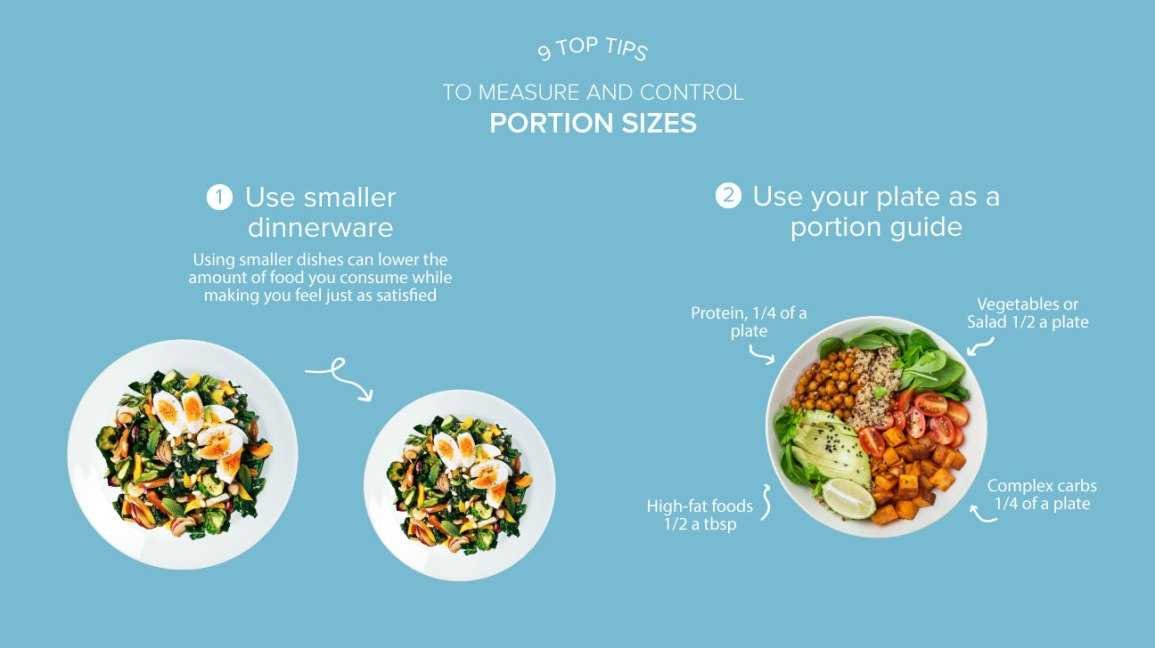
Using smaller plates is a simple yet effective way to control your portion sizes and support healthier eating habits. By choosing smaller dishes, you can naturally reduce how much food you serve yourself without feeling deprived. This trick leverages visual cues to trick your brain into thinking you’re eating more than you actually are, making it easier to stick to your goals.
To monitor portion sizes using smaller plates, start by replacing your regular dinnerware with smaller plates or bowls. Fill them with balanced servings, focusing on vegetables and lean proteins, and avoid going back for seconds. Over time, this helps train your mind to recognize appropriate portions and promotes mindful eating.
If you want to keep your portions in check effortlessly, switching to smaller plates is a quick, cost-effective solution. It helps you eat less without feeling hungry or deprived. By making this simple change, you can better manage your intake, support weight management, and develop healthier eating habits that last.

How to Monitor Portion Sizes Using Smaller Plates
Understanding the Power of Plate Size
Using smaller plates can significantly help control your portion sizes without feeling deprived. When you switch to a smaller plate, your brain perceives the amount of food as more substantial, which can make you feel full with less food. This visual cue is an effective way to naturally reduce your intake.
Research shows that people eat less when served on smaller plates because of the optical illusion of a full plate. Your brain estimates portions based on the plate’s size, meaning a small plate can trick your mind into feeling satisfied with smaller amounts. This simple change can have a big impact over time on your eating habits.
Choosing the Right Plate Size
Selecting the proper size plate is key to managing portion sizes effectively. For main courses, a plate with a diameter of 8 to 9 inches is ideal for adults aiming to control servings. Smaller plates, around 6 to 7 inches, work well for snacks or side dishes.
Avoid using overly large dinnerware, as it encourages piling more food onto the plate. A good rule of thumb is to use a plate that visually appears full with your typical portion. This way, you can enjoy your meal while maintaining calorie control.
Portioning Food Properly
Before serving, measure your food with standard tools like measuring cups or a kitchen scale. This practice helps you understand what a typical serving looks like for different food groups. When you place food on a smaller plate, aim to fill about half the plate with vegetables or salads.
Use visual guides to portion out your meals. For example, a serving of meat should be roughly the size of a deck of cards, and a serving of grains about the size of a small tennis ball. Incorporating these visual cues makes it easier to stay within recommended portion sizes.
Utilizing Visual Aids and Food Journals
Create visual reference charts for common food portions and keep them nearby in your kitchen. These charts can show you how much of each food type equals a standard serving size. Tracking your meals in a food journal or app adds an extra layer of accountability.
Recording your intake helps you identify patterns and adjust portions accordingly. When you use a smaller plate, compare your plated meal to these visual aids to ensure your portions are appropriate. This consistency supports better portion control over time.
Practicing Mindful Eating
Eating slowly and paying close attention to how hungry or full you feel enhances your ability to recognize true hunger cues. Turn off distractions like TV or smartphones during meals to focus solely on your food.
Taking small bites and chewing thoroughly allows your brain to receive signals of satiety. When using smaller plates, try to put your utensil down between bites and assess your fullness level. This mindfulness reduces the tendency to overeat.
Incorporating Multiple Small Meals
Instead of large, heavy meals, consider dividing your daily intake into smaller portions throughout the day. Smaller plates are perfect for supporting this style of eating, as they naturally limit portion sizes for each meal or snack.
This approach helps maintain steady energy levels and prevents overeating during main meals. Use smaller plates for breakfast, lunch, dinner, and snacks to promote consistent portion control.
Using Meal Planning and Preparation Techniques
Plan your meals ahead of time by pre-portioning food into smaller servings using containers or small bowls. When ready to eat, serve these pre-measured portions on smaller plates to avoid overeating.
Meal prepping not only saves time but also enforces portion control. Make it a habit to prepare balanced meals with appropriate portions of protein, carbs, and vegetables, then serve on your smaller plates.
Smart Substitutions and Food Choices
Opt for lower-calorie, high-volume foods like vegetables and salads to fill your smaller plates comfortably. These foods add bulk and nutrients without excess calories, helping you feel full longer.
Replace high-calorie ingredients with healthier alternatives, such as using Greek yogurt instead of sour cream or cauliflower rice instead of white rice. These choices support your portion control goals while keeping meals satisfying.
Monitoring Progress and Adjusting Techniques
Keep track of your portion sizes and how you feel after meals. If you notice increased fullness or weight loss, continue with your current strategy. If not, experiment with different plate sizes or food choices.
Regularly reviewing your progress helps you fine-tune your portioning methods. Remember that consistency is key, and small, sustained changes lead to better long-term results.
Additional Tips for Success
- Eat from smaller plates only at meal times to create a consistent routine.
- Don’t eat straight from packaging; always serve your food on a plate.
- Be patient if your appetite takes time to adjust to smaller portions.
- Pair your balanced, smaller portions with plenty of water to increase satiety.
- Stay mindful of behavioral cues, like eating out of boredom rather than hunger.
Related Topics
- How to create balanced meals
- Benefits of mindful eating
- Healthy snack ideas for portion control
- Tips for resisting overeating at social gatherings
- The role of hydration in appetite regulation
Implementing these strategies can help you develop healthier eating habits naturally. Using smaller plates is a simple, practical approach that, combined with mindful practices, supports your goals for better portion control. Remember, consistency and awareness are the keys to making lasting change.
Healthy Portion Size Guide | Using Hands
Frequently Asked Questions
How can I ensure my smaller plates still look appealing and satisfying?
To make smaller plates appear more inviting, focus on organizing the food attractively. Use varied colors and textures to enhance visual appeal, and fill the plate with balanced portions that include vegetables, proteins, and carbs. Arranging items neatly and avoiding overcrowding can create an inviting presentation, making the meal feel hearty despite the smaller size.
What strategies can I use to avoid overeating when using smaller plates?
Fill your plate intentionally with nutrient-dense foods and practice mindful eating. Take your time to chew thoroughly and pause between bites to gauge your hunger levels. Serving smaller initial portions allows you to assess if you need more before getting seconds, helping prevent overeating.
How does the choice of plate color influence portion perception?
The color of your plate can impact how large your portions appear. Lighter or contrasting colors can make food look more prominent, encouraging you to feel satisfied with smaller amounts. Darker plates tend to hide food portions more, but be mindful that they may also make portions seem smaller than they are, potentially leading to increased serving sizes.
Can I use specific plate shapes to better control my servings?
Yes, using plates with defined sections or compartments can help you allocate appropriate portions to different food groups. This visual separation guides you to distribute your intake more evenly, reducing the tendency to pile food onto one side and helping maintain balanced portions.
How important is it to measure food when using smaller plates?
Measuring food initially can help you understand appropriate portion sizes for your smaller plates. Once you get a feel for proper amounts, you can estimate visually, which makes it easier to stick to healthy serving sizes without constantly measuring. This practice supports long-term portion control habits.
Final Thoughts
Monitoring portion sizes using smaller plates is an effective strategy to control your intake. Start by serving appropriate portions directly on your plate to avoid second servings. Opt for plates that are slightly smaller than your usual to naturally limit portion size. This simple technique helps you eat mindfully and maintain healthier habits.
By consistently applying this method, you reinforce portion control and support your health goals. Keep these tips in mind to make small changes with big impacts. Remember, how to monitor portion sizes using smaller plates can guide you toward better eating habits every day.
As an Amazon Associate, We earn from qualifying purchases. When you purchase a product through Amazon links on pulsefitguide.com, we may earn a small commission at no extra cost to you. This helps support the site and keep our content free.