

To effectively lose fat after 50, managing stress and cortisol levels is essential. Incorporating relaxation techniques, maintaining a balanced diet, and staying active can significantly reduce cortisol and support fat loss. Prioritizing mental well-being alongside physical activity creates a holistic approach for lasting results.
If you’re over 50 and struggling to shed stubborn fat, high stress and elevated cortisol might be the culprits. The good news is that simple lifestyle changes—like practicing mindfulness, ensuring quality sleep, and managing workload—can help lower cortisol levels. These strategies promote better metabolic health and make your fat loss journey smoother and more sustainable.
As we age, our bodies become more sensitive to stress, which can lead to increased cortisol production and stubborn fat accumulation, especially around the abdomen. This hormonal shift makes it harder to lose weight despite diet and exercise efforts. Fortunately, understanding how stress impacts fat storage and adopting stress-reduction techniques can be game-changers. Simple habits such as meditation, regular moderate exercise, and adequate rest are powerful tools to lower cortisol and support your fat loss goals after 50. Taking charge of your mental and physical health not only enhances weight management but also boosts overall well-being during this stage of life.

How to Manage Stress and Cortisol for Fat Loss After 50
After turning 50, many people notice changes in how their body responds to diet and exercise. One key factor that influences fat loss is stress, especially the hormone cortisol. High cortisol levels can make it harder to shed extra pounds, particularly around the belly area. Managing stress effectively can help keep cortisol levels in check and support your weight loss goals.
Understanding the Role of Cortisol in Fat Storage
Cortisol is a hormone produced by your adrenal glands. It helps your body respond to stress by increasing energy availability. However, sustained high levels of cortisol can lead to increased fat storage, especially in the abdominal region. This is why managing cortisol is important for fat loss after 50.
When you experience stress regularly, your body maintains elevated cortisol levels. Over time, this can cause muscle loss, increase appetite, and promote fat accumulation. Understanding this connection helps you realize why stress management is crucial for effective weight loss.
How Stress Affects Hormones and Metabolism
Stress triggers the release of other hormones like adrenaline and vasopressin, which also impact your metabolism. Chronic stress can disrupt the balance of hormones such as insulin and leptin, leading to increased hunger and reduced feelings of fullness.
This hormonal imbalance makes it more difficult to stick with healthy eating habits and exercise routines. Therefore, reducing stress helps restore hormonal harmony, aiding in fat burning and muscle preservation.
Recognizing Signs of Chronic Stress and Elevated Cortisol
Common signs include constant fatigue, irritability, trouble sleeping, and unexplained weight gain, particularly around the abdomen. You might also experience increased cravings for sugary or carbohydrate-rich foods, which can spike cortisol levels further.
Identifying these signs early allows you to take steps to lower stress. Regularly monitoring your mood and sleep patterns can offer clues about your stress levels and overall hormonal health.
Strategies to Reduce Stress Effectively
Mindfulness and Meditation
Practicing mindfulness or meditation daily can reduce cortisol production. Just a few minutes of deep breathing or focused attention can lower your stress response. Consistency in these practices yields the best results over time.
Physical Activity and Exercise
Engaging in moderate exercise like walking, swimming, or yoga helps release endorphins, which are natural stress relievers. Exercise also lowers cortisol levels and improves sleep quality. Make physical activity a daily routine for optimal benefits.
Quality Sleep and Restorative Routines
Getting enough sleep is critical for managing stress and cortisol. Aim for 7 to 8 hours of restful sleep each night. Establish a bedtime routine, avoid screens before bed, and create a calm sleeping environment to enhance sleep quality.
Social Connection and Support
Spending time with friends, family, or support groups can boost your mood and reduce feelings of stress. Talking about your worries often relieves mental tension and broadens your perspective.
Balanced Nutrition for Stress Reduction
Eating a diet rich in whole foods, lean proteins, healthy fats, and fiber supports your body’s stress response. Avoid excess caffeine and sugar, which can increase cortisol levels. Incorporate stress-reducing foods like berries, nuts, and leafy greens.
Diet Tips to Support Fat Loss and Reduce Cortisol
| Food Group | Examples | Benefits |
|---|---|---|
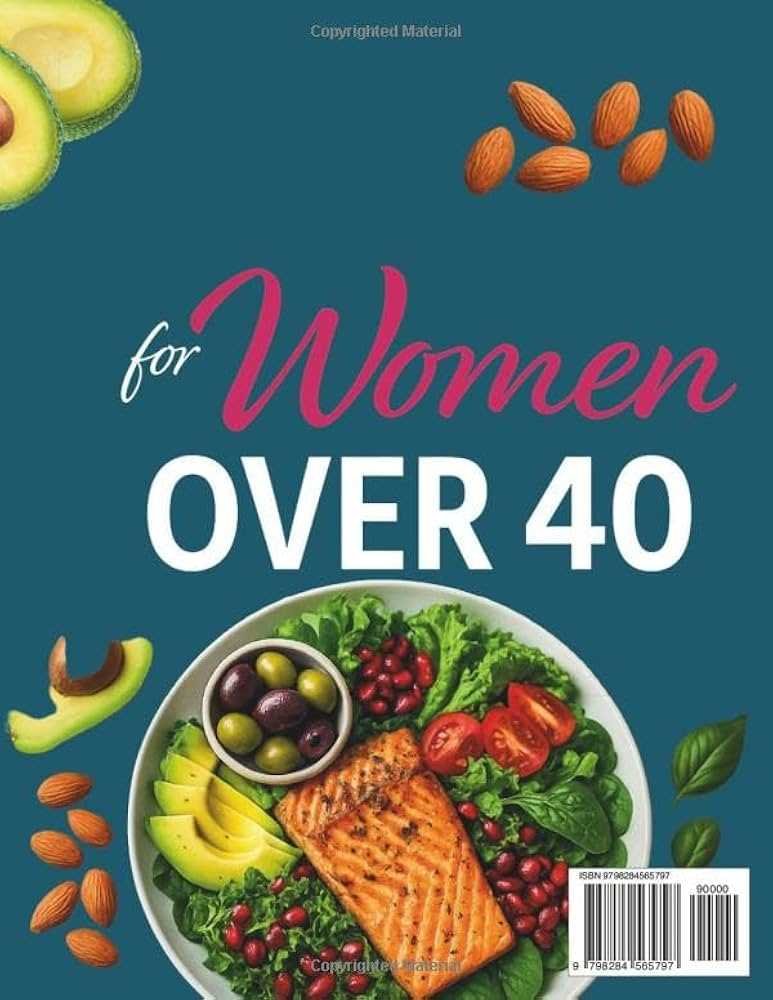
| Healthy Fats | Avocados, olive oil, nuts | Help balance hormones and reduce inflammation |
| Lean Proteins | Chicken, fish, beans | Support muscle repair and keep you full |
| Complex Carbohydrates | Sweet potatoes, oats, quinoa | Provide steady energy and stabilize blood sugar |
| Fruits and Vegetables | Berries, spinach, broccoli | Rich in antioxidants and fiber, reducing inflammation |
Incorporating Relaxation Techniques into Daily Life
- Practice deep breathing exercises for five minutes each day
- Try gentle yoga or tai chi to combine movement with relaxation
- Use aromatherapy with calming scents like lavender or chamomile
- Spend time in nature to soothe your mind and body
Supplemental Support for Managing Stress and Cortisol
Some supplements may aid stress relief, but always consult your healthcare provider first. Adaptogenic herbs like ashwagandha or rhodiola can help balance cortisol levels. Omega-3 fatty acids support brain health and reduce inflammation associated with stress.
Monitoring Progress and Adjusting Your Approach
Keep a journal of your stress levels, sleep quality, and mood to identify patterns. Adjust your coping strategies based on what works best for you. Regularly reviewing your habits ensures sustained progress toward fat loss and well-being.
The Importance of Patience and Consistency
Managing stress and cortisol is a gradual process. Consistent application of stress-reduction techniques yields the best results over time. Remember, small daily efforts make a big difference in your long-term health and weight management goals.
By understanding the impact of stress on hormones and adopting practical strategies, you can support your body’s natural ability to burn fat. Staying proactive in managing stress at age 50 and beyond helps create a healthier, more balanced life while reaching your weight loss goals.
Lower Your Cortisol for Weight Loss – 1 BIG Tip
Frequently Asked Questions
What lifestyle changes can help reduce cortisol levels naturally?
Adopting a consistent sleep schedule, engaging in regular physical activity, practicing relaxation techniques like meditation or deep breathing, and minimizing caffeine intake can help lower cortisol levels. Additionally, maintaining social connections and managing stress through hobbies or mindfulness can contribute to a calmer hormonal balance, supporting fat loss efforts after 50.
How does nutrition influence stress management and cortisol production?
Eating a balanced diet rich in whole foods, including fruits, vegetables, lean proteins, and healthy fats, helps stabilize blood sugar levels and reduce cortisol spikes. Avoiding processed foods and excessive sugar intake prevents blood sugar fluctuations that can increase stress hormones. Incorporating foods like omega-3 fatty acids and antioxidants may also support healthier cortisol levels.
Are there specific types of exercise that help lower cortisol in older adults?
Moderate-intensity exercises such as walking, swimming, or yoga are effective in reducing stress hormones without overtaxing the body. These activities promote relaxation and improve overall mood while supporting fat loss. Avoid high-impact or overly intense workouts that might elevate cortisol levels further, especially if recovery is slow at this stage.
What role does sleep quality play in managing cortisol and fat loss?
Getting enough high-quality sleep each night helps regulate cortisol production. Poor sleep increases cortisol levels, which can hinder fat loss and increase fat storage. Establishing a calming bedtime routine, keeping the bedroom dark and cool, and limiting screen time before bed can enhance sleep quality and support hormonal balance.
Can stress management techniques help improve metabolic health after 50?
Yes, incorporating stress reduction practices like meditation, deep breathing exercises, or tai chi can lower cortisol levels and improve metabolic health. Lower stress levels reduce fat accumulation around the abdomen and support overall well-being, making it easier to maintain a healthy weight as you age.
Final Thoughts
In summary, managing stress and cortisol for fat loss after 50 requires a balanced approach. Incorporate relaxation techniques like meditation and deep breathing to reduce stress levels. Regular exercise, especially aerobic activities, also helps regulate cortisol production. Prioritize sleep and maintain a healthy diet to support overall hormonal balance. By consistently implementing these strategies, you can effectively manage stress and cortisol, making your fat loss journey smoother and more successful.
As an Amazon Associate, We earn from qualifying purchases. When you purchase a product through Amazon links on pulsefitguide.com, we may earn a small commission at no extra cost to you. This helps support the site and keep our content free.