
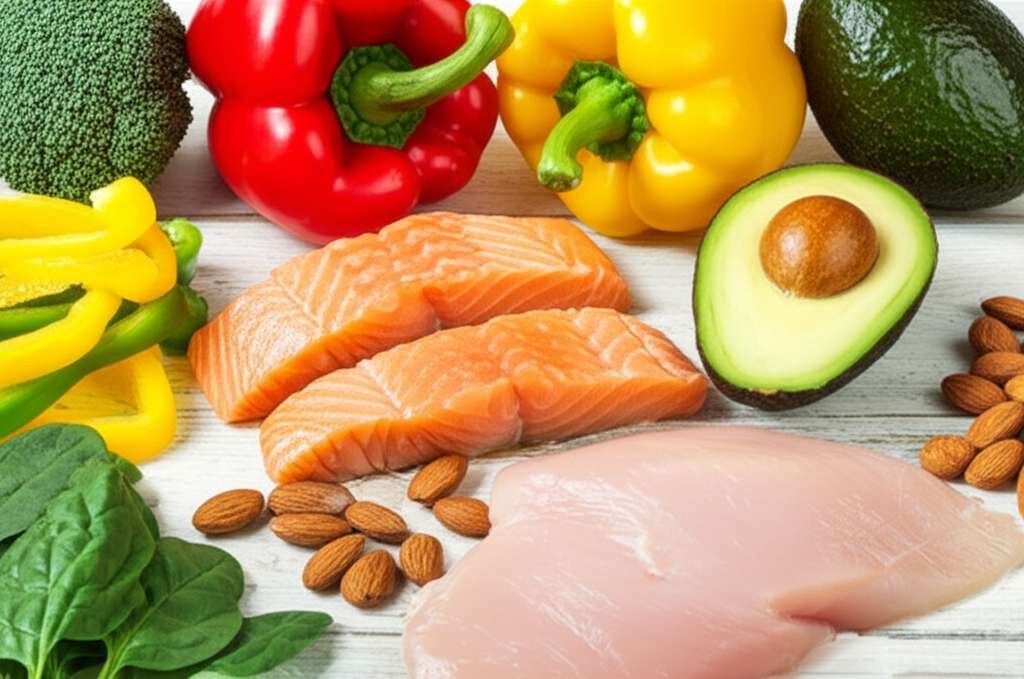
Making a simple fatty liver meal plan focuses on whole foods, lean proteins, healthy fats, and lots of fiber to support liver health and manage weight. It involves reducing sugar, processed foods, and unhealthy fats. This guide offers practical, easy steps to create a sustainable eating pattern for better liver health.
Dealing with fatty liver can feel overwhelming, especially when you’re just starting to learn about it. You might be wondering what you can and can’t eat, and how to put it all together in a way that makes sense for your busy life.
It’s completely normal to feel a bit confused at first. Many people find it challenging to navigate dietary changes for health conditions. But the good news is, creating a simple meal plan for fatty liver doesn’t have to be complicated.
This guide is designed to break down the process into easy, manageable steps. We’ll cover the basics of what to eat and what to limit, and show you how to build delicious, healthy meals that support your liver.
By the end, you’ll have a clear roadmap to creating your own simple fatty liver meal plan, feeling more confident and in control of your health journey.
Understanding Fatty Liver and Your Diet

Fatty liver disease, often called non-alcoholic fatty liver disease (NAFLD), means there’s too much fat built up in your liver. While some fat is normal, too much can cause inflammation and damage over time. It’s a condition that affects millions worldwide, and diet plays a huge role in managing it.
The good news is that your diet is one of the most powerful tools you have to improve liver health. By making smart food choices, you can help reduce fat in your liver, improve your overall health, and even lose weight, which is often a key factor in managing fatty liver.
Think of your liver as your body’s main filter and processing plant. When it’s overloaded with unhealthy foods and excess weight, it can’t do its job as well. A healthy diet helps lighten its load, allowing it to heal and function better.
This guide will focus on simple, practical dietary changes that are easy to adopt, even if you’re new to healthy eating. We’ll focus on building meals around foods that are good for your liver and your body.
Key Principles of a Fatty Liver Diet
The foundation of a good fatty liver meal plan is focusing on whole, unprocessed foods. This means choosing foods in their most natural state as much as possible. It’s about nourishment and helping your body thrive, rather than strict restriction.
The main goal is to reduce the burden on your liver and promote its healing. This involves minimizing foods that can contribute to fat buildup and inflammation, while increasing foods that support detoxification and overall health.
We’ll prioritize foods that are rich in nutrients, fiber, and antioxidants. These elements help combat inflammation, support metabolic health, and aid in weight management. Let’s look at the key players:
- Focus on Whole Foods: Think fruits, vegetables, lean proteins, and whole grains.
- Limit Sugars and Refined Carbs: These can be quickly converted to fat in the liver.
- Choose Healthy Fats: Unsaturated fats are beneficial, while saturated and trans fats should be avoided.
- Stay Hydrated: Water is crucial for all bodily functions, including liver detoxification.
- Control Portion Sizes: Even healthy foods can contribute to weight gain if eaten in excess.
Foods to Embrace for a Healthy Liver
When building your fatty liver meal plan, think of filling your plate with colorful, nutrient-dense foods. These foods are not only good for your liver but also provide essential vitamins, minerals, and fiber that benefit your entire body.
These are the foods that help your liver function optimally and reduce inflammation. They are the building blocks of a healthy, sustainable diet. Let’s explore them:
Vegetables
Vegetables are nutritional powerhouses, packed with fiber, vitamins, minerals, and antioxidants. They are low in calories and high in nutrients, making them ideal for weight management and liver health. Aim for a variety of colors to get a wide range of beneficial compounds.
- Leafy Greens: Spinach, kale, Swiss chard, and romaine lettuce are rich in antioxidants and fiber.
- Cruciferous Vegetables: Broccoli, cauliflower, Brussels sprouts, and cabbage contain compounds that help the liver detoxify.
- Colorful Veggies: Carrots, bell peppers, tomatoes, sweet potatoes, and beets provide a spectrum of vitamins and antioxidants.
- Garlic and Onions: These contain sulfur compounds that support liver enzyme function.
Fruits
Fruits offer natural sweetness along with fiber, vitamins, and antioxidants. While they contain natural sugars, the fiber helps to slow down sugar absorption. Berries, in particular, are known for their potent antioxidant properties.
- Berries: Blueberries, strawberries, raspberries, and blackberries are loaded with antioxidants that protect liver cells.
- Apples and Pears: High in fiber, they aid digestion and help with detoxification.
- Citrus Fruits: Oranges, grapefruits, and lemons provide Vitamin C, an important antioxidant.
- Avocado: A great source of healthy monounsaturated fats and fiber.
Lean Proteins
Protein is essential for repairing tissues and building muscle. Opting for lean sources helps you get the protein you need without excess saturated fat, which can be hard on the liver.
- Fish: Especially fatty fish like salmon, mackerel, and sardines, rich in omega-3 fatty acids that reduce inflammation.
- Poultry: Skinless chicken and turkey breast are excellent lean protein choices.
- Legumes: Lentils, beans, and chickpeas are plant-based protein sources that are also high in fiber.
- Tofu and Tempeh: Versatile soy-based proteins that are good for liver health.
Whole Grains
Unlike refined grains, whole grains retain their fiber, vitamins, and minerals. Fiber is crucial for digestion, blood sugar control, and feeling full, all of which are beneficial for fatty liver management.
- Oats: A great source of soluble fiber.
- Quinoa: A complete protein and good source of fiber.
- Brown Rice: A healthier alternative to white rice.
- Barley: Another fiber-rich grain that supports digestive health.
Healthy Fats
Fats are not the enemy! The key is choosing the right kind. Healthy unsaturated fats can help reduce inflammation and support overall health. They are vital for nutrient absorption and hormone production.
- Olive Oil: Extra virgin olive oil is rich in monounsaturated fats and antioxidants. Use it for dressings and light sautéing.
- Nuts and Seeds: Almonds, walnuts, chia seeds, flaxseeds, and sunflower seeds provide healthy fats, fiber, and protein.
- Avocado: As mentioned earlier, a fantastic source of monounsaturated fats.
Hydration
Water is fundamental for all your body’s processes, including flushing out toxins and supporting your liver’s work. Aim for at least 8 glasses (64 ounces) of water a day, and more if you are active.
- Water: The best choice.
- Herbal Teas: Unsweetened herbal teas like green tea, chamomile, or peppermint can be beneficial.
- Infused Water: Add cucumber, lemon, or berries for flavor.
Foods to Limit or Avoid
Just as important as knowing what to eat is understanding what to reduce or eliminate. Certain foods can put a strain on your liver, contributing to fat buildup and inflammation. Making conscious choices to limit these is a significant step toward improving your liver health.
These are the items that often get processed heavily in the liver, especially when consumed in excess. Reducing them can make a noticeable difference in how your liver functions and how you feel overall.
Sugary Foods and Drinks
This is perhaps the most critical area to focus on. Sugars, especially fructose, are rapidly converted into fat by the liver. This can lead to increased fat accumulation in the liver and contribute to weight gain and insulin resistance.
- Sugary Beverages: Sodas, fruit juices (even 100% juice), sweetened teas, and sports drinks.
- Sweets and Desserts: Cakes, cookies, candies, pastries, ice cream.
- Added Sugars: Found in many processed foods, yogurts, cereals, and sauces.
Refined Carbohydrates
These are processed grains that have had their fiber and nutrients stripped away. They behave similarly to sugar in the body, leading to rapid blood sugar spikes and potential fat storage.
- White Bread, White Rice, White Pasta.
- Most Breakfast Cereals.
- Crackers and Pretzels made with refined flour.
Unhealthy Fats
While healthy fats are beneficial, saturated and trans fats can increase inflammation and contribute to liver fat. Trans fats, often found in processed and fried foods, are particularly harmful.
- Fried Foods: French fries, fried chicken, donuts.
- Processed Meats: Sausages, bacon, hot dogs.
- Fatty Cuts of Red Meat.
- Butter, Lard, and Tropical Oils (like palm and coconut oil) in excess.
- Commercially baked goods and margarines (often contain trans fats).
Alcohol
Alcohol is toxic to liver cells and can directly cause liver damage and fat accumulation. If you have fatty liver disease, it is strongly recommended to avoid alcohol entirely. For more information on alcohol’s impact on the liver, the National Institute on Alcohol Abuse and Alcoholism provides extensive resources.
Processed and Packaged Foods
These foods are often high in added sugars, unhealthy fats, sodium, and artificial ingredients. They offer little nutritional value and can place a significant burden on your liver.
- Fast Food.
- Convenience Meals.
- Salty Snacks (chips, salted nuts).
- Many packaged sauces, dressings, and marinades.
How to Build Your Simple Fatty Liver Meal Plan
Creating a meal plan doesn’t have to be a daunting task. It’s about making simple, conscious choices that add up to big benefits for your liver and your health. We’ll break it down into easy steps.
The key is to focus on balance and variety. You want to ensure you’re getting all the nutrients your body needs while supporting your liver’s healing process. Let’s get started!
Step 1: Plan Your Meals for the Week
Start by thinking about your typical week. How many meals do you need to plan for? Do you usually eat breakfast, lunch, and dinner? Do you need snacks?
A good strategy is to plan for 3 main meals and 1-2 snacks. This helps prevent you from getting overly hungry, which can lead to unhealthy choices. Dedicate some time, maybe on a weekend, to sketch out your meals.
Don’t aim for perfection right away. Just getting started is the most important part. You can always adjust as you go. Think about your schedule – are there days you need quick meals, or days you have more time to cook?
Step 2: Choose Your Protein Sources
Each main meal should include a source of lean protein. This helps you feel full and satisfied, and it’s vital for muscle health. Aim for about a palm-sized portion of protein per meal.
Here’s a quick reference for portion sizes:
| Food Type | Portion Size |
|---|---|
| Cooked Lean Meats (chicken, turkey, fish) | 3-4 ounces (about the size of a deck of cards or your palm) |
| Legumes (beans, lentils) | 1/2 – 1 cup |
| Tofu/Tempeh | 1/2 cup |
Try to vary your protein sources throughout the week to get a wider range of nutrients.
Step 3: Fill Half Your Plate with Non-Starchy Vegetables
This is a golden rule for healthy eating and especially beneficial for fatty liver. Non-starchy vegetables are low in calories and carbohydrates but packed with fiber, vitamins, and minerals. They help you feel full and provide essential nutrients.
Aim to make at least half of your plate at lunch and dinner consist of these colorful veggies.
Examples of non-starchy vegetables include:
- Broccoli
- Spinach
- Kale
- Bell Peppers
- Zucchini
- Asparagus
- Green Beans
- Cauliflower
- Salad Greens
- Tomatoes
- Cucumbers
Roast them, steam them, stir-fry them, or eat them raw in salads. The possibilities are endless!
Step 4: Add a Serving of Whole Grains or Healthy Carbs
Carbohydrates are your body’s primary energy source, but it’s important to choose the right kinds. Opt for whole, unprocessed sources that provide fiber and sustained energy.
A good portion size for whole grains is typically about 1/2 cup to 1 cup cooked, or one slice of whole-grain bread. This is roughly the size of your fist.
Examples include:
- Quinoa
- Brown Rice
- Oatmeal (steel-cut or rolled oats)
- Whole Wheat Pasta
- Sweet Potatoes
- Barley
These complex carbs help manage blood sugar levels, which is important for liver health.
Step 5: Include Healthy Fats
Don’t be afraid of healthy fats! They are crucial for hormone production, nutrient absorption, and can help you feel satisfied after meals. Just be mindful of portion sizes, as fats are calorie-dense.
A good portion of healthy fat is usually about 1-2 tablespoons, or a quarter of an avocado.
Incorporate them in:
- Dressings: Use olive oil-based dressings for salads.
- Cooking: Sauté vegetables in a little olive oil.
- Toppings: Add a sprinkle of seeds to salads or yogurt, or a few slices of avocado to toast or meals.
- Snacks: A small handful of nuts.
Remember, a little goes a long way with healthy fats.
Step 6: Plan Healthy Snacks
Snacks can help bridge the gap between meals and prevent overeating. Choose snacks that combine protein and fiber for sustained energy and fullness.
Here are some ideas:
- A small handful of almonds or walnuts
- An apple with a tablespoon of almond butter
- Greek yogurt with berries
- Vegetable sticks (carrots, celery, cucumber) with hummus
- A hard-boiled egg
Avoid processed snacks like chips, cookies, and candy bars.
Step 7: Stay Hydrated
Water is your best friend! Aim to drink plenty of water throughout the day. This supports your metabolism, helps your liver function, and can even aid in weight management.
Keep a water bottle with you and sip on it regularly. If plain water feels boring, try infusing it with lemon, cucumber, or mint.
Limit or avoid sugary drinks like soda, juice, and sweetened coffee or tea.
Sample One-Day Fatty Liver Meal Plan
To give you a concrete idea of what a day of eating for fatty liver might look like, here’s a sample plan. This is just an example, and you can swap out foods based on your preferences and what you have available, always keeping the principles in mind.
Breakfast (Approx. 8:00 AM)
Oatmeal with Berries and Nuts
- 1/2 cup rolled oats cooked with water or unsweetened almond milk.
- Topped with 1/2 cup mixed berries (blueberries, raspberries).
- 1 tablespoon chopped walnuts or almonds.
- Optional: A sprinkle of cinnamon.
This breakfast provides fiber from oats and berries, healthy fats and protein from nuts, and antioxidants. It helps start your day with sustained energy.
Mid-Morning Snack (Approx. 10:30 AM)
Apple Slices with Almond Butter
- 1 medium apple, sliced.
- 1 tablespoon natural almond butter (check that it only contains almonds, no added sugar or oils).
This snack offers fiber from the apple and healthy fats and protein from the almond butter, keeping you full until lunch.
Lunch (Approx. 1:00 PM)
Large Salad with Grilled Chicken or Lentils
- Base: Mixed greens (spinach, romaine, kale).
- Protein: 3-4 ounces grilled chicken breast (skinless) OR 1 cup cooked lentils.
- Veggies: Cherry tomatoes, cucumber slices, bell pepper strips, shredded carrots.
- Healthy Fat: 1/4 avocado, sliced, OR 1 tablespoon sunflower seeds.
- Dressing: 1-2 tablespoons homemade vinaigrette (olive oil, lemon juice/vinegar, herbs).
This meal is packed with non-starchy vegetables, lean protein, and healthy fats, keeping you satisfied and providing essential nutrients.
Afternoon Snack (Approx. 3:30 PM)
Greek Yogurt with Chia Seeds
- 1 cup plain, unsweetened Greek yogurt.
- 1 tablespoon chia seeds.
Greek yogurt provides protein, and chia seeds add fiber and omega-3 fatty acids. This is a creamy and satisfying snack.
Dinner (Approx. 6:30 PM)
Baked Salmon with Roasted Broccoli and Quinoa
- 4 ounces baked salmon.
- 1-2 cups roasted broccoli florets (tossed with a little olive oil, salt, and pepper before roasting).
- 1/2 cup cooked quinoa.
This dinner features omega-3 rich salmon, fiber-packed broccoli, and a complex carbohydrate from quinoa. It’s a balanced, nutrient-dense meal.
Evening Hydration
If you feel hungry before bed, opt for water or an unsweetened herbal tea.
Remember to drink water throughout the day!
Tips for Making it Sustainable and Affordable
Making healthy changes stick is all about finding ways to make them practical and enjoyable for your lifestyle and budget. It’s not about deprivation; it’s about smart, sustainable choices.
Here are some tips to help you on your journey:
- Meal Prep: Dedicate a few hours on the weekend to wash and chop vegetables, cook grains like quinoa or brown rice, and portion out proteins. This saves time during the week and makes healthy choices readily available.
- Cook in Batches: Make larger portions of meals like lentil soup, chili, or roasted chicken that you can eat for several days or freeze for later.
- Buy in Bulk: Items like oats, rice, beans, and nuts can be cheaper when bought in larger quantities.
- Frozen Fruits and Vegetables: These are often just as nutritious as fresh, can be more affordable, and last much longer, reducing waste. They are perfect for smoothies or adding to cooked dishes.
- Seasonal Produce: Buying fruits and vegetables that are in season is usually cheaper and they taste better!
- Plant-Based Meals: Incorporating more vegetarian meals, like those featuring lentils, beans, and tofu, can be very budget-friendly and excellent for your liver.
- Plan Your Grocery List: Stick to your list to avoid impulse buys of unhealthy, processed foods.
- Reduce Processed Foods: These are often more expensive and less nutritious than whole foods. Cooking from scratch saves money and is better for your liver.
- Don’t Aim for Perfection: It’s okay to have occasional treats. Focus on making healthy choices most of the time. One “off” meal won’t derail your progress.
For further guidance on building a healthy plate that’s balanced and affordable, the USDA’s MyPlate program offers excellent visual tools and resources for all age groups.
Frequently Asked Questions (FAQ)
Here are some common questions people have when starting a fatty liver meal plan.
Q1: How quickly can I expect to see results from changing my diet?
It varies for everyone, but many people start to feel better within a few weeks. Liver fat reduction can take months or even a year of consistent healthy eating and weight management. The key is patience and consistency.
Q2: Can I still eat out at restaurants?
Yes, but choose wisely! Look for options with grilled or baked lean proteins and plenty of vegetables. Ask for sauces and dressings on the side, and avoid fried foods and heavy creams. Many restaurants are happy to accommodate simple requests.
Q3: Is it okay to have a small amount of sugar or sweets?
For fatty liver, it’s best to minimize added sugars as much as possible. If you have a craving, try to satisfy it with a piece of fruit or a small portion of a healthier dessert made with natural ingredients. Occasional, small indulgences are less impactful than regular consumption.
Q4: Do I need to take supplements?
A balanced diet should provide most of the nutrients you need. Some people with fatty liver may benefit from certain supplements like Vitamin E or omega-3s, but it’s crucial to talk to your doctor or a registered dietitian first. They can assess your individual needs.
Q5: What if I don’t like certain vegetables?
That’s perfectly fine! There are so many vegetables to choose from. Experiment with different cooking methods (roasting can bring out sweetness) and try pairing new veggies with flavors you enjoy. Don’t force yourself to eat things you truly dislike; find other healthy options you do enjoy.
Q6: How much weight do I need to lose?
Even a modest weight loss of 5-10% of your body weight can significantly improve liver fat and inflammation. Focus on sustainable lifestyle changes rather than drastic weight loss. Your doctor or a dietitian can help you set realistic goals.
Q7: Is coffee good or bad for fatty liver?
Research suggests that drinking coffee, particularly black coffee, may actually be beneficial for liver health and can help protect against liver disease progression. However, avoid adding lots of sugar, cream, or syrup to your coffee.
Conclusion
Creating a simple fatty liver meal plan is about making empowered, informed choices that support your liver’s health and your overall well-being. It’s about embracing delicious, nutrient-rich foods that nourish your body from the inside out.
By focusing on whole foods, lean proteins, healthy fats, and plenty of fiber, you can significantly improve your liver function and feel more energetic. Remember that consistency is key, and every healthy meal is a step in the right direction.
Don’t get discouraged if you have off days. The journey to better health is a marathon, not a sprint. Celebrate your successes, learn from any challenges, and keep moving forward. You have the power to make positive changes, and this guide is here to support you every step of the way.
As an Amazon Associate, We earn from qualifying purchases. When you purchase a product through Amazon links on pulsefitguide.com, we may earn a small commission at no extra cost to you. This helps support the site and keep our content free.