

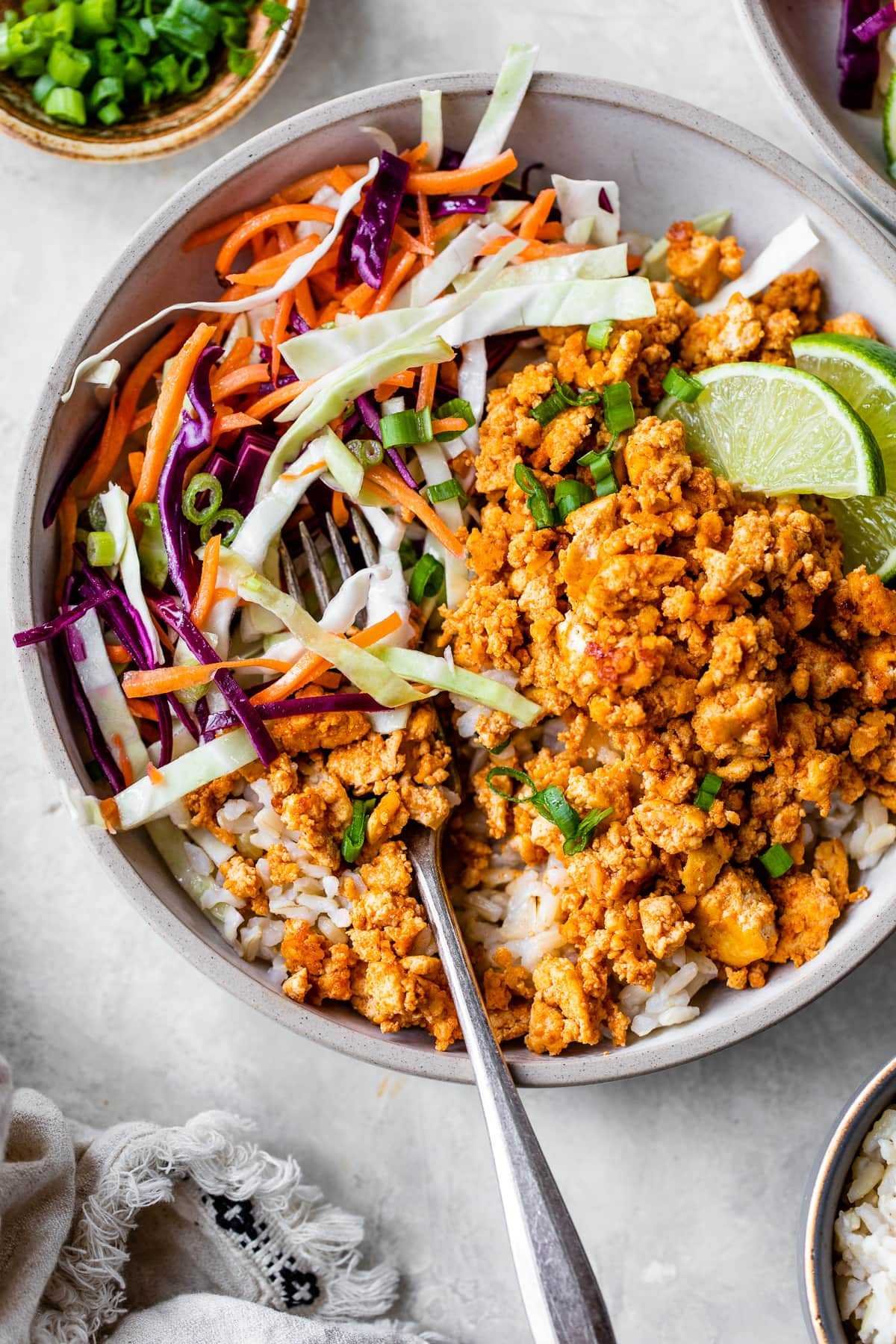
To make a healthy dinner that supports fat burning, focus on combining lean proteins, fiber-rich vegetables, and healthy fats to boost metabolism and keep you full longer. Keep portions moderate, avoid added sugars and processed ingredients, and aim for a balanced plate that fuels your body efficiently. Incorporating spices like cayenne or turmeric can also help enhance fat burning, making your evening meal both delicious and effective.
Eating the right dinner can be a game-changer in your fat loss journey. By choosing nutrient-dense foods that promote satiety and metabolic activity, you set yourself up for success. A well-planned healthy dinner not only satisfies your taste buds but also aids in fat burning by stabilizing blood sugar levels and supporting muscle recovery. In this article, we’ll explore simple, tasty ways to prepare dinners that align with your fat loss goals, ensuring you enjoy your meal while staying on track.

How to Make a Healthy Dinner That Supports Fat Burning
Creating a dinner that encourages fat burning involves choosing the right ingredients, preparing meals smartly, and understanding what your body needs. By focusing on nutrient-rich foods, balancing macronutrients, and practicing mindful eating, you can enjoy tasty dinners while supporting your weight loss goals. Let’s explore how to make dinners that are both satisfying and effective for fat burning.
Choose Lean Protein Sources
Protein plays a vital role in fat burning because it helps build muscle and keeps you full longer. Opt for lean meat options such as chicken breast, turkey, or fish like salmon and cod. Plant-based protein sources like beans, lentils, and tofu are excellent choices too. Including enough protein in your dinner can boost your metabolism and prevent overeating later.
Benefits of Protein for Fat Loss
- Increases satiety, reducing snack cravings
- Supports muscle maintenance during weight loss
- Calorie-burning effect through digestion (thermic effect)
Incorporate Healthy Fats Wisely
Healthy fats are essential for hormone production and overall health. Use sources like avocados, nuts, seeds, and olive oil. These fats can actually aid in burning fat by supporting your body’s metabolism when eaten in moderation. Be mindful of portion sizes to avoid excess calorie intake.
Healthy Fats and Their Role
- Help control hunger and stabilize blood sugar levels
- Support absorption of fat-soluble vitamins
- Provide essential fatty acids not produced by the body
Focus on Fiber-Rich Carbohydrates
Choose complex carbs that are high in fiber to keep you fuller longer and prevent blood sugar spikes. Examples include whole grains like brown rice, quinoa, oats, and sweet potatoes. Vegetables such as broccoli, spinach, and peppers are also excellent fiber sources.
Why Fiber Matters for Fat Burning
- Slows digestion, leading to sustained energy release
- Reduces hunger between meals
- Assists in detoxification and gut health
Balance Your Plate with Vegetables
Vegetables are low in calories but packed with nutrients and fiber. They add volume to your dinner, helping you feel full without extra calories. Aim for a colorful variety to maximize nutrient intake and make your meal more appealing.
Top Vegetables for Fat Loss
- Broccoli
- Spinach
- Cabbage
- Zucchini
- Bell peppers
Pay Attention to Portion Sizes
Controlling portion sizes is key in supporting fat burning. Even healthy foods can contribute to weight gain if eaten in large amounts. Use smaller plates and bowls to naturally limit portions and avoid second servings.
Tips for Portion Control
- Fill half your plate with vegetables
- Use measuring cups or a food scale for accuracy
- Eat slowly and listen to your body’s hunger signals
Smart Cooking Methods
How you prepare your dinner influences its healthiness. Avoid frying foods in oil; instead, opt for baking, grilling, steaming, or sautéing with minimal healthy fats. These methods preserve nutrients and reduce unnecessary calories.
Healthy Cooking Tips
- Use herbs and spices instead of salt for flavor
- Limit butter and cream-based sauces
- Opt for non-stick cookware to reduce oil use
Meal Planning for Fat Burning
Planning dinners ahead helps you make healthier choices and avoid last-minute temptations. Prepare ingredients in advance, and include a variety of nutrient-dense foods each week. Meal prep can save time and reduce stress.
Sample Healthy Dinner Plan
| Component | Example |
|---|---|
| Protein | Grilled chicken breast |
| Carbohydrates | Quinoa and roasted sweet potatoes |
| Vegetables | Sautéed kale and bell peppers |
| Healthy fats | Avocado slices |
Stay Hydrated and Avoid Sugary Drinks
Water is the best choice to stay hydrated during and after dinner. Avoid sugar-sweetened beverages that provide empty calories, which can hinder fat burning. Herbal teas or infused water with lemon or berries are flavorful alternatives.
Tips for Staying Hydrated
- Drink a glass of water before meals
- Carry a reusable water bottle
- Limit alcohol and sugary drinks
Practice Mindful Eating
Eating mindfully helps you tune into your hunger and fullness cues. Slow down, chew thoroughly, and savor each bite. This practice prevents overeating and enhances digestion, supporting your fat loss journey.
Mindful Eating Strategies
- Eat without distractions such as TV or phones
- Pay attention to the flavors and textures of your food
- Pause between bites to assess your fullness
Include Superfoods in Your Dinner
Adding nutrient-dense superfoods can boost your metabolism and support fat loss. Examples include berries, green tea, and spices like turmeric and cinnamon. These foods have antioxidant properties that improve overall health.
Superfoods for Fat Loss
- Berries
- Green tea
- Turmeric
- Cinnamon
- Chia seeds
Limit Processed and High-Sugar Foods
Avoid foods high in added sugars, refined grains, and processed ingredients, as these can cause insulin spikes and promote fat storage. Focus on whole, unprocessed foods for better results.
Snacks to Avoid
- Candy bars
- White bread and pastries
- Sweetened cereals
- Fast food meals
Consistency Is Key
Making healthy dinners regularly supports consistent fat burning results. Incorporate variety to prevent boredom and ensure a broad spectrum of nutrients. Small, sustainable changes lead to long-term success.
Tips for Staying on Track
- Keep a food journal to monitor choices
- Find healthy recipes you enjoy
- Set realistic goals and celebrate small wins
By choosing the right ingredients, using healthy cooking methods, practicing portion control, and staying mindful, you can create dinners that effectively support fat burning while satisfying your taste buds. Remember, consistency and balance are the keys to achieving your health goals through nutritious eating.
SIMPLE and EASY Meal Prep Ideas for Women for Weight Loss
Frequently Asked Questions
What ingredients should I include in my dinner to promote fat burning?
Choose lean proteins like chicken, turkey, fish, or plant-based options such as lentils and tofu. Incorporate plenty of non-starchy vegetables like spinach, broccoli, and peppers for fiber and nutrients. Use healthy fats such as avocado, olive oil, or nuts moderately. Including whole grains like quinoa or brown rice can provide sustained energy without excess calories.
How can I control portion sizes to support fat loss during dinner?
Use smaller plates and bowls to naturally limit portion sizes. Fill half your plate with vegetables, a quarter with lean protein, and a quarter with healthy carbs. Pay attention to your hunger cues and avoid eating straight from packages. Preparing pre-measured servings can help you stay on track with your calorie goals.
What cooking methods should I use to prepare a fat-burning dinner?
Opt for grilling, baking, steaming, or sautéing with minimal healthy fats. Avoid deep-frying or using excessive butter and cream, as these can add unnecessary calories. Using herbs, spices, and citrus can enhance flavor without adding extra calories or unhealthy ingredients.
How does timing of dinner affect fat burning?
Eating dinner at a consistent time earlier in the evening helps regulate your metabolism and prevents late-night snacking. Aim to finish your meal at least 2-3 hours before bedtime to support digestion and improve sleep quality, which are both important for weight management.
Are there specific foods I should avoid for a dinner that supports fat loss?
Limit foods high in added sugars, refined grains, and saturated fats. Avoid processed snacks, fried foods, and sugary beverages. These can increase calorie intake and hinder your fat-burning efforts. Focus on whole, unprocessed foods for better results.
Final Thoughts
To make a healthy dinner that supports fat burning, focus on lean proteins like chicken or fish and include plenty of vegetables. Use healthy fats such as olive oil or avocado to add flavor and nutrients. Limit processed carbs and opt for whole grains or sweet potatoes instead.
Keep portion sizes moderate and avoid sugary drinks. Preparing meals with fresh ingredients ensures maximum nutrient intake. Consistently choosing balanced dinners helps maintain a healthy metabolism and promotes fat loss over time.
As an Amazon Associate, We earn from qualifying purchases. When you purchase a product through Amazon links on pulsefitguide.com, we may earn a small commission at no extra cost to you. This helps support the site and keep our content free.