
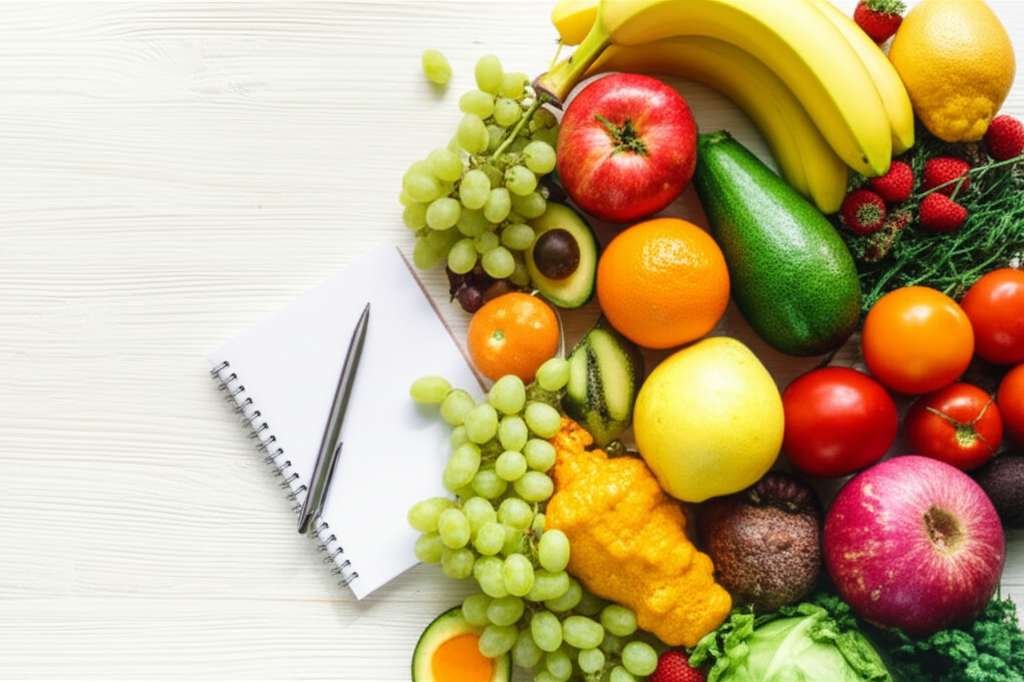
Quick Summary: Losing weight with PCOS naturally involves focusing on diet, exercise, and lifestyle changes. Key strategies include managing blood sugar with low-glycemic foods, incorporating regular movement, prioritizing sleep, and managing stress. These science-backed, practical tips can help you achieve sustainable weight loss and improve PCOS symptoms.
Dealing with Polycystic Ovary Syndrome (PCOS) can feel like a puzzle, especially when it comes to weight. Many people with PCOS find that losing weight is harder than it is for others. This can be frustrating, but you’re not alone, and there are effective, natural ways to approach it.
The good news is that with the right strategies, you can absolutely make progress. We’ll break down exactly what you can do, step-by-step, using simple, science-backed tips that fit into your life.
This guide will walk you through the essential natural approaches to weight loss with PCOS, covering everything from what to eat to how to move your body and manage your well-being. Let’s get started on your journey to feeling healthier and more in control.
Understanding PCOS and Weight

Polycystic Ovary Syndrome, or PCOS, is a common hormonal disorder affecting women of reproductive age. It’s characterized by irregular periods, excess androgen (male hormone) levels, and polycystic ovaries. One of the most common challenges associated with PCOS is difficulty with weight management.
Many women with PCOS experience insulin resistance. This means your body doesn’t use insulin effectively, leading to higher blood sugar levels. When blood sugar is high, your body may store more fat, particularly around the abdomen, and it can make losing weight feel like an uphill battle.
Understanding this connection is the first step. It’s not about willpower; it’s about understanding how your body works with PCOS and using targeted strategies to support it. We’ll focus on natural, sustainable methods that address these underlying issues.
Essential Tips for Natural Weight Loss with PCOS
Losing weight naturally with PCOS is about making smart, consistent lifestyle choices. It’s not about drastic diets or intense workouts, but rather about building healthy habits that work with your body. Here are the key areas to focus on:
1. Nourish Your Body: PCOS-Friendly Eating Habits
What you eat plays a huge role in managing PCOS symptoms and supporting weight loss. The goal is to stabilize blood sugar levels, reduce inflammation, and provide your body with essential nutrients. This doesn’t mean you have to give up all your favorite foods, but rather make mindful choices.
Focus on Whole, Unprocessed Foods
Think of your plate as a canvas for healthy, vibrant foods. Whole foods are less processed and contain more nutrients, fiber, and natural goodness. They help keep you feeling full longer and have a less dramatic impact on your blood sugar.
- Vegetables: Load up on non-starchy vegetables like leafy greens, broccoli, cauliflower, bell peppers, and zucchini. These are low in calories and carbohydrates but packed with vitamins, minerals, and fiber.
- Fruits: Opt for low-glycemic fruits such as berries, apples, pears, and peaches. These offer natural sweetness and antioxidants without causing rapid blood sugar spikes.
- Lean Proteins: Include sources like chicken breast, turkey, fish (especially fatty fish like salmon for omega-3s), eggs, and plant-based proteins like lentils, beans, and tofu. Protein helps with satiety and muscle building.
- Healthy Fats: Don’t shy away from healthy fats! Avocados, nuts, seeds, and olive oil are crucial for hormone balance and keeping you satisfied.
- Whole Grains: Choose complex carbohydrates like quinoa, brown rice, oats, and whole-wheat pasta in moderation. These provide sustained energy and fiber.
Understand Glycemic Index (GI) and Glycemic Load (GL)
The glycemic index (GI) and glycemic load (GL) are tools that help you understand how quickly a food raises your blood sugar. Foods with a lower GI and GL are generally better for PCOS management.
The Harvard Health Publishing explains that lower GI foods cause a slower, smaller rise in blood sugar and insulin levels. This is key for managing insulin resistance.
Lower GI/GL Foods to Prioritize:
- Most vegetables
- Berries, apples, pears
- Legumes (beans, lentils, chickpeas)
- Nuts and seeds
- Whole grains like oats, quinoa, barley
- Lean proteins and healthy fats
Higher GI/GL Foods to Limit:
- Sugary drinks (soda, juice)
- White bread, white rice, pasta
- Sweets and pastries
- Processed snacks (chips, crackers)
- Some starchy vegetables like potatoes (especially mashed or fried)
Balancing Your Plate
A good rule of thumb for PCOS-friendly meals is to aim for a balance of macronutrients. A simple way to visualize this is the “plate method”:
Your Plate Should Look Like This:
- Half your plate: Non-starchy vegetables (e.g., spinach, broccoli, peppers)
- One quarter of your plate: Lean protein (e.g., chicken, fish, beans)
- One quarter of your plate: Healthy carbohydrates (e.g., quinoa, sweet potato, whole-wheat pasta)
- Add: A small amount of healthy fat (e.g., avocado, olive oil dressing, nuts)
This balanced approach helps prevent blood sugar spikes and keeps you feeling full and satisfied.
Mindful Eating and Portion Control
Beyond what you eat, how you eat matters. Mindful eating involves paying attention to your hunger and fullness cues. This means eating slowly, savoring your food, and stopping when you’re comfortably full, not stuffed.
Portion control is also important, especially with carbohydrate-rich foods. Using smaller plates can be a simple trick to help manage portions visually.
2. Move Your Body: Exercise for PCOS
Regular physical activity is a powerful tool for managing PCOS and aiding weight loss. Exercise helps improve insulin sensitivity, reduces stress, boosts mood, and burns calories. You don’t need to become a marathon runner overnight; consistency is key.
The Benefits of Exercise for PCOS
Exercise directly combats insulin resistance, a hallmark of PCOS. When you exercise, your muscles use glucose for energy, which helps lower blood sugar levels. Over time, this can make your body more responsive to insulin.
Furthermore, exercise is a fantastic stress reliever. Since stress can exacerbate PCOS symptoms, finding enjoyable ways to move can be incredibly beneficial for both your physical and mental health.
Types of Exercise to Consider
A well-rounded fitness routine for PCOS typically includes a mix of aerobic exercise and strength training.
Aerobic Exercise (Cardio):
- What it is: Activities that get your heart rate up and improve cardiovascular health.
- Examples: Brisk walking, jogging, cycling, swimming, dancing, hiking.
- How much: Aim for at least 150 minutes of moderate-intensity aerobic activity per week. This could be 30 minutes, 5 days a week.
- Why it helps: Burns calories, improves insulin sensitivity, and boosts mood.
Strength Training:
- What it is: Exercises that build muscle mass by working against resistance.
- Examples: Lifting weights, using resistance bands, bodyweight exercises (squats, push-ups, lunges).
- How much: Aim for 2-3 sessions per week, targeting major muscle groups.
- Why it helps: Muscle tissue burns more calories at rest than fat tissue, boosting your metabolism. It also helps improve body composition and insulin sensitivity.
Flexibility and Mind-Body Practices:
- Examples: Yoga, Pilates, stretching.
- Why it helps: Reduces stress, improves flexibility, and can help with body awareness. Yoga, in particular, has been shown to help manage PCOS symptoms. A study published in the Journal of the Turkish Society of Obstetrics and Gynecology highlighted yoga’s positive effects on hormonal balance and well-being in women with PCOS.
Getting Started with Exercise
If you’re new to exercise, start slowly. Choose activities you genuinely enjoy, as this makes it more likely you’ll stick with them. Begin with shorter durations and lower intensity, gradually increasing as your fitness improves.
Consistency over intensity is the mantra here. Even 15-20 minutes of brisk walking most days can make a significant difference.
3. Prioritize Sleep: The Unsung Hero of Weight Loss
Sleep is incredibly important for hormone regulation, metabolism, and appetite control. When you don’t get enough quality sleep, it can disrupt hormones like ghrelin (which stimulates hunger) and leptin (which signals fullness), leading to increased cravings and difficulty losing weight.
The Link Between Sleep and PCOS
Women with PCOS often report sleep disturbances. Poor sleep can worsen insulin resistance, increase stress hormones like cortisol, and lead to weight gain, creating a frustrating cycle. Aiming for 7-9 hours of quality sleep per night is crucial.
Tips for Better Sleep Hygiene
Improving your sleep hygiene involves creating healthy habits around bedtime. Here are some effective strategies:
- Stick to a Schedule: Go to bed and wake up around the same time each day, even on weekends.
- Create a Relaxing Bedtime Routine: Wind down for an hour before bed. This could include reading a book, taking a warm bath, or gentle stretching.
- Optimize Your Sleep Environment: Make sure your bedroom is dark, quiet, and cool.
- Limit Screen Time Before Bed: The blue light from phones, tablets, and computers can interfere with melatonin production.
- Watch Your Diet: Avoid heavy meals, caffeine, and alcohol close to bedtime.
- Get Some Sunlight: Exposure to natural light during the day helps regulate your body’s internal clock.
4. Manage Stress Effectively
Stress is a significant factor for many with PCOS. When you’re stressed, your body releases cortisol, a hormone that can increase appetite, promote fat storage (especially in the abdominal area), and worsen insulin resistance. Learning to manage stress is therefore vital for weight loss and overall well-being.
How Stress Impacts PCOS and Weight
Chronic stress can throw your hormones further out of balance, leading to increased inflammation and making it harder for your body to regulate blood sugar and lose weight. It can also lead to emotional eating, where you reach for comfort food during stressful times.
Stress Management Techniques
Finding healthy ways to cope with stress is key. Experiment with different techniques to see what works best for you:
- Mindfulness and Meditation: Even a few minutes a day can help calm your nervous system. Apps like Calm or Headspace can guide you.
- Deep Breathing Exercises: Simple, yet powerful for reducing immediate stress.
- Yoga and Tai Chi: These practices combine movement with mindfulness and breathwork.
- Spending Time in Nature: A walk in a park or garden can be very restorative.
- Journaling: Writing down your thoughts and feelings can be a great release.
- Hobbies and Creative Outlets: Engaging in activities you enjoy can significantly reduce stress.
- Social Support: Talking to friends, family, or a support group can provide comfort and perspective.
5. Consider Supplements (with Professional Guidance)
While diet, exercise, sleep, and stress management are the cornerstones of natural weight loss with PCOS, some supplements may offer additional support. However, it’s crucial to discuss any supplements with your doctor or a registered dietitian before starting them, as they can interact with medications and may not be suitable for everyone.
Potential Supplements for PCOS Support
Some commonly discussed supplements for PCOS include:
- Inositol (Myo-inositol and D-chiro-inositol): These are naturally occurring compounds that play a role in insulin signaling. Many studies suggest they can help improve insulin sensitivity, reduce androgen levels, and support ovulation in women with PCOS. The Cleveland Clinic Journal of Medicine has published research on inositol’s role in PCOS.
- Omega-3 Fatty Acids: Found in fish oil, these can help reduce inflammation and may improve insulin sensitivity and cholesterol levels.
- Vitamin D: Many women with PCOS are deficient in Vitamin D. Supplementation can help correct this deficiency and may play a role in hormone balance and insulin sensitivity.
- Magnesium: This mineral is involved in over 300 bodily processes, including blood sugar control and stress management.
- Probiotics: A healthy gut microbiome is increasingly linked to overall health, including hormonal balance and weight management.
Important Note: Supplements are not a magic bullet. They are meant to complement a healthy lifestyle, not replace it. Always seek professional advice before adding any supplements to your regimen.
Sample Meal Plan for PCOS Weight Loss
Here’s a sample one-day meal plan to give you an idea of what a PCOS-friendly diet might look like. Remember to adjust portion sizes based on your individual needs and consult with a dietitian for personalized advice.
| Meal | Breakfast | Lunch | Snack (Mid-afternoon) | Dinner |
|---|---|---|---|---|
| Option 1 | Scrambled eggs with spinach and a small side of berries. | Large salad with grilled chicken or chickpeas, mixed greens, cucumber, tomatoes, bell peppers, and an olive oil/lemon dressing. | A handful of almonds or a small apple with a tablespoon of almond butter. | Baked salmon with roasted broccoli and a small serving of quinoa. |
| Option 2 | Overnight oats made with rolled oats, unsweetened almond milk, chia seeds, and topped with a few raspberries. | Lentil soup with a side of mixed green salad. | Greek yogurt (plain, unsweetened) with a sprinkle of cinnamon. | Stir-fried tofu and mixed vegetables (e.g., snap peas, carrots, bok choy) with a small amount of brown rice, using low-sodium soy sauce or tamari. |
This table provides two variations for each meal, focusing on balanced macronutrients, fiber, and lean protein to help manage blood sugar and promote satiety.
FAQs about Losing Weight with PCOS Naturally
Q1: Is it really harder to lose weight with PCOS?
Yes, it can be. Many women with PCOS experience insulin resistance, which makes it harder for the body to use glucose for energy and can lead to increased fat storage. Hormonal imbalances can also affect appetite and metabolism, contributing to weight gain.
Q2: Can I lose weight with PCOS without strict dieting?
Absolutely. The focus is on making sustainable, healthy food choices rather than following restrictive diets. Emphasizing whole foods, managing blood sugar, and creating balanced meals can lead to weight loss without feeling deprived.
Q3: How much exercise do I need to do to see results?
Consistency is more important than intensity. Aim for at least 150 minutes of moderate-intensity aerobic exercise per week (like brisk walking or cycling) and 2-3 strength training sessions. Even starting with 20-30 minutes a few times a week can make a difference.
Q4: Are there specific foods I should avoid completely?
It’s generally recommended to limit highly processed foods, sugary drinks, refined carbohydrates (like white bread and white pasta), and excessive amounts of saturated and trans fats. These foods can negatively impact blood sugar and inflammation.
Q5: How important is sleep for weight loss with PCOS?
Sleep is crucial. Lack of sleep can disrupt hormones that control appetite, increase cravings for unhealthy foods, and worsen insulin resistance. Aiming for 7-9 hours of quality sleep per night is a vital part of a successful weight loss strategy for PCOS.
Q6: Can stress really affect my weight if I have PCOS?
Yes, significantly. Chronic stress increases cortisol levels, which can promote fat storage, particularly around the abdomen, and interfere with insulin sensitivity. Managing stress through techniques like mindfulness, yoga, or hobbies is essential.
Q7: How long does it usually take to see weight loss results with PCOS?
Weight loss is a journey, and results vary for everyone. With consistent application of these natural strategies, you might start noticing changes in your energy levels and how your clothes fit within a few weeks. Sustainable weight loss typically occurs gradually, around 1-2 pounds per week.
Conclusion
Losing weight naturally with PCOS is achievable and rewarding. It’s about embracing a holistic approach that nourishes your body, moves your body, supports your mind, and prioritizes rest. By focusing on whole foods, incorporating regular exercise, managing stress, and ensuring you get enough sleep, you’re taking powerful steps towards not only managing your weight but also improving your overall health and well-being.
Remember, this is a journey, and progress isn’t always linear. Be patient and kind to yourself. Celebrate small victories, stay consistent, and don’t hesitate to seek support from healthcare professionals, such as a doctor or a registered dietitian, who can provide personalized guidance tailored to your unique needs.
You have the power to make positive changes that will benefit you long-term. By implementing these essential tips, you can navigate PCOS with more confidence and achieve your weight loss goals naturally.
As an Amazon Associate, We earn from qualifying purchases. When you purchase a product through Amazon links on pulsefitguide.com, we may earn a small commission at no extra cost to you. This helps support the site and keep our content free.