
Quick Summary:
Losing weight with PCOS and insulin resistance involves focusing on a balanced, low-glycemic diet, regular exercise, stress management, and quality sleep. Reddit communities offer valuable support and practical tips from others facing similar challenges, but always consult a healthcare professional for personalized advice.
Struggling with weight loss when you have Polycystic Ovary Syndrome (PCOS) and insulin resistance can feel incredibly frustrating. You might be doing all the “right” things, but the scale doesn’t budge. It’s like your body is working against you!

But here’s the good news: it’s not impossible. Many people with PCOS and insulin resistance have found success by understanding how these conditions affect their bodies and by adopting a targeted approach. This guide is designed to break down the science in simple terms and give you actionable steps to take.
We’ll explore the connection between PCOS, insulin resistance, and weight, and then dive into practical strategies that have helped countless individuals. Get ready to learn how to navigate this journey with confidence and achieve your health goals.
Understanding PCOS and Insulin Resistance
Before we jump into “how-to,” let’s quickly understand what’s happening. PCOS is a hormonal disorder common among women of reproductive age. Insulin resistance is a key factor that often goes hand-in-hand with PCOS. It means your body’s cells don’t respond well to insulin, a hormone that helps regulate blood sugar.
When your cells are resistant to insulin, your body produces more to compensate. This excess insulin can signal your ovaries to produce more androgens (male hormones), which can lead to issues like irregular periods, acne, and excess hair growth. It also makes it harder for your body to break down fat and easier to store it, contributing to weight gain, especially around the abdomen.
What is PCOS?
PCOS is a complex condition with a few common characteristics. The most frequent are irregular ovulation, high levels of androgens, and polycystic ovaries (though not all women with PCOS have cysts on their ovaries). These symptoms can vary greatly from person to person.
It’s important to remember that PCOS is not just about weight. It’s a metabolic and endocrine disorder that can affect fertility, mood, and long-term health. Getting a proper diagnosis from a doctor is the first crucial step.
What is Insulin Resistance?
Think of insulin as a key that unlocks your cells to let glucose (sugar) from your bloodstream in for energy. With insulin resistance, the lock on your cells becomes sticky, and the key doesn’t work as well. Your pancreas has to work overtime to make more insulin to force the glucose into your cells.
Over time, this can lead to high blood sugar levels, which can contribute to weight gain, fatigue, and increase the risk of type 2 diabetes. Many women with PCOS have insulin resistance, and addressing it is vital for managing PCOS symptoms and promoting weight loss.
The PCOS-Insulin Resistance-Weight Gain Cycle
These conditions often create a challenging cycle. Insulin resistance leads to higher insulin levels. High insulin can promote fat storage and make it harder to lose weight. It can also increase androgen production, which further disrupts ovulation and can lead to weight gain.
This cycle can be disheartening, but understanding it is the first step to breaking free. By making specific lifestyle changes, you can improve insulin sensitivity, balance hormones, and make weight loss more achievable.
Why Reddit is a Great Resource
Navigating PCOS and insulin resistance can feel isolating. That’s where online communities, especially on Reddit, can be incredibly helpful. Subreddits like r/PCOS and r/InsulinResistance are filled with individuals sharing their personal experiences, struggles, and triumphs.
You can find:
- Real-life tips on diet and exercise that worked for others.
- Recommendations for doctors, dietitians, and specialists.
- Emotional support and understanding from people who “get it.”
- Discussions about specific medications, supplements, and treatments.
- Affordable and practical strategies for daily life.
Remember, while Reddit offers fantastic peer support and ideas, it’s not a substitute for professional medical advice. Always discuss any new diet, exercise, or treatment plan with your doctor or a registered dietitian.
Essential Strategies for Weight Loss with PCOS and Insulin Resistance
Losing weight with PCOS and insulin resistance requires a holistic approach that focuses on improving insulin sensitivity, balancing hormones, and creating a sustainable lifestyle. Here are the key strategies, broken down step-by-step:
1. Nutrition is Key: Focus on Low-Glycemic Eating
Your diet plays a massive role in managing insulin resistance and PCOS. The goal is to choose foods that have a low glycemic index (GI), meaning they don’t cause rapid spikes in your blood sugar and insulin levels.
What is the Glycemic Index?
The GI ranks foods based on how quickly they raise blood glucose levels. Foods with a low GI are digested slowly and cause a gradual rise in blood sugar, which is ideal for managing insulin resistance.
Key Dietary Principles:
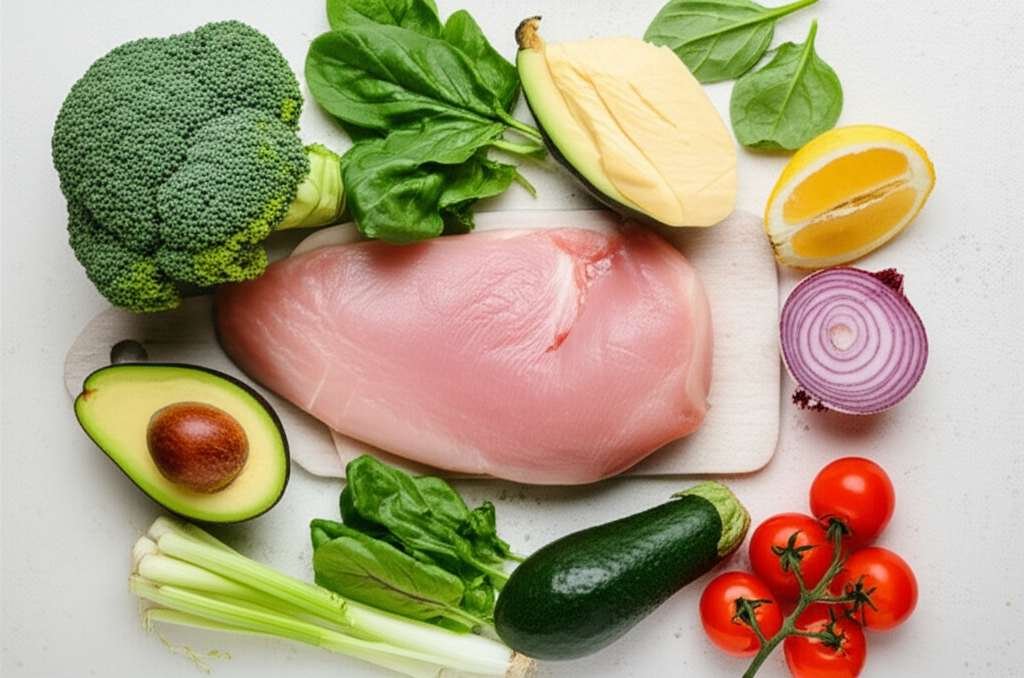
- Prioritize Non-Starchy Vegetables: These are packed with nutrients and fiber, have a low GI, and help you feel full. Think leafy greens, broccoli, cauliflower, peppers, zucchini, and tomatoes.
- Choose Complex Carbohydrates: Instead of refined grains (white bread, pasta, rice), opt for whole grains like quinoa, oats, brown rice, and whole wheat. These are digested more slowly.
- Include Lean Protein: Protein helps with satiety and can help stabilize blood sugar. Good sources include chicken, fish, turkey, eggs, beans, lentils, and tofu.
- Healthy Fats are Your Friend: Fats help slow digestion and improve satiety. Include avocados, nuts, seeds, olive oil, and fatty fish (like salmon).
- Limit Sugary Drinks and Processed Foods: Sodas, fruit juices, candies, pastries, and heavily processed snacks cause rapid blood sugar spikes and should be minimized.
- Be Mindful of Fruit: While healthy, some fruits are higher in sugar. Pair fruits with protein or fat (e.g., berries with Greek yogurt or an apple with almond butter) to slow sugar absorption.
Example Meal Ideas:
Here’s a glimpse of what a low-GI meal plan might look like:
| Meal | Low-GI Options |
|---|---|
| Breakfast | Oatmeal with berries and nuts; Scrambled eggs with spinach and avocado; Greek yogurt with chia seeds and a small amount of fruit. |
| Lunch | Large salad with grilled chicken or salmon, mixed greens, colorful vegetables, and an olive oil-based dressing; Lentil soup with a side of whole-grain crackers; Turkey and veggie wrap on a whole-wheat tortilla. |
| Dinner | Baked salmon with roasted broccoli and quinoa; Chicken stir-fry with plenty of vegetables and brown rice; Lean ground turkey chili with beans. |
| Snacks | A handful of almonds; Apple slices with peanut butter; Hard-boiled egg; Vegetable sticks with hummus. |
For more detailed information on the glycemic index and how to apply it, the University of Sydney has a comprehensive Glycemic Index website, which is a great resource.
2. Incorporate Regular Exercise
Exercise is a powerful tool for managing PCOS and insulin resistance. It helps your muscles use glucose for energy, improving insulin sensitivity and aiding in weight loss.
Types of Exercise to Focus On:
- Cardiovascular Exercise: Aim for at least 150 minutes of moderate-intensity cardio per week. This could include brisk walking, jogging, cycling, swimming, or dancing. Cardio is excellent for burning calories and improving heart health.
- Strength Training: Include strength training 2-3 times a week. Building muscle mass increases your metabolism, meaning you burn more calories even at rest. Focus on compound exercises that work multiple muscle groups, such as squats, lunges, push-ups, and rows.
- High-Intensity Interval Training (HIIT): HIIT can be very effective for improving insulin sensitivity and burning fat in shorter periods. Alternate between short bursts of intense exercise (e.g., sprinting) and brief recovery periods.
Getting Started:
If you’re new to exercise, start slowly and gradually increase the intensity and duration. Consistency is more important than intensity when you’re beginning.
- Start with walking: Even 20-30 minutes of walking most days can make a big difference.
- Find activities you enjoy: This will make it easier to stick with your routine.
- Consider online classes or apps: Many are affordable or free and offer guided workouts.
- Listen to your body: Rest when you need to and don’t push yourself too hard, especially in the beginning.
The U.S. Department of Health and Human Services offers physical activity guidelines that can provide a good framework for your exercise plan.
3. Manage Stress Levels
Stress can significantly impact your hormones, including cortisol, which can worsen insulin resistance and promote weight gain, particularly in the abdominal area. Finding effective stress management techniques is crucial.
Why Stress Matters for PCOS:
When you’re stressed, your body releases cortisol. High cortisol levels can increase appetite, promote fat storage (especially visceral fat), and interfere with reproductive hormones, exacerbating PCOS symptoms.
Effective Stress Management Techniques:
- Mindfulness and Meditation: Even a few minutes a day can help calm your nervous system. Apps like Calm or Headspace can guide you.
- Deep Breathing Exercises: Simple, yet powerful for immediate stress reduction.
- Yoga or Tai Chi: These practices combine physical movement with mindful breathing and relaxation.
- Spending Time in Nature: A walk in the park or hiking can be very therapeutic.
- Hobbies and Creative Outlets: Engaging in activities you enjoy can be a great stress reliever.
- Adequate Sleep: Lack of sleep is a major stressor on the body and can worsen insulin resistance.
- Setting Boundaries: Learning to say “no” and managing your time effectively can reduce overwhelm.
Finding what works best for you is key. Experiment with different techniques until you discover your go-to stress relievers.
4. Prioritize Quality Sleep
Sleep is often overlooked, but it’s fundamental for hormone balance, metabolism, and overall health. Poor sleep can disrupt appetite-regulating hormones (ghrelin and leptin), making you feel hungrier and less satisfied, and can also worsen insulin resistance.
The Link Between Sleep and PCOS:
Lack of sleep increases cortisol levels and can lead to higher blood sugar and insulin levels, directly impacting weight management efforts and PCOS symptoms. Aim for 7-9 hours of quality sleep per night.
Tips for Better Sleep:
- Establish a Consistent Sleep Schedule: Go to bed and wake up around the same time each day, even on weekends.
- Create a Relaxing Bedtime Routine: Wind down for an hour before bed with activities like reading, taking a warm bath, or gentle stretching.
- Optimize Your Sleep Environment: Make sure your bedroom is dark, quiet, and cool.
- Limit Screen Time Before Bed: The blue light from phones and computers can interfere with melatonin production.
- Avoid Caffeine and Alcohol Before Bed: These can disrupt sleep patterns.
- Regular Exercise: Physical activity can improve sleep quality, but try to avoid intense workouts too close to bedtime.
Prioritizing sleep is an investment in your health and can significantly support your weight loss journey with PCOS and insulin resistance.
5. Consider Supplements and Medications (with Doctor Guidance)
While lifestyle changes are the cornerstone, certain supplements and medications can be beneficial for managing PCOS and insulin resistance, but they must be discussed with your healthcare provider.
Commonly Recommended Supplements:
- Inositol (Myo-inositol and D-chiro-inositol): Often considered one of the most effective supplements for PCOS. It can help improve insulin sensitivity and ovarian function.
- Omega-3 Fatty Acids: Found in fish oil, they can help reduce inflammation and improve lipid profiles.
- Vitamin D: Many women with PCOS are deficient in Vitamin D, which plays a role in insulin sensitivity and immune function.
- Magnesium: Important for many bodily functions, including blood sugar control and muscle function.
- Cinnamon: Some studies suggest cinnamon may help improve insulin sensitivity.
Medications:
Your doctor might prescribe medications to help manage your condition. The most common is Metformin, which is a first-line treatment for insulin resistance and can help with weight loss and regulating periods in PCOS. Other medications might be used to manage specific symptoms or conditions related to PCOS.
Important Note: Never start taking supplements or medications without consulting your doctor or a registered dietitian. They can assess your individual needs, potential interactions, and appropriate dosages.
6. Listen to Your Body and Be Patient
Weight loss with PCOS and insulin resistance is often a slower process than for those without these conditions. It’s crucial to be kind to yourself, celebrate small victories, and avoid comparison.
Why Patience is Key:
Hormonal imbalances and insulin resistance can make weight loss more challenging. Your body is working differently, and it takes time for lifestyle changes to create lasting effects. Focusing on non-scale victories (like increased energy, better sleep, or clearer skin) can be very motivating.
How to Stay Motivated:
- Track Your Progress Beyond the Scale: Monitor how your clothes fit, your energy levels, your mood, and your physical fitness.
- Set Realistic Goals: Aim for gradual, sustainable weight loss (e.g., 1-2 pounds per week).
- Find a Support System: Connect with friends, family, or online communities like those on Reddit for encouragement.
- Practice Self-Compassion: There will be ups and downs. Don’t let a slip-up derail your progress. Just get back on track with your next meal or workout.
FAQ About PCOS, Insulin Resistance, and Weight Loss
Q1: Can I actually lose weight with PCOS and insulin resistance?
A: Absolutely! While it can be more challenging due to hormonal and metabolic factors, it is definitely possible. The key is adopting a consistent, targeted lifestyle approach that focuses on improving insulin sensitivity, balancing hormones, and creating sustainable healthy habits.
Q2: What is the best diet for PCOS and insulin resistance?
A: A low-glycemic index (GI) diet is generally recommended. This means focusing on whole, unprocessed foods, lean proteins, healthy fats, and plenty of non-starchy vegetables. Limiting refined sugars and carbohydrates that cause rapid blood sugar spikes is crucial.
Q3: How much exercise do I need to do?
A: Aim for a combination of cardiovascular exercise (like brisk walking or cycling) for at least 150 minutes per week and strength training 2-3 times a week to build muscle. Finding activities you enjoy will help you stay consistent.
Q4: Are there any supplements that can help with weight loss for PCOS and insulin resistance?
A: Yes, some supplements like inositol, omega-3 fatty acids, Vitamin D, and magnesium may be beneficial. However, it’s vital to discuss any supplement use with your doctor to ensure it’s appropriate for you and doesn’t interact with other medications.
Q5: How long does it typically take to see weight loss results with PCOS and insulin resistance?
A: Weight loss with PCOS and insulin resistance can be a slower journey. It’s important to be patient and focus on consistency rather than rapid results. Many people start noticing improvements in energy levels and other symptoms within a few weeks, while significant weight loss may take several months or longer.
Q6: Should I avoid all carbohydrates?
A: No, you don’t need to avoid all carbohydrates. The focus should be on choosing complex, high-fiber carbohydrates with a low glycemic index, such as whole grains, legumes, and vegetables. These provide energy and nutrients without causing drastic blood sugar spikes.
Q7: How can Reddit communities like r/PCOS help me?
A: Reddit communities offer a space to connect with others who share similar experiences. You can find practical tips, emotional support, shared struggles, and motivation from people navigating PCOS and insulin resistance themselves. They can be a valuable supplement to professional advice.
Conclusion
Embarking on a weight loss journey with PCOS and insulin resistance might seem daunting, but it’s a path filled with opportunities for growth and improved well-being. By understanding the interplay between your hormones, insulin sensitivity, and your body, you can implement effective strategies that lead to lasting results.
Remember, it’s not about perfection; it’s about progress. Focus on making sustainable dietary changes by choosing low-glycemic foods, incorporating regular exercise that you enjoy, prioritizing stress management and quality sleep, and always working closely with your healthcare team. The support and shared wisdom found in communities like those on Reddit can be an invaluable part of your journey, providing encouragement and practical insights.
Be patient with yourself, celebrate every small win, and trust in your ability to make positive changes. You’ve got this, and a healthier, happier you is within reach!
As an Amazon Associate, We earn from qualifying purchases. When you purchase a product through Amazon links on pulsefitguide.com, we may earn a small commission at no extra cost to you. This helps support the site and keep our content free.