

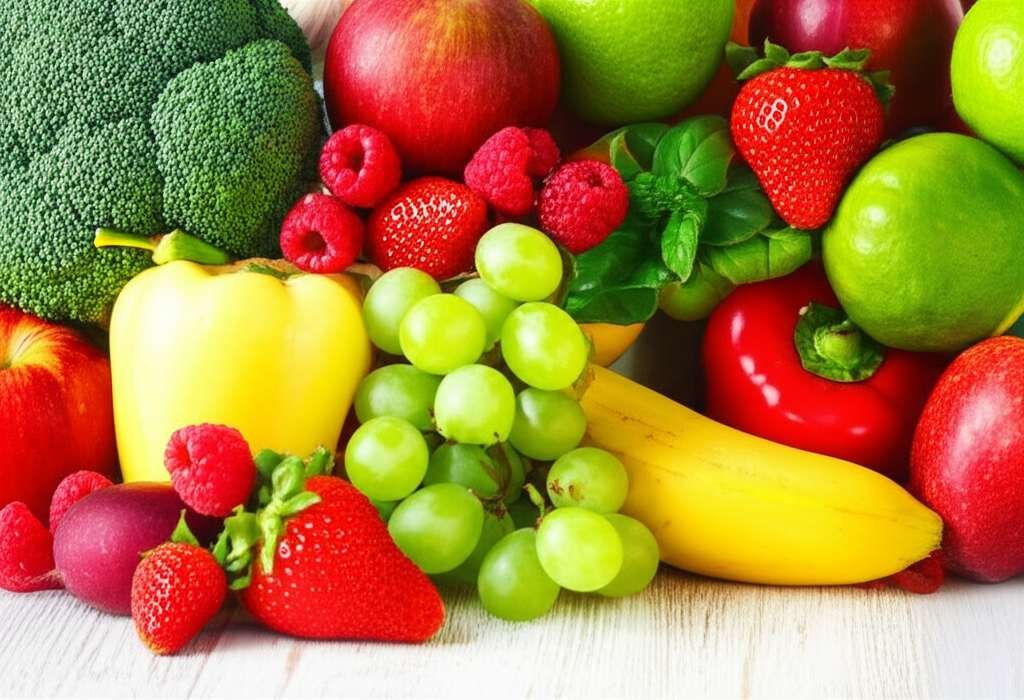
To lose weight with PCOS and diabetes, focus on a balanced, whole-foods diet, regular physical activity, stress management, and consistent sleep. These lifestyle changes help manage insulin resistance, balance hormones, and promote sustainable weight loss for better overall health.
Feeling like losing weight is an uphill battle, especially when you’re managing Polycystic Ovary Syndrome (PCOS) and diabetes? You’re not alone!
Many people find it confusing because these conditions can make weight loss seem much harder. But don’t worry, it’s absolutely possible to make progress.
This guide will break down simple, science-backed steps to help you achieve your weight loss goals. We’ll cover everything you need to know, from what to eat to how to move your body.
Ready to take control and feel your best? Let’s dive in!
Understanding PCOS, Diabetes, and Weight
Before we jump into the “how-to,” let’s quickly understand why PCOS and diabetes can make weight loss tricky.
PCOS is a hormonal disorder that can affect your menstrual cycle, fertility, and skin. A common feature is insulin resistance, where your body’s cells don’t respond well to insulin. This can lead to higher blood sugar levels and increased fat storage, particularly around the abdomen.
Diabetes, especially Type 2, also involves issues with insulin. Either your body doesn’t produce enough insulin, or your cells resist it. Both conditions can make it harder for your body to use glucose (sugar) for energy, often leading to weight gain and difficulty losing it.
The good news is that managing these conditions often involves similar strategies, and weight loss can significantly improve both.
Step 1: Nourish Your Body with the Right Foods
What you eat plays a huge role in managing PCOS and diabetes, and it’s a cornerstone of weight loss. The goal is to choose foods that help stabilize blood sugar, reduce inflammation, and keep you feeling full.
Focus on Whole, Unprocessed Foods
Think of your plate as a canvas for healthy choices. Whole foods are less processed and packed with nutrients, fiber, and beneficial compounds.
- Lean Proteins: Chicken, turkey, fish, eggs, beans, lentils, tofu. Protein helps you feel full and supports muscle growth.
- Healthy Fats: Avocados, nuts, seeds, olive oil, fatty fish (like salmon). These are important for hormone production and satiety.
- Non-Starchy Vegetables: Broccoli, spinach, kale, bell peppers, zucchini, cauliflower. These are low in calories and carbohydrates but high in vitamins, minerals, and fiber.
- Fruits in Moderation: Berries, apples, pears. Fruits provide vitamins and fiber, but be mindful of portion sizes due to their natural sugars.
- Whole Grains: Quinoa, oats, brown rice, whole wheat bread (in moderation). These provide fiber and sustained energy.
Manage Carbohydrate Intake
Carbohydrates have the biggest impact on blood sugar levels. For PCOS and diabetes, it’s less about cutting them out entirely and more about choosing the right kinds and controlling portion sizes.
Opt for complex carbohydrates, which are digested more slowly. These include whole grains, legumes, and vegetables. They release sugar into your bloodstream gradually, preventing sharp spikes and crashes.
Simple carbohydrates, like white bread, sugary drinks, and sweets, cause a rapid rise in blood sugar and are best avoided or limited.
The Power of Fiber
Fiber is a superhero for weight loss and managing blood sugar. It slows down digestion, helps you feel full longer, and feeds beneficial gut bacteria.
Good sources of fiber include vegetables, fruits, whole grains, beans, and lentils. Aim to include a source of fiber with every meal.
Hydration is Key
Drinking enough water is crucial for overall health and can aid in weight loss. Sometimes, thirst can be mistaken for hunger, so staying hydrated helps you manage cravings.
Aim for at least 8 glasses of water a day. Unsweetened tea and coffee are also good options.
Foods to Limit or Avoid
Certain foods can worsen insulin resistance and inflammation, making weight loss harder.
- Sugary Drinks: Soda, fruit juices, sweetened teas, energy drinks. These are empty calories that spike blood sugar.
- Processed Snacks: Chips, cookies, pastries, candy. High in sugar, unhealthy fats, and refined carbohydrates.
- Refined Grains: White bread, white pasta, white rice. Lack fiber and cause blood sugar spikes.
- Excessive Saturated and Trans Fats: Found in fried foods, fatty meats, and some processed baked goods.
Sample Meal Ideas
Here are some simple meal ideas to get you started:
- Breakfast: Oatmeal with berries and a sprinkle of nuts, or scrambled eggs with spinach and avocado.
- Lunch: Large salad with grilled chicken or salmon, lots of non-starchy vegetables, and an olive oil-based dressing. Or, lentil soup with a small side of whole-grain bread.
- Dinner: Baked fish with roasted broccoli and quinoa, or chicken stir-fry with mixed vegetables and a small portion of brown rice.
- Snacks: A handful of almonds, Greek yogurt with a few berries, or apple slices with a tablespoon of peanut butter.
Step 2: Move Your Body Regularly
Exercise is a powerful tool for managing PCOS and diabetes and is essential for weight loss. It helps improve insulin sensitivity, burn calories, and boost your mood.
Cardiovascular Exercise
Cardio, or aerobic exercise, gets your heart rate up and burns calories. Aim for at least 150 minutes of moderate-intensity cardio per week.
- Examples: Brisk walking, jogging, cycling, swimming, dancing, or using an elliptical machine.
- Benefits: Improves heart health, helps manage blood sugar, and burns fat.
Start gradually. If you’re new to exercise, begin with 15-20 minutes a few times a week and slowly increase the duration and intensity.
Strength Training
Building muscle is incredibly important when you have PCOS and diabetes. Muscle tissue is metabolically active, meaning it burns more calories even at rest.
- Examples: Lifting weights, using resistance bands, bodyweight exercises (like squats, lunges, push-ups).
- Benefits: Increases metabolism, improves body composition, and enhances insulin sensitivity.
Aim for 2-3 strength training sessions per week, targeting major muscle groups. You can start with bodyweight exercises if you don’t have access to weights.
Flexibility and Balance
While not directly for weight loss, activities like yoga or Pilates can improve your overall well-being, reduce stress, and increase body awareness, which can support your fitness journey.
Consistency is Key
The most effective exercise plan is one you can stick with. Find activities you enjoy, and try to schedule them into your week like any other important appointment.
Step 3: Manage Stress Effectively
Stress can be a major roadblock for weight loss, especially with PCOS and diabetes. When you’re stressed, your body releases cortisol, a hormone that can increase appetite, promote fat storage (especially around the belly), and disrupt blood sugar control.
Why Stress Matters for PCOS and Diabetes
High cortisol levels can exacerbate insulin resistance, making it harder for your body to manage blood sugar. This can lead to increased cravings for sugary or high-fat foods and a general feeling of being unable to lose weight, even with diet and exercise.
Practical Stress Management Techniques
Finding ways to relax and de-stress is as important as diet and exercise.
- Mindfulness and Meditation: Even a few minutes a day can make a difference. There are many guided meditation apps available.
- Deep Breathing Exercises: Simple techniques can calm your nervous system quickly.
- Yoga or Tai Chi: These practices combine movement with relaxation.
- Spending Time in Nature: A walk in a park or simply sitting outdoors can be very grounding.
- Hobbies and Creative Outlets: Engaging in activities you enjoy can be a great stress reliever.
- Journaling: Writing down your thoughts and feelings can help process emotions.
- Setting Boundaries: Learning to say “no” to commitments that overwhelm you is crucial.
Prioritize sleep, as lack of it significantly increases stress hormones.
Step 4: Prioritize Quality Sleep
Sleep is often overlooked, but it’s a critical pillar for managing PCOS, diabetes, and weight loss. When you don’t get enough quality sleep, your body’s hormones go out of whack.
How Sleep Affects Weight and Hormones
Lack of sleep can:
- Increase Ghrelin: This is the “hunger hormone,” leading to increased appetite and cravings for unhealthy foods.
- Decrease Leptin: This is the “satiety hormone,” making you feel less full after eating.
- Elevate Cortisol: As mentioned, this stress hormone promotes fat storage.
- Worsen Insulin Resistance: Poor sleep makes it harder for your body to use insulin effectively, leading to higher blood sugar.
Tips for Better Sleep
Creating a relaxing bedtime routine can significantly improve your sleep quality.
- Stick to a Schedule: Go to bed and wake up around the same time every day, even on weekends.
- Create a Relaxing Environment: Make your bedroom dark, quiet, and cool.
- Limit Screen Time Before Bed: The blue light emitted from phones and computers can interfere with melatonin production.
- Avoid Caffeine and Alcohol Before Bed: These can disrupt sleep patterns.
- Establish a Wind-Down Routine: Engage in calming activities like reading, taking a warm bath, or gentle stretching.
- Get Regular Exercise: Physical activity can improve sleep, but try to avoid intense workouts close to bedtime.
Aim for 7-9 hours of quality sleep per night. Your body and mind will thank you!
Step 5: Monitor Your Progress and Stay Motivated
Tracking your journey is important for understanding what works and staying motivated. It’s not just about the number on the scale!
What to Track
While weight is a common metric, consider tracking other indicators of progress:
- How your clothes fit: Often, you’ll notice changes here before the scale moves much.
- Energy levels: Do you feel more energetic throughout the day?
- Mood: Improved mood and reduced stress are significant wins.
- Menstrual cycle regularity (for PCOS): This can be an indicator of hormonal balance.
- Blood sugar readings (for diabetes): Consistent readings show your lifestyle changes are effective.
- Fitness performance: Are you able to lift more, go further, or feel stronger?
Tools to Help
- Food Diary/App: Helps you become aware of your eating habits and ensure you’re meeting nutritional goals. Apps like MyFitnessPal or Lose It! can be helpful.
- Fitness Tracker: Wearable devices can monitor steps, activity levels, heart rate, and sleep.
- Journal: To record your food, exercise, mood, and any challenges or successes.
Celebrate Small Wins
Weight loss is a journey, not a race. Acknowledge and celebrate every step forward, no matter how small. Did you choose a healthy snack instead of a treat? That’s a win! Did you get through a workout you were dreading? That’s a win too!
Be Patient and Kind to Yourself
There will be days when things feel tough, and that’s perfectly normal. PCOS and diabetes can present unique challenges. Don’t let a slip-up derail your progress. Just acknowledge it, learn from it, and get back on track with your next meal or workout.
Understanding Your Body’s Signals
Your body is constantly communicating with you. Learning to listen to its signals is a vital part of managing PCOS and diabetes and achieving sustainable weight loss.
Hunger and Fullness Cues
Often, we eat out of habit, boredom, or stress, rather than true hunger. Learning to distinguish between physical hunger and emotional eating is key.
- Physical Hunger: Tends to build gradually, can be satisfied by any food, and is accompanied by physical sensations like a growling stomach or low energy.
- Emotional Hunger: Often comes on suddenly, is specific to certain comfort foods, and can leave you feeling guilty afterward.
Try the “mindful eating” technique: slow down, savor each bite, and pay attention to your body’s signals of fullness. Stop eating when you are comfortably satisfied, not overly stuffed.
Energy Levels and Mood
Notice how different foods and activities make you feel. Do you feel sluggish after a meal high in refined carbs? Do you feel energized after a balanced meal with lean protein and vegetables?
Similarly, how does exercise impact your mood and energy? Regular physical activity can be a powerful mood booster and energy enhancer.
The Role of Hormones
With PCOS, hormones like insulin, androgens, and estrogen can be out of balance, affecting appetite, fat storage, and energy. Similarly, with diabetes, insulin regulation is central.
The strategies we’ve discussed – balanced nutrition, exercise, stress management, and sleep – are all designed to help bring these hormones back into better balance. When your hormones are more regulated, your body will be more receptive to weight loss efforts.
When to Seek Professional Help
While this guide provides a solid foundation, remember that managing PCOS and diabetes is a personal journey. Sometimes, professional guidance is invaluable.
Who Can Help?
- Registered Dietitian (RD) or Registered Dietitian Nutritionist (RDN): They can create personalized meal plans tailored to your specific needs, considering your PCOS, diabetes, and weight loss goals. They can help you navigate complex dietary recommendations in simple terms.
- Certified Diabetes Educator (CDE): For those with diabetes, a CDE can offer specialized education on managing blood sugar, medications, and lifestyle changes.
- Your Doctor (Endocrinologist or Primary Care Physician): They can monitor your overall health, manage medications, and refer you to specialists. They can also help diagnose and manage PCOS and diabetes.
- Therapist or Counselor: If stress, emotional eating, or body image concerns are significant challenges, a mental health professional can provide support.
Don’t hesitate to reach out to these professionals. They are there to support you and provide expert advice.
Frequently Asked Questions (FAQs)
Q1: Can I lose weight with PCOS and diabetes if I don’t exercise?
While diet is a huge factor, exercise significantly enhances weight loss for PCOS and diabetes. It improves insulin sensitivity, builds muscle which boosts metabolism, and helps manage blood sugar. Combining diet and exercise yields the best results.
Q2: How much weight loss is realistic with PCOS and diabetes?
Even a modest weight loss of 5-10% of your body weight can make a significant difference in managing PCOS and diabetes symptoms. Sustainable weight loss is typically 1-2 pounds per week.
Q3: Are there specific diets recommended for PCOS and diabetes weight loss?
There isn’t one “magic” diet. However, focusing on a whole-foods, balanced approach with controlled carbohydrates, lean proteins, healthy fats, and plenty of fiber is highly effective. Low-glycemic index diets and Mediterranean-style diets are often recommended.
Q4: How long does it take to see results?
Results vary for everyone. You might notice improvements in energy or mood within weeks, while more significant weight loss can take months. Consistency with your healthy habits is key to long-term success.
Q5: Can I still enjoy treats?
Absolutely! It’s about moderation and balance. Occasional treats can be part of a healthy lifestyle without derailing your progress. The key is to plan for them and not let them become a daily habit.
Q6: What if I have a lot of cravings?
Cravings are common. Try to identify triggers (stress, boredom, lack of sleep). Opt for healthier alternatives, stay hydrated, ensure you’re eating enough protein and fiber, and practice mindful eating. Sometimes a small, healthy portion of what you’re craving can satisfy it.
Conclusion
Losing weight with PCOS and diabetes is a journey that requires patience, consistency, and a supportive approach. By focusing on whole foods, regular physical activity, effective stress management, and quality sleep, you are building a strong foundation for success.
Remember that these lifestyle changes are not just about the number on the scale; they are about improving your overall health, managing your conditions, and feeling more energetic and confident in your body. Every small step you take is a victory. Celebrate your progress, be kind to yourself during challenges, and don’t hesitate to seek professional support when needed.
You’ve got this! With the right strategies and a positive mindset, you can achieve your weight loss goals and live a healthier, happier life.
As an Amazon Associate, We earn from qualifying purchases. When you purchase a product through Amazon links on pulsefitguide.com, we may earn a small commission at no extra cost to you. This helps support the site and keep our content free.