
Quick Summary:
Losing weight with PCOS and endometriosis involves managing inflammation, balancing hormones, and adopting a consistent, gentle approach to diet and exercise. Focus on whole foods, mindful movement, and stress reduction for sustainable results.
It can feel really frustrating when losing weight seems extra tough, especially when you’re dealing with PCOS (Polycystic Ovary Syndrome) and endometriosis. These conditions can make weight management a unique challenge.
But you’re not alone, and it’s definitely possible to make progress. This guide is here to break down how to approach weight loss in a way that’s understanding and effective for your body.
We’ll go through simple, science-backed steps to help you navigate this journey with confidence. Let’s get started on understanding your body better and finding what works for you.
How To Lose Weight With PCOS And Endometriosis: Essential Guide
Living with PCOS and endometriosis can bring a unique set of challenges, and weight management is often high on that list. You might notice that your body holds onto weight more easily, or that traditional weight loss methods don’t seem to work as well. This isn’t your fault! Both PCOS and endometriosis can influence your metabolism, hormone levels, and how your body responds to diet and exercise.
PCOS is often linked to insulin resistance, which can make it harder for your body to use glucose for energy and can lead to weight gain, particularly around the abdomen. Endometriosis, on the other hand, is an inflammatory condition, and chronic inflammation can also impact weight and make losing it more difficult.
The good news is that by understanding these connections and adopting a personalized, gentle approach, you can absolutely work towards your weight goals. This guide is designed to give you clear, actionable steps that are easy to follow, even if you’re new to this. We’ll focus on sustainable habits that support your overall health and well-being, rather than quick fixes.
Understanding the PCOS and Endometriosis Connection to Weight

To effectively lose weight with PCOS and endometriosis, it’s crucial to understand how these conditions affect your body. It’s not just about calories in, calories out; it’s about creating an internal environment that supports healthy weight management.
PCOS and Insulin Resistance
A hallmark of PCOS is insulin resistance. Insulin is a hormone that helps your cells absorb glucose (sugar) from your bloodstream for energy. When you have insulin resistance, your cells don’t respond well to insulin. This means your pancreas has to produce more insulin to get the job done.
This excess insulin can signal your ovaries to produce more androgens (male hormones), which can disrupt your menstrual cycle and lead to symptoms like acne and excess hair growth. More importantly for weight loss, high insulin levels can promote fat storage, especially in the abdominal area, and make it harder to burn fat.
According to the National Institute of Diabetes and Digestive and Kidney Diseases (NIDDK), even a modest weight loss of 5-10% of your body weight can significantly improve insulin sensitivity and other PCOS symptoms.
Endometriosis and Inflammation
Endometriosis is a condition where tissue similar to the lining of the uterus grows outside the uterus. This tissue can cause inflammation, pain, and can affect fertility. Chronic inflammation can also play a role in weight gain and make weight loss harder.
Inflammation can disrupt hormone balance and increase the production of certain proteins that can contribute to fat storage. Additionally, the pain and fatigue associated with endometriosis can make it challenging to stay active, further impacting weight management efforts. Managing inflammation is therefore a key strategy for both conditions.
Hormonal Imbalances
Both PCOS and endometriosis can lead to hormonal imbalances beyond insulin and androgens. These can affect your appetite, energy levels, and how your body stores and uses energy. For example, imbalances in thyroid hormones or cortisol (the stress hormone) can also influence weight.
Step-by-Step Guide to Weight Loss with PCOS and Endometriosis
Losing weight with these conditions requires a tailored approach. Here’s a step-by-step guide focusing on sustainable habits that address the root causes and support your body.
Step 1: Nourish Your Body with an Anti-Inflammatory, Hormone-Balancing Diet
What you eat has a direct impact on inflammation and hormone balance. The goal is to choose foods that calm inflammation and help your body manage insulin effectively.
Focus on Whole, Unprocessed Foods
This means filling your plate with:
- Lean Proteins: Chicken, turkey, fish (especially fatty fish like salmon for omega-3s), eggs, beans, and lentils.
- Healthy Fats: Avocados, nuts, seeds, olive oil, and fatty fish. These help with satiety and hormone production.
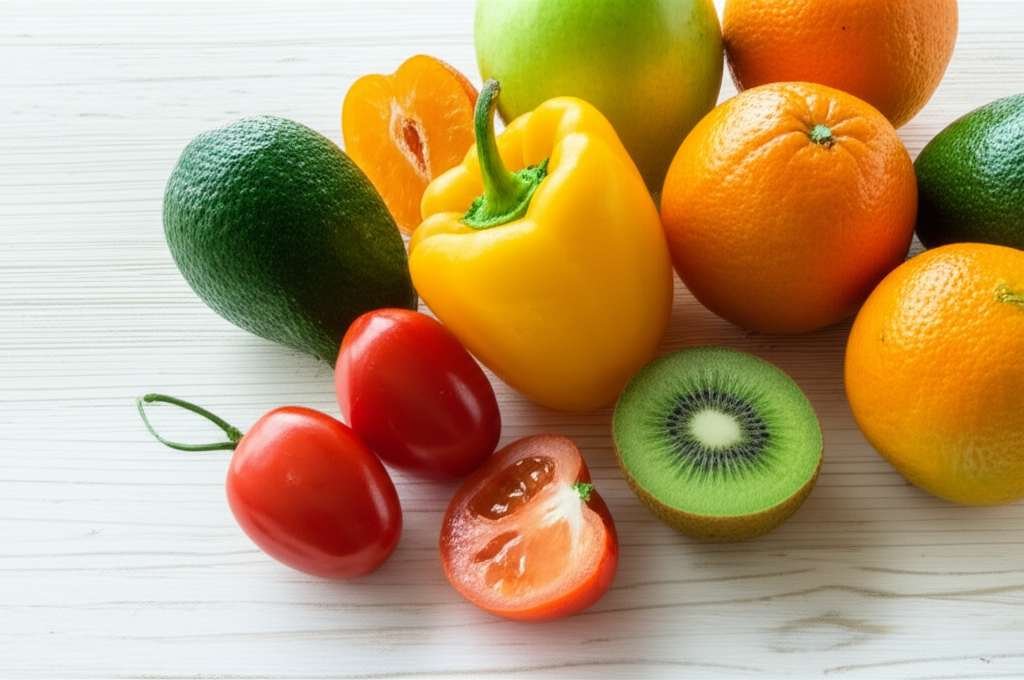
- Plenty of Non-Starchy Vegetables: Leafy greens (spinach, kale), broccoli, cauliflower, bell peppers, zucchini, and tomatoes. These are packed with vitamins, minerals, and antioxidants that fight inflammation.
- Low-Glycemic Fruits: Berries, apples, pears, and citrus fruits. They provide natural sweetness and fiber without causing sharp blood sugar spikes.
- Whole Grains (in moderation): Quinoa, brown rice, oats, and barley. These provide fiber and help regulate blood sugar.
Limit or Avoid Inflammatory Foods
These foods can worsen inflammation and disrupt hormone balance:
- Processed Foods: Packaged snacks, fast food, processed meats, and sugary cereals.
- Refined Sugars: Sugary drinks, candies, pastries, and most desserts.
- Refined Carbohydrates: White bread, white pasta, and white rice.
- Unhealthy Fats: Trans fats found in fried foods and some baked goods, and excessive saturated fats.
- Excessive Dairy and Gluten (for some): Some individuals find that reducing or eliminating dairy and gluten helps with inflammation and symptoms. This can be personalized.
Consider Macronutrient Balance
A good starting point is a balanced approach, often with a focus on:
- Protein: Aim for protein at every meal to help with satiety and blood sugar control.
- Healthy Fats: Essential for hormone production and reducing inflammation.
- Complex Carbohydrates: Choose those with a low glycemic index and pair them with protein and fat to slow sugar absorption.
A helpful way to visualize this is using the “plate method.” Imagine your plate divided into sections: half non-starchy vegetables, a quarter lean protein, and a quarter complex carbohydrates or healthy fats.
| Food Group | Recommended Choices | Limit/Avoid |
|---|---|---|
| Proteins | Chicken breast, turkey, salmon, tuna, eggs, lentils, beans, tofu | Processed meats (sausages, bacon), fried meats |
| Vegetables | Spinach, kale, broccoli, cauliflower, bell peppers, zucchini, tomatoes, carrots | Corn, peas, potatoes (in large amounts, choose sweet potatoes for more nutrients) |
| Fruits | Berries, apples, pears, oranges, grapefruit | Dried fruits (high in sugar), fruit juices, canned fruits in syrup |
| Grains/Carbs | Quinoa, brown rice, oats, sweet potatoes, whole-grain bread (sparingly) | White bread, white pasta, white rice, sugary cereals, pastries |
| Fats | Avocado, olive oil, nuts, seeds, fatty fish (salmon, mackerel) | Fried foods, margarine, excessive butter, processed snacks |
| Dairy | Unsweetened almond milk, coconut milk (for some) | Full-fat dairy (for some), sugary yogurts |
Step 2: Incorporate Gentle, Consistent Exercise
Movement is incredibly important, but it needs to be approached in a way that doesn’t exacerbate inflammation or lead to burnout. The goal is consistency and enjoyment.
Cardiovascular Exercise
Aim for at least 150 minutes of moderate-intensity cardio per week. This can include:
- Brisk walking
- Cycling
- Swimming
- Dancing
- Elliptical training
Cardio helps improve insulin sensitivity and can contribute to calorie expenditure, aiding weight loss. Listen to your body; if you’re feeling fatigued, a gentle walk is perfectly fine.
Strength Training
Building muscle is vital because muscle tissue burns more calories at rest than fat tissue. Aim for 2-3 strength training sessions per week, focusing on compound movements that work multiple muscle groups.
- Squats
- Lunges
- Push-ups (can be done on knees)
- Rows
- Planks
You can use bodyweight, resistance bands, or weights. Start with lighter weights and focus on proper form. Resources like those from MoveForwardPT.com offer great insights into strength training benefits for conditions like PCOS.
Mindful Movement and Flexibility
Don’t underestimate the power of activities that reduce stress and improve flexibility:
- Yoga: Particularly beneficial for reducing stress and improving body awareness. Restorative and gentle yoga styles can be very helpful.
- Pilates: Excellent for core strength and posture.
- Stretching: Helps with mobility and can alleviate muscle stiffness.
These activities can help manage stress hormones, which are often elevated in individuals with PCOS and endometriosis, and can indirectly support weight loss by improving overall well-being.
Step 3: Prioritize Sleep and Stress Management
These two factors are often overlooked but are critical for hormonal balance and weight management, especially with PCOS and endometriosis.
The Importance of Sleep
Lack of sleep can disrupt your hunger hormones (ghrelin and leptin), leading to increased appetite and cravings for unhealthy foods. It can also impair insulin sensitivity and increase cortisol levels.
Aim for 7-9 hours of quality sleep per night. Establish a regular sleep schedule, create a relaxing bedtime routine, and make sure your bedroom is dark, quiet, and cool.
Effective Stress Management Techniques
Chronic stress is a major contributor to inflammation and can worsen PCOS and endometriosis symptoms. Finding healthy ways to cope is essential.
- Mindfulness and Meditation: Even 5-10 minutes a day can make a difference. Apps like Calm or Headspace can guide you.
- Deep Breathing Exercises: Simple, yet powerful for calming the nervous system.
- Spending Time in Nature: A walk in a park or simply sitting outdoors can be restorative.
- Hobbies and Creative Outlets: Engage in activities you enjoy.
- Journaling: Processing your thoughts and feelings can be very therapeutic.
Managing stress can help lower cortisol levels, reduce inflammation, and improve your body’s ability to manage blood sugar and burn fat.
Step 4: Hydration is Key
Drinking enough water is fundamental for overall health and can play a role in weight management.
- Supports Metabolism: Water is involved in almost every bodily process, including metabolism.
- Aids Digestion: Proper hydration helps your digestive system function smoothly.
- Can Curb Appetite: Sometimes, thirst can be mistaken for hunger. Drinking a glass of water before meals can help you feel more full.
Aim for at least 8 glasses (about 2 liters) of water per day, and more if you are active or in a warm climate. Herbal teas (unsweetened) also count towards your fluid intake.
Step 5: Be Patient and Kind to Yourself
Weight loss is a journey, not a race, and it’s especially true when managing chronic conditions. There will be ups and downs, and that’s perfectly normal.
- Focus on Non-Scale Victories: Notice improvements in your energy levels, reduced pain, better sleep, or clothes fitting more comfortably.
- Celebrate Small Wins: Acknowledging your progress, no matter how small, is important for motivation.
- Avoid All-or-Nothing Thinking: If you have an off day, don’t let it derail your progress. Just get back on track with your next meal or workout.
- Seek Support: Connect with friends, family, or online communities for encouragement.
Remember, the goal is to create sustainable healthy habits that improve your quality of life, not just to reach a specific number on the scale.
When to Seek Professional Help
While this guide provides a solid foundation, it’s essential to remember that you don’t have to navigate this alone. Consulting with healthcare professionals can offer personalized support and ensure your weight loss efforts are safe and effective.
- Your Doctor: They can help diagnose and manage PCOS and endometriosis, monitor your overall health, and rule out other underlying conditions.
- Registered Dietitian (RD) or Nutritionist: An RD can create a personalized meal plan tailored to your specific needs, preferences, and the complexities of PCOS and endometriosis. They can help you understand how to balance macronutrients and manage blood sugar.
- Endocrinologist: If insulin resistance or other hormonal issues are significant, an endocrinologist can provide specialized guidance.
- Pelvic Floor Physical Therapist: For individuals with endometriosis, a pelvic floor PT can offer targeted exercises and pain management strategies that complement your weight loss efforts.
- Mental Health Professional: Dealing with chronic conditions can impact mental health. A therapist can provide coping strategies for stress, anxiety, or body image concerns.
Working with a team of professionals can provide you with the most comprehensive and supportive approach to achieving your weight loss goals while managing your health conditions. For more information on managing PCOS, the PCOS Foundation is an excellent resource.
FAQ
What are the biggest challenges to losing weight with PCOS and endometriosis?
The biggest challenges often stem from insulin resistance (common in PCOS), chronic inflammation (common in endometriosis), hormonal imbalances, and the impact of pain and fatigue on activity levels. These factors can slow metabolism and promote fat storage.
Can I lose weight with PCOS and endometriosis without strict dieting?
Yes! The focus should be on sustainable, whole-food-based eating patterns that reduce inflammation and balance hormones, rather than restrictive “diets.” Emphasizing nutrient-dense foods and mindful eating is more effective long-term.
How important is exercise for weight loss with these conditions?
Exercise is very important! It helps improve insulin sensitivity, reduce inflammation, build muscle (which boosts metabolism), and manage stress. The key is finding activities you enjoy and can do consistently, combining cardio with strength training and mindful movement.
How long does it typically take to see results?
Weight loss with PCOS and endometriosis can be slower than in individuals without these conditions. It’s crucial to focus on consistent habits and celebrate non-scale victories. Results can vary greatly, but patience and persistence are key. Aim for gradual, sustainable progress.
Should I cut out all carbs?
No, you don’t need to cut out all carbs. The goal is to choose complex, high-fiber carbohydrates with a low glycemic index (like quinoa, brown rice, sweet potatoes) and consume them in moderation, preferably paired with protein and healthy fats to manage blood sugar levels.
Are supplements helpful for weight loss with PCOS and endometriosis?
Some supplements, like Inositol, Omega-3 fatty acids, Vitamin D, and magnesium, may offer benefits for managing PCOS and endometriosis symptoms and supporting weight loss. However, it’s crucial to discuss any supplements with your doctor or a registered dietitian before starting them, as they can interact with medications or have contraindications.
What if I have severe pain that prevents me from exercising?
If pain is a significant barrier, prioritize pain management and gentle movement. Consult with your doctor or a pelvic floor physical therapist. Low-impact activities like gentle swimming, water aerobics, or very short, slow walks can be starting points. Focus on nutrition and stress management as well, as these can also help reduce inflammation and pain.
Conclusion
Navigating weight loss with PCOS and endometriosis can feel like an uphill battle, but it’s a journey you can absolutely win with the right approach. By focusing on nourishing your body with an anti-inflammatory diet, engaging in consistent, mindful movement, prioritizing sleep and stress management, and staying patient and kind to yourself, you are building a foundation for long-term health and well-being.
Remember that your body is unique, and what works best for you may involve some trial and error. Don’t be discouraged by setbacks; instead, view them as learning opportunities. Celebrate every step forward, whether it’s choosing a healthy meal, taking a brisk walk, or getting a good night’s sleep.
Empower yourself with knowledge, listen to your body’s signals, and don’t hesitate to seek support from healthcare professionals. You are capable of making positive changes and achieving your health goals. Keep going, and trust in your ability to create a healthier, happier you.
As an Amazon Associate, We earn from qualifying purchases. When you purchase a product through Amazon links on pulsefitguide.com, we may earn a small commission at no extra cost to you. This helps support the site and keep our content free.