

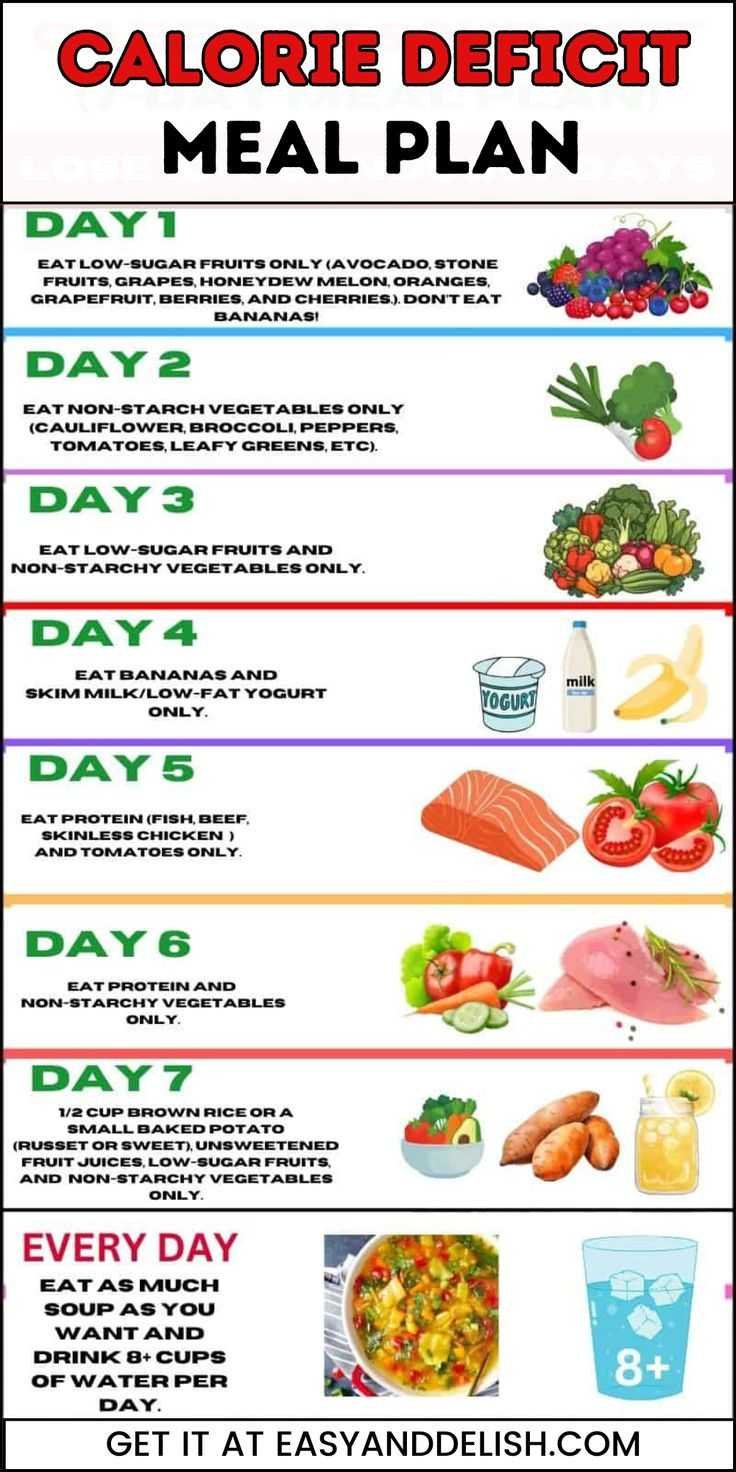
Losing weight might seem daunting, but the secret is simpler than you think: creating a calorie deficit. By consuming fewer calories than your body burns, you encourage it to burn stored fat for energy, leading to weight loss. The key is finding a sustainable balance—eating enough to nourish yourself while reducing intake just enough to stimulate fat burning. This approach doesn’t involve any magic pills or extreme dieting; it’s about making smarter food choices and staying consistent. Whether you’re aiming to shed a few pounds or make a significant change, understanding how a calorie deficit works can make your journey easier and more effective. With patience and a simple plan, you can achieve your weight loss goals naturally and maintain them long-term.

How to Lose Weight with a Calorie Deficit Diet
Understanding the Basics of a Calorie Deficit
A calorie deficit occurs when you consume fewer calories than your body needs to maintain its current weight. This forces your body to use stored fat for energy. Creating a calorie deficit is the most effective way to lose weight naturally and sustainably.
Your body requires a certain number of calories each day to perform basic functions like breathing, walking, and digestion. This is called your **Total Daily Energy Expenditure (TDEE)**. When you eat less than this amount, your body starts burning fat to make up for the shortage.
How to Calculate Your Daily Calorie Needs
Knowing your daily calorie needs helps you plan an effective weight loss diet. You can estimate this with online calculators or consult a healthcare professional. The calculation involves:
- Your age
- Gender
- Height
- Current weight
- Physical activity level
Once you have your TDEE, aim to create a deficit of around 500 to 1000 calories daily. This range typically results in a healthy weight loss of about 1 to 2 pounds per week.
Setting Realistic Weight Loss Goals
Losing weight too quickly can be unhealthy and hard to sustain. Aiming for a steady loss of about 1 to 2 pounds weekly is safe and more likely to last. Remember, patience and consistency matter more than rapid results.
Use your TDEE and calorie deficit to set achievable goals. Track your progress weekly to stay motivated and make adjustments as needed.
Designing a Calorie-Deficit Meal Plan
Creating a balanced meal plan helps you stay within your calorie limits. Focus on nutrient-dense foods that keep you full longer. Prioritize vegetables, fruits, lean proteins, and whole grains.
Here are tips for meal planning:
- Include lean meats like chicken, turkey, or fish
- Choose complex carbs like oats, brown rice, and quinoa
- Snack on nuts, seeds, or yogurt in moderation
- Avoid sugary drinks and processed snacks
Use a food diary or apps to track your daily intake and ensure you meet your calorie goals.
Foods That Help You Lose Weight
Some foods are especially beneficial when trying to lose weight through calorie deficit:
- High-protein foods like eggs, cottage cheese, and legumes help increase satiety
- Fibrous vegetables such as spinach, broccoli, and carrots fill you up without adding many calories
- Fruits like berries, apples, and oranges provide sweetness and fiber
- Whole grains help sustain energy and keep hunger at bay
Avoid foods high in added sugars, unhealthy fats, and refined carbs which can sabotage your calorie deficit.
Managing Portion Sizes and Meal Frequency
Controlling portion sizes is key to managing calorie intake. Use smaller plates or bowls to make servings seem larger. Eating smaller, more frequent meals can stabilize blood sugar and reduce hunger.
Try to:
- Eat three balanced meals daily with healthy snacks if needed
- Be mindful of portion sizes, especially with calorie-dense foods
- Take your time to chew slowly and enjoy each bite
This approach can curb overeating and help you stay within your calorie limits.
Incorporating Physical Activity
While diet plays a significant role, physical activity accelerates weight loss. Exercise increases your calorie burn and preserves muscle mass during weight loss.
Effective activities include:
- Walking or jogging
- Swimming or cycling
- Strength training with weights or resistance bands
Aim for at least 150 minutes of moderate exercise weekly or as directed by your health provider.
The Role of Tracking and Monitoring Progress
Regularly tracking your food intake and physical activity helps maintain accountability. Use apps or journals to record your meals, workouts, and weight changes.
Monitoring allows you to identify patterns, celebrate milestones, and make necessary adjustments. Remember, weigh-ins should be weekly and at the same time of day for consistency.
Overcoming Common Challenges in a Calorie Deficit Diet
Sticking to a calorie deficit can be tough, especially during social events or stressful days. Plan ahead by:
- Bringing healthy snacks to avoid temptation
- Finding healthier options when dining out
- Staying hydrated to reduce false hunger signals
Stay positive and patient. Weight loss is a journey, and setbacks are part of the process. Focus on your progress and keep your goals in mind.
Additional Tips for Successful Weight Loss
Consistent habits lead to long-term results. Consider these tips:
- Get enough sleep to regulate hunger hormones
- Manage stress through relaxation techniques
- Stay motivated by setting small, achievable targets
- Seek support from friends or a weight loss group
Remember, a combination of good eating habits, physical activity, and mental health support creates the best environment for weight loss success.
Related Topics to Explore
Increasing your understanding of nutrition, meal prepping, and healthy recipes can further support your journey. Learning about the importance of hydration and how to stay active daily can enhance your efforts. Additionally, exploring mindful eating techniques helps prevent overeating during your calorie deficit plan.
How To Calculate A Calorie Deficit For Weight Loss | Nutritionist Explains | Myprotein
Frequently Asked Questions
How does tracking daily calorie intake help in maintaining a deficit?
Keeping track of your daily calorie intake allows you to identify your eating patterns and ensure you are consuming fewer calories than your body needs for maintenance. This awareness helps you make informed choices, avoid unintentional overeating, and stay consistent with your calorie goals, which is crucial for effective weight loss.
What are some practical ways to reduce calorie consumption without feeling deprived?
Incorporate more low-calorie, nutrient-dense foods like vegetables, fruits, and lean proteins into your meals. Use smaller plates and utensils to control portion sizes and avoid high-calorie snacks. Drinking plenty of water before meals can also help you feel full faster, reducing overall calorie intake.
How can regular physical activity influence the effectiveness of a calorie deficit diet?
Engaging in consistent physical activity increases your total calorie expenditure, making it easier to create and sustain a deficit. Exercise also helps preserve muscle mass during weight loss, improves overall health, and boosts your metabolism, which can accelerate your progress.
What role does consistency play in achieving weight loss with a calorie deficit?
Sticking to your calorie goals consistently ensures a steady calorie deficit over time, which leads to gradual and sustainable weight loss. Consistency helps your body adapt to healthier habits, reduces fluctuations in weight, and increases your chances of long-term success.
Are there any risks of maintaining a calorie deficit for too long or too aggressively?
Yes, overly aggressive calorie restrictions or prolonged deficits can lead to nutrient deficiencies, decreased energy levels, and loss of muscle mass. It may also slow down your metabolism and cause metabolic adaptation, making it harder to lose weight or maintain your results. It’s essential to approach calorie deficits carefully and consider consulting a healthcare professional when planning your diet.
Final Thoughts
Losing weight with a calorie deficit diet involves monitoring your intake and staying active. Focus on eating nutrient-dense foods that satisfy your hunger without excess calories. Incorporate regular exercise to boost your calorie burn and improve overall health.
Consistent effort and mindful eating are key to achieving sustainable results. Remember, a well-balanced approach makes it easier to stay motivated. Following these steps helps you reach your weight loss goals effectively. In sum, understanding how to lose weight with a calorie deficit diet empowers you to make healthier choices and succeed.
As an Amazon Associate, We earn from qualifying purchases. When you purchase a product through Amazon links on pulsefitguide.com, we may earn a small commission at no extra cost to you. This helps support the site and keep our content free.