

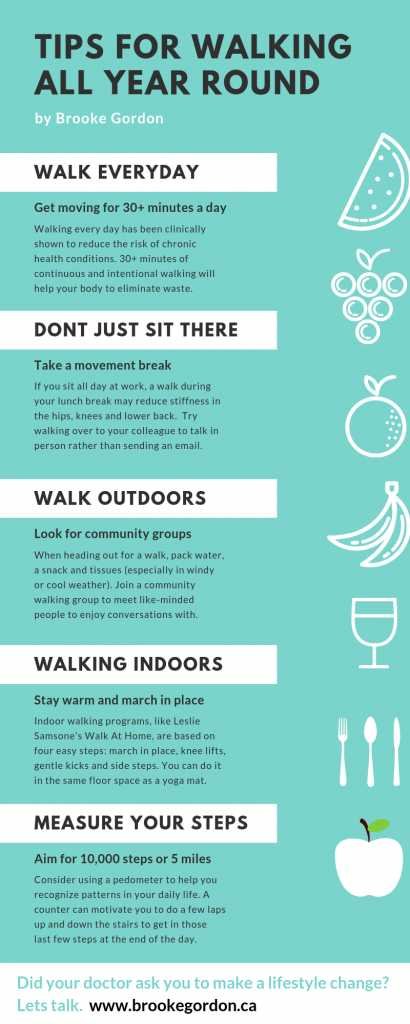
Walking daily can be one of the simplest and most effective ways to shed those extra pounds. Just by putting one foot in front of the other regularly, you can boost your metabolism, burn calories, and improve your overall health. The key is consistency—making walking a part of your daily routine and increasing your pace or duration over time.
In short, to lose weight by walking every day, aim for at least 30 minutes of brisk walking most days of the week, gradually increasing your pace and distance. Combine this with a balanced diet, stay hydrated, and stay motivated to see the best results.
Losing weight through walking is accessible and sustainable, perfect for anyone looking to start their fitness journey without complicated equipment or gym memberships. By establishing a daily walking habit, you’ll not only burn calories but also clear your mind and boost your mood, making it easier to stay committed to your weight loss goals. Whether you’re a beginner or looking to enhance your current routine, walking can be a straightforward, enjoyable way to achieve a healthier, fitter you.

How to Lose Weight by Walking Every Day
Understanding How Walking Helps You Lose Weight
Walking is a simple and effective way to burn calories and shed unwanted pounds. When you walk, your body uses energy to move, converting stored fat into fuel. The more consistently you walk, the more calories you burn, leading to weight loss over time.
Moreover, walking increases your heart rate and boosts your metabolism. These effects help your body burn calories even after your walk has ended. Regular walking also reduces fat around your belly and thighs, giving you a slimmer figure.
Setting Realistic Goals for Weight Loss with Walking
Before starting your walking routine, set clear and achievable goals. For example, aim to walk for 30 minutes daily for the first week. Then, gradually increase your duration or intensity.
Make your goals specific, like losing 1 to 2 pounds per week, which is safe and sustainable. Tracking your progress helps keep you motivated and on track toward your weight loss target.
Creating a Walking Routine That Fits Your Lifestyle
Choose the best time for your daily walk, whether morning, afternoon, or evening. Consistency is key, so pick a time that fits seamlessly into your day.
Start with short walks if you’re new to exercise, such as 10 to 15 minutes. Then, gradually extend your walking sessions to 30, 45, or even 60 minutes. Incorporate brisk walking to increase calorie burn.
Choosing the Perfect Walking Environment
Walking outdoors offers fresh air, sunlight, and variety, making it more enjoyable. Parks, sidewalks, and nature trails are excellent options.
If you prefer indoors, consider walking in shopping malls or using a treadmill. An environment with smooth, safe surfaces helps prevent injuries and makes your walk more comfortable.
Proper Walking Technique for Maximum Results
Keep your head up and look forward, not down at your feet. Relax your shoulders and swing your arms naturally at your sides.
Maintain good posture by engaging your core muscles and avoiding slouching. Stride comfortably and avoid overstriding to prevent stress on your joints.
Enhancing Fat Burning with Walking Intensity and Pace
Walking at a brisk pace, around 3 to 4 miles per hour, increases calorie expenditure. Incorporate intervals of faster walking or jogging for variety.
Use tools like a pedometer or fitness tracker to monitor your steps and pace. Aim for at least 10,000 steps daily to maximize weight loss benefits.
Tracking Progress and Staying Motivated
Keep a walking journal to record your daily routes, duration, and feelings. Seeing your progress encourages continued effort.
Join walking groups or challenge friends to make the activity more social and fun. Celebrate small milestones, like completing a week of consistent walking.
Eating Smart to Complement Your Walking Routine
Pair your walking with a balanced diet rich in fruits, vegetables, lean proteins, and whole grains. Avoid sugary snacks and drinks that add unnecessary calories.
Stay hydrated, especially on warmer days or during longer walks. Remember, losing weight requires burning more calories than you consume.
Safety Tips for Your Daily Walks
Wear comfortable, supportive shoes to prevent injuries. Dress appropriately for the weather to stay comfortable and avoid health issues.
Be aware of your surroundings, especially in unfamiliar areas. Carry a phone and share your route with someone you trust for added safety.
Adding Variety to Keep Walking Exciting
Change your routes regularly to explore new sights and keep boredom at bay. Incorporate hills or inclines to challenge your muscles more.
Try listening to music or audiobooks during your walks to make the activity more enjoyable. Mix in some interval walking to boost calorie burn.
Using Technology to Support Your Weight Loss Journey
Fitness apps and pedometers help track your steps, distance, and calories burned. Many apps provide guided walking programs and motivational messages.
Set reminders or alarms to schedule your daily walks and ensure consistency. Technology can make your routine more engaging and organized.
Building a Support System for Success
Share your goals with family and friends for encouragement. Join online forums or local walking clubs to stay motivated.
Participating in group walks provides accountability and makes the activity more social. Support from others helps you stay committed to your routine.
Overcoming Challenges and Staying Consistent
Weather, busy schedules, or fatigue can disrupt your routine. Prepare by choosing indoor options or adjusting your walking times.
Setbacks happen, but don’t get discouraged. Focus on progress, not perfection, and pick up where you left off.
Combining Walking with Other Healthy Habits
Enhance your weight loss by adding strength training and flexibility exercises. These improve muscle tone and prevent injuries.
Ensure you get enough sleep and manage stress levels, as these factors influence your weight and overall health.
The Long-Term Benefits of Daily Walking
Walking daily not only helps you shed pounds but also improves heart health, boosts mood, and increases energy levels. It’s a sustainable habit that benefits your overall well-being.
Adopting a consistent walking routine can lead to lasting lifestyle changes that support healthy weight management. Plus, walking is accessible, inexpensive, and suitable for all fitness levels.
Making walking a regular part of your day can be one of the easiest yet most effective ways to reach your weight loss goals. Stay motivated, be patient, and enjoy the journey toward a healthier, happier you.
How Much Walking To Lose Weight?
Frequently Asked Questions
What are some effective strategies to stay consistent with daily walking for weight loss?
To stay consistent, set a specific time each day for your walks, such as early morning or evening. Keep a schedule and treat these walks as important appointments. Track your progress with a journal or an app to stay motivated. Vary your routes and incorporate brisk walking segments to keep the activity engaging. Lastly, find a walking buddy or join a group to add accountability and make your routine enjoyable.
How can I incorporate walking into a busy daily schedule without feeling overwhelmed?
Break your walking sessions into shorter periods, such as three 10-minute walks throughout the day. Use your lunch break or short breaks during work to take brisk walks. Choose locations close to your home or workplace to minimize travel time. Prioritize consistency over duration, gradually increasing your walking time as it becomes a regular part of your routine. This approach helps you stay active without feeling overwhelmed by your schedule.
What should I consider in choosing the right footwear for walking to lose weight effectively?
Select shoes that provide good arch support, cushioning, and a comfortable fit. Proper footwear reduces the risk of injuries and makes walking more comfortable, encouraging you to walk longer and more frequently. Avoid shoes that are too tight or lack support. Investing in quality walking shoes designed for your foot type enhances your overall experience and helps you stick to your routine.
How can I boost the calorie burn during my daily walks?
Increase your walking pace to a brisker level or incorporate intervals of faster walking. Use arm movements and engage your core to maximize effort. Walking on varied terrains, like hills or uneven paths, also helps burn more calories. Additionally, consider carrying light weights or wearing a weighted vest to increase intensity while maintaining safety. These methods help you break through plateaus and achieve better weight loss results.
What role does diet play alongside walking in achieving weight loss goals?
Pairing regular walking with a balanced diet accelerates your weight loss. Focus on eating nutrient-dense foods, controlling portion sizes, and reducing intake of processed foods and sugars. Staying hydrated supports your activity levels and aids recovery. Combining the two encourages a calorie deficit, which is essential for losing weight. Proper nutrition also provides the energy you need for consistent walking sessions.
Final Thoughts
In summary, how to lose weight by walking every day is simple and effective. Consistency matters, so set a daily walking routine that fits your schedule. Use comfortable shoes and walk at a brisk pace to maximize calorie burn. Incorporate longer walks or interval sessions for better results. Staying committed helps you achieve your weight loss goals and improves overall health.
As an Amazon Associate, We earn from qualifying purchases. When you purchase a product through Amazon links on pulsefitguide.com, we may earn a small commission at no extra cost to you. This helps support the site and keep our content free.