

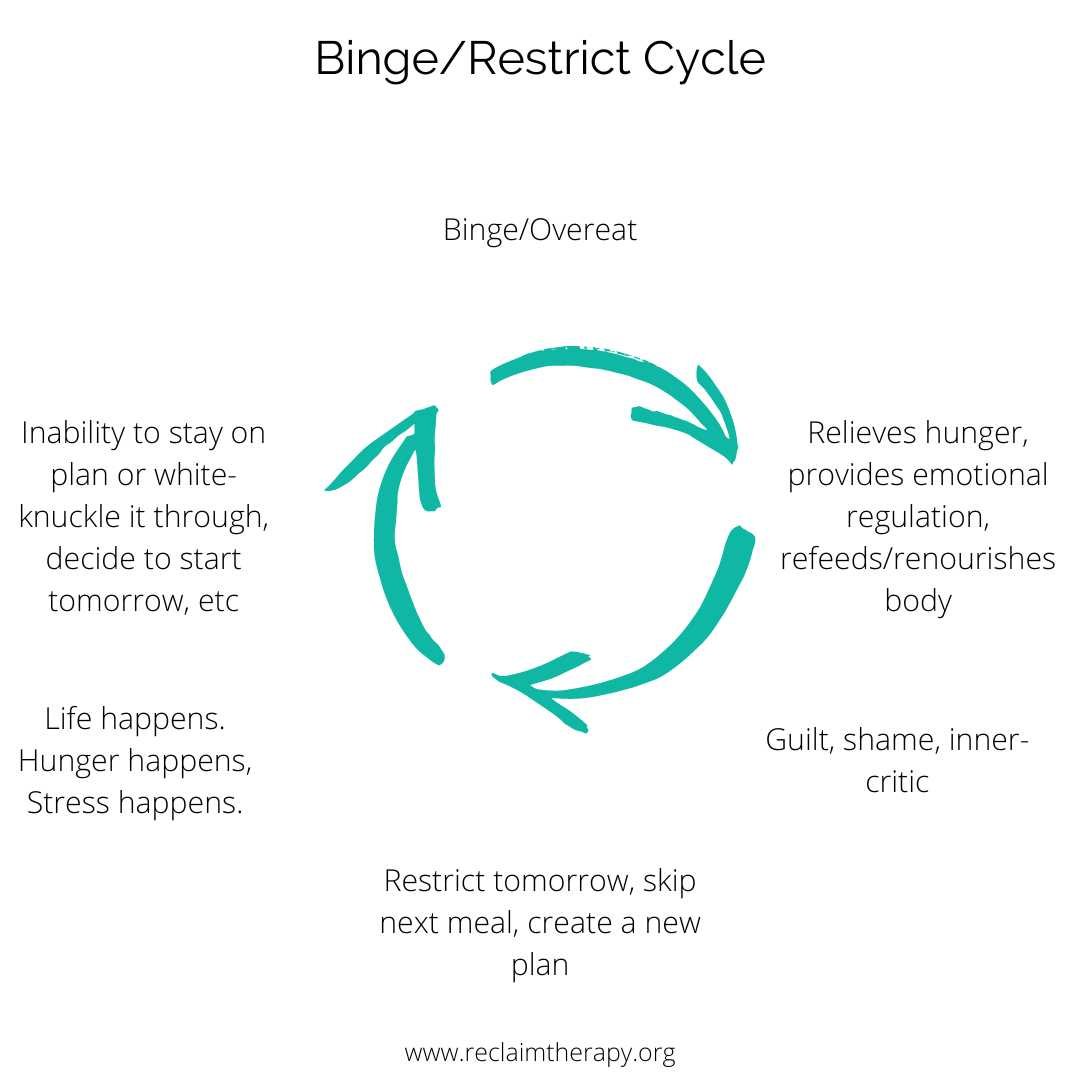
To curb late-night snacking or emotional eating, try establishing a routine, managing stress, and choosing healthier snacks. Keep busy during evening hours to reduce boredom-related urges and practice mindful eating to recognize true hunger. These steps make it easier to control impulses and develop healthier habits over time.
If you want to stop late-night snacking or emotional eating, the key is understanding your triggers and creating strategies to address them. Setting regular meal times, finding alternative ways to cope with emotions, and preparing nutritious snacks can help you stay on track. Consistency and patience are essential in breaking these habits and fostering a healthier relationship with food.
Sometimes, resisting the urge to snack late at night or eat emotionally feels impossible, especially when stress or boredom kicks in. It’s common to turn to food for comfort or to fill a void, but learning to identify these emotional cues and replace them with healthier activities can make a big difference. Small changes, like staying busy or practicing relaxation techniques, help you gain control and make better choices around food, paving the way for a balanced lifestyle.

How to limit late-night snacking or emotional eating
Understanding Why You Snack Late at Night or Eat Emotionally
Many people find themselves reaching for snacks late at night or eating emotionally without realizing why. Often, this behavior is linked to emotions like stress, boredom, sadness, or anxiety. Recognizing these triggers is the first step to managing and reducing late-night snacking or emotional eating.
Common Triggers for Late-Night Snacking and Emotional Eating
- Stress and Anxiety: Feeling overwhelmed can lead to seeking comfort in food. Food temporarily eases negative feelings.
- Boredom: Without anything to do, eating can fill the empty time and provide distraction.
- Sleep Deprivation: Lack of sleep increases hunger hormones, making you crave high-calorie foods.
- Habit Formation: Over time, late-night snacking becomes a routine, making it hard to break.
- Emotional Comfort: Food can provide a feeling of safety or relief during tough times.
How Emotional Eating Affects Your Health
Constant emotional eating can lead to weight gain and health issues like diabetes or heart disease. It also affects your mental well-being, making you feel guilty or frustrated. Recognizing these consequences can motivate change.
Physical Consequences
- Unintentional weight gain
- Digestive problems
- Increased risk for chronic diseases
Emotional and Mental Impact
- Feelings of guilt and shame
- Lower self-esteem
- Cycle of emotional distress and eating
Practical Strategies to Limit Late-Night Snacking and Emotional Eating
Taking practical steps can help you control these behaviors and develop healthier habits.
Establish a Consistent Eating Schedule
Eat regular, balanced meals during the day to prevent excessive hunger at night. Skipping meals can increase cravings later.
Create a Healthy Evening Routine
Replace snacking with relaxing activities like reading, meditation, or gentle stretches. This helps unwind without food.
Manage Stress Effectively
Practice deep breathing exercises, mindfulness, or journaling to handle emotions that trigger eating. Avoid using food as an emotional outlet.
Keep Unhealthy Foods Out of Sight
Store tempting snacks out of reach or avoid buying high-calorie, processed foods. Instead, stock healthy options like fruits or nuts.
Stay Hydrated
Sometimes, thirst is mistaken for hunger. Drinking water or herbal teas can curb the urge to snack.
Healthy Alternatives for Late-Night Snacking
Opt for nutritious, low-calorie snacks if you need to eat late at night.
Suggestions for Healthy Snacks
- Fresh fruits like berries, apple slices, or bananas
- Vegetable sticks with hummus or yogurt dip
- Low-fat yogurt or cottage cheese
- Whole-grain crackers with nut butter
- Herbal teas with a touch of honey
Developing a Mindful Eating Practice
Eating mindfully can reduce emotional and late-night snacking. Pay attention to hunger cues and eat slowly.
Tips for Mindful Eating
- Eat without distractions like TV or smartphones
- Chew slowly and enjoy each bite
- Listen to your body’s signals of fullness
- Pause before reaching for more food to assess if you’re truly hungry
Creating Supportive Environments
Your environment plays a significant role in your eating habits.
Tips for a Supportive Environment
- Keep healthy snacks accessible and unhealthy ones out of reach
- Set a designated eating area to develop routine
- Share your goals with friends or family for accountability
- Avoid keeping tempting foods in easy-to-reach places
Seeking Professional Help if Necessary
If emotional eating becomes overwhelming or affects your health, consider consulting a therapist or nutritionist. They can help address underlying issues and develop personalized strategies.
When to Seek Help
- Persistent emotional distress
- Inability to control eating behaviors
- Significant weight changes or health problems
Tracking Your Progress and Adjusting Goals
Keeping a food journal can help identify patterns and triggers. Regularly reviewing your habits allows you to make necessary adjustments.
Tips for Tracking
- Write down what you eat, when, and how you feel
- Note any emotional states associated with eating
- Set small, achievable goals to gradually reduce late-night snacking
Building a Support System
Surround yourself with supportive friends or join groups focused on healthy eating. Sharing your journey can boost motivation and accountability.
Ways to Find Support
- Join online communities or local support groups
- Partner with a friend for shared goals
- Seek encouragement from family members
Maintaining Long-Term Success
Changing habits takes time. Celebrate small victories and be patient with setbacks. Consistency is key to reducing late-night snacking and emotional eating permanently.
Tips for Staying on Track
- Focus on progress, not perfection
- Keep reminding yourself of your reasons for change
- Stay flexible and adapt your strategies as needed
Many people find that understanding their triggers, creating a supportive environment, and practicing mindful eating are essential for controlling late-night snacking and emotional eating. By implementing these strategies consistently, you can develop healthier habits that support your overall well-being and help you feel more in control of your choices.
Tips to stop binge eating!
Frequently Asked Questions
What practical steps can I take to avoid late-night snacking?
Establish a routine that includes a satisfying dinner to reduce cravings later in the evening. Keep healthy snacks readily available if you feel hungry, and stay hydrated by drinking water or herbal tea. Distract yourself with engaging activities or hobbies to divert attention from the urge to snack late at night. Setting a specific cutoff time for eating can help reinforce boundaries and reduce impulsive snacking.
How can managing stress help reduce emotional eating at night?
Finding healthy ways to cope with stress, such as practicing mindfulness, exercising, or journaling, can lessen the emotional triggers that lead to late-night eating. Recognize emotional cues and differentiate them from physical hunger. Addressing underlying feelings instead of suppressing them prevents turning to food for comfort, thereby decreasing the likelihood of emotional overeating during late hours.
What dietary habits support better control over late-night snacking?
Eat balanced meals during the day that include sufficient proteins, healthy fats, and fiber to promote sustained fullness. Avoid excessive consumption of sugar and refined carbs, which can cause blood sugar spikes and crashes, triggering late-night hunger. Incorporate satisfying, nutrient-dense foods in your evening meal to stay full longer and reduce the temptation to snack impulsively.
How can creating a relaxing bedtime routine help prevent emotional eating?
Developing a calming pre-sleep routine, such as reading, taking a warm bath, or practicing meditation, helps reduce stress and emotional disturbances that might lead to late-night eating. Ensuring a comfortable and clutter-free sleep environment encourages better sleep quality, which can balance hunger hormones and diminish cravings that occur when sleep is disrupted.
What strategies can I use to stay accountable and track my eating habits at night?
Keep a food journal or use an app to record your evening eating patterns and identify triggers. Share your goals with a trusted friend or family member for support. Reflect on your emotional state before and after eating to recognize patterns. Regular self-assessment can help you make conscious choices and develop healthier habits over time.
Final Thoughts
To limit late-night snacking or emotional eating, focus on establishing a consistent meal schedule throughout the day. Keep healthy snacks available to prevent impulsive choices. Find alternative ways to cope with emotions, such as journaling or taking a walk. Small lifestyle adjustments can make a significant difference in managing your habits and promoting overall well-being.
As an Amazon Associate, We earn from qualifying purchases. When you purchase a product through Amazon links on pulsefitguide.com, we may earn a small commission at no extra cost to you. This helps support the site and keep our content free.