

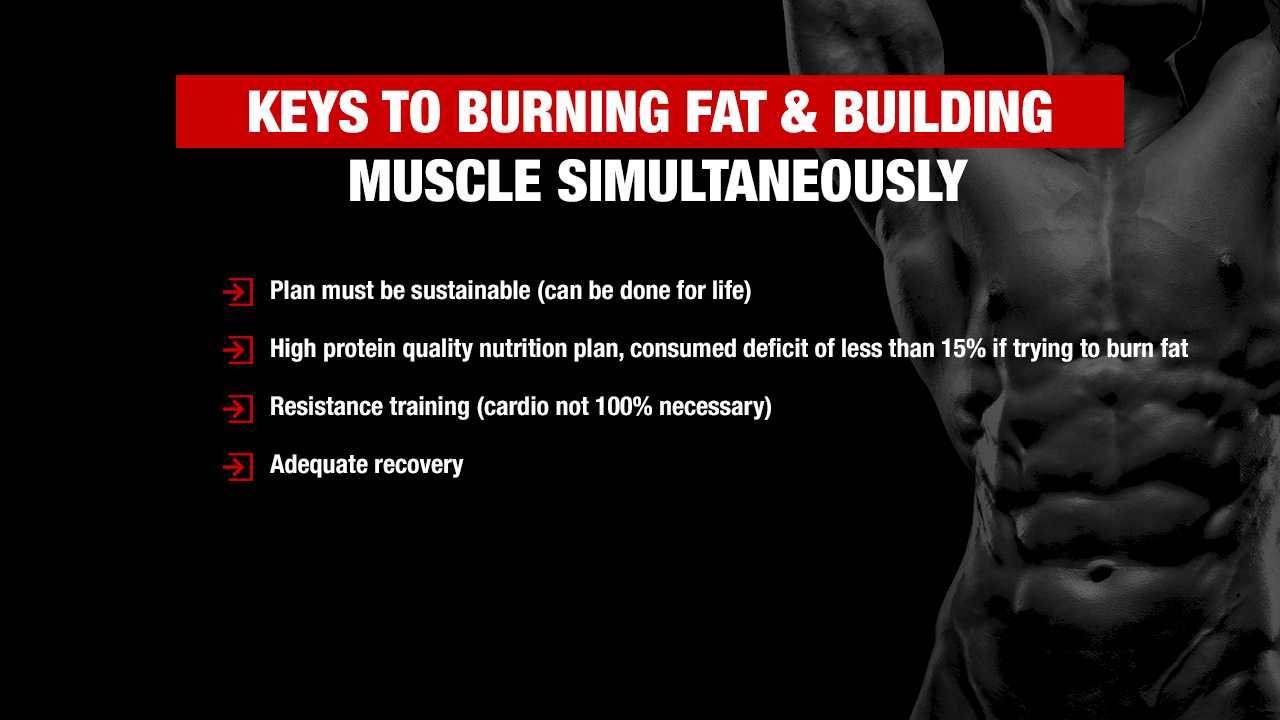
Lifting weights is one of the most effective ways to melt away fat and pack on lean muscle at the same time. The key is to combine proper training techniques with smart nutrition to maximize results. You should focus on lifting heavier weights with proper form, integrating both compound and isolation exercises, and maintaining a consistent workout schedule. Rest and recovery are just as important as the workouts themselves to allow muscles to grow and fat to burn efficiently.
In short, to burn fat and build muscle through weightlifting, challenge your muscles with progressive overload, incorporate a mix of heavy lifts and high-rep sets, and support your efforts with a balanced diet. Keep consistency, listen to your body, and stay motivated for the best results.
Starting a weightlifting routine aimed at burning fat and building muscle can seem overwhelming at first, but with the right approach, it becomes incredibly rewarding. The secret lies in striking a balance between lifting heavy enough to challenge your muscles and maintaining a metabolic boost that burns calories even after your workout. This means focusing on compound movements like squats, deadlifts, and presses, which engage multiple muscle groups and boost fat burning. Additionally, mixing in some high-rep sets can elevate your heart rate, increasing caloric expenditure. Remember, recovery and nutrition play integral roles—fuel your body with protein, stay hydrated, and ensure you get enough rest. With dedication and smart training, you’ll see your body transform into a stronger, leaner version of itself.

How to Lift Weights to Burn Fat and Build Muscle
Understanding the Basics of Strength Training for Fat Loss and Muscle Growth
Lifting weights is a powerful way to change your body. It helps you burn fat while making your muscles stronger. To get the best results, it’s important to know how to set up your workouts. This means choosing the right exercises, reps, and rest periods.
Strength training works by stressing your muscles. When you lift weights, you cause tiny tears in muscle fibers. Your body repairs these tears, making muscles bigger and stronger. At the same time, this process burns calories and helps reduce fat.
Your nutrition plays a big role. Eating enough protein supports muscle growth. Staying in a slight calorie deficit helps you burn fat without losing muscle. Balance this with your workout plan for effective results.
Choosing the Right Exercises for Fat Burning and Muscle Building
For effective fat loss and muscle growth, focus on multi-joint exercises. These movements engage multiple muscle groups at once. Examples include squats, deadlifts, bench presses, and pull-ups.
Incorporate both compound and isolation exercises. Compound lifts build strength quickly and burn more calories. Isolation movements target specific muscles to improve symmetry and detail.
Mixing different types of exercises keeps workouts interesting. It also helps prevent plateaus. Alternating between different movements challenges your muscles in new ways.
Sample Exercises to Include
- Squats (Bodyweight, Goblet, Barbell)
- Deadlifts (Conventional, Romanian)
- Push-ups and Bench Presses
- Pull-ups and Rows
- Shoulder Presses
- Plank and Core Workouts
Each of these exercises targets large muscle groups. Performing them regularly boosts overall calorie burn and muscle tone.
Setting Up Your Workout Routine for Fat Loss and Muscle Gain
Design your workout plan to include strength training three to five times a week. Rest days are crucial for muscle repair and growth. Balance workout intensity with recovery time.
Use a combination of high-repetition, low-rest sessions and lower-repetition, heavier lifts. This variation stimulates different muscle fibers and enhances both fat loss and strength.
A sample weekly plan might include:
- Day 1: Full-body strength workout
- Day 2: Cardio or active recovery
- Day 3: Upper body focus
- Day 4: Rest or light activity
- Day 5: Lower body and core
- Day 6: Cardio or HIIT
- Day 7: Rest
Adjust this schedule based on your fitness level and goals.
Understanding Repetitions, Sets, and Rest Periods
For muscle building, aim for 8 to 12 repetitions per set using moderate to heavy weights. This rep range encourages muscle hypertrophy, or growth.
To burn fat effectively, include higher-repetition sets of 12 to 20. These promote muscular endurance and increase calorie expenditure during and after workouts.
Rest periods between sets are vital. Short rests of 30 to 60 seconds keep your heart rate elevated, boosting calorie burn. Longer rests of 1 to 2 minutes allow for heavier lifts and full recovery.
Sample Training Parameters
| Goal | Reps per Set | Number of Sets | Rest Between Sets |
|---|---|---|---|
| Muscle Building | 8-12 | 3-4 | 1-2 minutes |
| Fat Burning | 12-20 | 2-3 | 30-60 seconds |
Adjusting these parameters helps tailor your training to your specific goals.
Incorporating Progressive Overload for Continued Progress
Progressive overload means steadily increasing the challenge to your muscles. This could involve raising weights, adding more reps, or reducing rest periods.
Track your workouts to monitor progress. Once a certain weight or rep count becomes comfortable, increase the difficulty slightly.
This gradual increase encourages muscle growth and prevents plateaus. It also promotes continuous fat burning as your body adapts to new demands.
Strategies to Maximize Fat Burn During Strength Workouts
Include supersets or circuit training in your routine. These involve performing exercises back-to-back without rest, keeping your heart rate high.
Adding resistance training to high-intensity interval training (HIIT) boosts calorie burn and fat loss. For example, alternate between lifting weights and short bursts of cardio.
Maintaining an elevated heart rate during workouts increases total calorie expenditure. This improves fat loss without sacrificing muscle gains.
Additional Tips for Effective Fat Burning
- Stay hydrated before, during, and after workouts
- Incorporate compound movements for maximum efficiency
- Vary your exercises regularly to challenge muscles
- Focus on proper form to prevent injuries and maximize results
Opt for higher repetitions and shorter rest periods during workouts to keep your metabolic rate high.
Nutrition and Recovery to Support Your Training Goals
Proper eating fuels your workouts and aids recovery. Prioritize high-quality proteins such as chicken, fish, beans, and lean beef.
Maintain a slight calorie deficit to lose fat while providing enough energy for muscle growth. Balance carbs and fats to support your activity levels.
Post-workout nutrition is crucial. Consume protein within 30 minutes of training to promote muscle repair. Hydrate well and include healthy carbs to replenish glycogen stores.
Adequate sleep and rest days are essential. They allow muscles to recover and grow stronger. Overtraining can hinder progress and increase injury risk.
Learning how to lift weights effectively enables you to burn fat and build muscle simultaneously. Focus on compound exercises, set realistic goals, and gradually increase your workout intensity. Combine strength training with good nutrition and recovery strategies. This approach helps you see steady improvements and long-term results. Keep consistent, stay motivated, and enjoy the process of becoming stronger and leaner.
How to Lose Fat AND Gain Muscle At The Same Time (Step By Step)
Frequently Asked Questions
What type of weight training exercises are most effective for burning fat and building muscle?
Focus on compound movements such as squats, deadlifts, bench presses, and pull-ups. These exercises engage multiple muscle groups simultaneously, increasing the number of calories burned during your workout. Incorporate a mix of high-repetition sets for endurance and lower-repetition sets with heavier weights to promote muscle growth, ensuring a balanced approach to fat loss and muscle development.
How often should I vary my workout routine to see continued progress?
Changing your routine every 4 to 6 weeks helps prevent plateaus and keeps your muscles challenged. Adjust factors such as the types of exercises, the number of sets and repetitions, or the intensity to keep your workouts fresh. Regularly modifying your routine encourages consistent improvement in both fat burning and muscle building efforts.
What role does proper nutrition play in optimizing weight lifting outcomes for fat loss and muscle gain?
Eating a balanced diet rich in lean proteins, complex carbohydrates, and healthy fats provides your body with essential nutrients to fuel workouts and support recovery. Consuming adequate protein helps repair and build muscle tissue, while maintaining a slight calorie deficit accelerates fat loss. Proper nutrition complements your training efforts and maximizes results.
How can I structure my workouts to maximize fat burn without sacrificing muscle gains?
Combine strength training with high-intensity interval training (HIIT) to boost calorie expenditure while preserving muscle mass. Keep rest periods between sets short to maintain an elevated heart rate. Incorporate supersets and circuit training to increase workout density, leading to higher fat burn without compromising muscle growth.
Final Thoughts
In conclusion, how to lift weights to burn fat and build muscle involves focusing on proper form, increasing intensity, and maintaining consistency. Incorporate compound movements like squats and deadlifts to maximize efficiency. Mix in progressive overload to continually challenge your muscles. Stay dedicated and patient to see lasting results in fat loss and muscle growth.
As an Amazon Associate, We earn from qualifying purchases. When you purchase a product through Amazon links on pulsefitguide.com, we may earn a small commission at no extra cost to you. This helps support the site and keep our content free.