

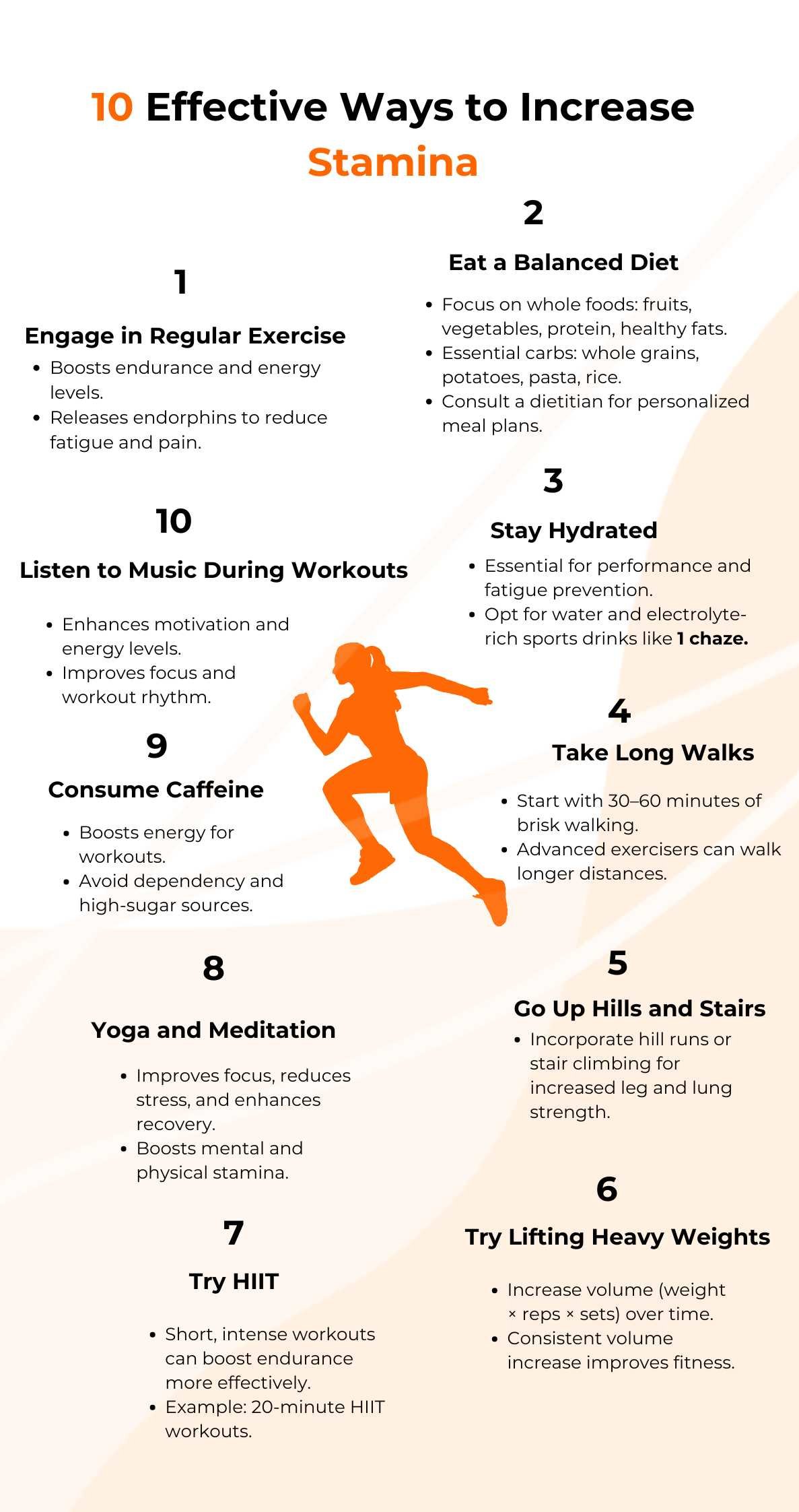
Want to boost your cardio endurance quickly? Incorporate regular aerobic exercises like running, cycling, or swimming into your routine, progressively increase intensity, and stay consistent. Remember to include variety and proper rest to see steady improvement.
To increase your cardio endurance, focus on consistent aerobic activity, gradually intensifying your workouts over time. Cross-training and maintaining a balanced diet can also help enhance stamina. Staying motivated and listening to your body are key strategies for long-term success.
Building up your cardio endurance might seem daunting at first, but it’s entirely achievable with the right approach. When you prioritize regular, gradual workouts like jogging, cycling, or brisk walking, your heart and lungs strengthen naturally. Consistency is crucial—pushing just a little beyond your comfort zone, then resting enough to recover, makes a big difference. Mixing up your activities keeps things interesting and works different muscle groups. Don’t forget to fuel your body with nutritious foods and stay hydrated, as they support your stamina. Whether you’re training for a race or just want to feel more energetic throughout the day, boosting your cardiovascular health is a rewarding journey that improves your overall quality of life.

How to Increase Cardio Endurance
Building your cardio endurance is a great way to improve your overall health and stamina. It allows you to perform daily activities with less fatigue and helps prevent many health issues. To increase your cardio endurance effectively, you need to understand the key strategies and practices involved in consistent training.
Understanding Cardio Endurance
Cardio endurance is the ability of your heart, lungs, and muscles to work together efficiently during physical activity. It depends on how well these organs deliver oxygen to your muscles and how your muscles use that oxygen.
Improving this endurance means your body becomes better at producing energy through aerobic activities, allowing you to exercise longer without getting tired.
The Benefits of Improving Your Cardio Endurance
- Increased stamina: You can perform activities for longer periods without fatigue.
- Better heart health: Stronger heart muscles reduce the risk of cardiovascular disease.
- Enhanced lung capacity: Greater lung efficiency helps you breathe more easily during exercise.
- Weight management: Regular cardio can aid in burning calories and losing excess weight.
- Reduced stress and improved mood: Aerobic exercises release endorphins that boost your mood.
Initial Steps to Boost Cardio Endurance
If you’re starting out, it’s important to set realistic goals and gradually increase your activity levels. Overexerting yourself too soon can lead to injury or burnout.
Start with low to moderate intensity activities such as walking, cycling, or swimming, for at least 20 to 30 minutes, three to four times a week.
Incorporating Interval Training
What is Interval Training?
Interval training involves alternating between periods of high-intensity activity and lower-intensity recovery. This method boosts endurance faster than steady-state exercise alone.
How to Add Intervals to Your Routine
- Warm up for five minutes with light activity.
- Perform 30 seconds of sprinting or fast cycling, followed by 1 minute of slow activity.
- Repeat these intervals 8 to 10 times.
- Cooldown with five minutes of slow activity.
As you progress, increase the duration of high-intensity efforts and decrease recovery times to challenge your body further.
Progressive Overload: The Key to Growth
Progressive overload means gradually increasing the intensity, duration, or frequency of your workouts. This approach helps your body adapt and keeps your training effective.
For example, add five minutes to your workout each week or increase the incline on your treadmill.
Cross-Training for Balanced Endurance
Mixing different aerobic activities prevents boredom and reduces the risk of overuse injuries. Try cycling, swimming, running, or rowing to work different muscle groups.
This variety keeps your workouts interesting and challenges your body in new ways, promoting overall endurance gains.
Proper Nutrition to Support Endurance Training
Carbohydrates for Fuel
Carbohydrates are your body’s primary energy source during cardio exercise. Include whole grains, fruits, and vegetables in your diet.
Protein for Recovery
Protein helps repair muscles after workouts. Incorporate lean meats, dairy, beans, and nuts into your meals.
Hydration is Crucial
Drink plenty of water before, during, and after exercise to prevent dehydration and maintain performance.
Importance of Rest and Recovery
Rest days allow your muscles and cardiovascular system to recover and adapt. Overtraining can lead to fatigue, injuries, or setbacks in progress.
Include at least one or two rest days each week and listen to your body’s signals for adequate recovery.
Monitoring Your Progress
Track your workouts, noting durations, intensity levels, and how you feel afterward. This data helps you identify improvements and adjust your training plan.
You can use fitness apps, journals, or wearables to keep detailed records and stay motivated.
Setting Realistic Goals and Staying Motivated
Set clear, attainable goals like running a 5K or cycling for 30 minutes without stopping. Celebrate small achievements to stay motivated.
Joining exercise groups or finding a workout buddy can add accountability and make exercising more enjoyable.
The Role of Consistency in Building Endurance
Consistency is key when improving cardio endurance. Regular workouts create habits that build stamina over time.
Stick to your schedule and gradually increase your challenges for steady progress and long-term success.
Additional Tips for Enhancing Cardio Endurance
- Warm up and cool down properly: Prevent injuries and promote recovery.
- Vary your workouts: Keeps things interesting and challenges different muscles.
- Focus on breathing techniques: Deep, rhythmic breathing maximizes oxygen intake and performance.
- Stay motivated: Listen to music, set challenges, or visualize your success.
Related Topics to Explore
- Best cardio exercises for beginners
- Tips for running longer distances
- How to avoid injury during cardio workouts
- Benefits of cross-training in endurance building
Increasing your cardio endurance takes commitment and patience, but the benefits are well worth the effort. By gradually progressing, staying consistent, and maintaining a healthy lifestyle, you will notice improvements in your stamina and overall health in no time. Keep pushing yourself, listen to your body, and enjoy the journey to better fitness.
How To Improve YOUR Cardiovascular Endurance
Frequently Asked Questions
What exercises can help improve my cardiovascular stamina effectively?
Engaging in aerobic activities such as brisk walking, running, cycling, swimming, or rowing regularly can significantly boost your cardiovascular stamina. Incorporate these exercises into your routine at least three to five times a week, gradually increasing the duration and intensity to enhance endurance. Consistency is key to building stronger heart and lung capacity over time.
How does interval training contribute to increasing cardio endurance?
Interval training involves alternating between periods of high-intensity effort and lower-intensity recovery. This approach challenges your cardiovascular system, pushing it to adapt and become more efficient. By incorporating interval sessions into your workouts, you can improve your ability to sustain higher intensities for longer periods and boost overall endurance faster than steady-state exercise alone.
What role does proper nutrition play in enhancing my cardio endurance?
Consuming a balanced diet rich in complex carbohydrates, lean proteins, healthy fats, and staying well-hydrated supports your cardiovascular training. Proper nutrition provides the energy necessary for sustained effort and aids in recovery. Incorporate foods like whole grains, fruits, vegetables, nuts, and lean meats to optimize your body’s ability to perform and improve endurance over time.
How can I effectively monitor my progress while working to increase endurance?
Track your workouts by noting duration, intensity, and how you feel during exercise. Using tools like heart rate monitors or fitness apps can help ensure you’re training within your target zones. Regular assessments, such as timed mile runs or measuring recovery heart rate, allow you to see improvements and adjust your training plan to continue making steady progress.
What recovery strategies should I adopt to support ongoing endurance development?
Prioritize adequate rest and sleep to allow your body to recover and adapt to increasing training loads. Incorporate low-intensity activities like stretching or yoga on rest days to promote flexibility and circulation. Proper recovery helps prevent injuries, reduces fatigue, and ensures you remain motivated to continue progressing your cardiovascular endurance.
Final Thoughts
To increase cardio endurance, incorporate consistent aerobic exercises like running, cycling, or swimming into your routine. Gradually increase the intensity and duration to build stamina without risking injury. Including interval training can also boost your cardiovascular capacity efficiently. Focus on maintaining a balanced diet and proper hydration to support your fitness goals. Ultimately, persistent effort and gradual progression are key to improving your cardio endurance effectively.
As an Amazon Associate, We earn from qualifying purchases. When you purchase a product through Amazon links on pulsefitguide.com, we may earn a small commission at no extra cost to you. This helps support the site and keep our content free.