

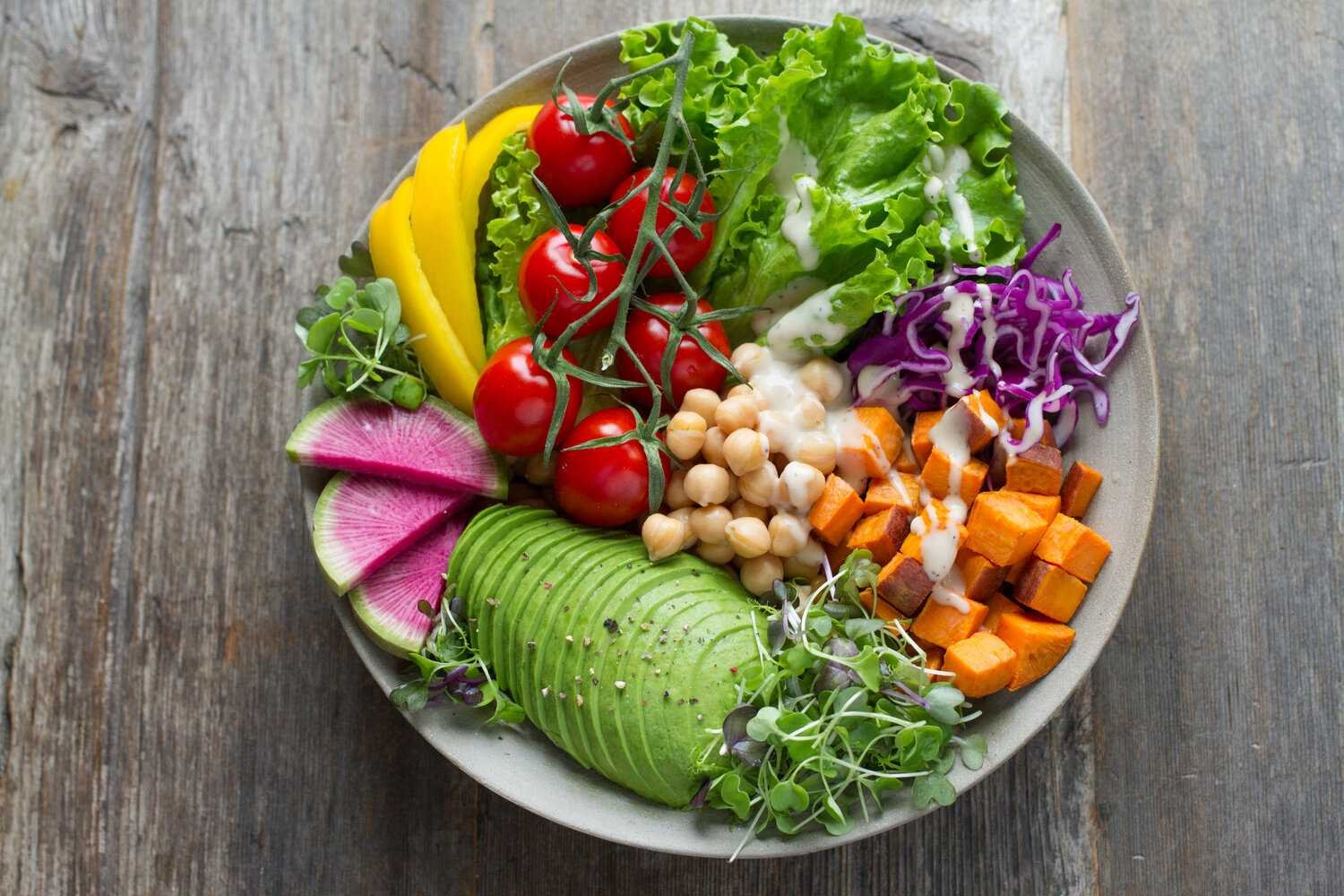
Adding vegetables to every meal can seem challenging, but with a little planning, it becomes second nature. The key is to be creative and strategic—incorporating vegetables into dishes you already enjoy, experimenting with different cooking methods, and having a variety of colorful produce on hand. This way, you naturally include more greens, reds, and yellows in your diet without feeling overwhelmed or restricted. By doing so, you’ll boost your nutrient intake, improve digestion, and enjoy a more vibrant, flavorful plate every day.
In essence, the easiest way to include vegetables in every meal is to make them a staple ingredient—whether as a side, mixed into your main dish, or even blended into smoothies. Planning ahead and trying new recipes will help you develop a habit of eating more vegetables effortlessly. Small changes can lead to big health benefits over time, making your meals both delicious and nutritious.

How to include vegetables in every meal
Start with Breakfast: Easy Ways to Add Vegetables
Including vegetables in your morning meal sets a healthy tone for the day. Scrambled eggs with spinach or kale are quick to prepare and rich in nutrients. You can also add chopped tomatoes or bell peppers to omelets for extra flavor. Smoothies are another great option—blend in carrots, cucumbers, or even beetroot for natural sweetness and vibrant color. Using leftover roasted vegetables from dinner can also be mixed into breakfast dishes for variety.
Incorporate Vegetables into Lunch Options
Lunch offers many opportunities to include vegetables in your diet. Salads are a simple choice—add a variety of greens, shredded carrots, cucumbers, and cherry tomatoes. Wraps filled with grilled chicken and plenty of crunchy vegetables like lettuce, bell peppers, and avocados make a satisfying meal. Soups are also a nutritious way to consume vegetables—try blending carrots, zucchini, and celery into a tasty broth. For added flavor and texture, consider topping sandwiches with lettuce, sprouts, or thinly sliced vegetables.
Vegetables for Dinner: Make It a Main Part of Your Meal
Dinner is the perfect time to incorporate vegetables as a centerpiece. Roast or steam a mix of seasonal vegetables such as broccoli, cauliflower, and carrots as a side dish. Stir-fry vegetables like snap peas, mushrooms, and bok choy with your choice of protein for a quick and hearty meal. Incorporate vegetables into pasta dishes by adding spinach, zucchini, or peas. Making vegetable-based casseroles or gratins can also boost your vegetable intake dramatically.
Snacks That Count: Healthy Vegetable Snacks
Snacking can be an easy way to increase your daily vegetable intake. Cut raw vegetables—such as celery sticks, cherry tomatoes, or cucumber slices—and pair them with hummus or yogurt dips. Baked vegetable chips made from slices of sweet potatoes, zucchini, or beets are a crunchy alternative to traditional chips. Stuffed mini peppers or cherry tomatoes filled with cheese or hummus make tasty, portable snacks. Keeping a variety of these options on hand encourages healthy snacking habits.
Meal Prep Tips to Incorporate More Vegetables
Prepping vegetables in advance saves time during busy days. Wash and chop vegetables ahead of time and store them in airtight containers. Prepare vegetable-based sauces, pestos, or dressings to add flavor to meals easily. Batch cook roasted vegetables or vegetable soups for the week and reheat them as needed. Incorporating pre-cut vegetables into your meals reduces the effort needed to include them, making it easier to eat more vegetables every day.
Creative Ways to Sneak Vegetables into Your Recipes
Adding vegetables secretly into dishes is a smart strategy, especially if some family members are picky eaters. Puree vegetables like carrots, zucchini, or spinach and add them to sauces, meatloaf, or meatballs. Finely chopped vegetables can be mixed into pasta sauces, casseroles, or muffins without changing the taste significantly. Using vegetable-based pastas, such as zucchini noodles or spaghetti squash, can also increase vegetable intake while providing a satisfying substitute for pasta.
Vegetable-Based Dips and Sauces
Dips and sauces are excellent mediums to include vegetables. Blend roasted red peppers or tomatoes into hummus or salsa. Use guacamole infused with chopped vegetables like corn and diced tomatoes. These flavorful additions make vegetables more appealing and are versatile for many meals.
Incorporate Vegetables in Cooking Techniques
The way vegetables are cooked affects their flavor and texture. Roasting vegetables caramelizes their natural sugars, making them tastier. Steaming preserves most nutrients and keeps vegetables tender. Grilling adds smoky flavor, especially for zucchini, eggplant, and peppers. Stir-frying quickly preserves crunchiness, making vegetables a delightful addition to various dishes.
Utilize Seasonality and Local Produce
Seasonal vegetables tend to be fresher, tastier, and more affordable. Visit local farmers’ markets for the best options and incorporate seasonal produce into your meals. This approach keeps your meals diverse and exciting while supporting local agriculture. Experiment with different vegetables as their availability varies throughout the year.
Tips for Picky Eaters and Vegetables
Involving children or picky eaters requires creative strategies. Present vegetables in fun shapes or colorful arrangements. Incorporate vegetables into favorite dishes, such as adding finely chopped carrots into spaghetti sauce. Use dips or cheese to make vegetables more appealing. Gradually increase vegetable portions to help everyone adapt to new flavors and textures.
Adding Vegetables to Beverages
Vegetables can boost your hydration and nutrition when added to beverages. Vegetable juices, smoothies, or even infused water with cucumber or celery slices add flavor and nutrients. Experiment with unique combinations to find tasty options that work for your taste buds.
Summary of Key Strategies
- Start your day with vegetable-packed breakfast options
- Use salads, wraps, and soups as versatile lunch ideas
- Make vegetables the star of your dinner plate
- Snack on raw or baked vegetables for convenience
- Prepare vegetables in advance to save time
- Sneak vegetables into meals with purees and blends
- Utilize seasonal and local produce for freshness and variety
- Get creative to involve children and picky eaters
- Enhance drinks with vegetables for extra nutrients
Including vegetables in every meal is an achievable goal with a little planning and creativity. By blending different cooking styles, flavors, and presentation ideas, you can enjoy a varied, nutritious diet effortlessly. Making vegetables a natural part of your routine benefits your health and keeps meals interesting and satisfying.
How to Add Vegetables to Every Meal – Yes, Even Breakfast!
Frequently Asked Questions
What are some creative ways to add vegetables to snacks and small meals?
You can incorporate vegetables into snacks by adding chopped peppers or spinach to hummus, making veggie-based dips, or blending vegetables into smoothies. Using colorful vegetables like cherry tomatoes, cucumber slices, or carrot sticks alongside your cheese or lean proteins makes for appealing snack options. Baking zucchini or sweet potato fries also offers a tasty way to include vegetables in between meals.
How can I include vegetables in my breakfast routine?
Add vegetables to your morning eggs by including spinach, diced tomatoes, or bell peppers in scrambled eggs or omelets. You can also blend vegetables like kale or zucchini into breakfast smoothies for added nutrients. Consider topping whole-grain toast with avocado and sliced cucumbers or serving a side of sautéed vegetables with breakfast sausage or bacon for a savory start to your day.
What are practical tips to incorporate vegetables into dinner dishes?
Mix vegetables into your main dishes by adding them to pasta sauces, stews, or stir-fries. Incorporate a variety of vegetables into casseroles or bake them into gratins. Using grated carrots, zucchini, or mushrooms in meatloaf or burger recipes also increases vegetable intake. Serving a colorful salad alongside your entrée encourages more vegetable consumption during dinner.
How can I make vegetables more appealing to children in every meal?
Prepare vegetables in fun shapes or with colorful presentation to attract children’s attention. Incorporate vegetables into familiar dishes, such as adding finely chopped vegetables into meatballs or pasta sauces. Offering dips like yogurt or hummus alongside raw vegetables makes snacking more enjoyable. Encouraging children to help with meal preparation can also boost their interest in eating vegetables.
What strategies can help me plan meals with vegetables for the entire week?
Start by creating a weekly menu that features vegetables in each meal, including breakfast, lunch, and dinner. Batch cook vegetable-based dishes like soups, stews, or roasted vegetable trays to save time. Keep a variety of frozen and fresh vegetables stocked to make it easier to add them to any dish. Rotating different vegetables throughout the week introduces variety and ensures consistent inclusion of nutrients.
Final Thoughts
Incorporating vegetables into every meal can be simple and enjoyable. Start by adding greens to breakfast omelets or smoothies to boost nutrition. Incorporate colorful salads or roasted vegetables as side dishes for lunch and dinner.
Plan meals ahead to ensure vegetables are always included. Use herbs and spices to enhance flavor and make dishes more appealing.
How to include vegetables in every meal becomes easier when you make vegetables a natural part of your daily routine. This habit supports a healthier lifestyle while making mealtime more vibrant and satisfying.
As an Amazon Associate, We earn from qualifying purchases. When you purchase a product through Amazon links on pulsefitguide.com, we may earn a small commission at no extra cost to you. This helps support the site and keep our content free.