

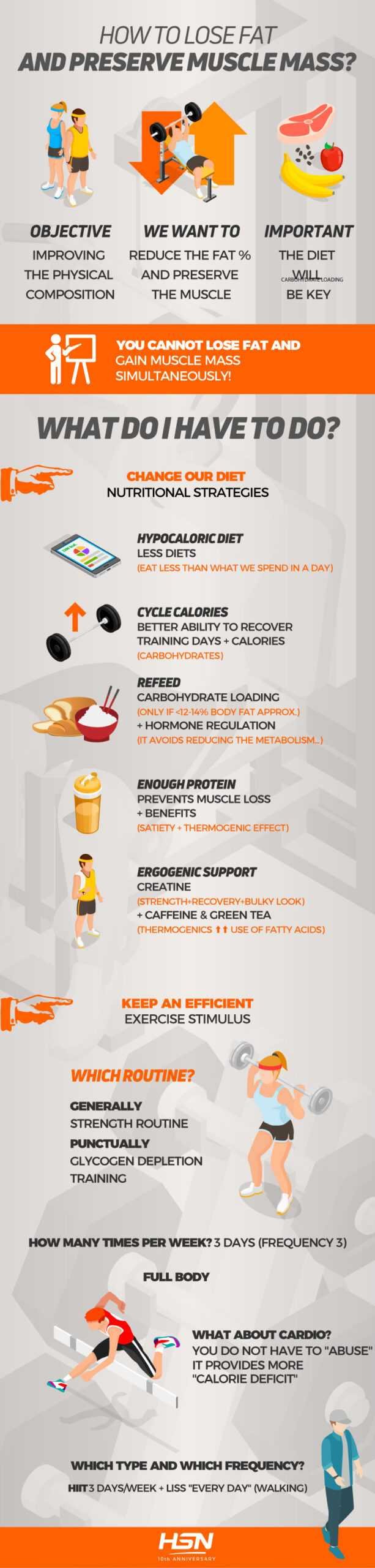
Incorporate strength training into your routine by targeting major muscle groups with resistance exercises at least twice a week. Focus on progressively increasing weight or repetitions to challenge your muscles and prevent atrophy. Ensuring proper form and recovery will help maintain and even build muscle mass over time.
To preserve muscle mass through strength training, include resistance exercises like weightlifting or bodyweight moves a couple of times weekly. Gradually increase difficulty to promote muscle growth and avoid plateaus. Proper recovery and balanced nutrition are also essential to support muscle maintenance.
Starting a strength training routine is one of the most effective ways to keep your muscles strong, especially as you age or recover from inactivity. The key is consistency—adding resistance exercises such as lifting weights, using resistance bands, or bodyweight movements like squats and push-ups to your schedule. Aim for at least two sessions per week, focusing on different muscle groups to ensure all-around muscle preservation. Remember to challenge your muscles progressively by increasing resistance, but always prioritize proper technique to prevent injury. Combining this with adequate rest, hydration, and a nutrient-rich diet will maximize your efforts and help you maintain a healthy, strong physique.

How to Include Strength Training to Preserve Muscle Mass
Understanding the Importance of Strength Training
Strength training is vital for maintaining muscle mass, especially as we age. It helps prevent muscle loss, enhances overall strength, and supports better daily movement. Incorporating regular strength exercises keeps your muscles healthy and functional.
Key Benefits of Strength Training for Muscle Preservation
- Prevents muscle atrophy: Regular strength workouts stop muscles from shrinking over time.
- Boosts metabolism: Muscle tissue burns more calories, aiding weight management.
- Improves bone density: Weight-bearing exercises strengthen bones, reducing osteoporosis risk.
- Enhances balance and coordination: Strong muscles support better stability and fall prevention.
Focusing on these benefits encourages consistency and motivation in your strength training routine.
Types of Strength Training Exercises
Understanding different exercises helps create a balanced workout plan. Here are some popular options:
Bodyweight Exercises
These exercises use your own body weight for resistance:
- Push-ups
- Squats
- Lunges
- Planks
They are convenient and can be done anywhere without equipment.
Free Weights
Using dumbbells, kettlebells, or barbells allows for versatile movements:
- Bicep curls
- Deadlifts
- Overhead presses
- Bench presses
Free weights help target specific muscles effectively.
Resistance Machines
Machines provide guided motion, ideal for beginners or those with joint concerns:
- Leg press
- Chest press
- Lat pulldown
- Seated row
They support controlled movements and safety.
Structuring Your Strength Training Program
A well-planned routine maximizes muscle preservation. Follow these principles:
Frequency and Duration
Aim for strength training sessions at least two to three times per week. Each session should last 30 to 60 minutes, focusing on different muscle groups.
Repetition and Sets
Perform 8 to 12 repetitions for each exercise, completing two to four sets. This range promotes muscle endurance and growth without overtraining.
Rest and Recovery
Allow 48 hours between working the same muscle groups. Adequate rest helps muscles repair and grow stronger.
Progressive Overload for Continued Muscle Development
Progressive overload means gradually increasing the challenge to your muscles. You can do this by:
- Adding more weight
- Increasing repetitions
- Reducing rest time
- Introducing new exercises
This ensures muscles keep adapting and growing stronger over time.
Incorporating Compound and Isolation Exercises
Creating a balanced workout involves both:
- Compound exercises: Target multiple muscle groups at once, like squats, deadlifts, and bench presses.
- Isolation exercises: Focus on one muscle group, such as bicep curls or leg extensions.
This combination improves overall muscle mass and strength.
Importance of Proper Technique and Form
Using the correct form reduces injury risk and maximizes effectiveness. Take time to learn proper techniques, possibly through coaching or instructional videos. Always start with lighter weights to master movements before progressing.
Balancing Strength Training with Other Forms of Exercise
Integrate cardiovascular activities like walking or cycling for overall health. Flexibility exercises, such as stretching or yoga, improve mobility and complement strength work. A balanced fitness routine supports muscle preservation and general well-being.
Nutrition’s Role in Supporting Strength Training
Nutrition plays a crucial role in muscle maintenance. Consume adequate protein from sources like lean meats, beans, dairy, and nuts. Hydrate well and include a variety of fruits and vegetables to support recovery and performance.
Sample Weekly Strength Training Routine
Here is an example to get started:
| Day | Workout Focus | Exercises |
|---|---|---|
| Monday | Upper body | Push-ups, dumbbell rows, shoulder presses, bicep curls |
| Wednesday | Lower body | Squats, lunges, deadlifts, calf raises |
| Friday | Core and full-body | Planks, mountain climbers, kettlebell swings |
Adjust the routine based on your fitness level and goals.
Monitoring Progress and Staying Motivated
Track your workouts to see improvement over time. Celebrate small victories like increased weights or repetitions. Find a workout buddy or join group classes for accountability and fun.
Addressing Common Challenges in Strength Training
Many face obstacles like time constraints or injury fears. Break sessions into shorter, manageable parts if needed. Always listen to your body and consult a professional if you experience pain or discomfort.
Final Tips for Successful Muscle Preservation through Strength Training
Consistency is key; make strength training a routine habit. Focus on gradual progress and proper form to avoid setbacks. Remember, small steps lead to lasting results in maintaining muscle health.
How To Prevent Muscle Loss When Dieting (Science Explained)
Frequently Asked Questions
What are effective ways to incorporate strength training into a weekly routine?
To effectively include strength training, schedule sessions at least two to three times a week. Focus on compound movements like squats, deadlifts, and presses that work multiple muscle groups. Gradually increase the weight or resistance to challenge your muscles, and ensure proper rest days between sessions to allow recovery. Incorporating variety and maintaining consistency help maximize muscle preservation.
How can I modify my strength training exercises as I age to maintain muscle mass?
As you age, adapt your exercises by using lighter weights with higher repetitions or incorporating resistance bands to reduce joint strain. Prioritize proper form and controlled movements to prevent injury. Adding functional exercises that mimic daily activities can also help maintain muscle strength relevant to everyday tasks. Consistency and focusing on recovery become increasingly important over time.
What dietary considerations should I follow to support strength training aimed at preserving muscle mass?
Support your strength training with a balanced diet rich in high-quality protein sources, such as lean meats, dairy, beans, and nuts, which provide essential amino acids for muscle repair. Ensure adequate caloric intake to meet energy demands and incorporate sufficient hydration. Consider timing your protein intake around workouts to optimize muscle recovery and growth.
Final Thoughts
How to include strength training to preserve muscle mass involves integrating regular exercises like weightlifting or resistance training into your routine. Focus on targeting major muscle groups at least twice a week to maintain strength and muscle size. Start with manageable weights and gradually increase intensity to avoid injury. Consistency and proper technique are key to preserving muscle mass effectively.
As an Amazon Associate, We earn from qualifying purchases. When you purchase a product through Amazon links on pulsefitguide.com, we may earn a small commission at no extra cost to you. This helps support the site and keep our content free.