

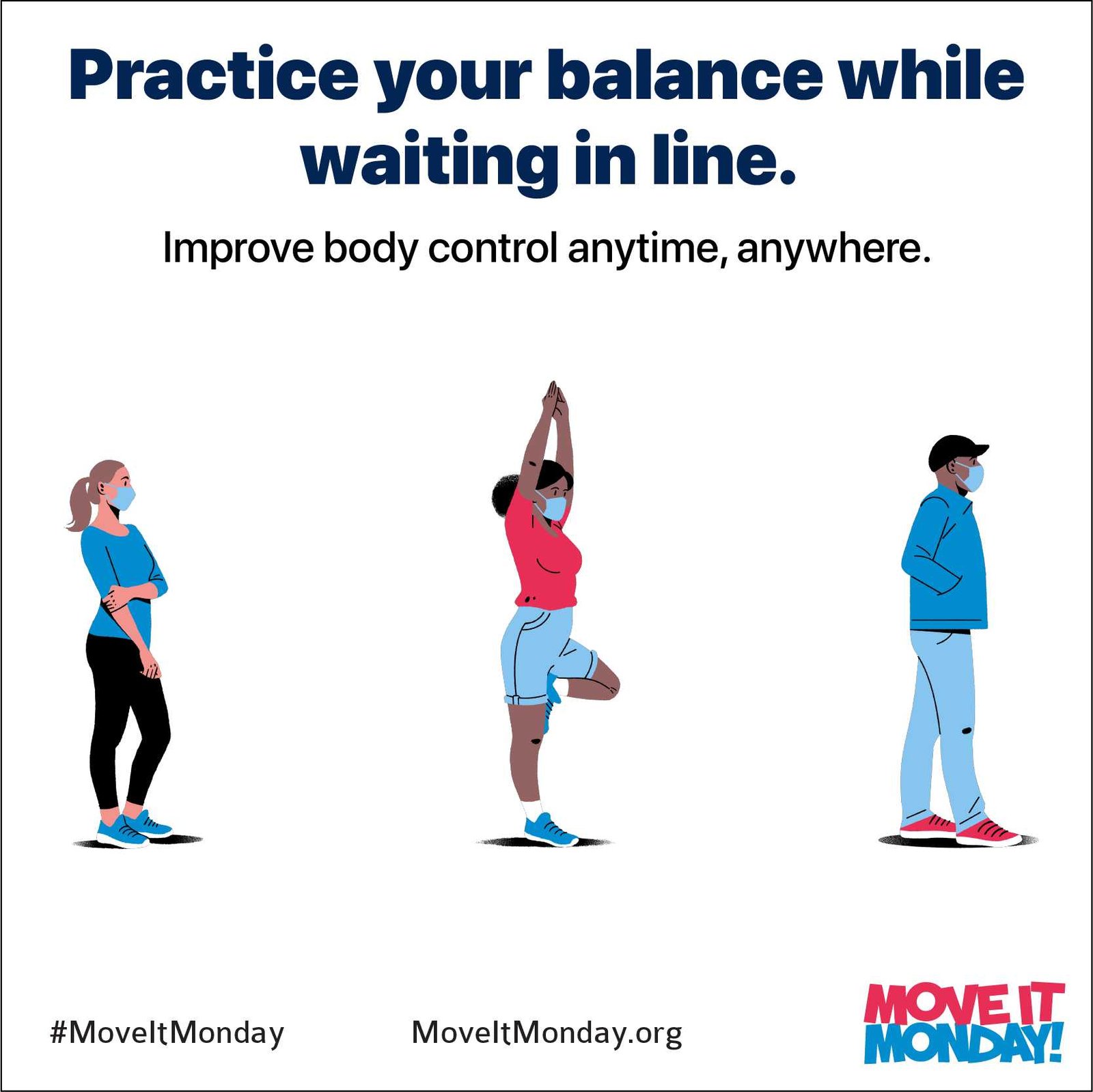
To boost your body balance quickly, incorporate simple exercises like standing on one leg, practicing yoga poses, and strengthening your core muscles regularly. Staying mindful of your posture and engaging in balance-focused activities can make a noticeable difference in just a few weeks. Remember, consistency is key to achieving better stability and confidence in everyday movements.
Improving your body balance is easier than you think. By adding targeted exercises and mindful practices into your routine, you can enhance stability, prevent falls, and feel more confident in your daily activities. Developing better balance not only boosts your physical health but also sharpens your mind and coordination over time.
Maintaining good body balance is essential for overall fitness and well-being, especially as we age. It helps you perform daily tasks with ease and reduces the risk of injuries. Whether you’re an athlete aiming to refine your skills or simply want to stay steady on your feet, improving your balance can be achieved through simple, effective strategies. In this article, we’ll explore practical tips and exercises that will help you stand tall and steady in every aspect of your life.

How to Improve Your Body Balance
Improving your body balance is essential for staying safe and moving confidently. Good balance helps prevent falls and injuries, especially as you age. Whether you want to stay active, recover from an injury, or simply feel more steady in everyday life, there are simple steps to boost your balance.
Understanding Body Balance and Its Importance
Body balance involves coordinating your muscles, senses, and brain to keep you upright. It relies on three main systems: the visual system, the vestibular system in your ears, and proprioception—the sense of your body’s position. Good balance reduces the risk of falls and improves your overall fitness.
Having a balanced body also supports better posture, enhances athletic performance, and increases confidence during daily activities. Regular practice targeted at balance can strengthen muscles and improve coordination over time.
Key Factors That Affect Your Balance
Several factors influence how well you can stay balanced. Age is a common factor, with balance naturally decreasing as people get older.
Other factors include muscle strength, flexibility, vision clarity, and inner ear health. Medications, poor nutrition, and medical conditions like arthritis or neuropathy can also impact your ability to balance well.
Understanding these factors helps identify areas to focus on when working to improve your body balance.
Effective Exercises to Improve Your Balance
1. Simple Balance Activities
Start with easy exercises such as standing on one foot for 10-15 seconds. Progress slowly by increasing the duration and trying different surfaces.
Try walking heel to toe in a straight line, placing one foot directly in front of the other. This helps improve stability and coordination.
2. Strengthening Core Muscles
Core muscles in your abdomen, back, and hips are key for maintaining balance. Engage in exercises like planks, bridges, and seated leg lifts.
Perform these exercises gently and consistently to build a strong foundation for better stability.
3. Yoga and Pilates
These practices emphasize control, flexibility, and body awareness. Poses like Tree Pose or Warrior Pose challenge balance while also stretching important muscles.
Practicing yoga regularly can improve proprioception and reduce the risk of falls.
4. Dynamic Balance Drills
Integrate activities like gentle bouncing, side-stepping, or balancing on a balance board. These drills simulate real-life movements and help improve reactive balance.
Always perform these exercises in a safe environment to prevent falls.
Incorporating Balance Training Into Daily Life
You can add simple balance exercises into your daily routine. For example, try standing on one leg while brushing your teeth or waiting in line.
Making balance exercises part of your daily habits strengthens improvement over time and boosts confidence.
Listen to your body and avoid overexertion, especially if you are new to exercise or have health concerns.
Additional Tips for Enhancing Balance
- Maintain good posture—Stand and sit with your back straight to support proper body alignment.
- Wear appropriate footwear—Choose shoes with good grip and support to prevent slips and falls.
- Stay active—Engage in regular activities like walking, swimming, or cycling to keep muscles strong and joints flexible.
- Monitor your vision—Regular eye exams ensure clear sight, which is essential for maintaining balance.
- Improve your environment—Keep walkways clear and use handrails when climbing stairs for added safety.
Nutrition and Its Role in Balance
A healthy diet supports muscle strength and bone density, which are critical for good balance. Foods rich in calcium, vitamin D, and protein can help maintain strong bones and muscles.
Stay hydrated because dehydration can cause dizziness, impairing your balance. Eating a balanced diet ensures your body has the nutrients needed to perform well physically.
Tracking Progress and Staying Motivated
Keeping a journal of your exercises and improvements can motivate you to stay consistent. Take note of how long you can stand on one foot or how stable you feel during activities.
Set realistic goals, such as balancing for 30 seconds or completing a set of exercises daily. Celebrate small victories to encourage continuous effort.
Additional Resources and Support
If you have balance issues due to medical conditions or injuries, seek guidance from a physical therapist or healthcare professional. They can create tailored programs to meet your specific needs.
Joining a local exercise class or a group focused on balance can provide social support and increase your motivation.
Improving your body balance requires patience and regular practice. By incorporating targeted exercises, strengthening muscles, and making smart lifestyle choices, you can enjoy better stability and a more confident, active life. Remember, every small step counts towards achieving greater balance and preventing falls.
How To Improve Your Balance – Home Exercises For Balance And Stability
Frequently Asked Questions
What exercises can help improve your proprioception for better balance?
Engaging in exercises like single-leg stands, balance beam activities, and stability ball workouts enhances your body’s awareness of its position. Incorporate these into your routine regularly to strengthen proprioception, which is vital for maintaining proper balance during various movements.
How does core strength influence overall body stability?
A strong core provides a solid foundation for your entire body, helping to stabilize your spine and pelvis. Focus on exercises such as planks, bridges, and abdominal workouts to build core muscles. Improved core strength directly supports better balance when performing daily tasks or sports activities.
What role does flexibility play in maintaining good balance?
Flexibility allows your muscles and joints to move freely, reducing the risk of overcompensation and imbalance. Incorporate stretching routines and yoga poses to increase flexibility, which helps your body adapt more efficiently to uneven surfaces and sudden movements, ultimately enhancing stability.
How can practicing mindfulness contribute to better body control?
Practicing mindfulness through techniques like focused breathing and body awareness exercises helps you develop a conscious connection to your movements. This heightened awareness improves coordination and reduces hesitation or instability during physical activities, leading to improved overall balance.
What are some daily habits that can support maintaining good balance?
Simple habits such as standing on one leg while brushing your teeth, walking heel-to-toe, or regularly changing your position can help maintain and improve balance. Incorporate these small practices into your daily routine to build stability over time and prevent falls or injuries.
Final Thoughts
Improving your body balance requires consistent practice and mindful effort. Focus on exercises like yoga or tai chi to strengthen stabilizing muscles and enhance coordination. Incorporate simple balance drills into your daily routine, such as standing on one leg or walking heel-to-toe. By regularly practicing these techniques, you can effectively improve your body balance and boost overall stability.
As an Amazon Associate, We earn from qualifying purchases. When you purchase a product through Amazon links on pulsefitguide.com, we may earn a small commission at no extra cost to you. This helps support the site and keep our content free.