

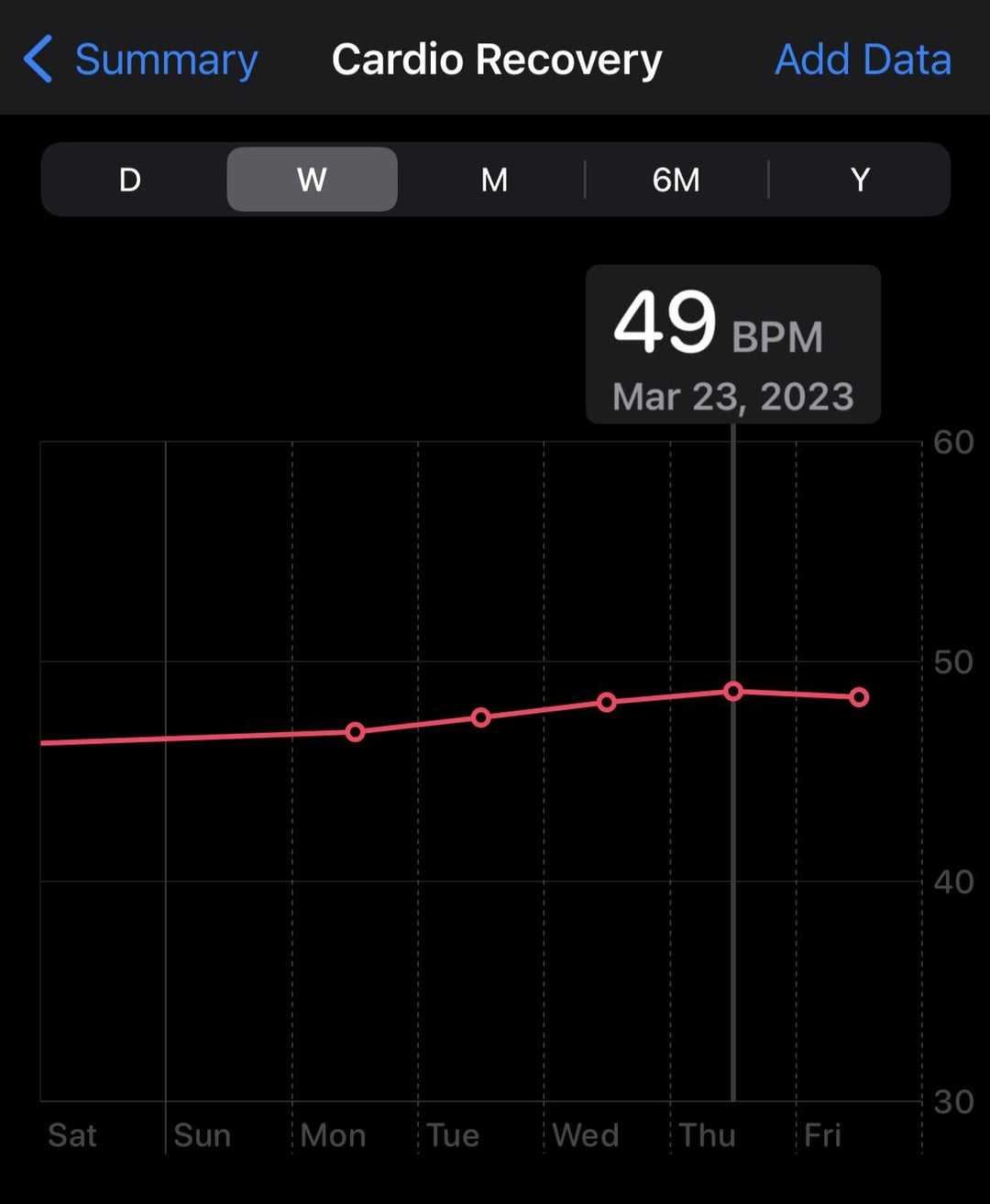
To boost your cardio recovery, focus on incorporating active rest, proper hydration, and balanced nutrition into your routine. These simple tweaks can significantly speed up your recovery process, reduce fatigue, and improve overall performance. Staying consistent with gentle workouts after intense sessions and prioritizing sleep are also key components.
Improving cardio recovery is all about giving your body the right tools to repair and strengthen itself after each workout. By paying attention to your activity levels, nutrition, and rest, you can enhance your endurance, minimize muscle soreness, and get back to training faster. It’s about creating a balance between pushing your limits and allowing your body the time it needs to bounce back stronger.
Getting your heart back to its optimal state after exercise doesn’t have to be complicated. It begins with understanding how your body recovers and adopting habits that support this process. Whether you’re a seasoned athlete or a casual exerciser, enhancing your cardio recovery can help you stay motivated, avoid injuries, and reach your fitness goals more efficiently.

How to Improve Cardio Recovery
Getting back to normal after intense cardio exercises is essential for overall fitness and health. Improving cardio recovery helps reduce muscle soreness, boosts endurance, and prevents injury. By following a few simple strategies, you can make your recovery quicker and more effective.
Understanding Cardio Recovery
Cardio recovery is the process your body goes through after aerobic activity. It involves reducing heart rate, replenishing energy stores, and repairing muscle tissues. Good recovery means your body is ready for the next workout without feeling overly tired or sore.
Factors such as workout intensity, duration, and your fitness level influence recovery time. The better you understand these factors, the easier it is to tailor your recovery routines.
Importance of Active Recovery
Active recovery involves low-intensity movement after strenuous activity. It helps keep blood flowing and removes metabolic waste products like lactic acid. Doing activities such as walking, gentle cycling, or stretching can speed up recovery.
Unlike complete rest, active recovery maintains your mobility and prevents stiffness. It also triggers the release of endorphins, which can improve mood and reduce soreness.
Optimal Nutrition for Faster Recovery
Hydration is Key
Drinking plenty of water replenishes lost fluids and helps prevent dehydration, which can impair recovery. Electrolytes like sodium, potassium, and magnesium are vital for muscle function and should be replenished through drinks or foods.
Fuel Your Recovery with the Right Foods
- Carbohydrates restore glycogen stores; opt for fruits, whole grains, and vegetables.
- Protein repairs broken muscle fibers; include lean meats, dairy, beans, or plant-based options.
- Healthy fats reduce inflammation; incorporate nuts, seeds, and avocados.
Timing Matters
Eating within 30 to 60 minutes after exercise provides the nutrients your body needs to recover efficiently. Combining carbs and protein in a snack or meal is most effective.
Stretching and Flexibility Exercises
Post-exercise stretching helps prevent muscle tightness and soreness. Focus on major muscle groups used during the workout, such as hamstrings, calves, and hips.
Incorporate dynamic stretches during warm-up and static stretches afterwards for optimal flexibility. Yoga or foam rolling can also enhance muscle recovery and improve blood flow.
Importance of Rest and Sleep
Sleep plays a crucial role in recovery by releasing growth hormone and allowing tissues to repair. Aim for 7 to 9 hours of quality sleep each night to support your cardio efforts.
On rest days, avoid intense activity. Instead, focus on light movement and restorative activities to let your body rebuild stronger.
Incorporating Recovery Tools and Techniques
Massage and Foam Rolling
Massage helps reduce muscle tension and improve circulation. Foam rollers target trigger points and release muscle knots, enhancing recovery and flexibility.
Ice Baths and Contrast Therapy
Cold immersion reduces inflammation and numbs soreness. Alternating between hot and cold treatments stimulates blood flow and speeds up healing.
Compression Garments
Wearing compression clothing can improve circulation and decrease swelling, leading to faster recovery times.
Monitoring Your Heart Rate and Intensity
Tracking your heart rate helps ensure you’re not overexerting yourself. Use a heart rate monitor to stay within your target zone for optimal training and recovery.
Adjust your workout intensity based on recovery status to prevent burnout and injury.
Consistent Training and Gradual Progression
Gradually increasing workout intensity allows your body to adapt without excessive strain. Consistency over time improves your cardiovascular capacity and recovery efficiency.
A well-structured plan with rest days prevents overtraining and supports sustained progress.
Additional Tips for Better Cardio Recovery
- Stay Active on Rest Days with light activities like walking or swimming to promote circulation.
- Listen to Your Body and avoid pushing through pain, which can cause injuries.
- Maintain Good Posture during exercises and daily activities to prevent muscle imbalances.
Tracking and Adjusting Your Recovery Routine
Keep a fitness journal to log workouts, recovery strategies, and how you feel afterward. This helps identify what works best for your body.
Modify your recovery plan based on progress, fatigue levels, and any setbacks to ensure continuous improvement.
Related Topics
- Benefits of Cross-Training for balanced fitness and quicker recovery
- Yoga and Mindfulness practices to reduce stress and enhance recovery
- Supplements that support muscle repair, such as BCAAs and creatine
Focusing on these strategies can significantly improve your cardio recovery process. Combining proper nutrition, active recovery, rest, and self-care ensures you stay healthy and ready for your next workout session. Over time, these habits will help you build endurance, reduce injury risk, and enjoy the benefits of consistent exercise.
Frequently Asked Questions
What dietary choices can support faster recovery after cardio workouts?
Eating a balanced diet rich in carbohydrates helps replenish glycogen stores depleted during exercise. Including lean proteins aids in muscle repair, while healthy fats support overall recovery. Staying well-hydrated by drinking water and electrolyte-rich beverages prevents dehydration and muscle cramps. Consuming nutrient-dense foods like fruits, vegetables, nuts, and seeds provides essential vitamins and minerals that facilitate quicker recovery processes.
How does proper hydration impact cardio recovery?
Adequate hydration maintains blood volume, improves circulation, and helps transport nutrients to muscles, accelerating recovery. Drinking water immediately after exercise replaces fluids lost through sweat and prevents dehydration, which can impair muscle function. Incorporating electrolytes helps restore the mineral balance in your body, reducing the risk of cramps and fatigue, and supporting overall recovery efficiency.
What role does active recovery play in enhancing cardio recovery?
Engaging in low-intensity activities such as walking, gentle cycling, or stretching shortly after intense cardio helps increase blood flow to muscles. This process aids in removing metabolic waste products and supplies nutrients needed for repair. Active recovery keeps muscles from stiffening and reduces soreness, leading to faster and more effective recovery than complete rest.
How can sleep quality influence the speed of cardio recovery?
Getting sufficient, restful sleep allows your body to repair tissues, replenish energy stores, and regulate hormonal balance essential for recovery. During deep sleep stages, growth hormone secretion increases, supporting muscle growth and repair. Prioritizing good sleep hygiene ensures your body recovers effectively from cardio exertion and prepares you for future workouts.
What techniques can help reduce muscle soreness after cardio sessions?
Applying gentle massage or foam rolling stimulates blood circulation, which helps eliminate metabolic waste and deliver nutrients to tired muscles. Incorporating stretching routines relaxes muscle tightness and maintains flexibility. Additionally, cold treatments like ice packs or contrast baths can reduce inflammation and soreness, promoting quicker recovery and readiness for the next workout.
Final Thoughts
To improve cardio recovery, focus on maintaining a balanced diet rich in antioxidants and electrolytes. Proper hydration helps your muscles recover faster and reduces fatigue. Incorporate active recovery days with light activities like walking or stretching. Consistent sleep supports overall cardiovascular health and recovery. By following these simple steps, you can enhance your cardio recovery and improve your performance over time.
As an Amazon Associate, We earn from qualifying purchases. When you purchase a product through Amazon links on pulsefitguide.com, we may earn a small commission at no extra cost to you. This helps support the site and keep our content free.