

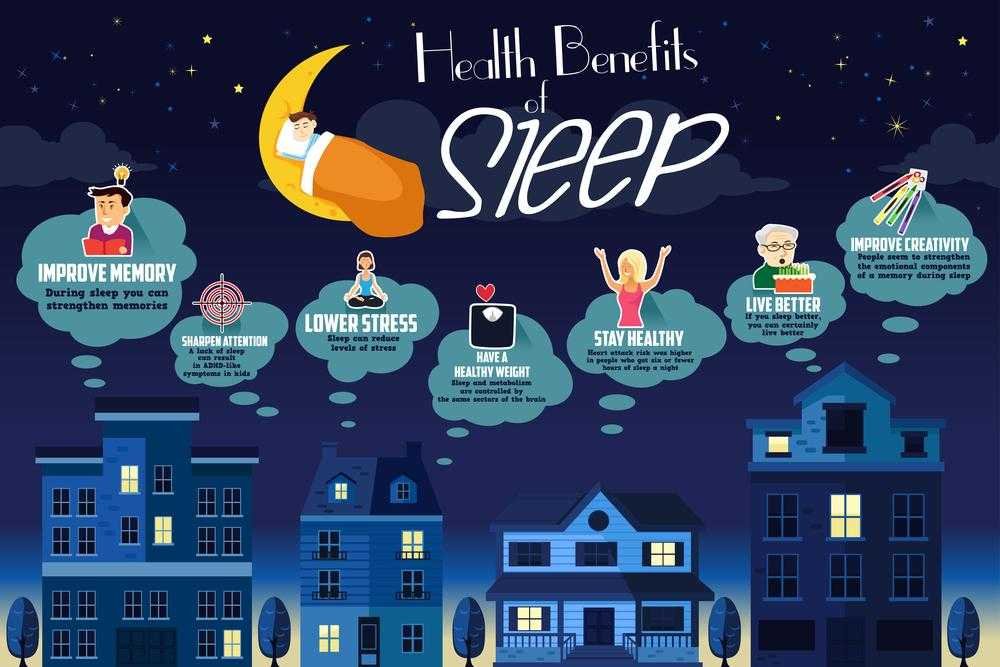
Getting a good night’s sleep isn’t just about feeling rested; it’s a powerful way to boost your metabolism and burn calories more efficiently. Prioritizing quality sleep helps regulate hormones that control hunger and energy use, making it easier to maintain or lose weight. To improve your sleep and enhance your metabolism, focus on establishing a consistent routine, creating a calming bedtime environment, and avoiding stimulants before bed. Small lifestyle adjustments can have a big impact on both your sleep quality and metabolic health.
A good night’s sleep is essential for a healthy metabolism because it helps balance hormones like insulin and ghrelin, which influence how your body processes energy and manages appetite. By improving your sleep habits, you support your body’s natural ability to burn fat and maintain optimal energy levels. In this article, we’ll explore simple yet effective strategies to help you sleep better, so you can boost your metabolism and feel more energetic every day.

How to get better sleep to improve metabolism
Understanding the connection between sleep and metabolism
Getting enough quality sleep is essential for maintaining a healthy metabolism. When you sleep well, your body efficiently processes nutrients and burns calories. Poor sleep can lead to hormonal imbalances that slow down your metabolic rate and increase fat storage.
Research shows that sleep influences hormones like insulin, leptin, and ghrelin. These hormones regulate blood sugar levels and appetite. Disrupted sleep can cause increased hunger and cravings, leading to weight gain and decreased metabolic efficiency.
Maintaining a healthy sleep pattern supports your body’s natural ability to burn calories. It also helps prevent metabolic disorders such as diabetes. Therefore, prioritizing good sleep is a crucial step toward boosting your metabolism.
How sleep quality affects metabolic health
Good quality sleep enhances the body’s ability to repair cells and regulate energy use. When your sleep is deep and consistent, your body produces key hormones beneficial for metabolism.
In contrast, chronic sleep deprivation can lead to increased insulin resistance. This condition makes it harder for your body to process sugar effectively. Over time, insulin resistance raises the risk of developing type 2 diabetes.
Moreover, inadequate sleep disrupts your circadian rhythm—the internal clock that controls sleep-wake cycles. Proper synchronization of this rhythm promotes optimal hormone release and metabolic activity.
To improve metabolic health, focus on sleeping soundly through the night without interruptions. Consistent sleep patterns foster hormone balance, which keeps your metabolism functioning correctly.
Strategies for achieving better sleep
Improving your sleep begins with simple lifestyle changes and routines that promote relaxation. Establishing consistent sleep habits makes it easier for your body to fall asleep and stay asleep.
Go to bed and wake up at the same time each day, even on weekends. This regular schedule helps regulate your circadian rhythm. Create a calming pre-sleep routine, such as reading a book or taking a warm bath.
Limit screen time at least one hour before bed. The blue light emitted by phones, tablets, and computers can interfere with melatonin production—the hormone responsible for sleepiness.
Ensure your bedroom environment is comfortable, dark, and quiet. Use blackout curtains and earplugs if necessary. A cool room, around 65°F (18°C), also promotes better sleep.
Diet and nutrition tips for better sleep and metabolism
What you eat greatly impacts your sleep quality and metabolic health. Consuming a balanced diet rich in whole foods supports restful sleep and efficient metabolism.
Avoid large or heavy meals close to bedtime, as digestion can disrupt your sleep cycle. Instead, opt for a light snack that includes complex carbohydrates and protein, such as yogurt with fruit or a small handful of nuts.
Limit caffeine intake after mid-afternoon, since caffeine is a stimulant that can delay sleep onset. Be mindful of alcohol consumption, as it may initially make you drowsy but can lead to fragmented sleep later.
Certain foods can enhance sleep quality, such as cherries, rich in melatonin, and magnesium-rich foods like spinach and pumpkin seeds. Incorporate these into your diet to promote restful nights.
Exercise’s role in sleep and metabolism
Regular physical activity helps regulate your sleep patterns and boosts your metabolic rate. Exercise increases the production of endorphins, which improve mood and relax your body.
Engaging in moderate aerobic activities like walking, jogging, or swimming at least 150 minutes per week promotes better sleep quality. Strength training exercises also contribute to increased muscle mass, which raises basal metabolic rate.
Timing matters: exercising too close to bedtime might make falling asleep difficult for some people. Aim to finish workouts at least three hours before bed for optimal rest.
Incorporate movement into your daily routine—take short walks, stretch during breaks, or do yoga to stay active and support metabolic health.
Managing stress to enhance sleep and metabolism
Chronic stress can negatively impact sleep quality and hormone balance, impairing metabolism. High-stress levels increase cortisol, a hormone that promotes fat storage and appetite.
Practicing relaxation techniques like deep breathing, meditation, or mindfulness can lower stress levels. Establishing a wind-down routine before bed helps calm your mind and prepares your body for sleep.
Engaging in hobbies or activities you enjoy reduces stress and promotes better sleep. Avoid stressful situations close to bedtime to prevent cortisol spikes that interfere with rest.
Creating a peaceful sleeping environment—such as using soft lighting and calming sounds—also reduces stress-related sleep disruptions. Regular stress management supports a healthier metabolism and restful sleep.
Additional tips for optimizing sleep hygiene
Good sleep hygiene involves habits that promote consistent, quality sleep. Keep your bedroom reserved for sleep and intimacy to strengthen the mental association.
Limit daytime naps to 20-30 minutes, and avoid napping late in the afternoon, as it may interfere with nighttime sleep. Consistency is key; stick to your sleep schedule even during weekends.
Stay hydrated during the day, but reduce liquid intake before bed to minimize nighttime awakenings. Avoid heavy, spicy, or acidic foods close to bedtime to prevent discomfort.
Track your sleep patterns using a journal or sleep app to identify and address habits that may be disrupting your rest. Proper sleep hygiene is fundamental to maintaining a healthy metabolism.
Monitoring progress and making adjustments
Track your sleep duration and quality using a journal or sleep tracker to identify patterns and improvements. Notice how changes in diet, exercise, or routines influence your sleep and energy levels.
Set realistic goals for sleep duration, aiming for 7 to 9 hours per night. Consistent sleep supports metabolic health and overall well-being.
Adjust your habits as needed, such as modifying your bedtime routine or environment. Making small, sustainable changes ensures long-term success.
Remember, improving sleep and metabolism is a gradual process; patience and consistency are key to achieving lasting benefits.
—
Prioritizing good sleep habits and managing lifestyle factors can significantly enhance your metabolism. Sleep isn’t just rest—it’s an active process that influences your body’s ability to burn calories and stay healthy. Incorporate these tips into your daily routine to feel more energized, balanced, and better able to reach your health goals.
How & Why to Improve Sleep to Boost Metabolism & Fat Loss | Dr. Andy Galpin
Frequently Asked Questions
What lifestyle changes can I make to improve my sleep quality for better metabolism?
Adopting a consistent sleep schedule helps regulate your internal clock, making it easier to fall asleep and wake up refreshed. Limit caffeine and alcohol intake before bed, as these can disrupt sleep patterns. Incorporate regular physical activity during the day, but avoid intense exercise close to bedtime. Creating a calming bedtime routine, such as reading or taking a warm bath, signals your body to prepare for sleep. Additionally, ensuring your sleep environment is cool, dark, and quiet can enhance sleep quality and support metabolic health.
How does diet impact sleep, and what foods should I focus on to enhance sleep for better metabolism?
Eating a balanced diet that includes foods rich in magnesium, tryptophan, and melatonin can promote better sleep. Incorporate nuts, seeds, leafy greens, and lean proteins into your meals. Avoid heavy, spicy, or sugary foods close to bedtime, as they may cause discomfort or interfere with sleep. Staying well-hydrated earlier in the day, but reducing fluid intake before bed, can prevent nighttime awakenings. Proper nutrition supports the body’s natural rhythms and helps optimize metabolic functions during sleep.
What practical tips can I follow to establish a bedtime routine that promotes restorative sleep?
Establish a fixed time to go to bed and wake up each day, including weekends, to reinforce your body’s sleep-wake cycle. Engage in relaxing activities before bed, such as gentle stretching, meditation, or listening to calming music. Avoid screens at least an hour before bedtime, as blue light can suppress melatonin production. Dim the lights in your home to signal your body that it’s time to wind down. Creating a peaceful sleep environment and sticking to these habits consistently helps improve sleep quality and supports healthy metabolism.
Final Thoughts
Getting better sleep to improve metabolism requires establishing a consistent sleep schedule and creating a relaxing bedtime routine. Avoid screens before bed and keep your bedroom cool and dark. Prioritize stress management techniques like meditation or deep breathing.
Adequate sleep helps regulate hunger hormones and boosts energy levels throughout the day. Focus on habits that promote uninterrupted, quality sleep. Making these small changes can significantly enhance your metabolic health and overall well-being.
How to get better sleep to improve metabolism involves prioritizing good sleep hygiene and managing stress. By adopting these habits, you support your body’s natural processes for better health and a more energetic life.
As an Amazon Associate, We earn from qualifying purchases. When you purchase a product through Amazon links on pulsefitguide.com, we may earn a small commission at no extra cost to you. This helps support the site and keep our content free.