

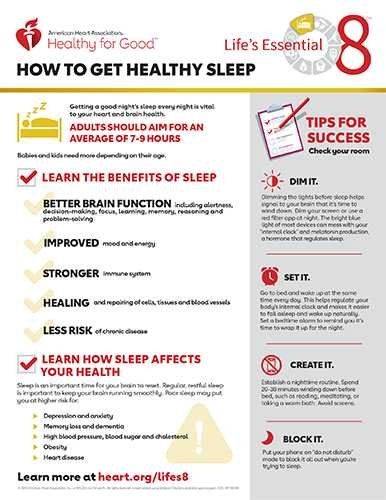
Getting 7 to 9 hours of quality sleep each night is essential for your overall health, mood, and productivity. The good news is, by establishing a consistent sleep routine, creating a calming bedtime environment, and avoiding screens before bed, you can significantly improve your sleep quality. Making small lifestyle adjustments can turn your nights into restful, rejuvenating experiences, helping you wake up refreshed and energized. Prioritizing sleep isn’t just about quantity but also about the quality of rest you get. In this article, you’ll discover practical tips to help you achieve those crucial hours of deep, restorative sleep every night, transforming how you feel each day.
To get 7 to 9 hours of quality sleep, stick to a regular schedule, create a relaxing bedtime routine, and minimize disruptions like noise and light. Focus on a sleep-friendly environment and avoid caffeine or heavy meals close to bedtime to improve sleep quality consistently.
Establishing a regular sleep schedule, creating a peaceful sleeping environment, and practicing relaxing routines before bed can help you achieve consistent, restful sleep each night. Avoiding stimulants and screens near bedtime further enhances the quality of your sleep for better health and well-being.

How to get 7 to 9 hours of quality sleep every night
Getting enough good-quality sleep is essential for your overall health, mood, and daily performance. Many people struggle to get the recommended 7 to 9 hours each night. Luckily, simple changes can make a big difference in improving your sleep habits. Let’s explore effective ways to sleep better every night.
Understanding the importance of sleep duration
Getting at least 7 hours of sleep helps your body repair itself and strengthens your immune system. It also boosts brain function, enhances memory, and improves mood. Falling short of this can lead to problems like fatigue, difficulty concentrating, and increased stress levels.
Recognizing sleep cycles
Sleep isn’t just about the hours spent in bed. Your body goes through different cycles during sleep, including light sleep, deep sleep, and REM sleep. Each cycle usually lasts around 90 minutes. To wake up feeling refreshed, it’s best to wake at the end of a sleep cycle rather than in the middle of one.
Create a sleep-friendly environment
Your bedroom setting plays a vital role in the quality of your sleep. Keep the room dark, quiet, and cool. Use blackout curtains or a sleep mask to block out light. Consider earplugs or white noise machines if noise is a problem. Maintain a temperature between 60 and 67 degrees Fahrenheit for optimal comfort.
Stick to a consistent sleep schedule
Go to bed and wake up at the same time every day, even on weekends. Consistency helps regulate your body’s internal clock, making it easier to fall asleep and wake up refreshed. Avoid staying up late or sleeping in excessively, as irregular sleep patterns can disrupt your circadian rhythm.
Establish a relaxing bedtime routine
A calming routine before bed signals to your body that it’s time to wind down. Activities such as reading, listening to soothing music, or practicing gentle stretches can prepare your mind and body for sleep. Avoid screens at least 30 minutes before bedtime, as blue light interferes with melatonin production.
Limit exposure to screens and bright lights
Electronic devices like smartphones, tablets, and computers emit blue light, which suppresses melatonin. Melatonin is a hormone that helps regulate sleep. Dim the lights in your home an hour before bed and consider using blue light filters on your devices to reduce disruption.
Watch your diet and beverage intake
Avoid caffeine and nicotine close to bedtime, as they are stimulants that make falling asleep harder. Limit heavy or spicy meals in the evening, as digestion can disturb sleep. Instead, opt for a light snack with sleep-promoting foods like bananas, almonds, or a small bowl of yogurt.
Manage stress and relax your mind
Chronic stress and anxiety are major barriers to quality sleep. Practice relaxation techniques such as deep breathing, meditation, or progressive muscle relaxation. Journaling before bed can also help clear your mind of worries that may keep you awake.
Get regular physical activity
Exercise promotes better sleep by reducing stress and fatigue. Aim for at least 150 minutes of moderate activity each week. However, avoid vigorous exercise close to bedtime, as it can boost adrenaline and make falling asleep more difficult.
Limit naps and plan them carefully
While short naps can be rejuvenating, long or late-afternoon naps may interfere with your nighttime sleep. If you need to nap, keep it to 20 to 30 minutes early in the day. This prevents disrupting your sleep schedule.
Use natural sleep aids cautiously
Supplements like melatonin or herbal teas such as chamomile can promote sleep. Always consult with a healthcare provider before using sleep aids, especially if you have underlying health conditions or take medications.
Monitor sleep quality and make adjustments
Pay attention to how you feel during the day. If you wake up tired or feel sleepy during activities, re-evaluate your sleep habits. Keeping a sleep diary can help identify patterns and areas for improvement.
Address sleep disorders promptly
If sleep problems persist despite lifestyle changes, consult a healthcare professional. Conditions like sleep apnea, restless leg syndrome, or insomnia require specific treatments. Proper diagnosis and management can significantly improve sleep quality.
Tips for overcoming common sleep challenges
- Constantly waking up during the night: Avoid consuming liquids before bed and keep a consistent sleeping environment.
- Difficulty falling asleep: Practice relaxation techniques and avoid stimulating activities before bed.
- Early morning awakenings: Limit exposure to light in the early morning and consider a sleep study if it persists.
Emphasize the importance of sleep hygiene
Practicing good sleep hygiene involves daily habits that foster restful sleep. This includes maintaining a consistent routine, creating a sleep-conducive environment, and avoiding substances that interfere with sleep. Incorporating these habits consistently can lead to better sleep over time.
Incorporate sleep-tracking devices
Using sleep trackers can help you understand your sleep patterns and identify issues. Devices range from simple apps to advanced wearables that measure sleep stages, duration, and interruptions. Use the data to fine-tune your sleep habits.
Improving your sleep quality is a gradual process that involves multiple lifestyle adjustments. By creating a sleep-friendly environment, sticking to a schedule, managing stress, and paying attention to your body’s signals, you can achieve 7 to 9 hours of restorative sleep. Remember, better sleep enhances your overall well-being and allows you to face each day with more energy and focus.
Do You Really Need 8 Hours of Sleep Every Night? | Body Stuff with Dr. Jen Gunter | TED
Frequently Asked Questions
What lifestyle habits can support better sleep quality?
Engaging in regular physical activity, maintaining a consistent sleep schedule, and limiting caffeine and alcohol intake, especially in the hours before bed, can significantly improve sleep quality. Creating a relaxing bedtime routine also helps signal your body that it’s time to wind down, making it easier to fall asleep and stay asleep throughout the night.
How does the sleep environment influence sleep duration and quality?
A comfortable, quiet, and dark environment encourages better sleep. Keep your bedroom cool and free from distractions like electronic devices. Using blackout curtains and a white noise machine can reduce disruptions, helping you fall asleep faster and enjoy deeper rest.
What dietary choices can promote restful sleep?
Eating a balanced dinner that includes sleep-inducing foods such as almonds, cherries, or herbal teas like chamomile can help. Avoid heavy, spicy, or sugary foods close to bedtime, as they may cause discomfort or interfere with your ability to fall asleep. Staying hydrated, but not excessively, also supports undisturbed sleep.
How does managing stress impact sleep quality?
Practicing relaxation techniques such as deep breathing, meditation, or gentle stretching before bed can reduce stress levels. Lower stress helps calm your mind, making it easier to fall asleep and enjoy uninterrupted sleep cycles. Managing daily stressors effectively creates a more conducive environment for quality sleep.
Why is establishing a consistent bedtime important for sleep duration?
Going to bed and waking up at the same times each day helps regulate your body’s internal clock. This consistency promotes more predictable sleep patterns and enhances overall sleep quality. Over time, maintaining a regular sleep schedule can help you naturally achieve the 7 to 9 hours recommended for optimal health.
Final Thoughts
To get 7 to 9 hours of quality sleep every night, establish a consistent sleep schedule by going to bed and waking up at the same time daily. Create a relaxing bedtime routine, such as reading or gentle stretches, to signal your body that it’s time to unwind. Limit screen time before bed and keep your bedroom cool, dark, and quiet. Prioritize these habits, and you will improve your sleep quality and overall well-being.
As an Amazon Associate, We earn from qualifying purchases. When you purchase a product through Amazon links on pulsefitguide.com, we may earn a small commission at no extra cost to you. This helps support the site and keep our content free.