

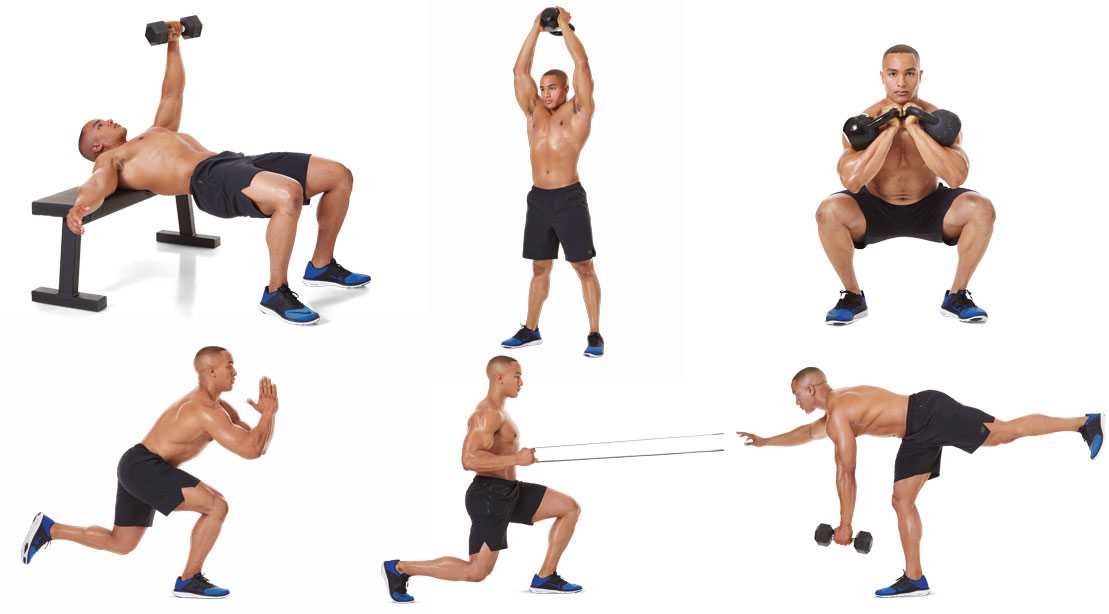
To build strength effectively in a small space, focus on bodyweight exercises like push-ups, squats, and planks that require minimal or no equipment. Incorporate resistance bands or household items to add variety and challenge. Consistency and proper form are key to seeing progress without needing a large workout area.
Gaining strength in a small space is totally doable with creative exercise choices and a consistent routine. You don’t need a gym—just your body and a bit of motivation to make the most of limited space. By choosing versatile exercises and staying committed, you can achieve your fitness goals right at home, no matter how small your area is.
Many people think you need a big gym to get strong, but the truth is, even tiny apartments or rooms can become your personal workout zone. The trick is to maximize what you have, using bodyweight moves and simple tools to build muscle and endurance. Whether it’s doing push-ups against a wall or squatting in a corner, you’ll find that small spaces can still support big gains with the right approach. So, let’s explore how you can turn your limited area into a powerful training ground!

How to Gain Strength in Small Space
Building strength in a small space is possible with the right approach. You don’t need a large gym or fancy equipment to get stronger. Instead, you can use your body weight, simple tools, and smart routines to achieve your fitness goals.
Understanding the Basics of Strength Training in Small Spaces
Strength training involves exercises that make your muscles work against resistance. In a small area, focusing on exercises that utilize your body weight is most effective. These workouts can be done anywhere and require minimal or no equipment.
Consistent effort and proper form are key to gaining strength. Even with limited space, you can incorporate various movements that target all major muscle groups for balanced growth.
Choosing the Right Exercises for Small Spaces
Body Weight Exercises
Body weight exercises are perfect for small areas because they don’t need extra equipment. They include push-ups, squats, lunges, and planks. Each of these targets different muscle groups to build overall strength.
For example, push-ups strengthen your chest, shoulders, and triceps. Squats focus on your thighs, hips, and buttocks, while planks improve core stability. These exercises can be modified to suit your fitness level.
Using Resistance Bands
Resistance bands are lightweight, affordable, and versatile. They can be stored easily and used to increase the intensity of your workouts. You can perform exercises like band pull-aparts, bicep curls, and shoulder presses.
Attach resistance bands to stable objects or hold them in your hands to add resistance. They help activate more muscle fibers, resulting in better strength gains.
Designing a Small Space Strength Workout Routine
Frequency and Duration
For effective strength development, aim to train at least three times a week. Each session should last between 20 to 30 minutes, depending on your fitness level. Rest days are essential for muscle recovery.
Split your workouts into different muscle groups or do full-body routines. This allows your muscles to recover while maintaining regular activity.
Sample Weekly Workout Plan
| Day | Workout Focus | Exercises |
|---|---|---|
| Monday | Upper Body | Push-ups, Resistance Band Rows, Tricep Dips |
| Wednesday | Lower Body | Squats, Lunges, Glute Bridges |
| Friday | Core and Full Body | Planks, Mountain Climbers, Burpees |
Maximizing Limited Space for Effective Workouts
Creating a Workout Area
Choose a corner or clear space where you have enough room to move freely. Use a yoga mat for comfort and safety during floor exercises. Keep your area organized to stay motivated.
Utilizing Vertical Space
If your space is tight, think vertically. Use walls for exercises like wall push-ups or step-ups on sturdy furniture. Hanging resistance bands or hooks can help store equipment and keep the area neat.
Incorporating Equipment for Better Results
Maximize Limited Equipment
Starting with lightweight dumbbells, resistance bands, or a Jump Rope can add variety. These tools are small enough to store easily and can enhance your workout intensity.
For instance, dumbbells can be used for bicep curls, shoulder presses, or weighted squats. Jump ropes are excellent for cardio and improving overall strength endurance.
DIY Equipment Ideas
- Using Water Bottles: Fill bottles with water or sand for makeshift weights.
- Chairs or Sturdy Furniture: Use for step-ups, tricep dips, or seated exercises.
- Backpack with Books: Wear during squats or lunges for added resistance.
Progression and Tracking Your Gains
Increasing Exercise Intensity
To keep making progress, gradually increase the number of repetitions or sets. You can also add more challenging variations of exercises, like incline push-ups or one-leg squats.
For resistance bands, use thicker bands or increase the tension for more challenge. Small adjustments help your muscles adapt and grow stronger over time.
Tracking Your Performance
Write down your workouts, noting repetitions, sets, and how you feel. Tracking helps you see your progress and stay motivated. Celebrate small victories to keep pushing forward.
Staying Motivated in a Small Space Routine
Setting Realistic Goals
Set achievable targets like improving push-up count or holding a plank for longer. Small goals keep you focused and give a sense of accomplishment.
Mixing Up Your Workouts
Keep things interesting by changing exercises regularly. Add new movements, vary your routine, or increase intensity to stay engaged and prevent boredom.
Using Online Resources and Apps
Many free videos and apps offer guided workouts tailored for small spaces. These resources can provide structure and motivation, making your routine more effective.
Additional Tips for Effective Strength Training in Small Spaces
- Prioritize proper form to prevent injuries.
- Warm up before workouts and cool down afterward.
- Stay consistent, even if your space is limited.
- Maintain a balanced diet to support muscle growth.
By following these strategies, you can effectively increase your strength without leaving your small space. Remember, consistency and smart exercise choices are the keys to success.
30 Minute Full Body Strength Workout [No Equipment + Modifications]
Frequently Asked Questions
What are effective exercises I can do in a limited space to build strength?
Focus on bodyweight exercises that require minimal space, such as push-ups, squats, lunges, and planks. Incorporate variations like decline push-ups or single-leg squats to increase intensity. Using resistance bands or dumbbells, if available, can also add challenge without needing extra room. Consistently performing these exercises helps strengthen muscles efficiently within a small area.
How can I create a structured workout plan for strength training in a small environment?
Design a plan that includes a mix of compound movements and targeted exercises, dedicating specific days to different muscle groups. Allocate short, focused sessions—around 20 to 30 minutes—using exercises suitable for limited space. Rotate between strength exercises and rest days to allow muscles to recover and grow. Keeping track of progress and gradually increasing resistance or repetitions ensures ongoing strength development.
What equipment should I consider to maximize strength training in a confined space?
Opt for compact and versatile equipment like resistance bands, adjustable dumbbells, or a pull-up bar that can mount on a doorframe. These tools save space and offer multiple workout options. Additionally, using household items such as water bottles or backpacks filled with books as weights can supplement your routine without cluttering your area.
Final Thoughts
To gain strength in small space, focus on body-weight exercises like push-ups, squats, and planks. Consistency is key, so set a daily routine that challenges your muscles. Use minimal equipment such as resistance bands or dumbbells to enhance your workouts. By maintaining discipline and creativity, you can build strength effectively without a large area.
As an Amazon Associate, We earn from qualifying purchases. When you purchase a product through Amazon links on pulsefitguide.com, we may earn a small commission at no extra cost to you. This helps support the site and keep our content free.