

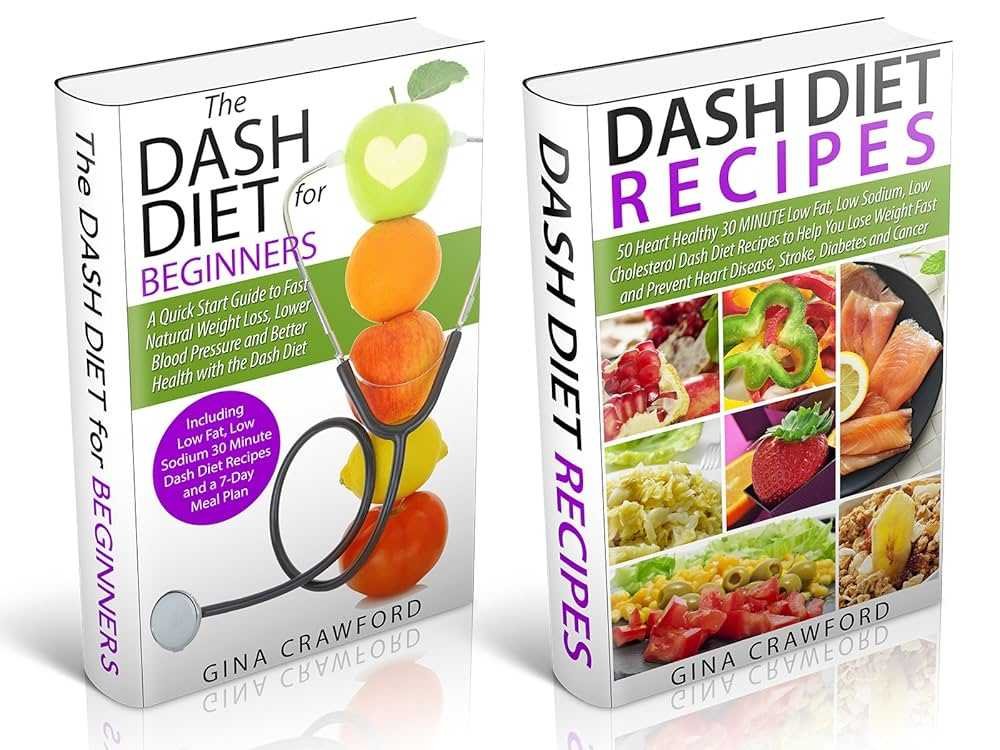
To follow a heart-healthy diet for weight loss at 50, focus on eating a variety of nutrient-dense foods, reduce saturated fats and added sugars, and incorporate plenty of fruits, vegetables, lean proteins, and whole grains. Keep portion sizes in check and stay active to boost your metabolism. Making these simple swaps can help you lose weight while protecting your heart health.
A heart-healthy diet at 50 is all about balancing delicious foods with smart choices that support both weight loss and cardiovascular wellness. It’s not about deprivation but about embracing foods that nourish your body and keep your heart strong. By making small adjustments to your daily eating habits and staying consistent, you can enjoy a healthier life and reach your weight goals without feeling deprived. Remember, it’s never too late to prioritize your health and start making positive changes that benefit you now and into the future.

How to Follow a Heart Healthy Diet for Weight Loss at 50
Understanding the Importance of a Heart Healthy Diet After 50
As you reach your 50s, your body undergoes many changes. Your metabolism slows down, and your risk for heart disease increases. Eating a diet that promotes heart health can help manage weight and protect your cardiovascular system. A heart healthy diet focuses on reducing saturated fats, trans fats, salt, and added sugars while emphasizing nutritious foods.
Key Nutrients for Heart Health and Weight Loss
To support weight loss and heart health, your diet should include essential nutrients:
- Fiber: Improves digestion and helps control cholesterol levels.
- Healthy Fats: Monounsaturated and polyunsaturated fats from sources like olive oil, nuts, and fish.
- Lean Proteins: Poultry, beans, and fish provide necessary proteins without excess saturated fat.
- Vitamins and Minerals: Fruits and vegetables supply antioxidants and essential nutrients.
Incorporating these nutrients can help you lose weight safely while supporting heart health.
Choosing the Right Foods for Your Heart and Waistline
Switching to heart-friendly foods is simple with mindful choices:
Fruits and Vegetables
Eat a variety of colorful fruits and vegetables daily. They are low in calories but rich in fiber, antioxidants, and vitamins. Aim for at least five servings a day.
Whole Grains
Replace refined grains with whole grains like oats, brown rice, and whole wheat bread. These have more fiber and nutrients, keeping you full longer and stabilizing blood sugar.
Healthy Proteins
Opt for fish such as salmon or mackerel, which are high in omega-3 fatty acids. Include legumes like lentils and chickpeas as plant-based protein options.
Healthy Fats
Use olive oil or avocado instead of butter. Include nuts and seeds in your diet, but eat in moderation due to their high calorie content.
Foods to Limit or Avoid
Certain foods can increase your risk of heart disease or hinder weight loss:
- Red and Processed Meats: High in saturated fats and cholesterol.
- Fried and Fast Foods: Loaded with trans fats and excess calories.
- Sugary Drinks and Snacks: Contribute to weight gain and blood sugar spikes.
- High-Sodium Foods: Increase blood pressure and strain the heart.
Cooking Tips for a Heart Healthy Diet
Healthy cooking methods make a big difference:
- Bake, Grill, or Steam: Instead of frying, these methods preserve nutrients without adding unhealthy fats.
- Use Herbs and Spices: Instead of salt, flavor your dishes with garlic, lemon, pepper, and herbs.
- Read Food Labels: Check for trans fats, added sugars, and sodium content.
Planning meals ahead and preparing food at home allow better control over ingredients.
Portion Control and Mindful Eating
Controlling portion sizes prevents overeating, which is key at any age. Use smaller plates and bowls to help manage portions visually. Eat slowly, savoring each bite, to recognize when you’re full. Avoid distractions like TV or smartphones during meals to stay mindful.
Incorporating Physical Activity with Your Diet
Combining a healthy diet with regular exercise enhances weight loss and heart health. Aim for at least 150 minutes of moderate activity weekly, such as walking, cycling, or swimming. Include strength training twice a week to maintain muscle mass, which supports metabolism.
Sample Meal Plan for a Heart Healthy, Weight-Loss Friendly Day
Here’s an example to guide your daily eating:
| Meal | Food Choices |
|---|---|
| Breakfast | Oatmeal topped with berries and a sprinkle of nuts |
| Mid-Morning Snack | Apple slices with almond butter |
| Lunch | Grilled chicken salad with mixed greens, cherry tomatoes, cucumber, and olive oil vinaigrette |
| Afternoon Snack | Carrot sticks and hummus |
| Dinner | Baked salmon with quinoa and steamed broccoli |
Adjust portions based on your calorie needs and activity level.
Monitoring Your Progress and Staying Motivated
Track your food intake and physical activity to stay accountable. Use apps or journals to note your progress. Celebrate small victories, like improving blood pressure or losing a few pounds, to stay motivated.
Additional Tips for Success
- Stay hydrated by drinking plenty of water throughout the day.
- Limit alcohol consumption as it adds empty calories and affects heart health.
- Get enough sleep, as poor rest can hinder weight loss and increase cravings.
- Seek support from family or join a community group for encouragement.
Understanding Long-Term Lifestyle Changes
Changing your diet isn’t a quick fix but a shift toward healthier habits. Focus on making sustainable choices rather than temporary diets. Over time, these small changes can lead to significant improvements in heart health and weight management.
Summary of Key Takeaways
- A heart healthy diet at 50 involves choosing nutrient-rich foods and limiting unhealthy ones.
- Incorporate plenty of fruits, vegetables, whole grains, lean proteins, and healthy fats.
- Practice portion control and mindful eating to prevent overeating.
- Combine diet with regular physical activity to maximize weight loss and cardiovascular benefits.
- Stay consistent, monitor your progress, and focus on long-term habits for lasting health improvements.
Following these guidelines can help you lose weight safely while lowering your risk for heart disease. Remember, making gradual changes and staying committed will bring the best results over time.
Mediterranean Diet 101 | The Authentic Mediterranean Diet
Frequently Asked Questions
What are some key foods to include in a heart-healthy diet at age 50 for weight management?
Include plenty of fruits, vegetables, whole grains, lean proteins, and healthy fats like those from nuts, seeds, and olive oil. These foods provide essential nutrients, help reduce cholesterol, and support overall heart health, making it easier to manage weight effectively.
How can I reduce saturated and trans fats in my daily meals to promote heart health?
Limit consumption of processed and fried foods, choose lean cuts of meat, and opt for cooking methods like grilling, baking, or steaming. Reading food labels and avoiding hydrogenated oils also helps in significantly lowering intake of unhealthy fats that can impact your heart and weight goals.
What portion control strategies work well for maintaining a heart-healthy diet after 50?
Use smaller plates and bowls to naturally limit portion sizes, eat slowly to give your body time to signal fullness, and avoid eating straight from packages. Planning meals ahead and paying attention to hunger cues support balanced eating and prevent overeating.
How important is physical activity in conjunction with a heart-healthy diet for weight loss at this age?
Regular physical activity enhances cardiovascular health, boosts metabolism, and helps burn calories more effectively. Combining exercise with a balanced diet improves weight management results and supports overall well-being as you age.
Are there specific dietary pitfalls I should avoid to protect my heart and lose weight at 50?
Avoid excessive sugar intake, processed snacks, and high-sodium foods, as they can increase blood pressure and promote weight gain. Limiting alcohol consumption and reducing intake of refined grains also contribute to maintaining a healthy heart and achieving weight loss goals.
Final Thoughts
Following a heart healthy diet for weight loss at 50 involves eating plenty of fruits, vegetables, and whole grains. Incorporate lean proteins like fish and poultry, and limit saturated fats and sugars. Focus on portion control and mindful eating to avoid overeating. Staying active and staying hydrated support your dietary goals. Consistent habits help improve heart health and aid weight management effectively.
As an Amazon Associate, We earn from qualifying purchases. When you purchase a product through Amazon links on pulsefitguide.com, we may earn a small commission at no extra cost to you. This helps support the site and keep our content free.