

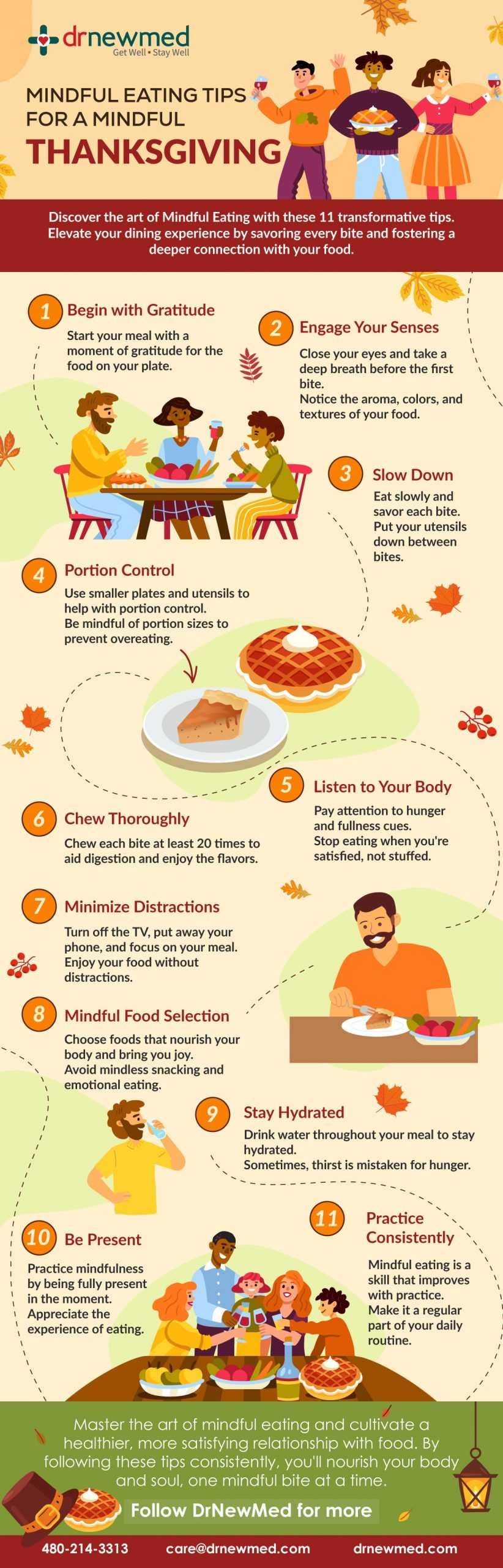
To eat slowly and mindfully, take small bites, chew thoroughly, and pay close attention to how your body feels during the meal. This helps you recognize when you’re truly full and prevents overeating. Practice eating without distractions like TV or phones, and pause between bites to check in with your hunger signals. Over time, these habits will make you more aware of your body’s cues, leading to healthier eating patterns and better digestion.
Eating slowly and mindfully is about more than just reducing speed; it’s about cultivating awareness of your body’s signals and savoring each bite. When you slow down, you give your brain a chance to catch up with your stomach, making it easier to detect fullness and enjoy your food more deeply. Developing this mindful approach can transform your relationship with eating, turning a routine act into a nourishing and satisfying experience.
In today’s busy world, it’s easy to eat quickly without noticing how much we’re consuming or how hungry we truly are. By learning to eat slowly and with intention, you can tune into your body’s fullness cues and avoid overeating. This simple shift in your eating habits can lead to better digestion, improved satisfaction with your meals, and a healthier lifestyle overall. Whether you’re aiming to lose weight or just enjoy your food more, mindful eating is a powerful tool to foster a more balanced relationship with food.

How to eat slowly and mindfully to recognize fullness cues
Eating slowly and with awareness can help you better notice when you’re full. Many people rush through meals without realizing it, which can lead to overeating. Learning to slow down can improve digestion and support healthy weight management.
The importance of eating slowly
Eating slowly allows your brain enough time to receive signals from your stomach indicating fullness. It takes about 20 minutes for your brain to register that you’re full after you start eating. Rushing can cause you to eat more than your body needs, leading to discomfort and weight gain.
When you eat slowly, you’re more aware of the flavors, textures, and aromas of your food. This mindfulness enhances your eating experience and can make meals more satisfying. It also helps reduce mindless snacking and emotional eating.
How mindful eating supports fullness cues recognition
Mindful eating involves paying close attention to your body’s signals as you eat. By focusing on your food and your feelings, you become more aware of hunger and fullness levels. This awareness helps you stop eating when you’re comfortably full.
Being present during meals reduces distractions, such as watching TV or scrolling on your phone. Distractions can make you unaware of how much you are eating, which may cause overeating. Mindfulness brings you back to the act of nourishing your body.
Strategies to slow down your eating
1. Chew thoroughly and slowly
Chewing each bite at least 20 to 30 times helps break down food properly. This process takes time and encourages you to eat more consciously. Focus on the texture and taste of each bite.
2. Put down utensils between bites
Rest your fork or spoon after each mouthful. This simple action encourages you to pause and appreciate your food. It also signals to your brain that you’re eating, helping you pace your meal.
3. Take smaller bites
- Small bites allow you to chew more thoroughly.
- They help slow down your overall eating pace.
- Smaller bites are easier to control and savor.
4. Use a timer or clock
Set a timer for at least 20 minutes for your meal. Use this time to eat slowly and mindfully. This practice helps you spread out your eating and prevents rushing through your meal.
Creating a mindful eating environment
1. Minimize distractions
Turn off the TV, put your phone away, and focus solely on your food. A distraction-free environment enhances your awareness of what and how you are eating.
2. Sit at a table
Sitting at a proper dining table encourages you to eat more mindfully. Avoid eating on the go or standing up, which can lead to hurried eating.
3. Use smaller plates and bowls
Smaller dishware can help control portion sizes. It also makes your meal feel more substantial and satisfying, reducing the temptation to eat more.
Recognizing fullness cues
Physical sensations to observe
- A feeling of slight pressure or fullness in your stomach.
- Reduction in hunger pangs and growling.
- A sense that your food is satisfying and enough.
Emotional cues to note
- Eating out of boredom, stress, or habit, rather than physical hunger.
- Feeling emotionally fulfilled without needing to continue eating.
How to practice mindful eating regularly
Start with small steps
Begin by dedicating one meal each day to mindful eating. Focus on slowing down and paying attention to your cues during that meal. Gradually increase this practice over time.
Keep a food journal
Record what you eat, how you feel, and your hunger levels. This helps identify patterns and cues for fullness or emotional eating.
Set intentions before eating
Before you start your meal, take a moment to set an intention to eat slowly and attentively. Remind yourself of the benefits of mindful eating and recognizing fullness cues.
Additional tips for success
- Stay hydrated: Drink water during meals to aid digestion and help you feel full.
- Eat balanced meals: Include proteins, healthy fats, and fiber to increase satiety and reduce overeating.
- Practice patience: Developing mindful eating habits takes time and consistency. Be kind to yourself during this process.
The benefits of eating slowly and mindfully
Besides recognizing fullness cues, this practice can improve digestion, reduce overeating, and promote healthier food choices. It can also enhance your overall relationship with food, making mealtime a more enjoyable and nourishing experience.
By dedicating your attention to each bite and listening to your body’s signals, you foster a healthier, more intuitive approach to eating. This mindful practice supports long-term health and well-being, making it easier to maintain a balanced diet and a healthy weight.
46. Practice mindful eating by paying attention to your body's hunger and fullness cues.
Frequently Asked Questions
What are some techniques to slow down eating during a meal?
To eat more slowly, take smaller bites and chew thoroughly before swallowing. Put down your utensils between bites and pause briefly after each mouthful. Setting a specific time for each bite or taking breaks to sip water can also help you pace yourself intentionally. Being mindful of each bite encourages better awareness of how quickly you’re eating and allows your body to signal fullness.
How can paying attention to physical sensations help recognize fullness cues?
Focusing on physical sensations like the feeling of satiety, the taste of your food, and how your stomach feels prevents overeating. Pay close attention to signals such as a gentle sense of satisfaction or a decrease in hunger, rather than external cues like finishing your plate or feeling pressured to eat quickly. Listening to your body’s cues helps you eat just enough without overeating.
What role does eliminating distractions play in mindful eating?
Removing distractions like television, smartphones, or work during meals encourages full attention on your eating experience. When you focus on your food, you become more aware of taste, texture, and your body’s responses. This heightened awareness enables you to notice fullness cues sooner and reduces the likelihood of eating beyond your comfort level.
How can setting intentions before a meal improve awareness of fullness?
Before starting to eat, decide on your portion size and your goal for the meal. Setting an intention to eat slowly and pay attention to your body’s signals encourages mindful consumption. This mental preparation helps you remain present during the meal and recognize when you feel satisfied, preventing overeating.
Why is it important to pause during a meal to assess hunger levels?
Taking regular pauses during your meal allows you to check in with your hunger and fullness levels. These pauses help you gauge whether you’re eating out of habit or actual need, making it easier to stop when you feel comfortably satisfied. Incorporating these moments promotes a more conscious and balanced approach to eating.
Final Thoughts
How to eat slowly and mindfully to recognize fullness cues emphasizes paying close attention to your body’s signals during meals. Take small bites and chew thoroughly, which allows you to savor each flavor and notice when you’re starting to feel full. Setting aside distractions like screens helps you stay present and tuned in.
Stay attentive to your hunger and fullness levels throughout the meal, stopping when you feel satisfied but not overly full. Practicing this mindful approach makes it easier to enjoy your food and prevent overeating. Concluding, being mindful while eating is key to recognizing fullness cues and fostering healthier eating habits.
As an Amazon Associate, We earn from qualifying purchases. When you purchase a product through Amazon links on pulsefitguide.com, we may earn a small commission at no extra cost to you. This helps support the site and keep our content free.