

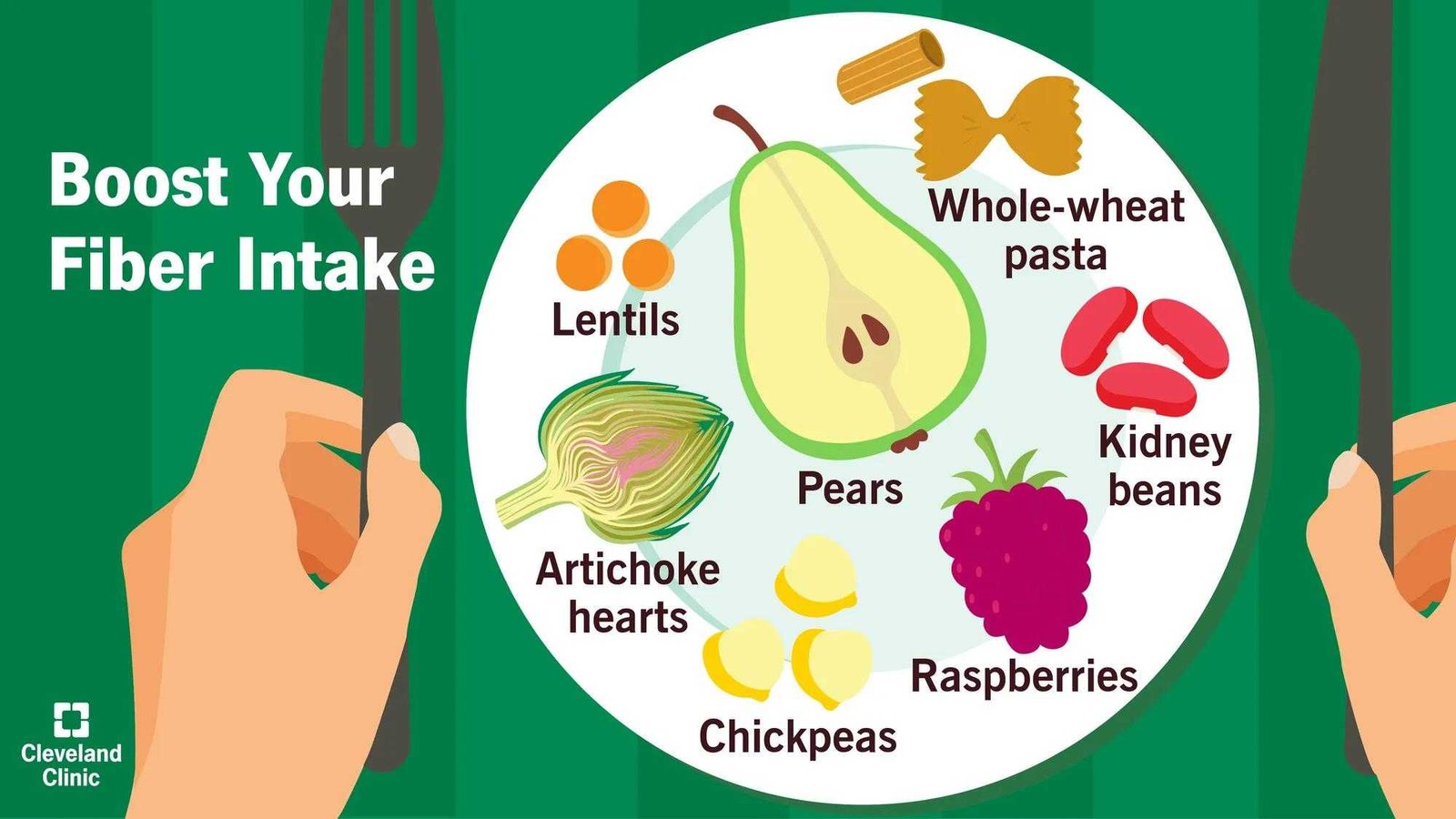
Start your day with a fiber-packed breakfast like oats or whole-grain toast to boost your intake effortlessly. Incorporate more fruits, vegetables, beans, and nuts into your meals throughout the day. Drinking plenty of water and gradually increasing fiber can help you manage your weight naturally and feel fuller longer.
Eating more fiber is a simple yet effective way to support natural weight control. By choosing high-fiber foods, staying hydrated, and balancing your diet, you can curb overeating and promote a healthier lifestyle. It’s all about making smarter food choices that keep you satisfied without excess calories.
If you’re looking to shed a few pounds or just want to eat more healthily, increasing your fiber intake can be a game-changer. Fiber not only aids digestion but also helps you feel full, reducing the urge to snack on unhealthy options. The key is to add fiber gradually and pair it with plenty of water, ensuring your digestion stays smooth and your weight goals stay on track. Getting more fiber in your diet is easier than you think—and the benefits for weight management are worth the effort!

How to eat more fiber for natural weight control
Eating more fiber is an effective way to help manage your weight naturally. It keeps you feeling full longer, which reduces overeating. Plus, fiber-rich foods support good digestion and overall health.
Understanding the role of fiber in weight control
Fiber is a type of carbohydrate that your body cannot digest. It adds bulk to your diet, helping you feel satisfied after meals. This fullness prevents you from snacking on unhealthy foods.
There are two main types of fiber: soluble and insoluble. Soluble fiber dissolves in water and forms a gel-like substance. Insoluble fiber adds bulk to your stool and helps food pass more quickly through your digestive system.
The benefits of fiber for weight loss
- Appetite control: Fiber slows stomach emptying, keeping you fuller longer. This reduces the urge to snack between meals.
- Lower calorie intake: High-fiber foods often require more chewing and take longer to eat, leading to less overall food consumption.
- Blood sugar regulation: Fiber helps stabilize blood sugar levels, preventing sudden hunger spikes that can lead to overeating.
- Improved digestion: A healthy gut supports better nutrient absorption and reduces bloating, contributing to a slimmer appearance.
Daily fiber intake recommendations
Most adults should aim for at least 25 to 30 grams of fiber daily. Children and teens need slightly less depending on age and size. Achieving this target can be simple with the right food choices.
Top high-fiber foods to include in your diet
Fruits
Many fruits are rich in fiber, especially when eaten with the skin. Examples include apples, pears, berries, and oranges.
Vegetables
- Broccoli
- Carrots
- Sweet potatoes
- Brussels sprouts
Whole grains
- Oats and oatmeal
- Brown rice
- Quinoa
- Whole wheat bread and pasta
Legumes and pulses
- Lentils
- Chickpeas
- Black beans
- Kidney beans
Nuts and seeds
- Chia seeds
- Flaxseeds
- Almonds
- Pumpkin seeds
How to incorporate more fiber into your meals
Start your day with fiber-rich breakfast options
Choose oatmeal topped with berries and nuts or whole-grain cereals. These options provide a good dose of fiber early in the day.
Add vegetables to every meal
Include salads, steamed vegetables, or vegetable sides with lunch and dinner. Using vegetables as fillings in sandwiches and wraps also boosts fiber intake.
Pick whole grains over refined grains
Use whole wheat bread, brown rice, or whole-grain pasta instead of white bread or refined grains. This simple swap can significantly increase your fiber intake.
Snack on nuts, seeds, and fruits
Carry small portions of almonds, chia seeds, or fresh fruit for healthy, fiber-rich snacks throughout the day.
Smart tips for boosting fiber intake
- Gradually increase fiber consumption to avoid gastrointestinal discomfort.
- Drink plenty of water when eating fibrous foods to help fiber do its job properly.
- Read nutrition labels to choose products with higher fiber content.
- Add ground flaxseeds or chia seeds to smoothies, yogurt, or oatmeal.
Be mindful of fiber and hydration
Fiber works best when paired with adequate water intake. Aim to drink at least 8 glasses of water daily to aid digestion and prevent constipation.
Common mistakes to avoid
- Eating too much fiber too quickly, which can cause bloating and cramps. Increase intake gradually.
- Relying solely on supplement fiber without including whole foods. Whole foods provide essential nutrients alongside fiber.
- Ignoring water intake, which can negate fiber’s benefits and cause digestive issues.
Sample meal plan to boost fiber intake
| Meal | High-Fiber Food Choices |
|---|---|
| Breakfast | Oatmeal with berries, chia seeds, and a handful of almonds |
| Lunch | Whole grain wrap with hummus, mixed greens, and veggie sticks |
| Snack | Apple slices with peanut butter or a small handful of trail mix |
| Dinner | Grilled chicken served with brown rice and steamed broccoli |
| Extras | Snack on roasted chickpeas or add flaxseeds to yogurt |
Additional tips for maintaining a fiber-rich diet
- Plan meals ahead to ensure each includes a good source of fiber.
- Experiment with new recipes that incorporate high-fiber ingredients.
- Stay consistent; gradually increasing fiber intake helps your body adjust.
- Balance fiber with other nutrients for a healthy, sustainable diet.
Related topics to explore
- Understanding the importance of hydration when increasing fiber intake
- The role of probiotics in gut health and fiber digestion
- How fiber benefits overall health beyond weight control
- Tips for managing fiber intake during weight-loss journeys
Adding more fiber to your diet does not have to be complicated. Focus on whole foods, make gradual changes, and stay hydrated. These simple steps can support your weight management goals naturally and improve your overall health.
Top 21 High-Fiber Foods + How Much Fiber You Really Need
Frequently Asked Questions
What are some simple ways to include more fiber-rich foods in my daily meals?
Start by adding whole grains like oatmeal or whole wheat bread to your breakfast. Incorporate more fruits such as berries, apples, or oranges into your snacks and meals. Include vegetables like broccoli, carrots, or leafy greens with your lunch and dinner. Snacking on nuts, seeds, or popcorn can also boost your fiber intake. Planning your meals to include a variety of these high-fiber options ensures you get enough fiber throughout the day.
How can I increase my fiber intake without changing my diet drastically?
You can gradually add fiber to your existing meals by mixing in ingredients like chia seeds or flaxseeds into yogurt, smoothies, or oatmeal. Opt for whole-grain versions of bread, pasta, and rice instead of refined options. Include a side of mixed vegetables or a small fruit salad with your main meals. Drinking more water alongside increasing fiber helps fiber move smoothly through your digestive system, making the transition easier.
Are there specific high-fiber foods I should prioritize for better results?
Focus on foods that contain both soluble and insoluble fiber, such as beans, lentils, oats, berries, and vegetables. Whole grains like barley and quinoa also provide significant fiber. Incorporate a variety of these foods into your diet to ensure you receive different types of fiber, which can help regulate your digestion and contribute to feeling full longer, aiding in natural weight control.
What are some healthy snack options that are high in fiber?
Choose snacks like a handful of almonds or walnuts, carrot sticks with hummus, apple slices with nut butter, or a small bowl of popcorn. Dried fruits such as apricots or figs also provide high fiber in portable portions. These options offer fiber and nutrients without excessive calories, supporting your weight management goals.
How much fiber should I aim for each day to support weight control?
Adults should aim for approximately 25 to 30 grams of fiber daily. Meeting this target can help you feel more satisfied after meals, reduce overall calorie intake, and promote healthy digestion. Gradually increase your fiber intake to this level to prevent digestive discomfort and ensure your body adjusts comfortably to the higher fiber content.
Final Thoughts
In conclusion, how to eat more fiber for natural weight control involves simple dietary adjustments. Incorporate more fruits, vegetables, whole grains, and legumes into your meals daily. Snacking on nuts or seeds also boosts fiber intake without much effort. Making these small changes consistently helps support healthy weight management and overall well-being.
As an Amazon Associate, We earn from qualifying purchases. When you purchase a product through Amazon links on pulsefitguide.com, we may earn a small commission at no extra cost to you. This helps support the site and keep our content free.