

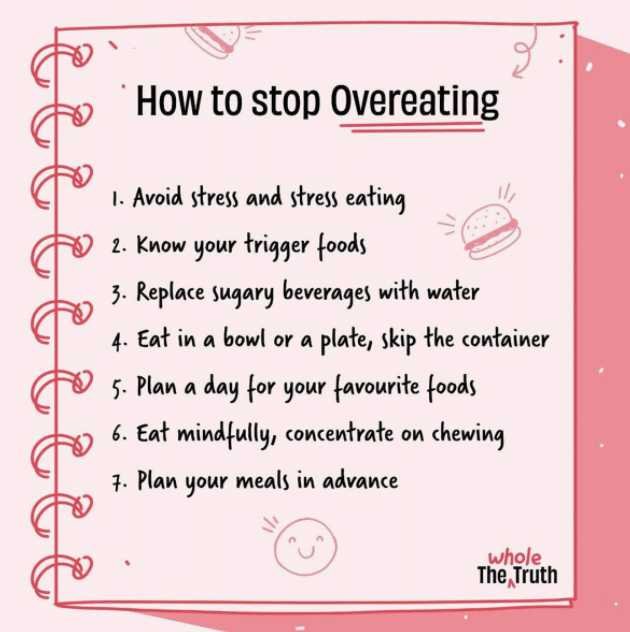
To eat mindfully and curb overeating, focus on slow, deliberate eating while paying attention to your body’s hunger and fullness cues. Savor each bite, eliminate distractions, and listen to your body’s signals to prevent overeating. Practicing these habits fosters a healthier relationship with food and promotes better digestion.
Eating mindfully is a simple yet powerful way to transform your eating habits. Instead of rushing through meals or eating out of boredom, taking the time to engage fully with your food can help you recognize when you’re truly hungry or full. Many people eat mindlessly, which often leads to consuming more than necessary. By slowing down, focusing on flavors, textures, and smells, and avoiding distractions like screens, you can enjoy your meals more and reduce the tendency to overeat. This approach not only supports weight management but also enhances your overall enjoyment of food, making each meal a nourishing and satisfying experience.

How to eat mindfully and reduce overeating
Understanding Mindful Eating
Mindful eating means paying full attention to the experience of eating. It involves noticing the taste, texture, smell, and even the sounds of your food. This practice helps you recognize true hunger and fullness cues, preventing overeating.
When you eat mindfully, you slow down and appreciate your food more. This can lead to greater satisfaction from smaller portions. Learning to be present during meals is the first step toward healthier eating habits.
The Benefits of Mindful Eating
Practicing mindful eating offers many advantages. It can help reduce emotional eating, which often leads to overeating. Additionally, it promotes better digestion because you chew slowly and thoroughly.
Mindful eating also helps in weight management. By paying attention to hunger and fullness signals, you can avoid eating out of boredom or stress. This leads to more conscious food choices and a healthier relationship with food.
How to Practice Mindful Eating
Begin by setting aside a specific time and place for meals without distractions like TV or smartphones. Sit at a table and focus on your food. Take small bites and chew slowly, savoring every flavor.
Pay attention to how your body feels during meals. Notice when you start feeling full and avoid eating past that point. Regularly check in with your hunger levels before, during, and after eating.
Step-by-Step Guide to Eating Mindfully
- Choose a meal or snack to eat slowly and attentively.
- Take a few deep breaths before starting to eat.
- Observe the appearance and smell of your food.
- Take small bites, chewing slowly and thoroughly.
- Focus on the taste and texture of each bite.
- Pause between bites to assess your hunger and fullness.
- Eat until you feel comfortably full, not stuffed.
- Reflect on your eating experience and how your body feels afterward.
Tips to Reduce Overeating with Mindfulness
Overcoming overeating requires mindful strategies integrated into your daily routines. Here are some practical tips:
- Eat at regular intervals: Skipping meals can cause you to overeat later. Consistent meals help stabilize blood sugar levels and curb excessive hunger.
- Use smaller plates and bowls: This visual cue encourages smaller portions and helps prevent overeating.
- Pause before refilling your plate: Wait a few minutes after finishing your first serving to see if you’re still hungry.
- Identify emotional triggers: Recognize when stress, boredom, or sadness triggers overeating and find alternative activities like walking or journaling.
- Limit distractions: Turn off screens and focus solely on your meal to stay connected with your body’s signals.
Recognizing Hunger and Fullness Cues
Understanding your body’s hunger signals is vital. True hunger develops gradually and can be identified by a growling stomach, low energy, or mild stomach pain. Fullness often feels like a comfortable, satisfied sensation.
Avoid eating out of habit or because food is available. Frequently, people eat simply because food is present rather than because they are hungry. Learning to differentiate physical hunger from emotional or subconscious cues is crucial.
Methods to Tune into Your Body’s Signals
- Rate your hunger on a scale from 1 to 10: 1 being ravenous, 10 being overly full.
- Pause during meals: Periodically stop to assess your hunger level.
- Maintain a food journal: Record your hunger and fullness to identify patterns.
- Practice body scanning: During and after meals, note how different parts of your body feel.
The Role of Portion Control
Portion control is essential for reducing overeating. Using measuring cups or food scales can help you serve appropriate amounts. Over time, you’ll learn to estimate portions without relying on tools.
Be mindful of serving sizes when eating out. Restaurant portions tend to be large, leading to excessive calorie intake. Sharing dishes or packing leftovers can help manage portions effectively.
Strategies to Manage Portions
- Start with smaller servings: You can always go back for seconds if still hungry.
- Fill half your plate with vegetables: This naturally reduces calorie density.
- Use visual cues: Compare your portions to everyday objects, like a deck of cards for meat or a tennis ball for fruit.
- Plan meals ahead: Preparing balanced portions keeps overeating in check.
Incorporating Mindfulness into Snacks and Small Meals
Snacks and small meals are often overlooked in mindful eating practices. Yet, they are key moments to reinforce awareness. Focus completely on these smaller portions to prevent impulsive overeating later.
Choose nutrient-dense snacks like nuts, fruit, or yogurt. Eat slowly, paying attention to taste and texture, which helps improve satiety and reduces cravings.
Tips for Mindful Snacking
- Prepare portioned snacks: Use small containers or zip-lock bags.
- Eat without multitasking: Avoid snacking while working or watching TV.
- Use the five S’s: Slow down, savor, see, smell, and listen to the food.
- Check-in with your hunger: Choose to snack only when truly hungry.
Creating a Supportive Environment for Mindful Eating
Your environment influences eating habits greatly. Keep healthy foods accessible and avoid stocking tempting junk food. Create a calm, comfortable space for meals to foster mindful eating.
Eating with others can enhance mindfulness, as it encourages slower, more attentive meals. Sharing meals also offers emotional support and accountability.
Suggestions for a Mindfulness-Friendly Setting
- Minimize distractions: Turn off electronic devices during meals.
- Set a pleasant atmosphere: Use soft lighting and a clean table.
- Prepare your meals mindfully: Engage in the cooking process to connect with your food.
- Practice gratitude: Take a moment to appreciate the effort behind your meal.
Handling Cravings with Mindfulness
Cravings can challenge your mindful eating efforts. Instead of suppressing them, acknowledge these feelings without judgment. Sometimes, cravings stem from emotional needs rather than genuine hunger.
When a craving hits, pause and ask yourself if you’re truly hungry or seeking comfort. Engaging in a quick distraction or other activity can help reduce the intensity of the craving.
Techniques for Managing Cravings
- Delay your response: Wait 10 minutes before giving in; cravings often pass.
- Drink water: Sometimes thirst masks as hunger or cravings.
- Engage in a different activity: Walk, breathe deeply, or call a friend.
- Find alternative satisfying options: Choose healthier versions of your craving.
Maintaining Long-Term Mindful Eating Habits
Building consistent mindful eating habits takes time and patience. Start small, gradually incorporating mindful practices into each meal. Over time, these behaviors become second nature.
Set realistic goals, like eating one meal mindfully each day at first. Celebrate your progress and reflect on how your relationship with food improves.
Tips for Sustaining Mindful Eating
- Keep a journal: Track your experiences and note improvements.
- Seek support: Join groups or online forums focused on mindful eating.
- Practice self-compassion: Be gentle with yourself during setbacks.
- Continuously learn: Read about nutrition and mindfulness to stay motivated.
By integrating these mindful eating practices into your daily routine, you can significantly reduce overeating and foster a healthier, more balanced relationship with food. Remember, progress happens gradually, and every mindful choice brings you closer to your goal.
Reduce Overeating with this Simple Hack! #mitahara
Frequently Asked Questions
What strategies can help me become more aware of my hunger and fullness cues?
To better recognize your body’s signals, pause before eating to assess your hunger levels. Eat slowly, paying close attention to how different foods make you feel, and take note of when you start feeling satisfied rather than full. This practice allows you to distinguish physical hunger from emotional or habitual eating, helping you respond appropriately to your body’s needs.
How can I create a calm environment to improve my mindful eating experience?
Find a quiet space free from distractions like television or smartphones. Sit down comfortably and focus solely on your meal. Take a few deep breaths before starting to eat, and chew slowly. This setting helps you stay present during your meal, making it easier to notice flavors, textures, and your body’s satiety signals.
What are some practical ways to incorporate mindful eating into my daily routine?
Begin by setting aside dedicated times for meals without multitasking. Use smaller plates to help control portions and savor each bite thoroughly. Consider practicing gratitude for your food and taking deliberate bites to enhance your awareness. Over time, these small changes encourage a more mindful approach to eating throughout your day.
How can I reduce impulsive eating and stay aligned with my intentions?
Identify triggers that lead to impulsive eating, such as stress or boredom, and develop alternative coping strategies like walking or deep breathing. Prepare healthy snacks in advance to resist temptations, and pause to ask yourself if you’re truly hungry before eating. Staying mindful of your motivations helps you make more intentional food choices.
What role does portion control play in mindful eating and preventing overeating?
Using smaller servings and avoiding second helpings can help regulate your intake. Serve your food on smaller plates and bowls, and take time between bites to evaluate your fullness. Paying attention to portion sizes and eating slowly allows your brain to register satiety signals, reducing the likelihood of overeating.
Final Thoughts
How to eat mindfully and reduce overeating involves paying close attention to your hunger cues and eating slowly. Focus on the taste, texture, and aroma of your food to stay present during meals. This practice helps you recognize when you’re full and prevents unnecessary snacking. By making deliberate choices and savoring each bite, you create a healthier relationship with food. Incorporating mindful eating habits leads to better digestion and overall well-being.
As an Amazon Associate, We earn from qualifying purchases. When you purchase a product through Amazon links on pulsefitguide.com, we may earn a small commission at no extra cost to you. This helps support the site and keep our content free.