

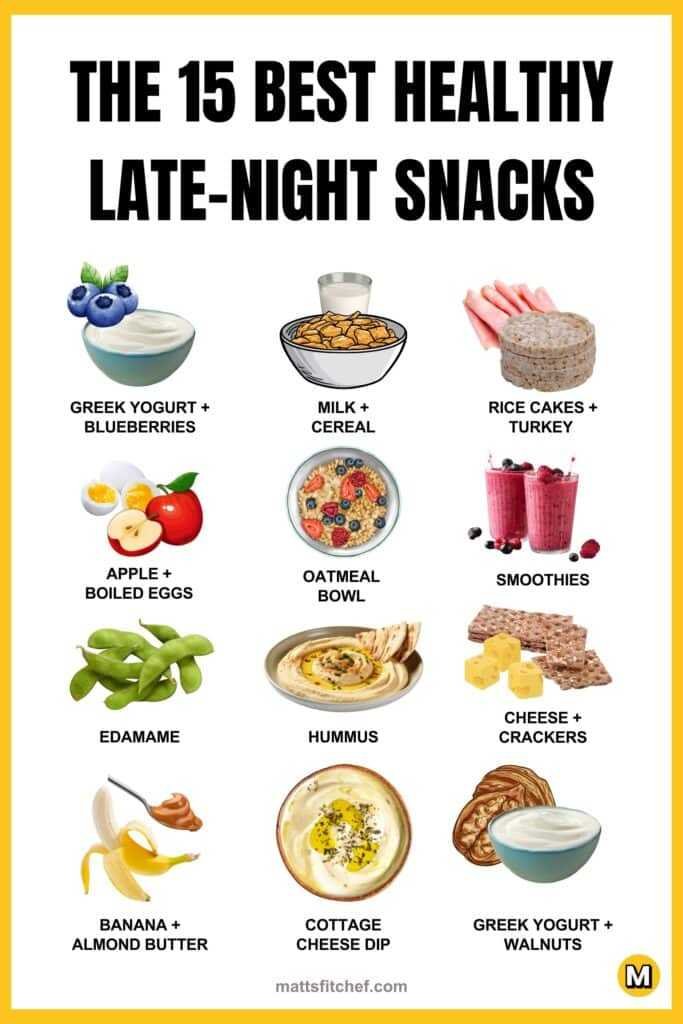
To eat light at night for better fat loss, focus on choosing small, nutritious meals that are easy to digest and avoid heavy, greasy foods. Incorporate plenty of vegetables, lean proteins, and healthy fats, and limit your intake of processed carbs and sugars. Eating earlier in the evening and controlling portion sizes can also make a big difference.
Eating light at night is key to maximizing fat loss since your body’s metabolism slows down while you sleep. By opting for wholesome, low-calorie foods and avoiding late-night snacking on junk, you can improve digestion, reduce calorie intake, and support your weight loss goals. Making conscious choices about what and when you eat in the evening can lead to noticeable results over time.
If you’re looking to shed fat more effectively, adjusting your nighttime eating habits is crucial. Small, nutrient-dense dinners that are easy on your stomach help prevent overeating and promote better sleep. So, start planning lighter, smarter evening meals to boost your fat loss journey and wake up feeling more energized and less bloated.

How to Eat Light at Night for Better Fat Loss
Eating light in the evening can significantly support your fat loss goals. When you reduce heavy, calorie-dense foods at night, your body is better able to burn stored fat instead of focusing on digestion. This approach also helps improve sleep quality, which plays a key role in weight management.
Why Eating Light at Night Matters
Our bodies are naturally wired to wind down and prepare for rest in the evening. Heavy meals can interfere with this process, leading to poor sleep and increased hunger the next day. Consuming less at night helps maintain a calorie deficit essential for fat loss.
Moreover, late-night eating often involves foods high in sugar, fats, and refined carbs, which can promote fat storage. Eating lighter ensures you avoid these pitfalls while still satisfying your hunger.
The Impact of Heavy Dinner on Fat Loss
Heavy dinners lead to prolonged digestion, which can cause discomfort and reduce sleep quality. Poor sleep can increase cravings and appetite, making it harder to stick to your weight loss plan. Limiting evening calories helps regulate hormones like leptin and ghrelin, which control hunger and fullness.
Strategies for Eating Light at Night
Implementing a few simple strategies can make night-time eating healthier and more aligned with your fat loss goals. Start by planning your evening meals to be smaller and nutrient-dense.
Focus on Lean Proteins and Vegetables
Incorporate sources of lean proteins such as chicken, turkey, fish, or plant-based options like beans and lentils. Pair these with non-starchy vegetables like spinach, broccoli, or zucchini for fiber, vitamins, and minerals. This combo keeps you full without excess calories.
Limit Carbohydrates Late in the Day
Reduce intake of refined carbs like white bread, pastries, and sugary snacks at night. Instead, choose complex carbs such as sweet potatoes, brown rice, or oats earlier in the day to fuel your activity and avoid excess storage of fat.
Mind Portion Sizes
Control your portion sizes by using smaller plates or bowls. Eating slowly and mindfully allows your brain to register fullness, preventing overeating. Remember, even healthy foods can add up if consumed in large quantities.
Timing Your Last Meal for Optimal Results
The timing of your dinner can influence your body’s ability to burn fat overnight. Aim to finish eating at least two to three hours before bedtime. This gives your body time to digest and reduces the likelihood of acid reflux or discomfort.
Consider Your Sleep Schedule
If you go to bed late, plan a light, balanced snack instead of a full meal. Good options include Greek yogurt, a handful of nuts, or a small piece of fruit combined with protein, which can stabilize blood sugar levels overnight.
Healthy Nighttime Snack Ideas
Snacking in the evening doesn’t mean overeating. Choose snacks that are low in calories but high in protein or fiber to help you stay full without excess calories.
- Greek yogurt with berries
- A boiled egg and cucumber slices
- A small handful of almonds or walnuts
- Celery sticks with natural peanut butter
- Low-fat cottage cheese with sliced tomatoes
Avoid Late-Night Temptations
Keep tempting high-calorie snacks out of reach. Instead, prepare healthy alternatives and set a cut-off time for eating. Drinking water or herbal tea can also help curb hunger cravings after dinner.
The Role of Hydration in Nighttime Fat Loss
Staying well-hydrated aids digestion and helps control hunger. Sometimes, feelings of hunger are actually signs of dehydration, so drinking water before bedtime can prevent unnecessary snacking.
Tips for Staying Hydrated
- Drink a glass of water 30 minutes before dinner
- Keep a water bottle nearby in the evening
- Opt for herbal teas that have no added sugars
Benefits of Combining Light Eating with Physical Activity
Pairing light dinners with regular exercise can boost your fat loss efforts. Physical activity helps burn calories and improves metabolism, especially when combined with mindful evening eating.
Best Times to Exercise
Working out earlier in the day or in the early evening helps regulate appetite and supports digestion. If you prefer evening workouts, try to finish at least an hour before your light dinner.
Additional Tips for Success
- Maintain consistent meal times to regulate your internal clock
- Avoid eating out of boredom or stress; find alternative activities like reading or walking
- Focus on overall daily calorie intake to support fat loss goals
- Monitor progress and adjust meal sizes or ingredients as needed
Understanding the Connection Between Sleep and Fat Loss
Getting quality sleep is crucial for effective fat loss. Light evening eating can improve sleep by preventing discomfort and stabilizing blood sugar levels.
Sleep Tips for Better Fat Loss
- Establish a relaxing bedtime routine
- Avoid screens at least 30 minutes before sleep
- Keep your sleeping environment cool and dark
- Limit caffeine and alcohol intake in the evening
Tracking Your Progress and Staying Motivated
Keeping a food journal or using tracking apps can help you stay aware of your evening eating habits. Celebrate small victories to maintain motivation on your weight loss journey.
When to Adjust Your Plan
If progress stalls, review your evening meals, portion sizes, and snack choices. Small tweaks can make a big difference in continuing your fat loss efforts.
Incorporating these habits into your routine can help you eat lighter at night and see better results in your fat loss journey. Remember, consistency and mindful choices are key to sustainable success.
Volume Eating For Fat Loss
Frequently Asked Questions
What are some healthy options to include in a light evening meal?
Opt for lean proteins like grilled chicken or fish, incorporate plenty of vegetables, and choose whole grains such as quinoa or brown rice. Avoid heavy, fried, or sugary foods that can hinder fat loss. Keeping portions moderate helps prevent overeating while providing essential nutrients.
How can I adjust my dinner timing to support fat loss?
Eat dinner at least two to three hours before bedtime to give your body enough time to digest. This helps reduce late-night cravings and prevents excess calories from being stored as fat. Consistent meal timings also regulate your metabolism and improve digestion.
What are some tips to avoid overeating at night?
Practice mindful eating by savoring each bite and paying attention to hunger cues. Use smaller plates to control portion sizes, and avoid distractions like TV or smartphones while eating. Planning your meals in advance ensures you stick to light, nutritious options and prevents impulsive, heavy snacking.
How can I incorporate more fiber into my evening meals?
Add fiber-rich foods like vegetables, legumes, and whole grains to your dinner. Fiber helps you feel full longer, reducing the likelihood of overeating later. It also supports digestion and stabilizes blood sugar levels, aiding your fat loss efforts.
What beverages should I avoid at night to support weight loss?
Limit or avoid sugary drinks, alcohol, and high-calorie beverages in the evening. Instead, opt for water, herbal teas, or infused water with fruits and herbs. Staying hydrated without added calories helps control hunger and promotes better fat metabolism.
Final Thoughts
To eat light at night for better fat loss, choose smaller portions and focus on nutrient-dense foods like vegetables and lean proteins. Avoid heavy, greasy meals that can disrupt digestion and sleep. Drinking water or herbal teas can help curb late-night cravings and prevent overeating. Staying mindful of your nighttime eating habits supports your weight loss goals and promotes overall well-being.
As an Amazon Associate, We earn from qualifying purchases. When you purchase a product through Amazon links on pulsefitguide.com, we may earn a small commission at no extra cost to you. This helps support the site and keep our content free.