

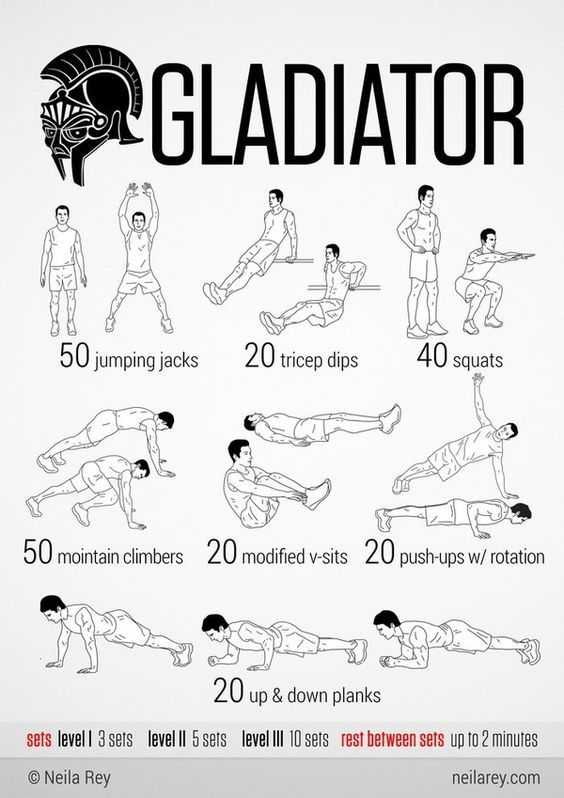
Want to stay fit at 50 without a gym? The key is using your body weight and a few simple tools to create effective workouts right at home. As we age, maintaining strength, flexibility, and energy becomes crucial, and you don’t need fancy equipment to do it. With some basic exercises and consistency, you can build a routine that keeps you active and healthy. The secret is focusing on functional movements, proper form, and making the most of what you have. Combining these elements can help you stay strong and agile, all while fitting exercise into your busy schedule. Whether you’re new to working out or getting back into it, you’ll find that exercising at 50 is entirely doable—even enjoyable—with minimal gear and a positive attitude.

How to do home workouts with minimal equipment at 50
Starting a workout routine at age 50 can be an excellent way to stay healthy and active. You don’t need a gym or lots of fancy gear to get moving at home. With just a few simple items and some motivation, you can build an effective exercise plan. This section will guide you through creating a safe and fun workout routine with minimal equipment.
Choosing the Right Equipment for Home Workouts at 50
When selecting equipment, focus on items that are versatile and easy to store. Resistance bands are lightweight, inexpensive, and perfect for many exercises. A sturdy chair can be used for support and balance during workouts. A pair of light dumbbells or even water bottles can add resistance to your routines. Remember, safety first—always pick equipment that feels comfortable and safe to use.
Essential Equipment List
- Resistance Bands: Great for strength training without weights.
- Sturdy Chair: Useful for seated exercises or stability support.
- Light Dumbbells or Water Bottles: Adds resistance; start with 1 to 3 pounds.
- Yoga Mat: Provides comfort during floor exercises.
- Step Platform or Sturdy Stool: For step-up routines and cardio.
Designing a Safe and Effective Workout Routine
At age 50, prioritizing safety is crucial. Begin with gentle warm-ups to prepare your muscles. Incorporate a mix of strength, flexibility, and balance exercises for overall health. Always listen to your body and avoid pushing into pain. Consistency and gradual progress are key for long-term benefits.
Warm-Up and Cool-Down
Start each session with 5 to 10 minutes of warm-up. Gentle marching in place, arm circles, and neck stretches help loosen muscles. Finish with cool-down stretches to improve flexibility and prevent soreness.
Sample Weekly Workout Schedule
| Day | Workout Focus | Duration |
|---|---|---|
| Monday | Strength & Balance | 30 minutes |
| Wednesday | Flexibility & Mobility | 30 minutes |
| Friday | Cardio & Endurance | 30 minutes |
Strength Training Exercises with Minimal Equipment
Strength exercises help maintain muscle mass and bone density. Focus on controlled movements to prevent injury. Here are some effective moves using minimal gear:
Bodyweight Squats
Stand with feet shoulder-width apart. Slowly bend your knees and hips, lowering your body as if sitting. Keep your back straight and knees over your toes. Return to standing and repeat.
Seated Leg Lifts
Sit on a sturdy chair. Extend one leg straight out and hold for a few seconds. Lower slowly without letting your foot touch the ground. Switch legs. This improves thigh strength and balance.
Resistance Band Rows
Secure the band around a sturdy object. Hold both ends and pull towards your chest, squeezing your shoulder blades together. Release slowly and repeat. This strengthens your upper back.
Wall Push-Ups
Stand facing a wall, place your hands on the wall at shoulder height. Bend your elbows and lean towards the wall. Push back to the starting position. Great for chest and arm muscles.
Flexibility and Balance Exercises
Flexibility helps prevent injuries and reduces stiffness. Balance exercises are vital for stability, especially as we age. Incorporate these into your routine:
Standing Quad Stretch
Hold onto a chair for support. Grab your ankle behind you and gently pull your heel towards your buttocks. Hold for 20 seconds, then switch legs.
Seated Hamstring Stretch
Sit on a chair, extend one leg straight with your heel on the floor. Lean forward slightly from your hips until you feel a stretch at the back of your thigh. Hold for 20 seconds and repeat.
Single-Leg Balance
Stand on one foot, keeping your knee slightly bent. Hold for 15 to 30 seconds. Use a chair or wall for support if needed. Switch legs. This improves stability and coordination.
Incorporating Cardio Workouts at Home
Cardio exercises boost heart health and increase stamina. Even with minimal equipment, you can get your heart rate up. Try these options:
Marching in Place
Lift your knees high and swing your arms. Keep a brisk pace for 3 to 5 minutes. Great for a gentle cardiovascular boost.
Step-Ups on a Sturdy Chair
Step up with one foot, then the other, and step back down. Repeat for 10 to 15 minutes. Use slow, controlled movements to prevent falls.
Jumping Jacks or Modified Version
If jumping is too strenuous, perform step jacks by stepping one foot out while raising your arms. Maintain a steady pace for 2 to 3 minutes.
Tips for Staying Motivated and Safe
Set realistic goals and track your progress. Exercise buddy systems, even online, can keep you engaged. Remember to stay hydrated, wear comfortable clothes, and stop if you feel dizzy or pain.
Creating a Supportive Environment
- Designate a Workout Space: Clear a small area for your exercises.
- Keep Equipment Accessible: Store gear where you can easily reach it.
- Use Online Resources: Follow beginner-friendly videos or apps suited for over 50s.
Progressing Your Workouts Over Time
As you build strength and confidence, gradually increase repetitions or resistance. Add new exercises to keep routines fresh. Listen to your body, and avoid overexertion to prevent injuries.
In Summary
Living an active life at 50 is achievable with just a few pieces of equipment and some commitment. Focus on safe movements that target strength, flexibility, and cardiovascular health. Consistency and gradual improvement will lead to better overall wellness and lasting results.
Full Body Workout Without Equipment
Frequently Asked Questions
What are simple exercises I can do at home without much equipment for improving flexibility?
You can perform stretches like hamstring stretches, calf stretches, and gentle yoga poses such as downward dog and cat-cow. These exercises increase flexibility and help reduce stiffness. Incorporate these stretches into your routine daily for best results, ensuring you hold each position for about 20-30 seconds without forcing your body.
How can I ensure my workout remains safe and effective with minimal gear at 50?
Start with low-impact movements like seated leg lifts, wall push-ups, and controlled bodyweight squats. Focus on proper form, avoid overexertion, and include warm-up and cool-down periods. Listening to your body is essential; if you feel pain or dizziness, stop and rest. Gradually increase the intensity as your strength improves.
What are some creative ways to add variety to my home workouts with limited equipment?
You can use household items such as water bottles or canned goods as weights for resistance exercises. Incorporate movements like stair climbing, step-ups on a sturdy chair, or resistance band exercises if available. Mixing different routines keeps your workouts engaging and targets various muscle groups effectively.
How often should I perform strength training exercises to see benefits at age 50?
I recommend strength training at least two to three times per week, allowing a day or two for recovery between sessions. Focus on multiple muscle groups each time, using bodyweight exercises and minimal equipment. Consistency is key to improving muscle strength and maintaining bone health over time.
What precautions should I take to avoid injuries during my home workouts at 50?
Always warm up before exercising and cool down afterward. Use proper form and avoid quick, jerky movements. If you have underlying health conditions, consult your healthcare provider before starting new exercises. Incorporate balance and stability exercises to prevent falls, and stay hydrated and listen to your body’s signals throughout your workouts.
Final Thoughts
How to do home workouts with minimal equipment at 50 offers a practical way to stay active. Use everyday items like chairs or water bottles to add resistance and variety to your exercises. Focus on bodyweight movements such as squats, lunges, and push-ups to build strength and flexibility.
Consistency is key; even short daily sessions can lead to noticeable improvements. Remember to warm up before and cool down after each workout to prevent injuries. Staying motivated and adapting routines to your fitness level ensures long-term success.
As an Amazon Associate, We earn from qualifying purchases. When you purchase a product through Amazon links on pulsefitguide.com, we may earn a small commission at no extra cost to you. This helps support the site and keep our content free.