

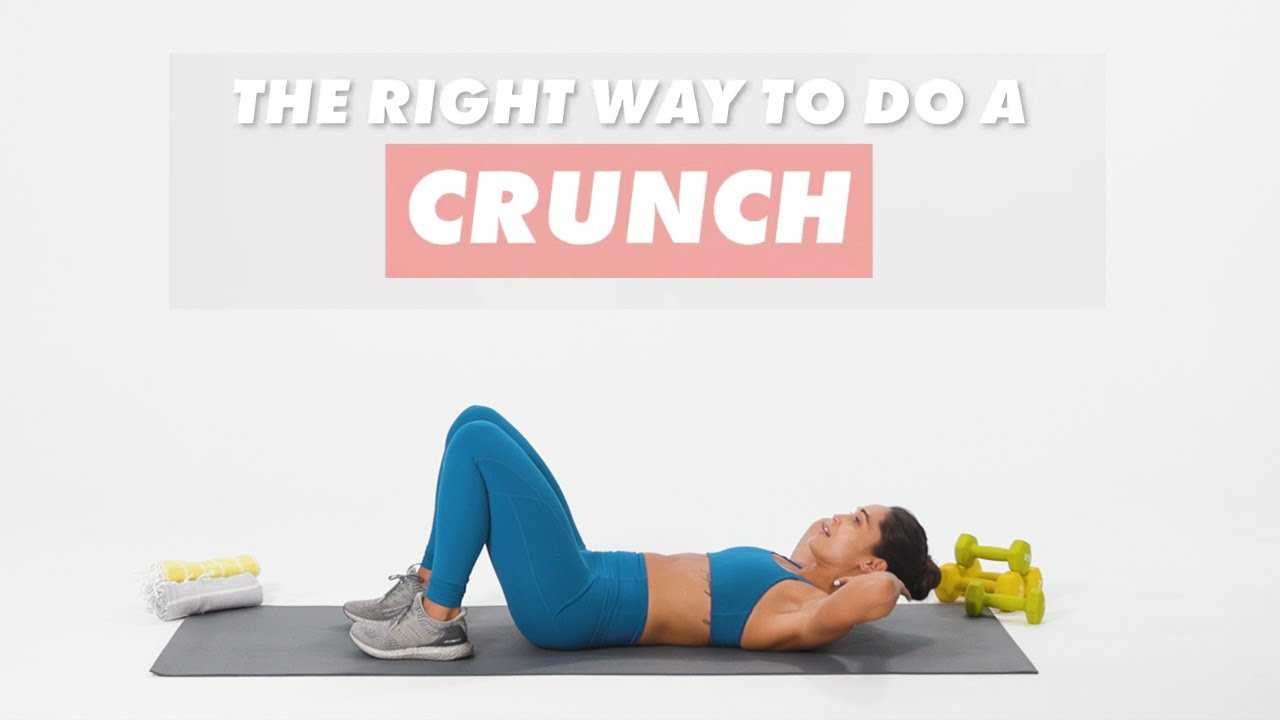
To do crunches correctly, lie on your back with knees bent, engage your core, and lift your shoulders off the ground using your abdominal muscles, then lower back down. Focus on controlled movements and proper breathing to avoid strain and maximize effectiveness. Incorporate crunches into your routine consistently for better abs and core strength.
If you want to master crunches, start by lying flat on your back with knees bent and feet flat on the floor. Place your hands behind your head or across your chest, then lift your shoulders off the ground by tightening your abdominal muscles. Exhale as you come up and inhale as you lower down. Keep your neck relaxed and avoid pulling on your head. Proper form is key to preventing injury and ensuring your abs do the work. With regular practice and mindful technique, crunches can become a powerful part of your fitness journey to a toned core.

How to Do Crunches Exercise: A Complete Guide to Effective Abdominal Workouts
Understanding the Basics of Crunches
Crunches are a popular exercise designed to strengthen and tone the abdominal muscles. They are simple to perform and require no special equipment, making them perfect for home workouts. Learning how to do crunches correctly can maximize results and reduce the risk of injury.
Why Crunches Are Important for Your Fitness Routine
Crunches target the rectus abdominis, the muscle that runs vertically along your front stomach. Strengthening this muscle can help improve posture, support your spine, and give your abdomen a firm look. Incorporating crunches into your routine can also boost core stability, which is essential for other physical activities.
Preparing for Crunches: Essential Tips and Precautions
Before starting crunches, wear comfortable clothing and a supportive mat if needed. Avoid straining your neck or back during the exercise. If you have prior health concerns or back pain, consult a doctor or fitness professional first.
Step-by-Step Instructions on How to Do Crunches Correctly
- Lie flat on your back with knees bent and feet flat on the floor, about hip-width apart.
- Place your hands lightly behind your head or across your chest, avoiding pulling on your neck.
- Engage your core muscles by tightening your abdominal area.
- Exhale as you lift your upper body off the ground, focusing on crunching your abs rather than pulling with your neck.
- Pause briefly at the top of the movement, ensuring your shoulder blades are off the ground.
- Inhale as you slowly lower your upper body back down to the starting position.
Repeat this movement for the desired number of repetitions, typically starting with 10-15 and increasing gradually.
Common Mistakes to Avoid When Doing Crunches
- Pulling on your neck: Using your hands to yank your head forward can strain your neck muscles. Keep your hands light or crossed on your chest.
- Using momentum: Avoid swinging your body upward. Focus on controlled movements to engage the abs effectively.
- Not engaging core muscles: Make sure to tighten your abdominal muscles throughout the exercise for optimal results.
- Failing to breathe properly: Remember to exhale when lifting up and inhale when lowering down.
Variations of Crunches to Target Different Abdominal Areas
Basic Crunch
This is the standard crunch described above, ideal for beginners. It primarily works the upper abdominal muscles.
Bicycle Crunches
Lie flat and lift your legs off the ground. Alternately bring opposite elbow to knee in a pedaling motion, engaging the obliques.
Reverse Crunch
Lie on your back with knees bent. Use your abs to lift your hips off the ground and bring knees toward your chest, targeting lower abs.
Oblique Crunches
Perform crunches with torso twisting slightly to one side to work the muscles on the sides of your abdomen.
Integrating Crunches into a Full-Body Workout
Crunches work best when combined with other exercises such as planks, leg raises, and cardio activities. A balanced workout plan improves overall fitness and helps you achieve a toned abdomen.
Frequency and Repetition Tips for Optimal Results
Start with 2 to 3 sets of 10-15 crunches. Gradually increase repetitions as your strength improves. Rest for 30 seconds between sets to allow muscles to recover.
Additional Tools and Equipment to Enhance Crunches
While crunches require minimal equipment, consider using:
- Ab mats: Provide extra padding and support for your back.
- Stability balls: Increase difficulty and engage core muscles more deeply.
- Resistance bands: Add resistance for increased challenge.
Experiment with these tools to keep your workouts varied and effective.
Tips for Maintaining Proper Form and Preventing Injury
Always perform warm-up exercises beforehand to prepare your muscles. Focus on slow, controlled movements. If you feel pain or discomfort, stop immediately and reassess your form or consult a professional.
Progressing Your Crunches Routine
Once you master basic crunches, increase intensity by adding leg lifts, holding the crunch position longer, or incorporating weights. Consistent progression will help you see continued improvements.
Related Topics to Consider for a Complete Fitness Plan
Explore topics like core strengthening exercises, cardio workouts, and healthy nutrition to support your abdominal development. Combining these areas leads to better results and overall health.
Integrating Crunches with Other Core Exercises
Combine crunches with planks, side planks, and leg raises for comprehensive core training. This approach develops a balanced, strong midsection, reducing the risk of injury and improving athletic performance.
Tracking Your Progress and Staying Motivated
Keep a workout journal to monitor repetitions, sets, and improvements over time. Celebrate milestones to stay motivated, and vary your routine to prevent boredom and plateaus.
Summary of Key Points for Doing Crunches Well
- Perform on a flat surface with proper form.
- Engage your core muscles throughout.
- Avoid neck strain by keeping hands light.
- Start slow and increase repetitions gradually.
- Combine crunches with other exercises and healthy habits.
By following these detailed steps and tips, you can learn how to do crunches exercise correctly and effectively. Regular practice, combined with proper technique, will lead to a stronger, more defined abdomen and overall better fitness.
Crunches Tips #abworkout #abs #sixpackabs #fitness
Frequently Asked Questions
What is the proper way to position your body during crunches to maximize effectiveness?
Lie on your back with your knees bent and feet flat on the floor, about hip-width apart. Place your hands lightly behind your head or across your chest. Keep your elbows open and avoid pulling on your neck. Engage your core muscles and lift your upper body towards your knees using your abdominal muscles. Keep your lower back pressed into the floor throughout the movement to prevent strain and ensure the focus stays on your core.
How can you ensure you’re engaging the right muscles while doing crunches?
Focus on tightening your abdominal muscles as you lift your upper body. Avoid using momentum or pulling on your neck, which can divert effort away from your core. Imagine your stomach pulling inward and upward as you curl up. Pause briefly at the top of the movement to maximize muscle engagement before lowering yourself back down slowly. Consistent focus on muscle activation helps target the intended area effectively.
What are some common mistakes to avoid during crunches?
Many people tend to pull on their neck or head, which can cause strain or injury. Another mistake involves using momentum instead of controlled muscle activation, leading to ineffective workouts. Failing to keep the lower back pressed against the floor reduces core engagement. To prevent these issues, maintain a slow, controlled motion, keep your hands gently supporting your head without squeezing or pulling, and focus on engaging your abdominal muscles rather than your neck or hip flexors.
Should I incorporate breathing techniques while performing crunches?
Yes, proper breathing enhances core activation and stability. Inhale deeply as you lower your upper body back to the starting position, and exhale slowly as you lift your torso towards your knees. Coordinate your breath with your movement to maintain a steady rhythm. Avoid holding your breath, which can increase intra-abdominal pressure and cause unnecessary tension. Controlled breathing also helps improve endurance and focus during your exercise.
How many repetitions and sets are recommended for beginners doing crunches?
Start with 2 to 3 sets of 10 to 15 repetitions. Focus on maintaining proper form and controlled movement rather than speed or quantity. As your strength and endurance improve, gradually increase the number of repetitions or add additional sets. Remember to rest briefly between sets to allow your muscles to recover. Consistency over time will help you develop your core effectively without risking injury.
Final Thoughts
To do crunches exercise effectively, lie on your back with knees bent and feet flat on the ground. Place your hands behind your head or across your chest. Engage your core and lift your upper body toward your knees, then lower slowly. Keep your movements controlled to maximize benefits. Practicing proper form helps prevent injury and builds abdominal strength.
As an Amazon Associate, We earn from qualifying purchases. When you purchase a product through Amazon links on pulsefitguide.com, we may earn a small commission at no extra cost to you. This helps support the site and keep our content free.