

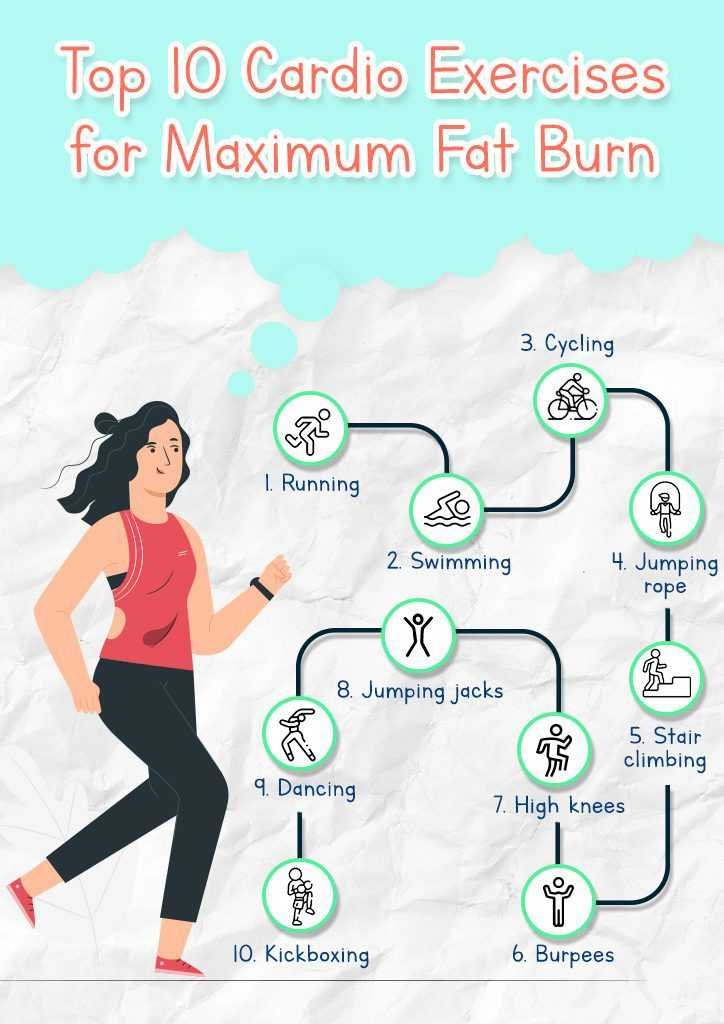
To maximize fat burn during cardio workouts, focus on high-intensity intervals, incorporate varying speeds, and maintain a consistent pace that pushes your limits without overexertion. These strategies boost your calorie burn and keep your metabolism elevated even after exercise.
In a nutshell, the key to effective fat-burning cardio is combining interval training with steady-state sessions, ensuring you’re challenging yourself while allowing recovery. Incorporate a mix of running, cycling, or jump rope, alternating between high and low intensities to optimize results. Staying consistent and progressively increasing intensity will help you shed fat faster and achieve better fitness.
Getting the most out of your cardio workouts doesn’t mean spending hours on the treadmill; it’s about working smarter. Engage in short, intense bursts of activity followed by brief recovery periods, and vary your routine to prevent plateaus. The right approach will torch calories, boost your metabolism, and help you reach your fat loss goals more efficiently.

How to do cardio workouts that maximize fat burn
Understanding the Science Behind Cardio and Fat Burning
Cardio exercises help your body burn calories and fat by increasing your heart rate. When you engage in cardio, your body burns stored fat as a primary source of energy, especially during sustained efforts. Knowing how your body processes fat during exercise can help you plan workouts that maximize fat loss.
During moderate-intensity cardio, your body primarily uses fat as fuel. In contrast, high-intensity workouts rely more on carbohydrates for energy. However, intense sessions can increase overall calorie burn, which over time leads to greater fat loss. Balancing intensity and duration allows you to optimize fat burning.
Understanding your target heart rate zone is key. The ideal fat-burning zone is usually 50-70% of your maximum heart rate. To calculate your maximum heart rate, subtract your age from 220. Staying within this zone ensures your body efficiently burns fat without overexertion.
Choosing the Right Cardio Exercises for Fat Loss
Not all cardio workouts are equal for fat burning. Some exercises are more effective because they engage large muscle groups and allow for longer sessions. Here are some popular options:
- Running or Jogging: Great for burning high calories and improving cardiovascular health.
- Cycling: Low-impact option that can be done outdoors or on a stationary bike.
- Jump Rope: An inexpensive, high-intensity workout that burns calories fast.
- Swimming: Low-impact and full-body exercise perfect for those with joint issues.
- Rowing: Combines cardio with strength training, targeting multiple muscle groups.
Incorporating variety keeps your workouts interesting and prevents plateaus. Mix moderate and high-intensity sessions across different activities to continuously challenge your body.
Structuring Your Cardio Workouts for Maximum Fat Burn
Effective fat-burning workouts include different training styles. Here are some proven structures:
Steady-State Cardio
This involves maintaining a consistent moderate pace for a set period, typically 30 to 60 minutes. It’s ideal for beginners and helps build endurance. To maximize fat loss, keep your heart rate within the fat-burning zone.
High-Intensity Interval Training (HIIT)
HIIT alternates short bursts of high-intensity effort with recovery periods. For example, sprint for 30 seconds, then walk for 60 seconds. Repeat this cycle multiple times. HIIT boosts metabolism and burns more calories in less time compared to steady-state cardio.
Fartlek Training
Fartlek, meaning “speed play” in Swedish, mixes steady-state and interval training. You randomly switch between fast and slow paces during your workout. This approach improves both endurance and fat burning efficiency.
Determining Workout Duration and Frequency
To see significant fat reduction, aim for at least 150 minutes of moderate-intensity cardio weekly. This can be broken into 30-minute sessions, five days a week. Alternatively, shorter, more intense workouts should be done three times weekly.
Longer sessions can help burn more calories, but shorter, intense workouts may be more time-efficient. Consistency is vital, so find a schedule that fits your lifestyle to stay committed.
Monitoring Intensity and Progress
Using a heart rate monitor helps keep your effort within the optimal fat-burning range. Regularly tracking your heart rate ensures you don’t workout too hard or too easy.
Another method is the Rate of Perceived Exertion (RPE). Aim for a 5 or 6 on a scale of 1 to 10 during moderate cardio. During high-intensity intervals, RPE should increase to 8 or 9.
Progressively increasing workout intensity or duration avoids plateaus. For example, gradually add more minutes or increase the speed or resistance you use.
Incorporating Nutrition and Recovery
Your diet plays a significant role in maximizing fat burn during cardio workouts. Consuming a balanced meal with healthy carbs and proteins a couple of hours before exercise fuels your session. Post-workout, eating protein helps repair muscles and boosts recovery.
Stay hydrated before, during, and after workouts. Proper hydration maintains performance and prevents fatigue. Avoid heavy meals immediately before cardio to prevent discomfort.
Rest days are essential for recovery and preventing injury. Incorporate active recovery, like light walking or stretching, into your routine to stay active without overtraining.
Tracking Your Progress and Staying Motivated
Keep a workout journal or use apps to log your sessions. Tracking helps you identify progress and adjust your routine accordingly. Celebrate milestones to stay motivated and committed to your fat-burning goals.
Set realistic, achievable targets, such as increasing workout duration or intensity gradually. Joining group classes or exercising with friends can make workouts more enjoyable and boost accountability.
Using fitness technology like wearable devices provides real-time feedback on your heart rate and calories burned. These tools can help you stay focused and motivated on your journey.
Common Mistakes to Avoid
Overtraining can lead to fatigue, injury, and setbacks. Balance intense workouts with adequate rest. Also, avoid neglecting warm-up and cool-down routines, which prevent injuries and aid recovery.
Skipping proper nutrition or underestimating the importance of hydration can impair performance. Focus on a healthy diet that supports your activity levels.
Finally, choose exercises you enjoy. Consistency beats intensity when it comes to long-term fat loss. Find activities that excite you to maintain your routine and see lasting results.
The BEST CARDIO ROUTINE TO LOSE FAT
Frequently Asked Questions
What is the most effective way to structure a cardio workout for fat loss?
Design your cardio sessions with a combination of moderate and high-intensity intervals. Start with a warm-up, then alternate between periods of high effort and recovery phases. For example, sprint for 30 seconds, then walk for 60 seconds. This approach boosts calorie burn and keeps your metabolism elevated even after finishing the workout. Keep sessions around 30 to 45 minutes to optimize fat burning without overtraining.
How can I ensure I stay in the fat-burning zone during my workout?
Use a heart rate monitor to stay within 50-70% of your maximum heart rate, which is the optimal range for fat burning. To determine your target zone, subtract your age from 220 to find your maximum heart rate, then calculate 50-70% of that number. Maintaining your effort within this zone allows your body to utilize fat as the primary fuel source effectively.
Should I incorporate variety into my cardio routine to maximize fat loss?
Yes, varying your cardio workouts prevents plateaus and keeps you motivated. Mix activities such as running, cycling, swimming, or brisk walking throughout the week. Changing intensity levels and workout styles ensures different muscle groups are engaged and enhances overall fat burning. Incorporate both steady-state and interval sessions to achieve balanced progress.
How important is recovery time between cardio sessions for fat loss?
Recovery time allows your muscles to repair and prevents overtraining, which can lead to injury or burnout. Plan rest or low-intensity days between high-intensity workouts to give your body a chance to recover and adapt. Proper recovery ensures you can maintain consistent effort over time, leading to better fat loss results.
Can combining strength training with cardio improve my fat-burning results?
Integrating strength training into your routine complements your cardio workouts by building lean muscle mass. More muscle increases your resting metabolism, which helps you burn more calories even when not exercising. Combining both methods creates a comprehensive approach to fat loss, improving overall body composition and fitness levels.
Final Thoughts
How to do cardio workouts that maximize fat burn involves maintaining a steady pace and varying intensity. Focus on activities like running, cycling, or swimming, which keep your heart rate elevated. Incorporate interval training to boost calorie burn and promote fat loss.
Consistency is key; aim for at least 30 minutes of moderate-intensity exercise most days. Stay hydrated and listen to your body to avoid overtraining. Following these tips helps you effectively maximize fat burn during cardio workouts.
As an Amazon Associate, We earn from qualifying purchases. When you purchase a product through Amazon links on pulsefitguide.com, we may earn a small commission at no extra cost to you. This helps support the site and keep our content free.