
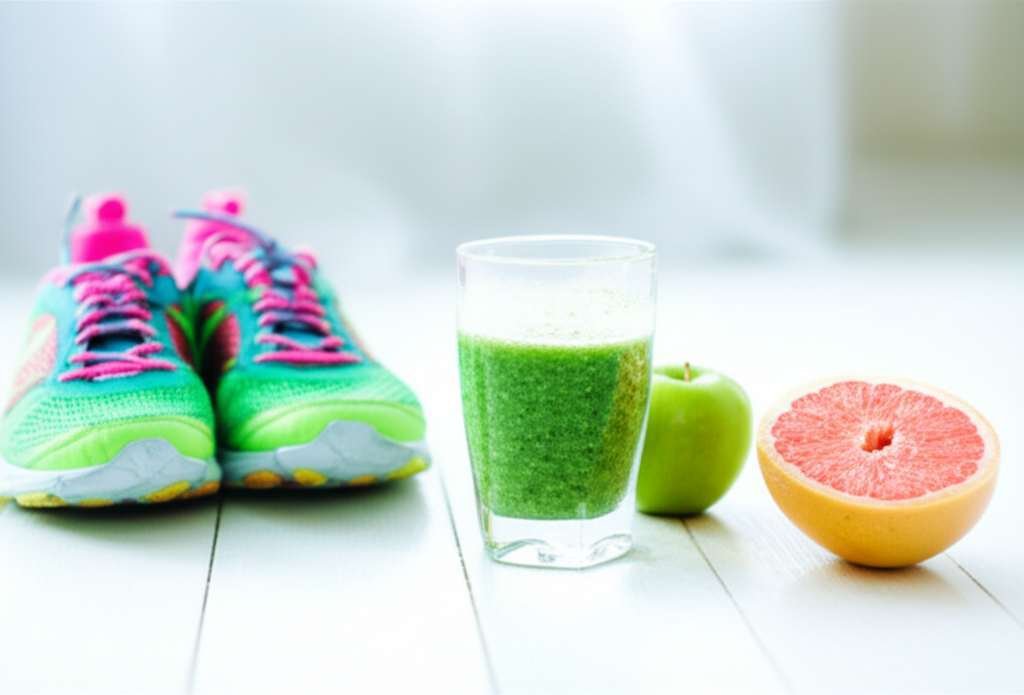
Burn fat effectively with a simple, science-backed approach focusing on diet, exercise, and lifestyle habits for noticeable results. This guide offers practical steps for beginners to achieve sustainable fat loss without confusion.
Feeling confused about how to start burning fat? You’re not alone. Many people find the world of weight loss overwhelming with conflicting advice. It can feel like a puzzle with missing pieces, leaving you frustrated and unsure where to begin.

But what if I told you it doesn’t have to be complicated? As your guide, I’m here to break down the science into simple, actionable steps. We’ll focus on what truly works, helping you build healthy habits that lead to amazing results you can see and feel.
Get ready to understand the ‘how’ behind fat burning and start your journey with confidence. We’ll cover the essential pillars of fat loss, making it achievable for anyone, no matter where you’re starting from.
Understanding the Basics: How Does Fat Burning Actually Work?
Before we dive into the ‘how,’ let’s quickly understand what ‘burning fat’ means. When we talk about burning fat, we’re referring to our body using stored fat for energy. This happens when we consume fewer calories than our body needs, creating what’s called a calorie deficit. Your body then taps into its fat reserves to make up the difference.
Think of your body like a car. It needs fuel (calories) to run. If you give it just enough fuel, it uses what you eat. If you give it less fuel than it needs for its daily tasks, it has to find fuel elsewhere – and that’s where stored fat comes in. This is the fundamental principle behind losing body fat.
This process isn’t about magically making fat disappear overnight. It’s a gradual, consistent effort that involves making smart choices about what you eat and how you move. We’ll explore these choices in detail.
Pillar 1: Nutrition – Fueling Your Fat Burn
Nutrition is arguably the most crucial piece of the fat-burning puzzle. What you eat directly impacts your calorie intake and your body’s ability to use stored fat for energy. It’s not about deprivation; it’s about making smarter, nutrient-dense choices.
The goal is to create a sustainable calorie deficit while ensuring your body gets the vitamins, minerals, and energy it needs to function optimally. This means focusing on whole foods that keep you feeling full and satisfied, rather than processed foods that can lead to energy crashes and cravings.
Creating a Calorie Deficit: The Science Made Simple
As mentioned, a calorie deficit is key. You need to consume fewer calories than your body burns. But how do you figure this out? It’s not about starving yourself; it’s about a moderate reduction.
A good starting point is to aim for a deficit of around 500 calories per day. This can lead to about one pound of fat loss per week, which is a healthy and sustainable rate. You can estimate your daily calorie needs using online calculators, but remember these are just estimates.
You can achieve this deficit by slightly reducing your food intake and slightly increasing your activity levels. For example, cutting out a sugary drink and adding a short walk can make a significant difference over time. For more information on estimating calorie needs, the U.S. Department of Health and Human Services offers resources on healthy eating.
What to Eat for Fat Burning
Focus on foods that are nutrient-dense and satisfying. These foods tend to be lower in calories but high in volume, fiber, and protein, helping you feel full longer.
- Lean Proteins: Chicken breast, turkey, fish, beans, lentils, tofu, and eggs. Protein helps build muscle (which burns more calories) and keeps you feeling full.
- Healthy Fats: Avocados, nuts, seeds, and olive oil. These are important for hormone production and can help with satiety, but consume them in moderation as they are calorie-dense.
- Complex Carbohydrates: Whole grains (oats, brown rice, quinoa), fruits, and vegetables. These provide sustained energy and fiber, aiding digestion and fullness.
- Plenty of Vegetables: Load up on non-starchy vegetables like broccoli, spinach, bell peppers, and leafy greens. They are low in calories and packed with nutrients.
Foods to Limit or Avoid
These foods often contribute excess calories without much nutritional value, making it harder to create a deficit and leading to energy spikes and crashes.
- Sugary Drinks: Sodas, juices, and sweetened coffees/teas. These are empty calories that don’t satisfy hunger.
- Processed Snacks: Chips, cookies, pastries, and candy. They are typically high in sugar, unhealthy fats, and sodium.
- Refined Grains: White bread, white pasta, and white rice. They lack fiber and can cause blood sugar spikes.
- Excessive Saturated and Trans Fats: Found in fried foods, fatty meats, and many convenience foods.
Hydration: The Unsung Hero
Drinking enough water is incredibly important for fat burning. Water helps boost your metabolism, aids in digestion, and can even help you feel fuller, reducing overall calorie intake. Aim for at least 8 glasses (about 2 liters) of water per day, more if you’re exercising or it’s hot.
Sometimes, thirst can be mistaken for hunger. Staying well-hydrated can help prevent unnecessary snacking. Try carrying a water bottle with you throughout the day as a constant reminder to sip.
Pillar 2: Exercise – Igniting Your Metabolism
While nutrition is king for fat loss, exercise is the powerful ally that accelerates the process and improves your overall health. Exercise helps you burn more calories, builds muscle mass, and boosts your mood, making the fat-loss journey more enjoyable and effective.
The best exercise plan for fat burning combines cardiovascular activity (cardio) with strength training. Cardio helps you burn calories during the workout, while strength training builds muscle that continues to burn calories even at rest. Don’t worry if you’re a beginner; we’ll start with simple, accessible options.
Cardiovascular Exercise (Cardio)
Cardio exercises get your heart rate up and burn calories. Aim for at least 150 minutes of moderate-intensity or 75 minutes of vigorous-intensity cardio per week, spread throughout the week.
- Moderate-Intensity: You can talk, but not sing. Examples include brisk walking, cycling on flat terrain, or dancing.
- Vigorous-Intensity: You can only speak a few words at a time. Examples include running, swimming laps, or high-intensity interval training (HIIT).
Beginner Cardio Ideas:
- Brisk Walking: Start with 30-minute walks most days of the week. You can gradually increase the duration or intensity.
- Cycling: A stationary bike or outdoor cycling at a comfortable pace is a great low-impact option.
- Dancing: Put on your favorite music and dance! It’s fun and a great calorie burner.
- Swimming: Excellent for a full-body workout with minimal joint impact.
Strength Training
Strength training, also known as resistance training, is crucial for building muscle mass. More muscle means a higher resting metabolic rate, meaning your body burns more calories even when you’re not exercising. This is vital for long-term fat loss and body composition changes.
You don’t need fancy gym equipment to start. You can use your own body weight, resistance bands, or dumbbells. Aim to work all major muscle groups at least two days a week.
Beginner Strength Training Exercises (Bodyweight):
- Squats: Works your legs and glutes.
- Push-ups: Works your chest, shoulders, and triceps. (Can be done on your knees if regular push-ups are too difficult.)
- Lunges: Works your legs and glutes.
- Plank: Works your core muscles.
- Glute Bridges: Works your glutes and hamstrings.
Start with 2-3 sets of 8-12 repetitions for each exercise. Focus on proper form to prevent injuries. You can find many helpful videos online demonstrating proper form for these exercises.
High-Intensity Interval Training (HIIT)
HIIT involves short bursts of intense exercise followed by brief recovery periods. It’s highly effective for burning calories in a shorter amount of time and can boost your metabolism for hours after your workout (the “afterburn effect”).
Example HIIT Workout (for beginners):
- Warm-up: 5 minutes of light cardio (e.g., jogging in place, jumping jacks).
- Work Interval: 30 seconds of high-intensity exercise (e.g., burpees, high knees, fast cycling).
- Rest Interval: 60 seconds of rest or very light activity.
- Repeat steps 2 and 3 for 8-10 rounds.
- Cool-down: 5 minutes of stretching.
Important Note: HIIT is intense. It’s best to build a base level of fitness with moderate cardio and basic strength training before incorporating HIIT regularly. Listen to your body and start slowly.
Pillar 3: Lifestyle Habits – The Foundation for Success
Beyond diet and exercise, certain lifestyle habits play a significant role in your body’s ability to burn fat and maintain a healthy weight. These are the often-overlooked factors that can make or break your progress.
Focusing on these areas creates an environment in your body that is more conducive to fat loss and overall well-being. They support your efforts in the gym and kitchen, making the entire process smoother and more sustainable.
Sleep: Your Body’s Recovery and Repair Time
Getting enough quality sleep is crucial for fat loss. When you don’t sleep enough, your body produces more cortisol, a stress hormone that can promote fat storage, especially around the abdomen. Lack of sleep also affects hormones that regulate appetite, leading to increased hunger and cravings for unhealthy foods.
Aim for 7-9 hours of quality sleep per night. Create a relaxing bedtime routine, avoid screens before bed, and try to maintain a consistent sleep schedule, even on weekends. For more information on sleep hygiene, the National Sleep Foundation offers excellent resources.
Stress Management: Finding Your Calm
Chronic stress can sabotage your fat loss efforts. High stress levels lead to increased cortisol, which, as mentioned, can encourage fat storage. Stress can also lead to emotional eating, where you turn to food for comfort.
Find healthy ways to manage stress that work for you. This could include:
- Mindfulness or meditation
- Deep breathing exercises
- Yoga or gentle stretching
- Spending time in nature
- Engaging in hobbies you enjoy
- Talking to a friend or therapist
Identifying your stressors and developing coping mechanisms is a powerful tool for sustainable fat loss.
Consistency is Key
This is perhaps the most important lifestyle habit. Fat loss is a journey, not a race. You won’t see dramatic results overnight, and that’s perfectly okay. The key is to be consistent with your healthy eating, exercise, and lifestyle choices day after day, week after week.
Don’t get discouraged by occasional slip-ups. Everyone has them! The important thing is to acknowledge it, learn from it, and get back on track with your next meal or workout. Celebrate small victories along the way to stay motivated.
Putting It All Together: Your Step-by-Step Plan
Now that we’ve covered the pillars, let’s put them into a simple, actionable plan you can start today. Remember, this is about progress, not perfection.
Step 1: Assess Your Starting Point
Before making big changes, understand where you are. You don’t need to obsess over numbers, but a general idea can be helpful.
- Your Current Habits: What do you typically eat in a day? How active are you?
- Your Goals: What do you hope to achieve? Be specific (e.g., “lose 5 pounds in 2 months,” “feel more energetic”).
- Your Motivation: Why is this important to you? Write it down.
Step 2: Make Small, Sustainable Nutrition Changes
Don’t try to overhaul your entire diet at once. Start with one or two easy changes.
- Add More Water: Make it a goal to drink 2 liters of water daily.
- Include a Vegetable with Every Meal: Start small, maybe just one serving.
- Swap Sugary Drinks for Water: This is a big calorie saver.
- Choose Whole Grains: Switch white bread for whole wheat, or white rice for brown rice.
Step 3: Start Moving Consistently
Begin with activities you enjoy and can stick with.
- Aim for 30 Minutes of Brisk Walking, 3-4 times a week.
- Incorporate 2 Days of Beginner Strength Training (bodyweight exercises).
- Focus on form and gradually increase duration or intensity.
Step 4: Prioritize Sleep and Stress Management
Integrate these into your daily routine.
- Set a consistent bedtime.
- Practice a 5-minute deep breathing exercise daily.
- Try to disconnect from screens an hour before bed.
Step 5: Track Your Progress and Adjust
Monitor how you feel and what’s working. You don’t need to weigh yourself daily.
- How are your clothes fitting?
- Do you have more energy?
- Are you sleeping better?
- Are you enjoying your food and workouts?
If something isn’t working, don’t be afraid to adjust. Maybe you need to try a different type of exercise or tweak your meal plan. This is your journey, and it should feel manageable.
Tools and Resources to Aid Your Journey
While not strictly necessary, a few tools can make tracking and planning easier. Remember, the most important tool is your commitment!
| Tool/Resource | How It Helps | Example |
|---|---|---|
| Calorie Tracking Apps | Help you understand your food intake and ensure a calorie deficit. | MyFitnessPal, Lose It! |
| Fitness Trackers/Smartwatches | Monitor activity levels, heart rate, and sleep patterns. | Fitbit, Apple Watch, Garmin |
| Recipe Websites/Blogs | Provide healthy, delicious meal ideas. | Budget Bytes, EatingWell, Skinnytaste |
| Workout Apps/Videos | Offer guided exercises and workout routines. | Nike Training Club, YouTube channels (e.g., Fitness Blender, Chloe Ting) |
| Water Bottles | Encourage consistent hydration throughout the day. | Any reusable water bottle with volume markings. |
When using calorie tracking apps, remember that the numbers are estimates. Focus on the overall pattern and the quality of your food choices rather than striving for perfect tracking every single day.
Frequently Asked Questions (FAQ)
Q1: How quickly can I expect to see results?
Results vary for everyone, but with consistent effort, you might start noticing changes in how your clothes fit or increased energy levels within 2-4 weeks. Significant visual changes typically take a few months of dedicated habits.
Q2: Do I need to cut out all my favorite foods?
No! Sustainable fat loss is about balance. You can enjoy your favorite foods in moderation. The key is to plan for them and ensure they fit within your overall healthy eating pattern, rather than indulging excessively.
Q3: What if I have a busy schedule and can’t exercise for long?
Even short bursts of activity help! Try incorporating 10-15 minute walks during your breaks, doing bodyweight exercises for 20 minutes at home, or opting for High-Intensity Interval Training (HIIT) if your fitness level allows. Consistency with shorter workouts is better than no workout at all.
Q4: I’m not seeing the scale move, but I feel better. What’s happening?
This is common, especially when you start strength training. Muscle is denser than fat, so you might be losing fat but gaining a little muscle, which can keep the scale steady. Focus on non-scale victories like improved energy, better sleep, clothes fitting looser, and increased strength.
Q5: Is it okay to eat late at night?
It’s less about when you eat and more about what and how much you eat. If you’re still within your daily calorie goals and choosing nutritious options, eating late is generally fine. However, avoid heavy, processed meals close to bedtime, as they can disrupt sleep.
Q6: How much protein do I need for fat loss?
Protein is excellent for satiety and muscle preservation. A general recommendation is to aim for around 0.7 to 1 gram of protein per pound of body weight (or 1.6 to 2.2 grams per kilogram). Distribute protein intake throughout the day.
Q7: Can I burn fat without going to the gym?
Absolutely! You can burn fat effectively with home-based workouts using bodyweight exercises, resistance bands, or light dumbbells. Walking, jogging, cycling outdoors, and home-based fitness videos are all great options for burning fat without a gym membership.
Conclusion: Your Journey to a Healthier You
Embarking on a fat-burning journey might seem daunting, but by focusing on the core principles of nutrition, exercise, and healthy lifestyle habits, you can achieve amazing results. Remember that consistency, patience, and self-compassion are your greatest allies.
Start with small, manageable changes. Celebrate every win, no matter how small. Listen to your body, stay hydrated, get enough sleep, and manage your stress. These habits will not only help you burn fat but also build a foundation for long-term health and well-being.
You have the power to transform your health. This guide has provided you with the knowledge and a clear path forward. Trust the process, stay committed, and enjoy the incredible journey to a fitter, healthier, and more confident you. You’ve got this!
As an Amazon Associate, We earn from qualifying purchases. When you purchase a product through Amazon links on pulsefitguide.com, we may earn a small commission at no extra cost to you. This helps support the site and keep our content free.