

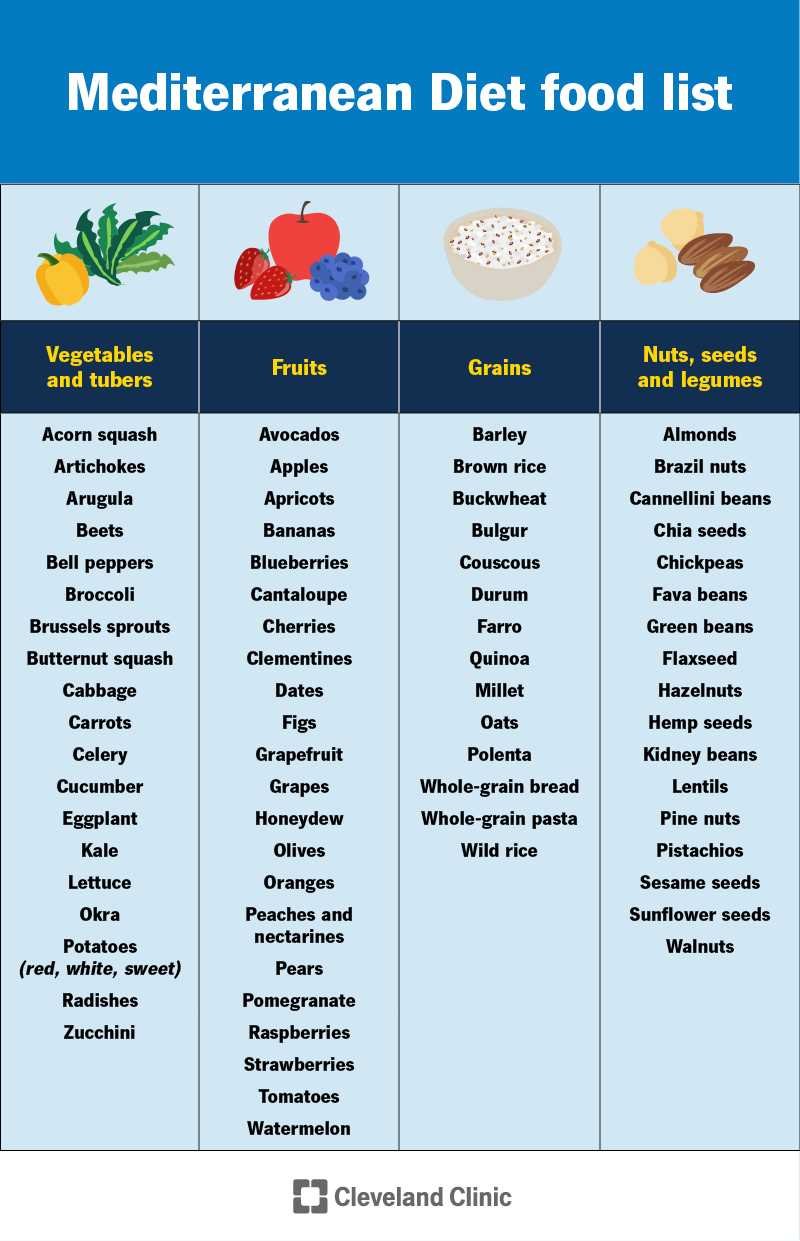
To create an effective grocery list for weight loss meals, start by planning your meals around whole, nutrient-dense foods like vegetables, lean proteins, and healthy fats. Focus on listing only the ingredients you need to avoid impulse buys, and prioritize items that support your calorie and macronutrient goals. This way, you’ll stay on track and make healthier choices easier.
Creating a grocery list for weight loss meals doesn’t have to be complicated. Begin by planning your weekly menu with balanced, nutritious foods, then list only the essentials needed for those recipes. Keep your list organized by food groups, and stick to it to resist temptations. With a clear plan, you’ll find it easier to maintain your weight loss journey and enjoy tasty, wholesome meals.
When it comes to losing weight, having a well-organized grocery list is a game changer. It helps you stay focused on healthy options, reduces accidental junk food purchases, and saves time and money. By planning your meals ahead of time and sticking to a structured list, you can make smarter choices at the store and set yourself up for success in achieving your weight loss goals.

How to Create a Grocery List for Weight Loss Meals
Creating a grocery list tailored for weight loss can seem overwhelming at first. However, with a clear plan, you can make shopping easier and ensure you choose foods that help you reach your goals. This guide will help you understand the steps to build an effective grocery list for healthy, weight-loss-friendly meals.
Understanding Your Nutritional Needs
Before making your list, it’s important to grasp what nutrients support weight loss. Focus on foods rich in fiber, lean proteins, healthy fats, and low in added sugars and processed ingredients. These nutrients help keep you full longer and prevent overeating.
Key Nutrients for Weight Loss
- Protein: Builds muscles and increases satiety. Examples include chicken, fish, eggs, and beans.
- Fiber: Promotes digestion and keeps you feeling full. Found in vegetables, fruits, oats, and legumes.
- Healthy Fats: Support overall health and help curb hunger. Sources include avocados, nuts, and olive oil.
- Vitamins and Minerals: Keep your body functioning well. Incorporate a variety of colorful vegetables and fruits.
Planning Your Meals for Effective Shopping
Knowing what meals you want to prepare saves time and keeps your shopping focused. Decide on breakfast, lunch, dinner, and snacks beforehand. This helps you avoid impulse buys and stay aligned with your weight loss plan.
Creating a Weekly Meal Plan
– Breakfast options like oatmeal, scrambled eggs, or smoothies.
– Lunch ideas including salads, wraps, or lean protein bowls.
– Dinner choices such as grilled chicken with vegetables or fish with rice.
– Healthy snacks like yogurt, nuts, or fresh fruit.
Writing down your meal plan makes it easier to list only the ingredients you’ll need.
Essential Categories for Your Grocery List
Organize your list into categories to make shopping more efficient. Here’s a helpful breakdown:
Proteins
Include options that are low in fat and high in nutrients.
- Chicken breast
- Turkey
- Eggs and egg whites
- Fish such as salmon, cod, or tilapia
- Legumes like lentils and chickpeas
Vegetables
Aim for a colorful variety to maximize nutrient intake.
- Leafy greens: spinach, kale, lettuce
- Cruciferous vegetables: broccoli, cauliflower, Brussels sprouts
- Other vegetables: bell peppers, zucchini, carrots
Fruits
Choose fresh or frozen options to add natural sweetness.
- Blueberries, strawberries, and raspberries
- Apples and pears
- Bananas and oranges
Whole Grains
Help maintain energy levels and keep you full.
- Brown rice
- Quinoa
- Oats and oatmeal
- Whole wheat bread and pasta
Healthy Fats
Support hormone function and brain health.
- Avocados
- Nuts: almonds, walnuts
- Seeds: chia, flaxseed
- Olive oil or coconut oil
Dairy and Dairy Alternatives
Opt for low-fat or unsweetened versions.
- Greek yogurt
- Skim milk or plant-based alternatives like almond or soy milk
- Low-fat cheese
Tips for Creating a Practical Grocery List
A well-organized list helps you stick to your plan and avoid unnecessary purchases. Keep these tips in mind:
Be Specific
Write exact quantities, such as “2 pounds chicken breast” or “1 bag frozen berries,” to prevent overspending.
Use Categories
Grouping foods makes for faster shopping and reduces the chance of forgetting essentials.
Include Healthy Snacks
Snacks prevent hunger between meals. Examples include nuts, fresh fruits, and low-fat yogurt.
Plan for Convenience
Choose pre-cut vegetables or frozen options to save time and ensure you always have healthy ingredients ready.
Smart Shopping Strategies
Efficient shopping can help you stay on track and make healthier choices.
Stick to Your List
Avoid impulse buys by sticking to your prepared list, especially for processed snacks and sugary drinks.
Shop the Perimeter
Most fresh and healthy foods are located around the store’s edges—produce, dairy, and meat sections.
Compare Labels
Check nutrition labels for added sugars, unhealthy fats, and sodium. Opt for items with cleaner ingredients.
Buy in Bulk When Possible
Purchasing staples like grains, nuts, and frozen foods in bulk saves money and ensures you always have healthy options on hand.
Adapting Your Grocery List Over Time
As you progress toward your weight-loss goals, adjust your list accordingly. Introduce new healthy recipes and eliminate foods that don’t serve your purpose. Flexibility helps maintain motivation and ensures ongoing success.
Additional Tips for Success
– Keep your list visible or accessible while shopping.
– Prepare your list based on weekly meals to avoid last-minute additions.
– Use apps or shopping list templates to stay organized.
– Regularly review and update your list to reflect preferences and progress.
Crafting a grocery list tailored for weight loss involves understanding your nutritional needs, planning meals thoughtfully, organizing your shopping categories, and practicing strategic shopping. With these steps, you can make healthier choices effortlessly and stay on track toward your weight loss goals.
What I Eat In A Day | How I Get 130 grams of protein for healthy weight loss.
Frequently Asked Questions
How do I determine which food items to include in my grocery list for weight loss?<\/h3>
Start by focusing on nutrient-dense foods such as vegetables, fruits, lean proteins, and whole grains. Prioritize items that are low in added sugars and unhealthy fats. Consider your meal plan and select ingredients that support your calorie goals and dietary preferences. Review recipes or meal ideas beforehand to ensure your grocery list covers all necessary components for balanced, satisfying meals that promote weight loss.<\/p>
What strategies can I use to organize my grocery list effectively?<\/h3>
Divide your grocery list into categories like produce, proteins, grains, dairy, and snacks. This organization helps save time while shopping and ensures you don’t forget essential items. Use bullet points or digital apps to keep the list clear and accessible. Additionally, check your pantry and fridge before shopping to avoid buying items you already have, reducing waste and saving money.<\/p>
How can I plan my grocery shopping to avoid impulsive purchases?<\/h3>
Create a detailed list based on your weekly meal plan and stick to it during shopping. Set a budget beforehand to limit overspending. Shopping on a full stomach helps prevent impulse buys driven by hunger. Avoid shopping when distracted or rushed, and stick to the items on your list to stay aligned with your weight loss goals.<\/p>
What are some common mistakes to avoid when making a grocery list for weight loss meals?<\/h3>
Avoid creating a list without a clear meal plan, which can lead to purchasing unnecessary or unhealthy items. Don’t forget to include a variety of foods to prevent nutritional deficiencies. Also, steer clear of lists that focus solely on low-calorie options without considering satiety or flavor, as this can make healthy eating difficult to maintain. Finally, refrain from shopping without checking your pantry and fridge to prevent duplicate purchases.<\/p>
Final Thoughts
Creating a grocery list for weight loss meals involves planning ahead and choosing nutrient-dense ingredients. Focus on fresh vegetables, lean proteins, and healthy fats to support your goals. Avoid processed foods and high-sugar snacks to stay on track. Always review your meal plan to ensure your list covers everything needed for balanced, satisfying meals. With a clear strategy, you can make shopping quick, efficient, and aligned with your weight loss journey.
As an Amazon Associate, We earn from qualifying purchases. When you purchase a product through Amazon links on pulsefitguide.com, we may earn a small commission at no extra cost to you. This helps support the site and keep our content free.