
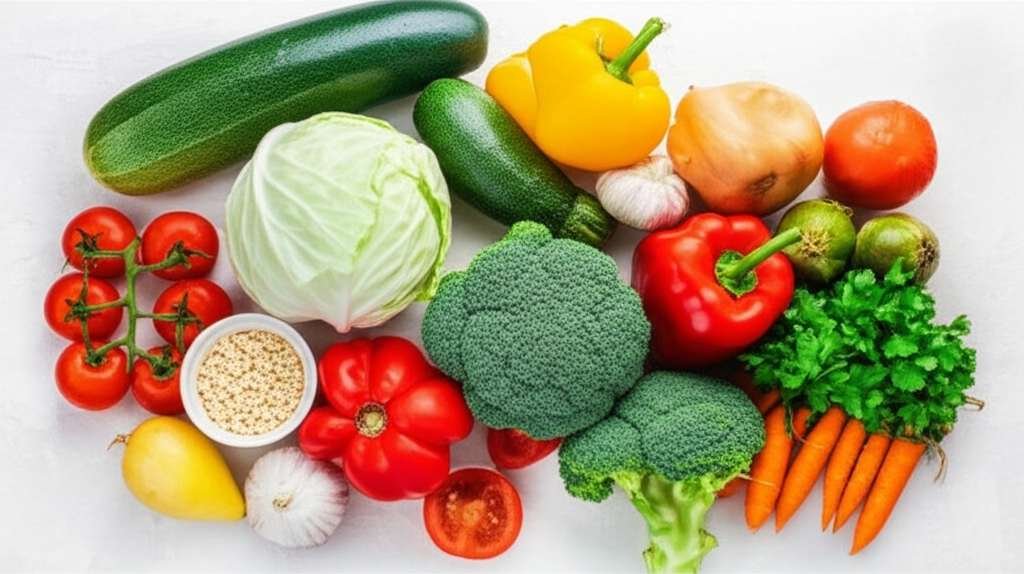
Quick Summary: Creating a grocery list for a fatty liver diet involves focusing on whole, unprocessed foods. Prioritize lean proteins, plenty of fruits and vegetables, healthy fats, and whole grains. Avoid sugary drinks, processed snacks, and excessive saturated and trans fats to support liver health.
Navigating dietary changes can feel overwhelming, especially when you’re focused on improving your liver health. Many people find it tricky to know exactly what to buy at the grocery store when aiming for a diet that supports a healthy liver.
It’s completely normal to feel a little lost at first! The good news is that eating for a healthy liver isn’t about deprivation; it’s about making smart, simple choices that nourish your body.
This guide will break down exactly how to build a grocery list that’s perfect for a fatty liver diet. We’ll cover everything from what to fill your cart with to what to leave on the shelves. Let’s get started on making grocery shopping easy and effective!
Why a Grocery List is Your Best Friend for Fatty Liver Health

Having a well-planned grocery list is more than just a shopping tool; it’s your roadmap to making healthier food choices, especially when managing fatty liver disease. Without a plan, it’s easy to wander the aisles and grab tempting, but unhealthy, items.
A strategic list helps you stick to liver-friendly foods, saving you time and money by preventing impulse buys. It ensures you have the right ingredients on hand to prepare nutritious meals that can make a real difference in your liver’s well-being.
Think of your grocery list as your secret weapon against unhealthy habits and a powerful step towards feeling better. It’s a practical way to take control of your diet and support your body’s healing process.
Understanding the Fatty Liver Diet: The Basics
The core idea behind a fatty liver diet is to reduce the amount of fat stored in your liver and to lower inflammation. This means focusing on foods that are naturally low in unhealthy fats, added sugars, and refined carbohydrates, while being rich in nutrients.
The goal isn’t a restrictive diet but a balanced eating pattern. It emphasizes whole, unprocessed foods that provide essential vitamins, minerals, and fiber. These foods help your body function optimally and can aid in reversing fatty liver changes.
The National Institute of Diabetes and Digestive and Kidney Diseases (NIDDK) highlights that a healthy diet, along with weight loss if needed, is a cornerstone of managing nonalcoholic fatty liver disease (NAFLD).
What to Focus On: The “Yes” Foods
When building your grocery list for a fatty liver diet, think about these beneficial food groups. They are the foundation of a healthy eating plan that supports your liver.
1. Lean Proteins
Protein is crucial for repairing tissues and building muscle. For a fatty liver diet, choosing lean sources is key to keeping saturated fat intake low.
- Fish: Especially fatty fish like salmon, mackerel, and sardines, which are rich in omega-3 fatty acids. These healthy fats can help reduce inflammation.
- Poultry: Skinless chicken and turkey breast are excellent lean options.
- Legumes: Beans, lentils, and chickpeas are fantastic plant-based protein sources, packed with fiber.
- Tofu and Tempeh: Versatile soy-based proteins that are good for plant-forward meals.
- Eggs: A good source of protein and nutrients.
2. Fruits and Vegetables
These are powerhouses of vitamins, minerals, antioxidants, and fiber. They help fight inflammation and support overall health.
- Leafy Greens: Spinach, kale, collard greens, and romaine lettuce.
- Cruciferous Vegetables: Broccoli, cauliflower, Brussels sprouts, and cabbage.
- Berries: Blueberries, strawberries, raspberries, and blackberries are packed with antioxidants.
- Citrus Fruits: Oranges, grapefruits, and lemons, which are high in Vitamin C.
- Other Veggies: Carrots, sweet potatoes, bell peppers, tomatoes, and zucchini.
3. Whole Grains
These provide complex carbohydrates and fiber, which help regulate blood sugar and promote satiety. Opt for minimally processed grains.
- Oats: Rolled oats or steel-cut oats for breakfast.
- Quinoa: A complete protein and a versatile grain.
- Brown Rice: A healthier alternative to white rice.
- Whole Wheat Bread and Pasta: Look for “100% whole wheat” on the label.
- Barley and Farro: Nutty, chewy grains that are great in salads or soups.
4. Healthy Fats
While it might seem counterintuitive, healthy fats are essential. They help reduce inflammation and support cell function. The key is moderation and choosing the right types.
- Avocado: Rich in monounsaturated fats and fiber.
- Nuts: Almonds, walnuts, pistachios (unsalted, in moderation).
- Seeds: Chia seeds, flaxseeds, sunflower seeds, and pumpkin seeds.
- Olive Oil: Extra virgin olive oil is best for dressings and low-heat cooking.
5. Dairy and Alternatives (Low-Fat or Unsweetened)
Some dairy can be part of a healthy diet, but choosing low-fat options is important to limit saturated fat.
- Low-Fat Yogurt: Plain, unsweetened Greek yogurt is a great choice.
- Skim or Low-Fat Milk: If you consume dairy.
- Unsweetened Plant-Based Milks: Almond, soy, or oat milk (ensure they are fortified and unsweetened).
What to Limit or Avoid: The “No” Foods
Certain foods can contribute to fat buildup in the liver and increase inflammation. Being mindful of these will significantly benefit your liver health.
1. Sugary Foods and Drinks
Excess sugar, especially fructose, is a major culprit in fatty liver disease. This includes obvious sources and hidden sugars.
- Sugary Drinks: Soda, fruit juices (even 100% juice), sweetened teas, and sports drinks.
- Sweets: Candy, cookies, cakes, pastries, and ice cream.
- Sweetened Cereals and Snacks: Many breakfast cereals, granola bars, and snack packs are high in added sugar.
2. Refined Grains
These have been stripped of their fiber and nutrients, leading to quicker blood sugar spikes.
- White Bread, White Rice, White Pasta
- Processed Cereals
- Most Packaged Snacks
3. Unhealthy Fats
These fats can promote inflammation and contribute to liver fat accumulation.
- Saturated Fats: Found in fatty cuts of red meat, butter, full-fat dairy, and processed meats.
- Trans Fats: Often found in fried foods, baked goods, and some margarines. Look for “partially hydrogenated oils” on ingredient lists.
4. Processed and Fried Foods
These are often high in unhealthy fats, sodium, and added sugars.
- Fast Food
- Processed Meats: Sausages, bacon, deli meats.
- Frozen Meals: Many are loaded with sodium and unhealthy fats.
- Chips and Salty Snacks
5. Excessive Alcohol
Alcohol is toxic to the liver and a major cause of liver damage. For those with fatty liver disease, abstaining or significantly reducing intake is crucial.
How to Create Your Fatty Liver Diet Grocery List: A Step-by-Step Guide
Now that you know the best and worst foods, let’s put it into action! Creating a grocery list for a fatty liver diet is straightforward when you follow these steps.
Step 1: Plan Your Meals for the Week
Before you even think about your list, plan what you’ll eat. This is the most effective way to ensure you buy only what you need and avoid impulse purchases.
- Breakfast: Think oatmeal with berries, Greek yogurt with nuts, or scrambled eggs with spinach.
- Lunch: Consider large salads with lean protein, lentil soup, or whole-wheat wraps with turkey and veggies.
- Dinner: Plan for baked salmon with roasted vegetables, chicken stir-fry with brown rice, or bean chili.
- Snacks: Keep it simple with fruit, a handful of nuts, or veggie sticks with hummus.
Having a rough meal plan helps you visualize the ingredients you’ll need for each dish.
Step 2: Browse Your Pantry and Fridge
Before heading to the store, check what you already have. This prevents buying duplicates and helps you use up existing ingredients.
- Look through your pantry for grains, beans, canned goods, spices, and oils.
- Check your fridge for vegetables, fruits, and any leftover proteins.
- Note down items that are running low and are on your “yes” list.
Step 3: Categorize Your List by Grocery Store Sections
This is a game-changer for efficient shopping. Organize your list based on where items are located in the supermarket. This saves time and reduces the temptation to browse aisles you don’t need to visit.
Typical sections include:
- Produce: Fruits, vegetables.
- Proteins: Fish, poultry, tofu, beans (fresh or dried).
- Dairy/Refrigerated: Yogurt, milk, eggs.
- Grains/Breads: Whole wheat bread, oats, brown rice, quinoa.
- Pantry Staples: Olive oil, nuts, seeds, canned beans, spices.
You can even group items within these sections (e.g., under Produce, list all your leafy greens together).
Step 4: Write Down Specific Items and Quantities
Be specific! Instead of just “vegetables,” write “2 heads of broccoli,” “1 bag of spinach,” or “4 sweet potatoes.” This helps you buy exactly what you need.
- Refer to your meal plan for the specific ingredients required.
- Estimate quantities based on your planned meals and the number of people you’re cooking for.
- Don’t forget staples like olive oil, spices, and healthy snacks.
Step 5: Include Your “Treats” (Smartly)
A sustainable diet isn’t about never having treats. It’s about enjoying them mindfully. If you plan to have a small, healthy indulgence, add it to your list.
- Perhaps a small amount of dark chocolate (70% cocoa or higher).
- A small serving of a favorite fruit that might be a bit sweeter.
- Choosing healthier alternatives like baked apples instead of pie.
Having these planned can prevent less healthy impulse buys.
Sample Fatty Liver Diet Grocery List Template
Here’s a template to get you started. Remember to customize it based on your meal plan and preferences!
| Category | Item Examples | Quantity/Notes |
|---|---|---|
| Proteins | ||
| Lean Meats & Poultry | Skinless Chicken Breast, Turkey Breast | 1 lb |
| Fish | Salmon Fillets, Mackerel | 2 servings |
| Plant-Based | Lentils (dried or canned), Black Beans, Tofu | 1 bag lentils, 2 cans beans, 1 block tofu |
| Fruits | ||
| Berries | Blueberries, Strawberries | 1 pint each |
| Citrus | Oranges, Grapefruit | 2 of each |
| Other | Apples, Pears, Bananas | 3 of each |
| Vegetables | ||
| Leafy Greens | Spinach, Kale | 1 large bag spinach, 1 bunch kale |
| Cruciferous | Broccoli, Cauliflower | 1 head each |
| Root Vegetables | Sweet Potatoes, Carrots | 2 medium sweet potatoes, 1 lb carrots |
| Other | Bell Peppers (various colors), Tomatoes, Zucchini | 2 peppers, 1 pint tomatoes, 2 zucchini |
| Whole Grains | ||
| Breakfast Grains | Rolled Oats (steel-cut preferred) | 1 large container |
| Lunch/Dinner Grains | Quinoa, Brown Rice, Whole Wheat Pasta | 1 box/bag each |
| Healthy Fats | ||
| Oils | Extra Virgin Olive Oil | 1 bottle |
| Nuts & Seeds | Almonds, Walnuts, Chia Seeds, Flaxseeds | Small bag each (unsalted) |
| Other | Avocado | 2 ripe |
| Dairy & Alternatives | ||
| Dairy | Plain Greek Yogurt (low-fat) | 1 large tub |
| Alternatives | Unsweetened Almond Milk | 1 carton |
| Pantry Staples & Seasoning | ||
| Herbs & Spices | Garlic powder, Onion powder, Turmeric, Cinnamon, Black Pepper | Check stock |
| Other | Herbal Teas (unsweetened), Balsamic Vinegar, Mustard | Check stock |
Tips for Smart Grocery Shopping
Beyond just the list, how you shop can also impact your success. Here are some practical tips to make your grocery trips more effective for a fatty liver diet.
- Shop the Perimeter: Most supermarkets place fresh produce, lean meats, and dairy along the outer walls. These are often the healthiest sections. The inner aisles tend to be where processed and packaged foods reside.
- Read Labels Carefully: Pay attention to serving sizes, added sugars, saturated fats, and sodium content. The American Heart Association offers great resources on understanding nutrition labels.
- Buy in Season: Produce that is in season is often fresher, tastier, and more affordable.
- Don’t Shop When Hungry: This is a classic tip for a reason! Shopping on an empty stomach makes you more susceptible to impulse buys of unhealthy foods.
- Stick to Your List: Remind yourself of your goals and why you’re making these healthy choices. If it’s not on your list, try to resist buying it.
- Opt for Frozen or Canned (Smartly): Frozen fruits and vegetables are just as nutritious as fresh and can be more convenient. Canned beans and fish (in water or olive oil, low sodium) are also good pantry staples.
The Role of Hydration
While not food, hydration is a critical component of a healthy diet and supports overall bodily functions, including liver health. Make sure to include these on your list or ensure you have them readily available.
- Water: The most important. Aim for plenty of plain water throughout the day.
- Herbal Teas: Unsweetened herbal teas like chamomile, peppermint, or ginger tea can be a soothing alternative.
Avoid sugary drinks, which can contribute to fatty liver disease.
Putting It All Together: Your Action Plan
Creating a grocery list for a fatty liver diet is a proactive step towards better health. It’s about making informed choices that empower you to nourish your body effectively.
By planning your meals, checking your pantry, organizing your list, and shopping smart, you can confidently navigate the grocery store. Remember, this is a journey, and each healthy choice you make is a victory for your liver and your overall well-being.
Start with this guide, adapt it to your needs, and observe how making these simple changes can lead to significant positive impacts. You’ve got this!
Frequently Asked Questions (FAQ)
What are the absolute must-have foods for a fatty liver diet grocery list?
The absolute must-haves include plenty of non-starchy vegetables (like spinach, broccoli), lean proteins (like chicken breast, fish, lentils), whole grains (like oats, quinoa), and healthy fats (like olive oil, avocados, nuts). These form the core of a liver-friendly diet.
Can I still eat fruit on a fatty liver diet?
Yes, absolutely! Fruits are packed with vitamins, antioxidants, and fiber, which are beneficial. Focus on whole fruits, especially berries, apples, and citrus fruits, and be mindful of portion sizes due to their natural sugar content. It’s best to avoid fruit juices, which concentrate the sugar without the fiber.
What kind of fats should I look for at the grocery store?
You should look for monounsaturated and polyunsaturated fats. These are found in extra virgin olive oil, avocados, nuts (like almonds, walnuts), and seeds (like chia, flax, sunflower). Fatty fish like salmon are also excellent sources of omega-3 fatty acids, a type of healthy fat.
Are there any specific spices or seasonings I should stock up on?
Yes, herbs and spices are wonderful for adding flavor without adding unhealthy fats or sodium. Good choices include garlic, onion, turmeric, ginger, cinnamon, pepper, and dried herbs like oregano and basil. They also offer antioxidant benefits.
How often should I create a new grocery list?
It’s best to create a new grocery list weekly, or at least every two weeks, based on your meal plan. This ensures you’re buying fresh ingredients and helps you stay organized and avoid food waste. Check your pantry and fridge before making your list.
What should I do if I see a tempting unhealthy food at the store that isn’t on my list?
Acknowledge the temptation, remind yourself of your health goals, and try to focus on the healthy items already on your list. If possible, have a healthy snack before shopping to curb cravings. If you consistently struggle, consider shopping online for delivery to bypass tempting aisles.
Can I buy pre-cut fruits and vegetables to save time?
Yes, pre-cut fruits and vegetables can be a convenient option if they fit your budget and you’re short on time. Just ensure they are plain and not coated in sauces or seasonings. They are generally as nutritious as their whole counterparts.
Conclusion
Creating a grocery list for a fatty liver diet is a foundational step toward improving your liver health and overall well-being. By focusing on whole, nutrient-dense foods and consciously limiting processed items, sugary drinks, and unhealthy fats, you can build a diet that supports your body’s natural healing processes.
Remember that consistency is key. This guide provides you with the knowledge and tools to make informed choices at the grocery store. Don’t get discouraged by occasional slip-ups; simply get back on track with your next meal and your next shopping trip. With a well-planned list and a mindful approach, you can confidently nourish yourself and support a healthier liver for the long term.
As an Amazon Associate, We earn from qualifying purchases. When you purchase a product through Amazon links on pulsefitguide.com, we may earn a small commission at no extra cost to you. This helps support the site and keep our content free.