

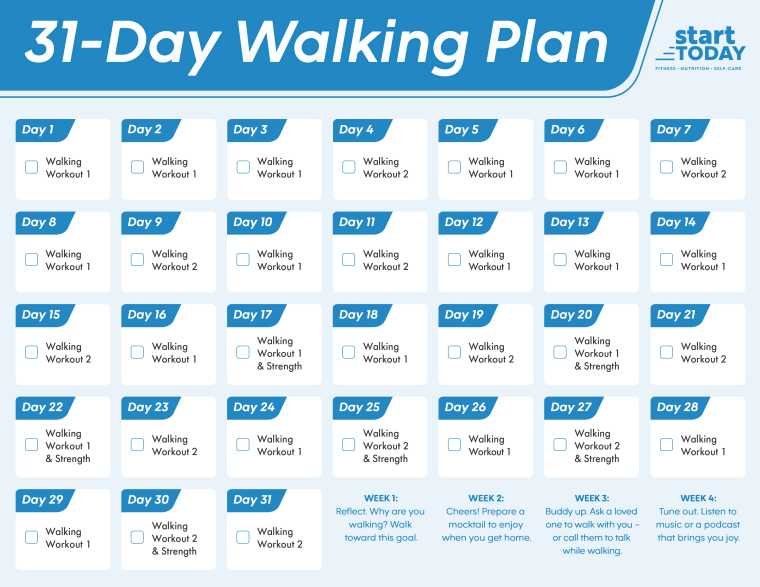
Start walking today with a simple plan that fits into your busy life and helps you shed those extra pounds. Consistency is key, so setting realistic goals and gradually increasing your pace can make all the difference. Remember, turning daily walks into a habit boosts your metabolism and melts away fat. With some basic steps like choosing the right time, comfortable shoes, and tracking your progress, you can create an effective routine that keeps you motivated and seen results.
Creating a daily walking routine for weight loss is straightforward: set a clear goal, schedule consistent walking times, and gradually increase your pace and duration. Combining this with proper nutrition and staying motivated ensures steady progress. Walking is accessible, low-impact, and easy to incorporate into your daily life, making it an ideal way to reach your weight loss goals. Start small, stay committed, and enjoy the journey to a healthier, fitter you.

How to Create a Daily Walking Routine for Weight Loss
Establishing a daily walking routine is a simple yet effective way to shed excess pounds. Walking helps burn calories, boost your metabolism, and improve your overall health. This section will guide you through creating a walking plan that fits your lifestyle and helps you reach your weight loss goals.
Understanding the Benefits of Daily Walking for Weight Loss
Walking is a low-impact exercise suitable for most people, regardless of fitness level. Regular walking can increase calorie burn and muscle tone, leading to weight loss over time. It also helps curb appetite and reduces stress, both of which support your weight management efforts.
Studies show that walking briskly for about 30 to 60 minutes daily can burn between 150 and 400 calories. This calorie deficit is essential for losing weight and maintaining a healthy body weight. Plus, walking can be a sustainable activity you enjoy consistently.
Setting Realistic Weight Loss Goals
Before beginning your routine, determine how much weight you want to lose and in what timeframe. Remember to set achievable goals that motivate you without feeling overwhelming. For instance, aiming to lose 1 to 2 pounds per week is a healthy, realistic target.
Break down your larger goal into smaller milestones, such as walking a certain distance or duration each week. Celebrate each success to stay motivated and committed to your routine.
Assessing Your Current Fitness Level
Start by evaluating your current activity level and physical condition. Are you a complete beginner or have you been active recently? Knowing this helps tailor your walking plan safely and effectively.
If you’re new to exercise, begin with short walks of 10 to 15 minutes at a comfortable pace. Gradually increase duration and intensity as your stamina improves. Consult with a healthcare professional if you have health concerns or existing medical conditions.
Creating a Weekly Walking Schedule
Design a weekly plan that incorporates daily walks at consistent times. Consistency helps establish a habit and makes it easier to stick with your routine. Choose times when you’re most likely to be active, such as mornings or evenings.
For example, you might walk on Monday, Wednesday, and Friday for 30 minutes, with longer walks on weekends. Vary your schedule to prevent boredom and keep your body challenged.
Choosing the Right Walking Duration and Intensity
Start with manageable durations, such as 15 to 30 minutes per walk. Once your fitness improves, increase your walks to 45 minutes or more. Incorporate brisk walking to elevate your heart rate and maximize calorie burn.
Use the talk test to gauge intensity: you should be able to talk but not sing during your walk. This moderate effort is ideal for weight loss and endurance building.
Incorporating Interval Walking for Better Results
Interval walking involves alternating between periods of faster walking and a slower pace. This method boosts calorie burn and improves cardiovascular health. For example, walk briskly for two minutes, then stroll for three minutes, repeating this pattern for the duration of your walk.
Start with short intervals and gradually increase the intensity and duration as your fitness level improves. Intervals make your routine more engaging and effective.
Using Proper Gear and Equipment
Wear supportive, comfortable shoes designed for walking to prevent injuries and blisters. Choose breathable clothing suitable for the weather to stay comfortable during your walks.
Consider using accessories like a pedometer or fitness tracker to monitor your steps, distance, and calories burned. These tools help you stay motivated and track your progress more accurately.
Staying Motivated and Overcoming Barriers
Find ways to stay motivated, such as listening to music or walking with a friend. Set small, achievable goals to keep your progress steady and boost your confidence.
If motivation wanes, remind yourself of your reasons for walking and the health benefits it provides. Address common barriers like bad weather by walking indoors or choosing different activities.
Tracking Your Progress and Adjusting Your Routine
Keep a walking journal or use an app to record your daily walks, duration, and how you feel afterward. Tracking helps identify what works best and highlights your improvements.
Adjust your routine as needed by increasing duration, intensity, or frequency to challenge your body and prevent plateaus. Flexibility is key to maintaining long-term success.
Integrating Additional Activities for Enhanced Weight Loss
Complement your walking routine with other forms of exercise such as strength training or stretching. Building muscle helps increase resting metabolic rate, making your weight loss journey more effective.
Incorporate activities like bodyweight exercises or yoga on rest days to improve flexibility and overall fitness. Balanced activity promotes better results and reduces the risk of burnout.
Maintaining Your Routine Amid Busy Schedules
Plan your walks around your daily commitments to ensure consistency. Even quick 10-minute walks can add up and contribute to your weight loss goals.
Prepare in advance by scheduling walks like appointments, and choose accessible locations such as parks, sidewalks, or indoor malls when weather is poor. Flexibility helps sustain your routine in the long run.
Creating a Support System
Share your goals with friends or family to gain encouragement and accountability. Walking together can make the activity more enjoyable and motivate you to stay on track.
Join local walking groups or online communities to connect with others on similar health journeys. Support networks boost motivation and provide helpful tips.
Monitoring Your Progress and Celebrating Success
Regularly check your progress by tracking changes in weight, measurements, or fitness levels. Celebrate milestones like reaching your weekly step goal or completing a new walking distance.
Rewards should be non-food related, such as new workout gear or a relaxing massage, to reinforce your healthy habits and motivate continued effort.
Creating a daily walking routine for weight loss involves planning, consistency, and motivation. By setting realistic goals and gradually increasing your activity, you’ll build a sustainable habit that supports your health and weight management. Remember, every step counts and each walk brings you closer to your goals.
Walking for Fat Loss
Frequently Asked Questions
What are some tips for setting realistic walking goals to aid weight loss?
Start by assessing your current activity level and setting achievable targets, such as walking 10-15 minutes daily. Gradually increase the duration and intensity over time to avoid injury and maintain motivation. Consider your schedule and choose times that you are most likely to stick with consistently, like mornings or lunch breaks. Setting specific, measurable goals helps track progress and keeps you focused on your weight loss journey.
How can I stay motivated to walk every day for weight management?
Find activities that make walking enjoyable, such as listening to favorite music or walking with a friend. Track your progress to see tangible results, which can boost motivation. Celebrate small milestones to stay encouraged. Additionally, setting reminders or establishing a routine at the same time each day helps turn walking into a habit rather than a chore.
What should I wear and prepare for daily walks to make them comfortable and safe?
Wear comfortable, supportive footwear suitable for walking to protect your feet and joints. Dress appropriately for the weather, choosing breathable clothes for warm days and layered options for cooler weather. Carry essentials like water to stay hydrated and, if necessary, a small snack. Consider wearing reflective gear if you plan to walk during early mornings or evening hours to increase visibility and stay safe.
Final Thoughts
To create a daily walking routine for weight loss, set a consistent schedule that fits your lifestyle. Choose a specific time each day to walk and stick to it. Incorporate brisk walks to boost calorie burn and keep challenging yourself gradually. Track your progress and adjust your routine as needed to stay motivated and on course.
As an Amazon Associate, We earn from qualifying purchases. When you purchase a product through Amazon links on pulsefitguide.com, we may earn a small commission at no extra cost to you. This helps support the site and keep our content free.