

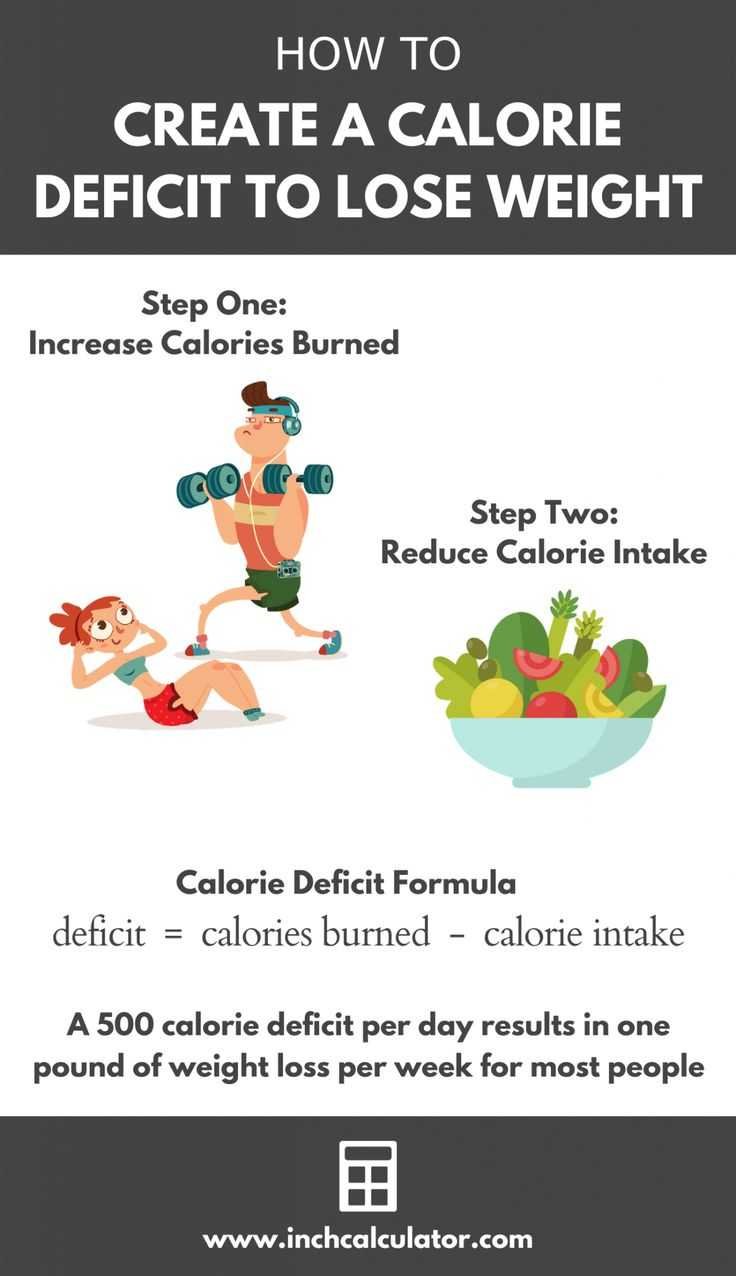
To create a calorie deficit naturally, focus on eating nutrient-dense foods while increasing your physical activity. Small changes in diet and daily movement can lead to effective weight loss without drastic measures. Staying consistent and making sustainable adjustments is key to achieving long-term results.
Creating a calorie deficit naturally involves simple lifestyle tweaks that make a big difference over time. By choosing healthier foods, controlling portion sizes, and staying active, you can shed unwanted pounds without resorting to extreme diets or supplements. The goal is to balance your energy intake and expenditure through everyday habits that support your health and wellness journey.
If you’re looking to lose weight, understanding how to create a calorie deficit naturally can set you on the right path. It’s all about making smarter food choices, staying active, and maintaining consistency. Implementing these small changes can help you gradually reach your weight loss goals in a safe and sustainable way.

How to Create a Calorie Deficit Naturally
Creating a calorie deficit is the key to losing weight without relying on extreme diets or supplements. It means burning more calories than you eat each day, encouraging your body to use stored fat as energy. Understanding how to do this naturally helps you stay healthy and maintain your progress long-term.
Understanding Calories and Energy Balance
Calories measure the energy your body gets from food and drinks. Your body needs a certain number of calories daily to perform vital functions like breathing, digestion, and moving. If you consume fewer calories than your body needs, you create a **calorie deficit**. This deficit makes your body tap into fat stores for energy.
Maintaining the right balance is important. Eating too few calories can slow your metabolism and cause fatigue. The goal is to find a healthy calorie deficit that promotes weight loss without making you feel deprived or sluggish.
Calculate Your Daily Calorie Needs
To create an effective plan, start by estimating how many calories your body requires each day—this is called your **Total Daily Energy Expenditure** (TDEE). You can use online calculators or consult a health professional for accuracy.
| Factor | Impact |
|---|---|
| Age | Younger people tend to burn calories faster. |
| Gender | Men generally have a higher basal metabolic rate (BMR). |
| Activity Level | More active lifestyles mean higher calorie needs. |
| Body Composition | Muscle burns more calories than fat at rest. |
Once you know your TDEE, plan to eat less than this amount to create a calorie deficit.
Natural Ways to Create a Calorie Deficit
Increase Physical Activity
Movement is one of the best ways to burn extra calories naturally. Incorporate activities you enjoy to stay consistent. Examples include walking, cycling, swimming, or dancing.
- Walk More Often: Aim for at least 30 minutes a day.
- Try Interval Training: Short bursts of high-intensity exercise boost calorie burn.
- Use Active Transportation: Bike or walk instead of driving when possible.
Strength Training and Its Benefits
Building muscle increases your resting metabolic rate, helping you burn more calories even when resting. Incorporate bodyweight exercises like squats, push-ups, and lunges. Regular strength workouts three times a week can make a noticeable difference.
Stay Active Throughout the Day
Small activities add up over time. Take breaks from sitting to stretch or walk around. Use stairs instead of elevators whenever possible. These simple habits help increase your daily calorie expenditure.
Adjusting Your Diet Naturally
Eat More Whole Foods
Focus on unprocessed foods like fruits, vegetables, whole grains, lean proteins, and healthy fats. These foods are more filling and have fewer calories compared to processed snacks.
Control Portion Sizes
Be mindful about serving sizes to avoid overeating. Use smaller plates and bowls to help regulate portions naturally. Eating slowly allows your brain to recognize fullness signals.
Choose High-Fiber Foods
Fiber-rich foods like beans, oats, and vegetables help you feel full longer. This reduces the likelihood of snacking on high-calorie treats.
Limit Sugary Drinks and Snacks
Sugar adds extra calories without providing lasting satiety. Swap soda, fruit juices, and candies for water, herbal teas, or fresh fruit.
Incorporate Healthy Lifestyle Habits
Prioritize Sleep
Getting enough quality sleep supports hormonal balance, reduces hunger, and prevents overeating. Aim for 7 to 9 hours per night.
Manage Stress Effectively
Chronic stress can lead to emotional eating. Practice relaxation techniques like deep breathing, meditation, or hobbies to stay calm and focused on your goals.
Stay Consistent and Patient
Natural calorie deficit creation is a gradual process. Tracking your food intake and activity levels helps stay accountable. Remember, consistency is more effective than quick fixes.
Monitoring Progress Safely
Use tools like food diaries or apps to record what you eat and how much you exercise. Regular weigh-ins or measurements provide feedback without obsession.
Make adjustments as needed to keep moving towards your goal. Focus on feeling healthier and more energetic rather than just the number on the scale.
Related Topics to Explore
- Healthy Meal Planning: Tips for balanced and satisfying meals.
- Hydration and Its Role: How drinking water supports weight loss.
- Understanding Metabolism: Factors that influence how many calories your body burns.
- Behavior Change Strategies: How to build habits that last.
Creating a calorie deficit naturally involves making mindful choices in your activity levels and eating habits. By increasing movement, choosing nutritious foods, and adopting healthy lifestyle routines, you can achieve sustainable weight loss in a way that feels good and keeps you motivated.
How To Calculate A Calorie Deficit For Weight Loss | Nutritionist Explains | Myprotein
Frequently Asked Questions
What dietary changes can help create a calorie deficit naturally?
Focus on incorporating more whole foods like fruits, vegetables, lean proteins, and whole grains into your meals. Reduce intake of processed foods, sugary snacks, and high-calorie beverages. Paying attention to portion sizes and mindful eating also helps control calorie consumption without feeling deprived.
How does increasing physical activity contribute to a calorie deficit?
Engaging in regular exercise, such as brisk walking, cycling, or swimming, burns extra calories and supports weight loss efforts. Incorporate activities you enjoy, and aim for consistency to gradually elevate your daily calorie expenditure, making it easier to create and maintain a deficit naturally.
Can making lifestyle adjustments support natural calorie reduction?
Yes, simple lifestyle habits like getting enough sleep, managing stress, and staying hydrated can influence your body’s ability to regulate hunger and metabolism. These adjustments help prevent overeating and support your efforts to create a calorie deficit without drastic dieting.
How important is tracking food intake in creating a calorie deficit?
Keeping a food diary or using a mobile app helps you become aware of your eating habits and calorie intake. Monitoring your consumption encourages mindful choices and ensures you’re maintaining a calorie deficit, especially when paired with healthy eating and physical activity.
Are there specific foods that support natural calorie reduction?
Foods high in fiber, such as vegetables, fruits, and legumes, promote satiety and reduce overall calorie intake. Including lean proteins and healthy fats also helps you feel full longer, making it easier to stay within your calorie goals naturally.
Final Thoughts
Creating a calorie deficit naturally involves making simple lifestyle changes. Focus on eating whole, unprocessed foods and controlling portion sizes. Incorporate regular physical activity into your daily routine to burn more calories.
Stay consistent and patient, as sustainable results come from gradual adjustments. Remember, how to create a calorie deficit naturally is about balancing your diet and activity levels effectively.
As an Amazon Associate, We earn from qualifying purchases. When you purchase a product through Amazon links on pulsefitguide.com, we may earn a small commission at no extra cost to you. This helps support the site and keep our content free.